

Reptile diets need species-specific foods, balanced nutrients, and proper hydration every day.
I have cared for a wide range of reptiles and taught new keepers how to feed them safely. This guide on reptile diet basics draws on hands-on experience and vetted care practices to help you feed your reptile with confidence. Read on to learn clear, practical steps for diet planning, supplements, feeding schedules, and troubleshooting for common pet reptiles.
Understanding reptile diet basics
Reptile diet basics start with knowing your pet’s species and natural diet. Some reptiles eat insects, some eat plants, and others eat whole prey. A proper diet matches what the animal would eat in the wild and fills nutrient needs. I learned early on that a wrong diet causes slow problems that are hard to fix.

Types of diets by species
Reptile diet basics vary by category. Use this simple breakdown to match food to species.
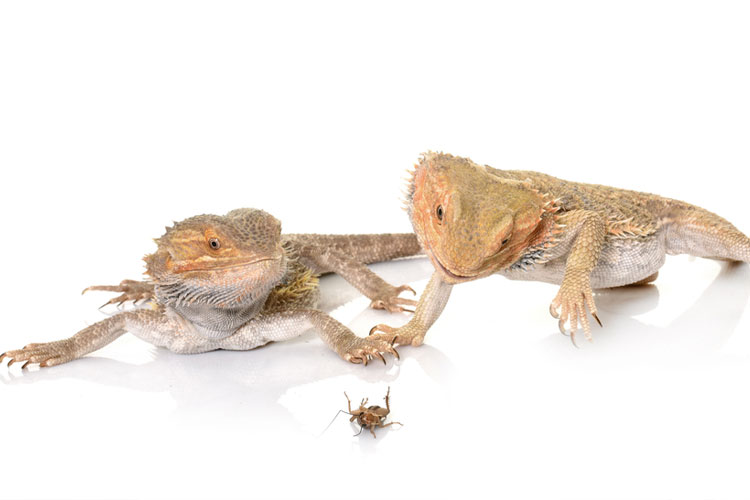
- Herbivores: Eat leaves, flowers, and fruits. Bearded dragons older than a few months become mostly herbivores.
- Insectivores: Eat live insects like crickets and roaches. Leopard geckos rely on insects for life.
- Carnivores: Eat whole prey such as mice or fish. Ball pythons and corn snakes fall here.
- Omnivores: Eat both plants and animals. Some turtles and young bearded dragons are omnivores.
When you know which group your pet fits into, you can plan meals that meet its needs. I always start with the species list when advising new keepers.

Key nutrients and supplements
Reptile diet basics must include the right vitamins and minerals. Calcium and vitamin D3 are the most important for many reptiles. Without enough calcium, bones weaken and growth stalls.
- Calcium: Use an appropriate calcium powder dusted on food. Young reptiles need calcium more often.
- Vitamin D3: Needed for calcium absorption. Provide either through UVB light or cautiously dosed supplements.
- Multivitamin: Use a reptile-safe multivitamin once or twice a week for many species.
- Gut-loading: Feed nutritious food to feeder insects to pass vitamins on to the reptile.
I once treated a bearded dragon with metabolic bone disease. Proper calcium dosing and UVB fixed the problem over months. That taught me to check husbandry first when health drops.

Feeding schedules and portioning
Reptile diet basics include when and how much to feed. Feeding needs change with age, size, and species.
- Juveniles: Feed more often. Small reptiles may eat daily to support growth.
- Adults: Feed less often. Many adult reptiles eat every few days to once weekly.
- Portion size: Offer food no larger than the widest part of the reptile for whole prey. For insects, feed a number that the reptile can eat in 10–15 minutes.
- Monitor weight: Weigh your pet monthly to adjust portions.
Keep a simple log of feeding dates and amounts. That habit helped me catch appetite drops early in a snake I cared for.

Hydration and gut health
Hydration is part of reptile diet basics and affects digestion. Some reptiles drink readily from a bowl. Others need misting, soaking, or drip systems.
- Water dishes: Offer fresh water daily and keep it clean.
- Soaks: Many lizards and turtles benefit from occasional soaks to hydrate and aid shedding.
- Humidity: Maintain proper humidity for species to help digestion and shedding.
- Probiotics and fiber: Some species benefit from occasional probiotics or fibrous greens to keep guts moving.
I learned to adjust soak frequency when a turtle had chronic constipation. Simple hydration fixes often resolve mild gut issues.

Common mistakes and troubleshooting
Common errors undermine reptile diet basics. Avoid these mistakes.
- Wrong food type: Feeding an herbivore too many insects causes vitamin imbalance.
- No supplements: Skipping calcium leads to weakness and bone problems.
- Poor prey quality: Gut-empty feeder insects or fatty prey reduce nutrition.
- Overfeeding: Obesity is a real problem for captive reptiles.
- Inconsistent schedules: Irregular feeding stresses some species.
If a reptile stops eating, check temperature, lighting, and stress first. I often find husbandry fixes restore appetite before medication is needed.
Transitioning diets and picky eaters
Reptile diet basics include techniques for changing diets or introducing new foods. Be patient and use positive steps.
- Offer variety: Mix acceptable food types to spark interest.
- Meal timing: Try feeding at the animal’s natural active time.
- Visual cues: Live prey can trigger hunting instincts in insectivores.
- Gradual swaps: Mix old and new foods over days to reduce refusal.
I once switched a finicky gecko to an easier-to-find feeder. A slow mix over a week worked well, and the gecko accepted the new insect without stress.

Practical feeding examples
Seeing examples makes reptile diet basics actionable. Here are simple plans for common pets.
- Bearded dragon (juvenile): Daily insects in morning, chopped greens in afternoon; calcium dust most insect meals.
- Leopard gecko (adult): Feed 2–3 live insects every 2–3 days; dust with calcium twice a week.
- Ball python (adult): Feed one appropriately sized thawed mouse or rat every 7–14 days depending on size.
- Aquatic turtle: Offer commercial turtle pellets plus leafy greens and occasional protein twice a day or as directed.
Always adjust based on body condition and vet advice. When in doubt, lean toward slightly less rather than overfeeding.

Frequently Asked Questions of reptile diet basics
What is the simplest way to start learning reptile diet basics?
Start by identifying your reptile’s species and natural diet. Use species-specific feeding guides and ask experienced keepers or vets for advice.
How often should I use calcium and vitamin D3 for my reptile?
Dose calcium regularly, often every feeding for growing reptiles and several times a week for adults, and use vitamin D3 only if UVB is insufficient or per vet advice. Balance both to avoid overdose.
Can I feed my reptile human food like fruits or vegetables?
Some reptiles safely eat specific fruits and vegetables, but many human foods are unsafe or too rich. Research species-safe items before feeding any human food.
How do I know if my reptile is underfed or overfed?
Look for weight loss, sunken eyes, or weak movement as underfeeding signs; look for bulging fat deposits or reduced activity as overfeeding signs. Weighing your pet monthly helps track changes.
What should I do if my reptile refuses food for several days?
Check temperature, lighting, and stressors first and offer known favorite foods. If refusal lasts over a week or the pet shows weight loss, seek a reptile-experienced vet.
Conclusion
A solid grasp of reptile diet basics keeps pets healthy, active, and long-lived. Focus on species-appropriate foods, balanced nutrients, proper hydration, and steady husbandry. Start small: identify your reptile’s needs, keep a feeding log, and consult a vet when unsure. Try one change this week—improve UVB, adjust portion size, or start gut-loading feeders—and watch your pet thrive. Leave a comment with your reptile type or subscribe for more care guides.

Pingback: Reptile Terrarium Setup: Complete Guide For Beginners - pettraiers.com
Pingback: Dog Treats Health Effects: What Every Owner Should Know - pettraiers.com
Pingback: Dog Potty Training Stages: Step-By-Step Guide - pettraiers.com
Pingback: Cat Litter Furniture Needs: Stylish Solutions That Work - pettraiers.com
Pingback: Aquarium Tank Types: Ultimate Guide For 2026 - pettraiers.com
Pingback: Pet First Aid Basics: Essential Tips For Emergencies - pettraiers.com
Pingback: Bird Cage Setup Guide: Complete Setup Tips For 2026 - pettraiers.com
Pingback: Bird Feeding Hygiene Guide: Safe Tips For Clean Feeders - pettraiers.com
Pingback: Cat Toy Behavior Guide: Decode Play, Prevent Bad Habits - pettraiers.com
Pingback: Cat Supplement Usage Guide: Safe Dosage Tips For Owners - pettraiers.com