
A practical bird cage setup guide helps you create a safe, enriching home for your pet bird.
I’ve set up dozens of cages for parakeets, cockatiels, and small parrots, and this bird cage setup guide collects that hands-on experience with research-backed best practices. Read on to learn how to choose the right cage, arrange perches and toys, maintain safety and hygiene, and create daily routines that keep your bird healthy and happy.

Choosing the right cage
Choosing the right cage is the first step in any bird cage setup guide. Size matters more than style. A small bird needs room to flap, climb, and move freely. Larger species need far more space. Pick a cage that allows your bird to fully extend its wings and fly short distances.
Important cage features to compare
- Bar spacing — Match spacing to species to prevent escapes or trapped feet.
- Bar orientation — Horizontal bars help climbers; vertical bars work for many finches.
- Material and finish — Look for powder-coated or stainless steel to avoid toxic finishes.
- Door design — Doors should lock securely to prevent accidental openings.
- Tray and grate — Removable trays make cleaning easier; grates keep food off the tray.
Sizing examples for common species
- Budgies and finches — Minimum 18 x 18 x 24 inches for a single bird.
- Cockatiels — At least 24 x 24 x 30 inches.
- Small parrots (conures, lovebirds) — 30 x 30 x 36 inches or larger.
Personal tip: When I bought my first cockatiel, I underestimated the vertical space it used. Upgrading to a taller cage immediately boosted its activity and mood. This bird cage setup guide emphasizes choosing space over aesthetics every time. When assembling a new cage out of the box, follow the manufacturer’s instructions in order rather than skipping steps — most injuries from new cages come from missed screws or an incorrectly seated tray or door. Once built, run a hand along all bar joints and the door frame to check for gaps, sharp edges, or pinch points before adding your bird, and recheck these points every few months as normal wear can loosen fittings over time.
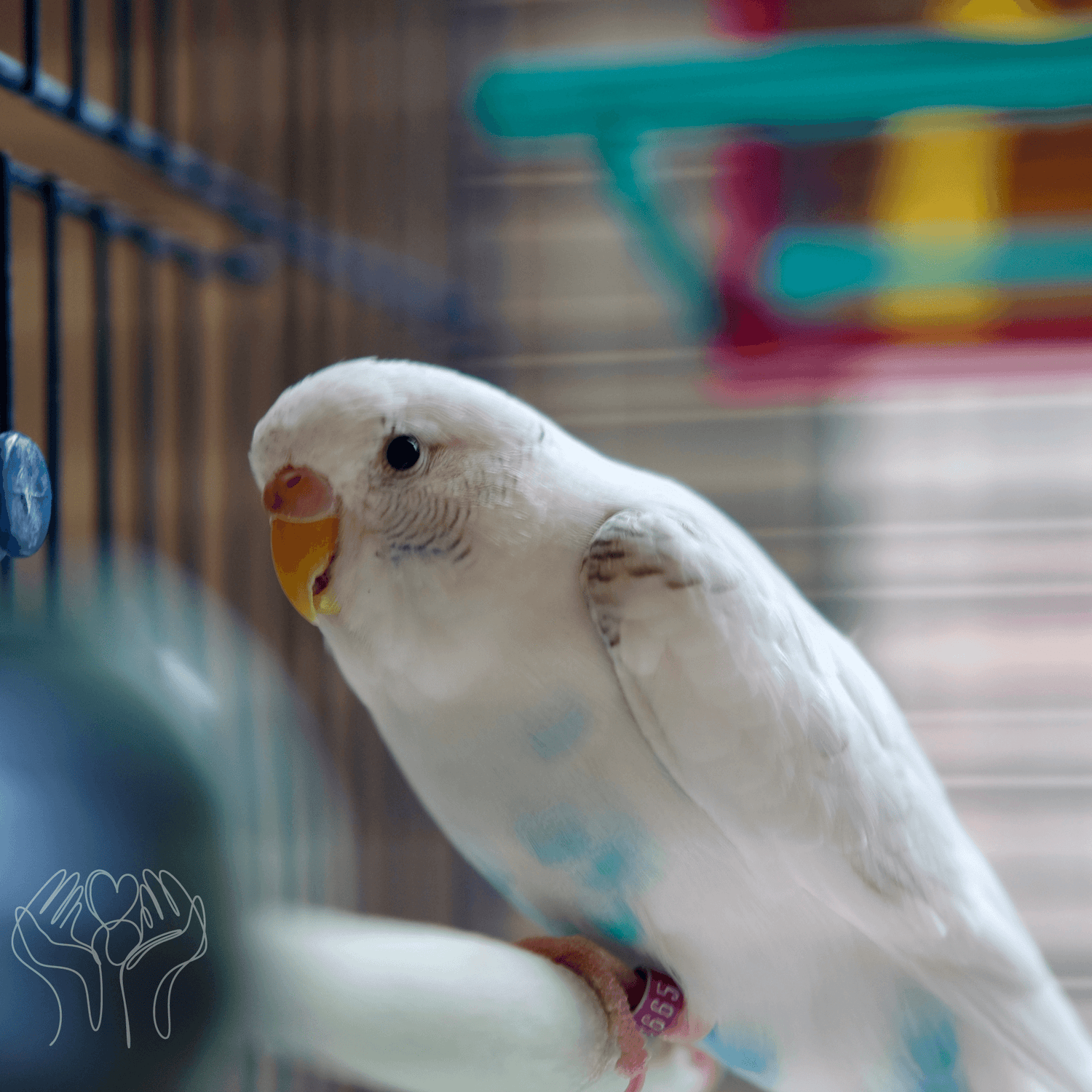
How to Set Up a Parakeet Cage
Parakeets (also called budgies) are one of the most common first pet birds, and their setup has a few specifics worth calling out on top of the general guidance above.
- Cage size: at least 18 x 18 x 24 inches for one parakeet; go larger, or choose a wider horizontal cage, if keeping a pair or small group, since parakeets are more active side-to-side flyers than climbers.
- Bar spacing: 1/2 inch or less — parakeets are small enough to squeeze through or get a head caught in wider spacing.
- Perches: include at least one natural wood perch of varying diameter to keep feet healthy, plus a lower perch near food and a higher one for sleeping.
- Toys: parakeets are food-motivated and curious — foraging toys and a swing are usually a hit, and rotating 2–3 toys weekly keeps interest up without cluttering the cage.
- Social needs: parakeets are highly social and typically do better in pairs or small groups than alone, which affects both cage size and layout — plan for more than one feeding and perch spot if keeping more than one bird.
Cage placement and environment
Where you place the cage affects your bird’s stress and health. This bird cage setup guide recommends thinking about light, drafts, noise, and social interaction.
Ideal placement guidelines
- Natural light — Place near a window but avoid direct midday sun to prevent overheating.
- Avoid drafts — Keep the cage away from doorways, HVAC vents, and frequently opened windows.
- Social zone — Birds are social; put the cage where family members spend time, but not amid constant chaos.
- Stable surface — Place cage on a stand or sturdy table to prevent tipping.
Environmental checks
- Temperature — Most pet birds do well between 65°F and 80°F.
- Humidity — Moderate humidity (40–60%) supports plumage and respiration.
- Nighttime rest — Cover the cage or move it to a quiet room for consistent sleep.
Personal experience: I moved a finch cage off the kitchen counter after noticing stress during dinner noise. Within days the bird sang more and ate better. This bird cage setup guide stresses that small environment changes yield big welfare gains. Elevated position — beyond stability, birds generally feel safer with their cage elevated to roughly chest height or higher, since ground-level placement can trigger instinctive predator wariness in many species.
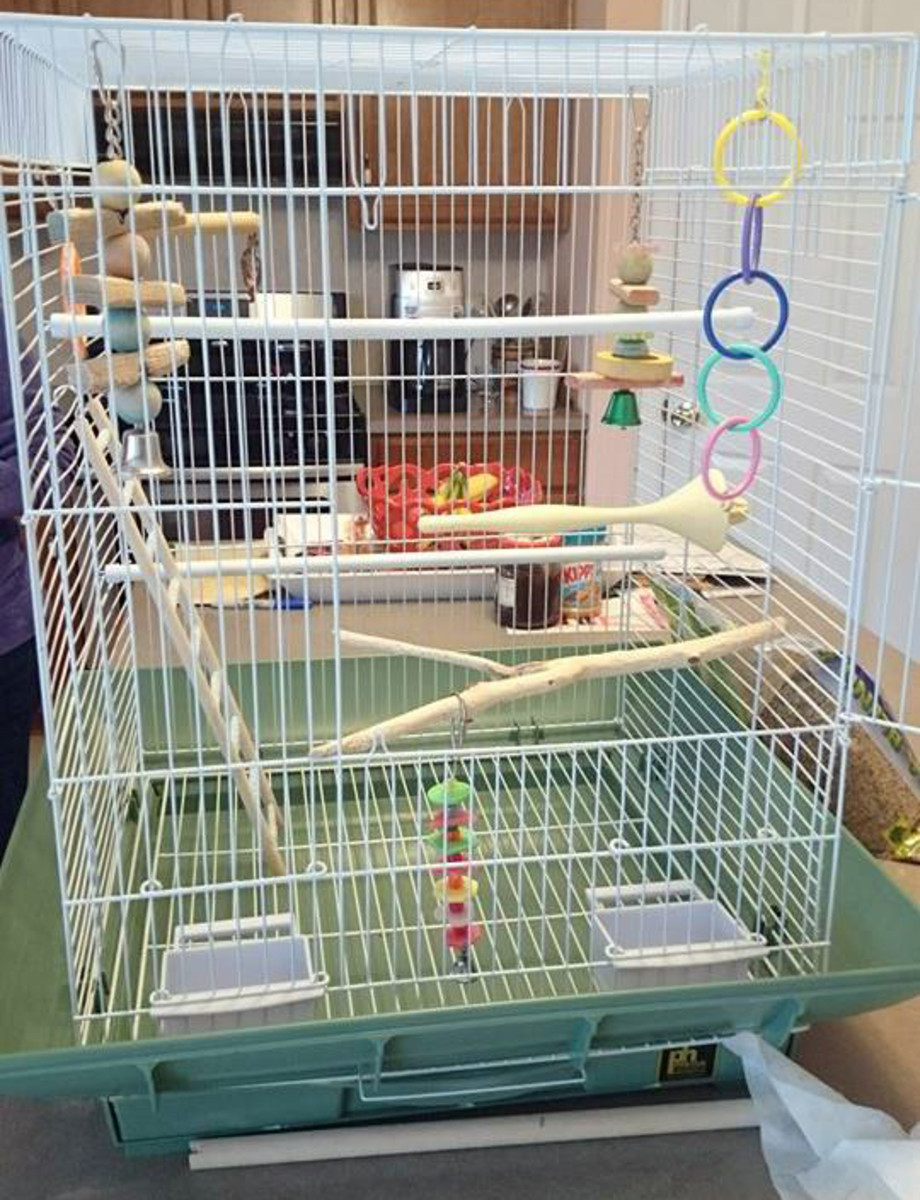
Essential accessories and layout
A smart layout prevents boredom and injury. This bird cage setup guide breaks accessories into basics, perches, feeding zones, and enrichment.
Basic essentials
- Perches — Offer 3–4 perches of varied diameter and texture placed at different heights.
- Food and water bowls — Secure, easy to reach, and away from droppings.
- Cage liners — Use paper or bird-safe liners for daily spot cleaning.
- Toys — Rotate toys weekly to keep engagement high.
Perch placement tips
- Keep perches away from food bowls to reduce contamination.
- Provide a sleeping perch that is slightly higher and quieter.
- Use natural wood perches to help trim nails and beak.
Feeding and foraging
- Fresh water daily and clean bowls frequently.
- Offer a balanced diet: seed mix or pellets plus fresh fruits and vegetables.
- Add foraging toys or hide treats to encourage natural behaviors.
Personal tip: I learned to place a swing near a side perch but not directly above a feeding dish. Mess and food contamination dropped, and my bird used the swing daily. This bird cage setup guide favors practical tweaks like that.

Bird Cage Setup Ideas by Layout
Once you’ve got the essentials in place, how you arrange them depends on your room and your bird’s habits. A few layout approaches to consider:
- Corner setup: placing the cage in a room corner gives your bird two solid walls for a sense of security, while still leaving two open sides for airflow and interaction.
- Wall-mounted or on a stand: elevating the cage on a stand or sturdy wall-mounted shelf puts your bird closer to eye level with the household, which most birds prefer to being on the floor.
- Multi-level with a play stand: pairing the cage with an adjacent play stand or tabletop perch gives supervised out-of-cage time a dedicated spot, rather than improvising a landing zone each time.
- Rotating toy zones: dividing the cage into a “feeding side” and a “play side” — food and water on one side, perches, swings, and toys on the other — cuts down on food contamination and gives the bird a clearer sense of the space.
Whatever layout you choose, keep the safety and placement guidelines above (drafts, direct sun, stable surface) as the non-negotiables — the layout ideas are about arrangement within that safe zone, not a replacement for it.
Safety and hygiene
Safety and hygiene are pillars of any bird cage setup guide. Poor cleanliness and unsafe materials can harm birds quickly. Make cleaning a routine and inspect the cage for hazards often.
Daily and weekly cleaning
* Daily — Replace water, spot-clean droppings, and remove uneaten food.
- Weekly — Wash food bowls and perches. Replace liners and scrub tray.
- Monthly — Deep clean cage with bird-safe disinfectant and rinse thoroughly.
Safety checks
- Remove toxic items — Avoid non-stick cookware fumes, lead, zinc, and certain houseplants.
- Inspect toys and perches — Replace frayed ropes and cracked wood.
- Check bar spacing and locks — Ensure they remain secure and intact.
Health signals to watch
- Changes in droppings, appetite, or activity.
- Fluffed feathers, labored breathing, or abnormal perch use.
- Sudden aggression or retreat to the bottom of the cage.
I once missed a frayed toy rope that trapped a toe. After that, my bird cage setup guide checklist included a weekly toy inspection. It prevents injuries and keeps your bird confident and active.

Daily care, training, and enrichment
A good bird cage setup guide must address the bird’s daily life. Enrichment reduces boredom and improves behavior. Training builds trust and mental stimulation.
Daily routine ideas
- Morning interaction — Offer fresh food, water, and 15–30 minutes of social time.
- Midday toys — Rotate toys and offer supervised out-of-cage play if safe.
- Evening wind-down — Dim lights or cover the cage for 10–12 hours of sleep.
Enrichment examples
- Foraging puzzles — Hide treats to encourage searching.
- Auditory stimulation — Soft music or talk time can be soothing.
- Training sessions — Short target training and trick training boost confidence.
Training tips
- Use positive reinforcement and small treats.
- Keep sessions short (5–10 minutes) and consistent.
- Reward calm behavior and gradual progress.
From my experience, consistent short training sessions are more effective than long, sporadic ones. This bird cage setup guide recommends a simple daily plan and tracks progress in a notebook.

Common mistakes and troubleshooting
This bird cage setup guide covers frequent setup errors and how to fix them. Avoid these mistakes to save your bird stress and you time.
Common mistakes and fixes
- Too small a cage — Upgrade to a larger cage; birds need flight space.
- Poor perch variety — Add natural wood and vary diameters to prevent foot issues.
- Overcrowding toys — Rotate rather than clutter the cage.
- Wrong bar spacing — Replace or modify the cage for safety.
Troubleshooting behavior
- Feather plucking — Check for stress, boredom, diet, or medical issues.
- Excessive screaming — Increase social time, enrichment, and rule out pain.
- Aggression — Adjust cage arrangement and consult a vet for persistent changes.
I once crammed too many toys into a new large cage. The bird hid more and used toys less. Spacing toys out and rotating them improved activity within days. This bird cage setup guide endorses space and rotation over quantity.
Bird Cage Setup Checklist
- Cage sized correctly for your species, with appropriate bar spacing
- Placed on a stable, elevated surface, away from drafts and direct sun
- 3–4 perches of varied diameter and texture, including one natural wood perch
- Food and water bowls secured, positioned away from perches and droppings
- 2–4 toys in rotation, including at least one foraging toy
- Cage liner or tray in place for easy daily cleaning
- All bar joints, doors, and locks checked for gaps or pinch points
- Weekly cleaning and monthly deep-clean routine scheduled

Frequently Asked Questions of bird cage setup guide
How big should a cage be for a single budgie?
A cage for a single budgie should allow full wing extension and some flight. Aim for at least 18 x 18 x 24 inches, with more space always better.
How often should I clean the cage?
Spot clean daily and do a full wash weekly. Deep clean and disinfect the cage monthly or as needed.
What perches are best for my bird?
Offer perches of varied diameters and natural wood textures. Avoid uniform plastic perches to prevent foot problems.
Can I use any toys in the cage?
Choose bird-safe materials and rotate toys weekly. Avoid small parts, toxic paints, and long loose ropes.
Where is the best place to put a bird cage?
Place the cage in a social room away from direct drafts and extreme sun. Ensure consistent noise and sleep routines for stability.
How many toys should be in a bird cage?
Two to four toys at a time is a good target, including at least one foraging toy. More than that tends to clutter the cage and can make birds more hesitant to move around — rotate in fresh toys weekly rather than adding to what’s already there.
How do I set up a cage for multiple birds?
Multiple birds need meaningfully more space than the single-bird minimums above, not just a bit more — plan for extra width rather than just extra height. Add a second food and water station so birds aren’t competing to eat, and include enough perches that each bird can claim its own spot without constant conflict.
Can I set up an outdoor bird cage or aviary?
Yes, but it needs weatherproofing and predator-proofing that an indoor cage doesn’t: secure the cage or aviary to a fixed structure so wind can’t tip it, provide a covered, shaded section for shelter from rain and midday sun, and use fine enough mesh or bar spacing to keep out mice, snakes, and other predators.
How do I set up a flight cage for a young bird?
A flight cage should prioritize horizontal space over height, since the goal is letting a young bird build flight muscles with real distance to cover rather than just room to climb. Keep perches at each end rather than the middle, so the bird has a clear flight path between them.
Conclusion
A thoughtful bird cage setup guide helps you give your bird a safe, stimulating, and healthy life. Choose the right cage, place it wisely, arrange varied perches and safe toys, and keep a simple cleaning and enrichment routine. Small, consistent changes make a big difference to your bird’s well-being. Try one new improvement this week, note the results, and share your experience or questions below — your bird will thank you.

Pingback: Bird Cage Setup Guide: Essential Tips For 2026 - pettraiers.com