
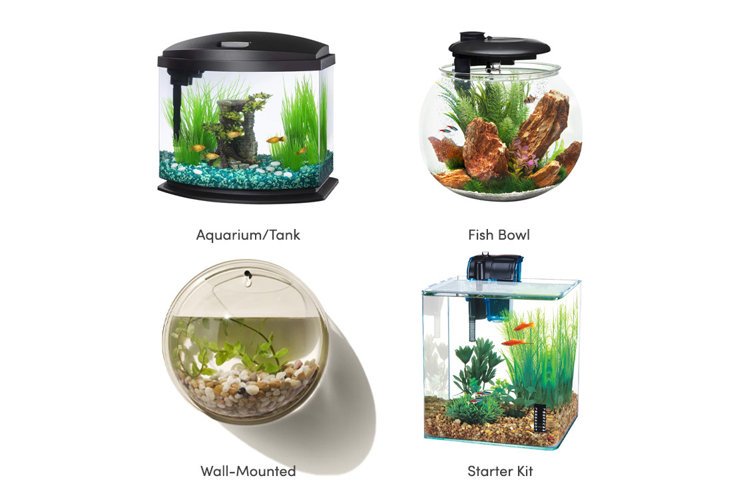
Aquarium tank types range from simple freshwater tanks to complex reef and paludarium setups.
I have kept and built many tanks over the years, from a tiny betta bowl to a 120-gallon planted show tank and a small reef. This guide explains aquarium tank types with clear, practical advice. You will learn which aquarium tank types suit your space, budget, and skill level. I blend hands-on tips with tested best practices so you can pick the right tank and set it up with confidence.
There are 11 common aquarium tank types for home fishkeeping — freshwater community, freshwater planted, cold-water, cichlid, brackish, saltwater fish-only, reef, nano, paludarium, betta, and display/show — plus a separate set of physical build styles (glass vs. acrylic, rimless vs. framed, cube vs. rectangular) that apply across all of them.

Common aquarium tank types
Below are the most common aquarium tank types, what they require, and who they suit.
- Freshwater community tanks — A simple start for most hobbyists. Suitable fish include tetras, guppies, and dwarf gouramis. Low to moderate care makes this a great first choice among aquarium tank types.
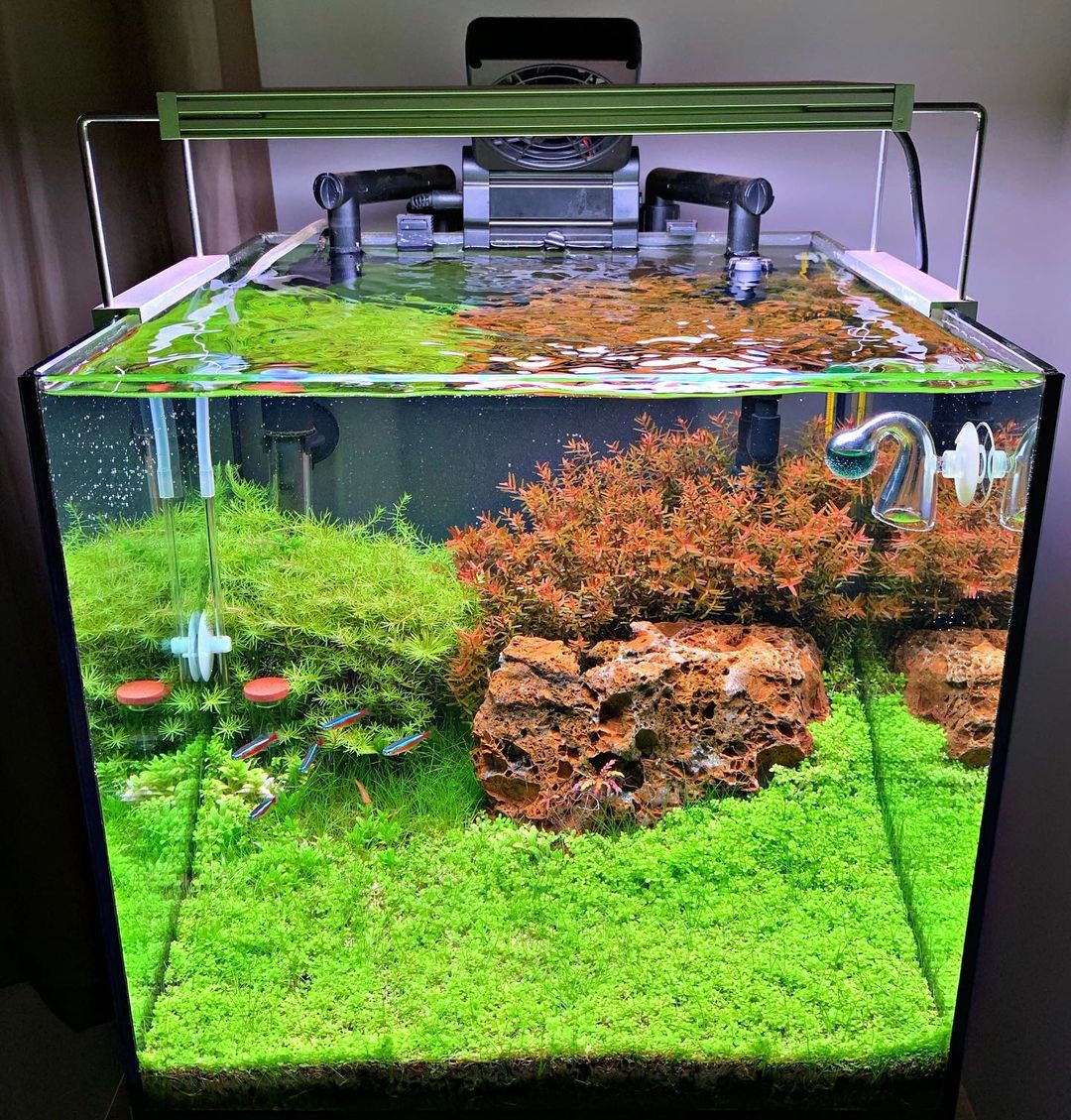
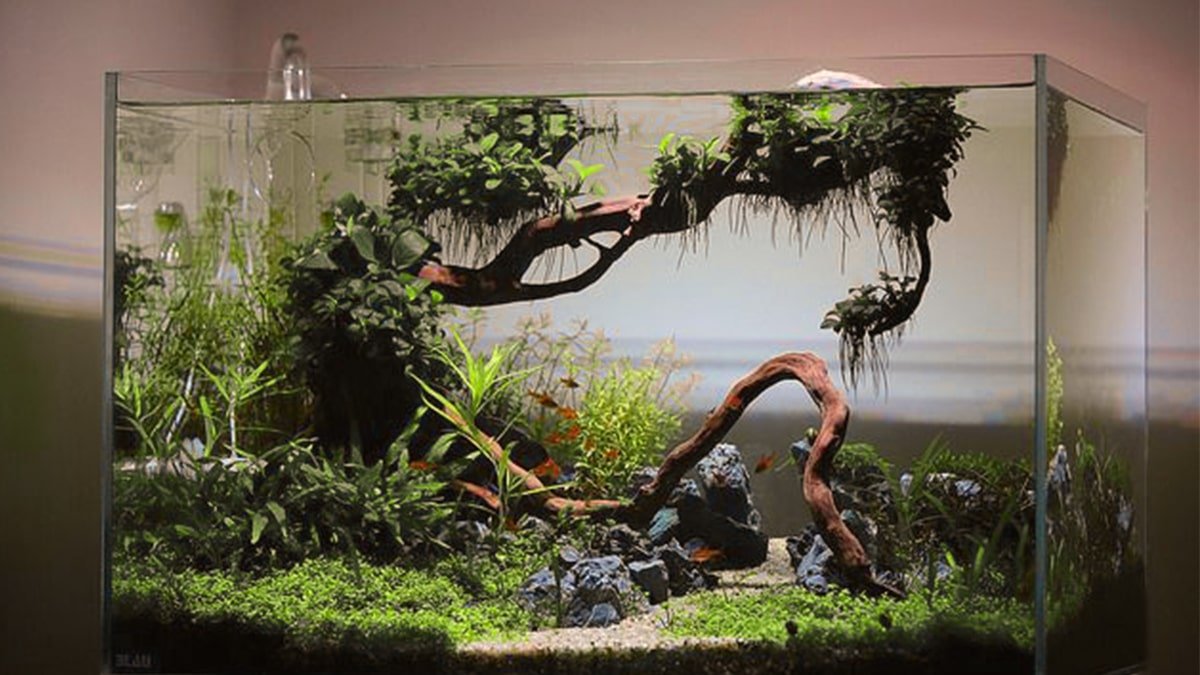
- Freshwater planted tanks — Focus on live plants and balanced lighting. Plants add oxygen and harmonize water chemistry. These aquarium tank types reward patience and give great visual impact.
- Cichlid tanks — Built for African or South American cichlids. Rockwork and strong filtration are key. These aquarium tank types need robust water flow and careful stocking.
- Brackish tanks — Mix fresh and salt water for species like mollies and archerfish. Salinity control is essential. Brackish aquarium tank types sit between freshwater and marine setups.
- Saltwater fish-only tanks — Keep marine fish without corals. Good for colorful fish like clownfish and tangs. They are easier than reef aquarium tank types but still need stable salinity.
- Reef tanks — Home to corals, anemones, and reef-safe fish. High-quality lighting and careful water chemistry are required. Reef aquarium tank types demand more skill and investment.
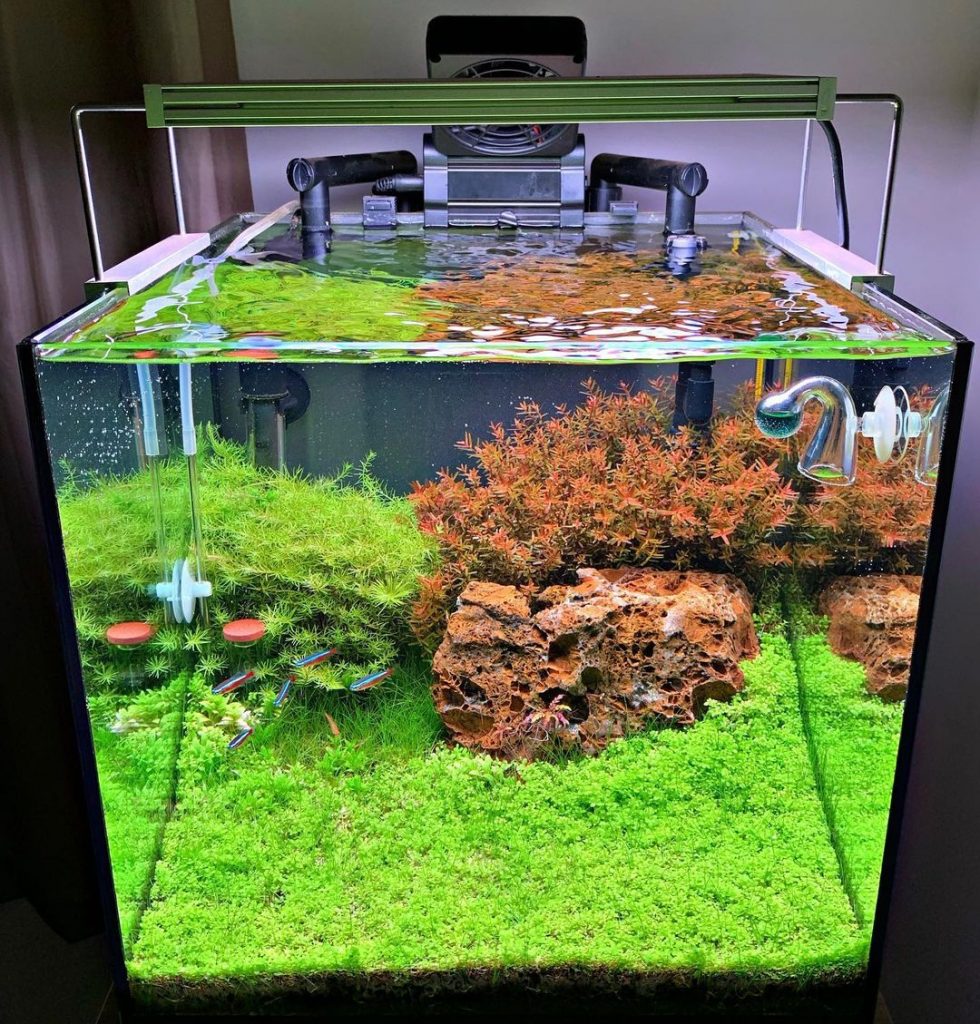
- Nano tanks — Small tanks under 20 gallons. Great for tiny spaces and low-stock setups. Many aquarium tank types include nano options for both freshwater and saltwater.
- Paludarium — Mix of land and water for amphibians or semi-aquatic plants. Requires both terrestrial and aquatic planning. Paludarium aquarium tank types are creative and niche.
- Betta tanks — Tailored for single bettas with gentle filters and warm water. Simple setups can still be beautifully planted. Betta aquarium tank types are low cost and very popular.
- Display and show tanks — Large, often custom-built, focusing on design and showmanship. They may be freshwater or marine. These aquarium tank types require planning, space, and budget.Cold-water tanks — Built for goldfish, koi, and white cloud minnows, which do best without a heater. These tanks often need stronger filtration than their size suggests, since goldfish are especially messy eaters and grow larger than most beginners expect.

Aquarium Tank Types Compared at a Glance
Here’s how the main aquarium tank types stack up side by side.
| Tank Type | Difficulty | Typical Size | Best For |
|---|---|---|---|
| Freshwater community | Beginner | 10–55 gal | First-time owners |
| Freshwater planted | Beginner–Intermediate | 10–75 gal | Plant lovers, natural look |
| Cold-water (goldfish/koi) | Beginner | 20–75 gal | No-heater setups |
| Cichlid | Intermediate | 30–75 gal | Bold color, active fish |
| Brackish | Intermediate | 20–55 gal | Unique species (mollies, archerfish) |
| Saltwater fish-only | Intermediate | 30–90 gal | Marine fish, no coral demands |
| Reef | Advanced | 30–120+ gal | Corals, biodiversity |
| Nano | Beginner–Intermediate | Under 20 gal | Small spaces (varies fresh vs. salt) |
| Paludarium | Intermediate–Advanced | 10–40 gal | Land + water, amphibians |
| Betta | Beginner | 5–10 gal | Single fish, lowest cost of entry |
| Display/show | Advanced | 75–300+ gal | Custom centerpiece builds |
Aquarium Shapes and Build Types
Beyond what you stock a tank with, aquariums also differ in how they’re physically built — and this is a separate axis from the tank types above, not a duplicate of them.
Glass vs. acrylic — Glass is scratch-resistant and cheaper at common sizes; acrylic is lighter, clearer, and better suited to very large or unusually shaped tanks, but scratches more easily.
Rimless vs. framed (rimmed) — Rimless tanks give a cleaner, more modern look with an unobstructed view; framed tanks are often more affordable and forgiving of minor imperfections in the stand or leveling.
Cube, bow-front, and rectangular — Cube tanks suit nano and display setups where depth matters; bow-front tanks add a curved viewing panel; standard rectangular tanks remain the easiest to aquascape and equip.
All-in-one (AIO) — Built-in filtration and often lighting in a single unit, popular for nano and reef starter tanks where hiding equipment separately isn’t practical.
Advantages and trade-offs of popular aquarium tank types
Understanding pros and cons helps you choose the right aquarium tank types.
- Freshwater community tanks
Advantage: Low cost and easy care.
Trade-off: Less dramatic visuals than reef tanks. - Freshwater planted tanks
Advantage: Natural look and stable water chemistry.
Trade-off: Requires proper lighting and pruning. - Cichlid tanks
Advantage: Bold colors and active fish.
Trade-off: Aggression and complex territory needs. - Brackish tanks
Advantage: Unique species not found in pure fresh or marine tanks.
Trade-off: Salinity swings mean more monitoring. - Saltwater fish-only tanks
Advantage: Colorful fish with fewer coral needs.
Trade-off: Marine salt and equipment costs. - Reef tanks
Advantage: Stunning corals and biodiversity.
Trade-off: Higher cost and precise chemistry control. - Nano tanks
Advantage: Space-efficient and fast to set up.
Trade-off: Water parameters change quickly. - Paludarium
Advantage: Combines land and water visuals.
Trade-off: Dual maintenance needs for land and water. - Betta tanks
Advantage: Inexpensive and low stock requirements.
Trade-off: Limited to one or a few small species.
Display and show tanks Advantage: Maximum visual impact and full creative and design control. Trade-off: High cost, significant space and structural support needs, and the most demanding upkeep of any type on this list.
These trade-offs show why choosing among aquarium tank types matters. Pick the one that fits your life and time.
Choosing the right aquarium tank type for you
Consider five main factors to decide which aquarium tank types match your goals.
- Space — Measure the area and choose a tank that fits both floor and stand support. Larger tanks are more stable but need more room.
- Budget — Count equipment, ongoing costs, and maintenance. Reef aquarium tank types are the most expensive long-term.
- Time — Estimate weekly care. Nano tanks need more frequent checks than larger tanks.
- Experience — Start simple if you are new. Freshwater community or betta aquarium tank types are best for beginners.
- Goals — Are you after plants, corals, or a living focal point? Match your goals to the tank type.
Quick decision steps:
- If you want low cost and low effort, pick freshwater community or betta aquarium tank types.
- If you like plants, choose a planted aquarium tank type.
- If you want dramatic color and have experience, try a reef aquarium tank type.
For families with kids: freshwater community, cold-water (goldfish), and betta tanks are the most forgiving choices — sturdy, no fragile corals to knock over, and simple enough for a child to help with feeding and basic checks under supervision. Reef tanks are a poor fit for a busy family home given the precision required in daily water chemistry.
For small spaces or apartments: nano and betta tanks are the obvious fit, but a small freshwater planted tank (10–20 gallons) can also work well and is more forgiving than a nano saltwater setup of the same size.
Setup essentials by aquarium tank type
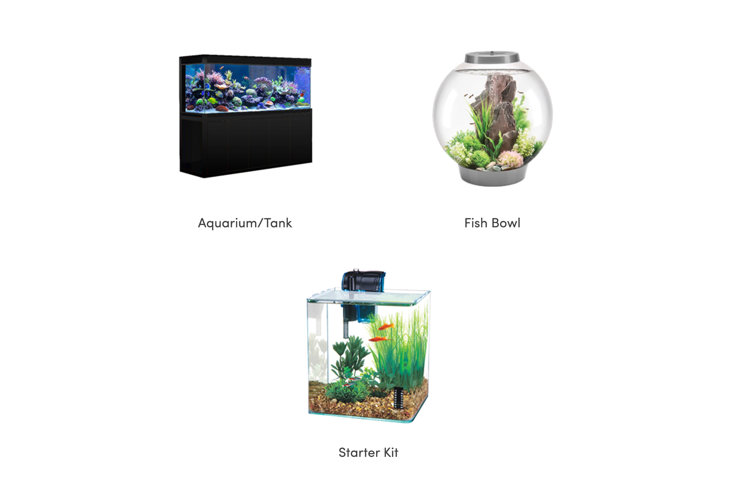
Each aquarium tank type has distinct gear and setup needs. Here are the essentials.
- Filtration
Use canister or hang-on-back filters for freshwater tanks. Sumps and protein skimmers are common for saltwater and reef aquarium tank types. - Lighting
Standard LEDs work for community tanks. High-output LEDs are needed for planted and reef aquarium tank types. - Substrate
Fine gravel or sand suits most freshwater tanks. Nutrient-rich substrates help planted aquarium tank types. Live sand or aragonite benefits marine and reef tanks. - Heating and circulation
A reliable heater keeps tropical tanks stable. Powerheads add flow for marine and reef aquarium tank types. - Water chemistry tools
Test kits for ammonia, nitrite, nitrate, pH, and salinity (for marine) are essential. Dosing equipment helps in reef aquarium tank types. - Live materials
Live plants for planted tanks and live rock for reef aquarium tank types will jump-start biological processes.
Set up slowly. Cycle the tank before adding sensitive livestock. That step applies to all aquarium tank types.

Maintenance and care by aquarium tank type
Maintenance keeps fish healthy and tanks beautiful. Frequency varies by type.
- Daily
Check lights and equipment, observe animals, and feed appropriately. This habit helps spot early problems across all aquarium tank types. - Weekly
Perform 10–30% water changes, test water, and remove debris. Nano and reef aquarium tank types often need stricter weekly care. - Monthly
Clean filters, trim plants, and inspect lighting. Replace filter media as recommended for each aquarium tank type. - Special care for reefs
Test calcium, alkalinity, and magnesium weekly. Dose supplements and manage coral placement carefully. - Algae management
Balance light and nutrients to control algae. Introduce grazers in community or reef aquarium tank types when safe.
Good maintenance is short and consistent. It prevents most common failures across aquarium tank types.Seasonal temperature swings Summer heat can push tanks near windows or in unshaded rooms above safe temperatures fast, especially for reef tanks that need stable, precise ranges. A chiller or added ventilation may be worth it for reef and cold-water setups in hot climates; freshwater community tanks are generally more forgiving of small swings.
Design, aesthetics and planting ideas
Design turns a tank into a living display. Ideas change with aquarium tank types.
- Aquascaping tips for planted tanks
Use foreground, midground, and background plants to create depth. Hardscape with driftwood or stones for natural appeal. - Reef layout basics
Build stable rock structures with open swim space and strong flow. Place corals by light and flow needs. - Nano tank styling
Choose a single focal plant or fish to avoid clutter. Keep décor minimal to reduce maintenance. - Color and contrast
Use dark substrate to make bright fish pop or light sand for a crisp look. Backgrounds and lighting influence the mood for every aquarium tank type.
Design should match maintenance ability. Simple designs can look stunning and are easier to keep.
Common mistakes and troubleshooting
Avoid common pitfalls when choosing or running aquarium tank types.
- Skipping the nitrogen cycle
Adding fish too soon causes ammonia spikes. Always cycle the tank first. - Overstocking
Too many fish stress filters and fish. Follow stocking limits for all aquarium tank types. - Cheap equipment
Low-quality lights or heaters fail fast. Invest in reliable gear from the start. - Ignoring parameters
Not testing water leads to unnoticed issues. Regular tests catch problems early. - Quick fixes and medicine misuse
Overusing medications can harm beneficial bacteria. Treat carefully and follow directions.
If a problem arises, test, change water, and reduce stressors before adding chemicals. Those steps apply across aquarium tank types.
Personal experiences and lessons learned
I have kept many aquarium tank types for over a decade. Here are real lessons from my tanks.
- I once rushed a reef tank and lost corals to poor flow. I learned to research coral needs and set up proper circulation before adding livestock.
- A 10-gallon planted nano taught me that small tanks change fast. I started doing smaller but more frequent water changes to keep parameters steady.
- I built a cichlid tank with too little rock. Fish fought and hid. Rebuilding the layout reduced aggression and improved fish health.
My core lesson: match tank complexity to your time and budget. Start simple and upgrade as you learn.
Frequently Asked Questions of aquarium tank types
What is the easiest aquarium tank type for beginners?
Freshwater community tanks and betta aquarium tank types are the simplest. They need basic equipment and are forgiving as you learn.
How much does it cost to start a reef aquarium tank type?
Initial cost varies widely but expect higher startup costs than freshwater. You need lights, a protein skimmer, live rock, and testing gear.
Can I convert a freshwater tank into a saltwater tank?
Yes, but it needs a full reset, new substrate, and equipment for salinity control. Plan a thorough cleanup and cycle before adding marine life.
How often should I perform water changes for different aquarium tank types?
Most tanks benefit from weekly or biweekly changes of 10–30%. Reef tanks often need strict schedules and additional dosing.
Are nano aquarium tank types harder to keep than larger tanks?
Nano tanks are more sensitive to parameter swings and require frequent checks. They are manageable but demand steady attention.
Do planted aquarium tank types need CO2 injection?
CO2 helps plant growth but is not always required. Low-tech planted aquarium tank types can thrive with careful plant selection and lighting.
What are the 3 main categories of aquarium?
Nearly every tank type on this page falls into one of three broad categories: freshwater (community, planted, cold-water, cichlid, betta), brackish (a mix of fresh and salt water), and saltwater (fish-only, reef). Nano, paludarium, and display tanks are really size or purpose variations within one of these three, not a fourth category.
Do different fish need different tanks?
Yes. Fish have different water chemistry, temperature, and territory needs, which is why tank types are built around specific stocking groups — a cichlid’s aggression and rockwork needs, for example, would stress out the peaceful community fish a freshwater community tank is designed around.
What’s the least common type of home aquarium?
Paludariums and true reef tanks are the least common home setups, since both demand more specialized knowledge, equipment, and ongoing monitoring than most beginners take on.
Conclusion
You now have a clear map of aquarium tank types, from easy freshwater setups to advanced reef and paludarium builds. Choose a tank that fits your space, time, and budget, and set it up with good gear and a patient approach. Start small if you are new, learn from each step, and upgrade as your skills grow. Ready to pick a tank type? Share your space and goals, and I’ll help you plan the perfect setup.
