
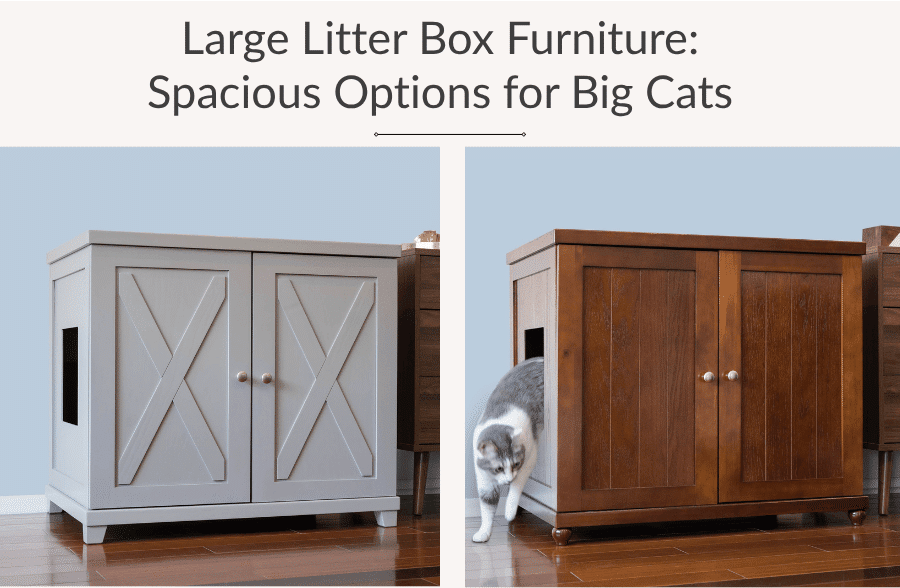
Well-designed litter furniture reduces mess, controls odor, and matches your home's style.
I have spent years designing and testing solutions for cat owners who want clean homes and happy cats. This guide dives deep into cat litter furniture needs and gives clear, actionable advice you can use today. I will share practical tips, tested ideas, and mistakes I learned from so you can find the right furniture for your cat and home.
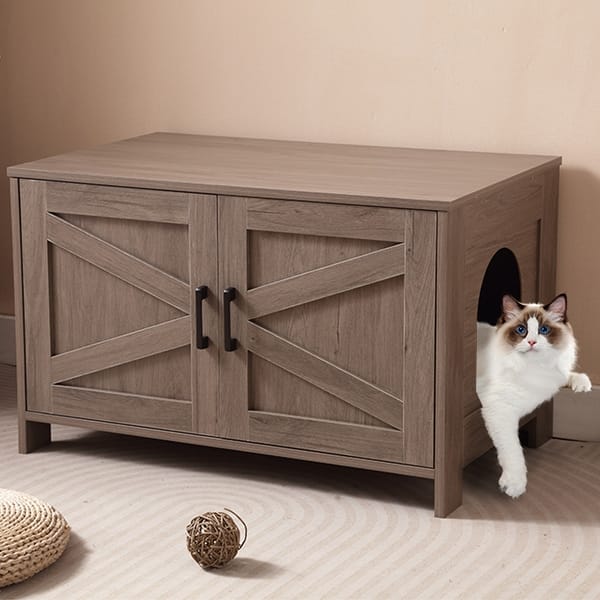
Why cat litter furniture needs matter
Cat litter furniture needs shape both the cat's comfort and your home's cleanliness. Poor design can lead to spills, bad smells, and a stressed cat. Good cat litter furniture needs include easy cleaning, proper size, odor control, and a look that fits your space. Addressing these needs reduces litter tracking and keeps cats using their box consistently.
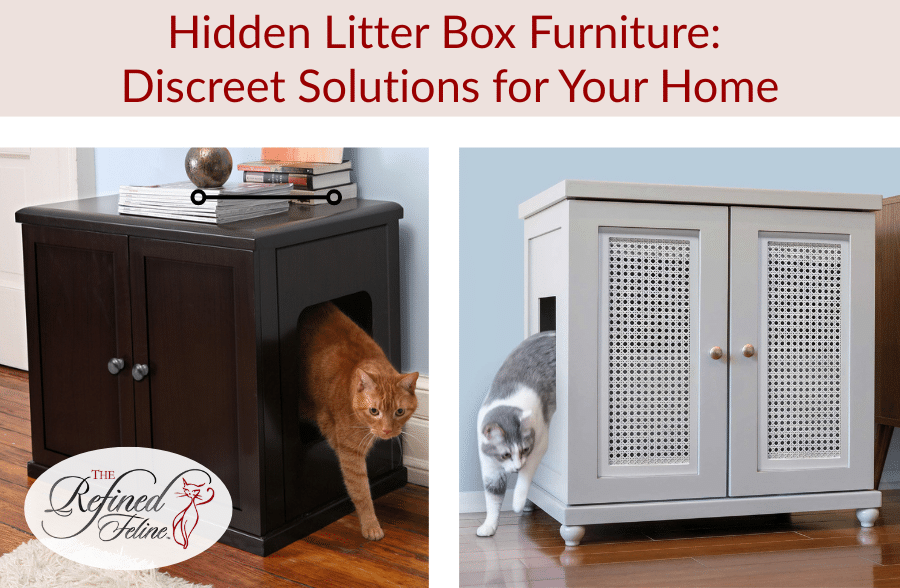
Types of cat litter furniture and what they solve
There are many styles that meet cat litter furniture needs. Here are the most common types and the problems they solve.
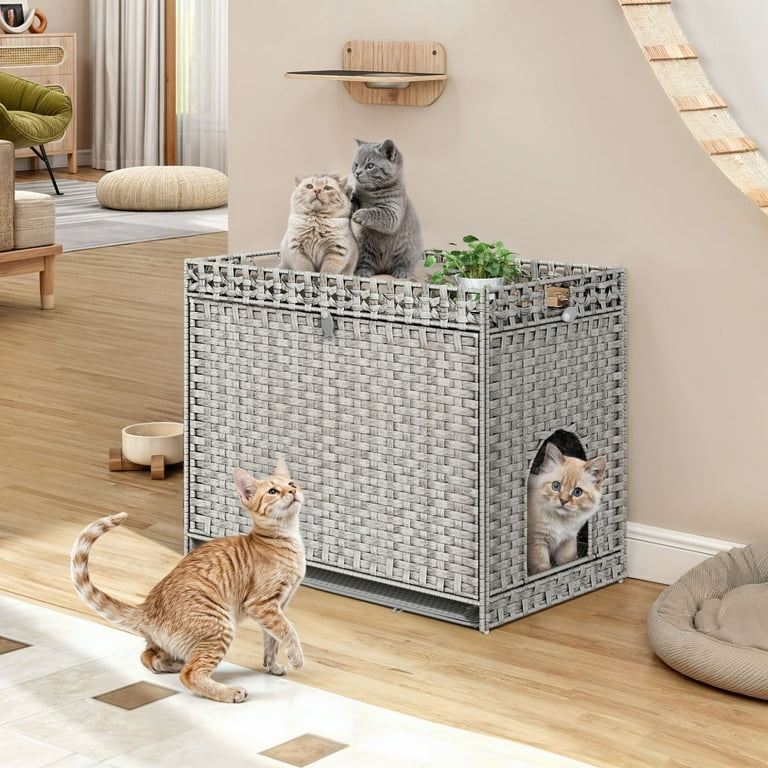
- Enclosed litter boxes with doors. They hide litter and reduce odor while offering privacy for shy cats.
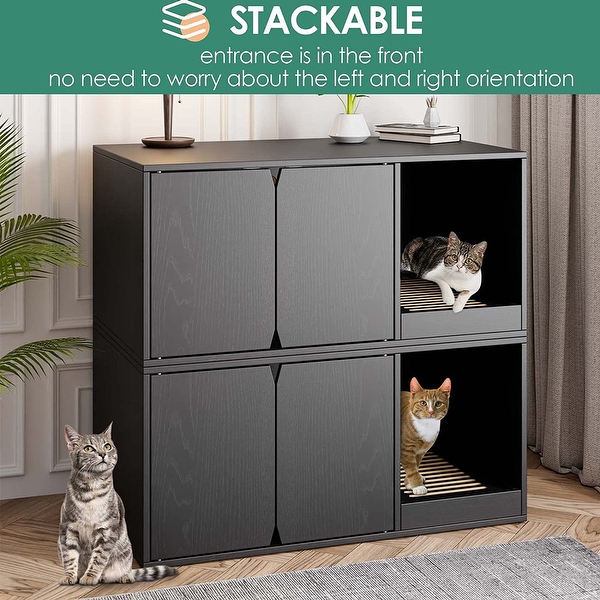
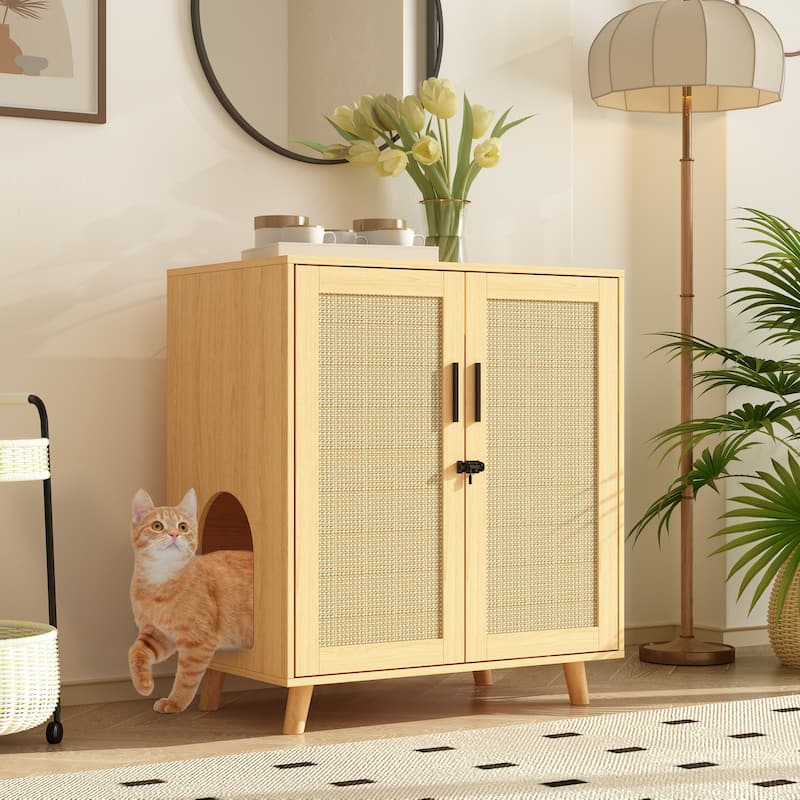
- Litter box cabinets that look like furniture. They blend into rooms and hide litter pans from guests.
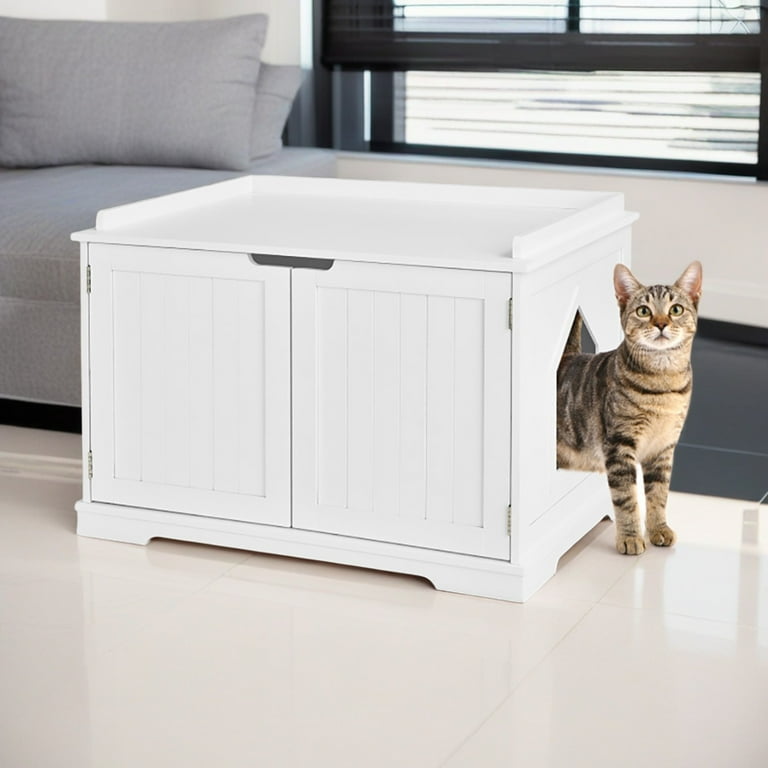
- Hidden litter boxes inside consoles or benches. They save space and offer extra seating while keeping litter out of sight.
- Under-sink or vanity-style units. They make use of awkward spaces and keep litter contained in small homes.
- Outdoor-access or flushable integrated systems. They suit larger homes and people who want minimal daily maintenance.
Each type responds to specific cat litter furniture needs such as odor control, aesthetics, space saving, or privacy. Pick the style that best matches your daily habits and your cat’s personality.
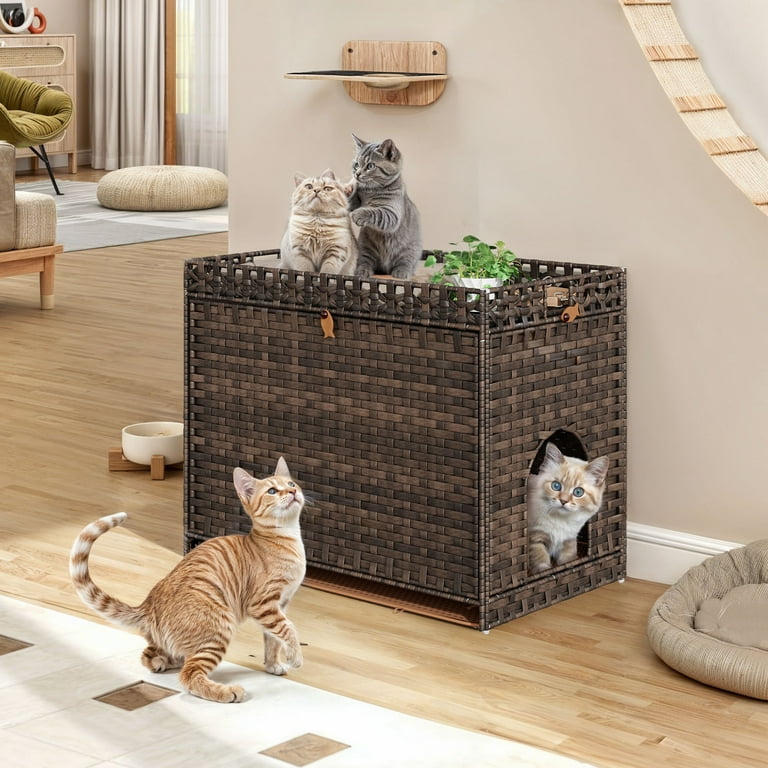
Choosing materials and finishes
Material choice is key when meeting cat litter furniture needs. Solid wood and laminated MDF are strong and look nice, but sealed surfaces resist moisture and odors best. Plastic liners or removable trays simplify cleaning and help prevent damage to the furniture. Avoid fabrics or porous woods near litter areas since they trap odors and are hard to clean.
- Look for water-resistant finishes to protect against spills.
- Choose smooth, non-porous interiors for easy wiping.
- Select hardware that allows quick removal of the litter pan.
Good materials make your furniture last longer and keep the area healthier for both you and your cat.

Placement, ergonomics, and cat behavior
Where you place litter furniture affects whether the cat will use it. Cats prefer quiet, low-traffic spots that still allow a quick escape route. Consider the following to meet cat litter furniture needs related to behavior.
- Give cats privacy but not isolation. A near-wall spot with light activity is best.
- Avoid noisy appliances and busy hallways. Loud noises can scare sensitive cats away.
- Ensure the opening is the right height for your cat. Kittens and seniors need lower entries.
Placement that respects cat instincts helps prevent accidents and reduces stress.
Maintenance, cleaning, and odor control
Cleaning plans are a large part of cat litter furniture needs. A daily scoop and a weekly full change are the basics. Use liners, washable mats, and removable trays to speed up work. For odor control, choose clumping litter, use activated-charcoal filters if your furniture supports them, and allow airflow in the cabinet.
- Scoop daily to reduce odors and encourage use.
- Wash trays with mild soap weekly to remove residue.
- Replace carbon or charcoal filters as recommended by the maker.
A clear cleaning routine keeps both the furniture and your home fresh.
Health, safety, and accessibility
Health and safety are central to cat litter furniture needs. The furniture should allow good air flow to reduce ammonia buildup. It should also be sturdy so it does not tip when a cat jumps in. For multi-cat homes, provide one litter area per cat plus one extra to meet feline preferences.
- Make sure surfaces are ventilated to avoid trapped odors.
- Avoid tight, cramped interiors for larger cats.
- Check for splinters, sharp edges, or toxic finishes.
Addressing these needs helps maintain cat health and prevents litter aversion.
DIY and customization tips I learned
I built several litter cabinets while testing designs. Small changes made a big difference for cat litter furniture needs. Use hinges that allow easy removal of tops, and install magnetic latches for quiet doors. I found that adding a pull-out tray made cleaning fast and less messy.
- Add caster wheels for mobility and easier cleaning.
- Use detachable filters and replaceable liners for odor control.
- Paint interiors with low-VOC sealant to resist moisture.
Start small when customizing. Test your cat's reaction before adding permanent changes.
Buying checklist and budget tips
A short checklist helps satisfy cat litter furniture needs without overspending. Keep these points in mind when shopping.
- Size: Ensure interior space fits your cat comfortably.
- Access: Check entry height for kittens or seniors.
- Materials: Prefer sealed, non-porous surfaces.
- Cleaning: Look for removable trays or easy access panels.
- Odor control: See if filters or vents are included.
- Style: Match the furniture to your home's décor.
Set a realistic budget. Mid-range units often balance build quality and design. If you go custom, plan for extra costs for sealants and hardware.

Frequently Asked Questions of cat litter furniture needs
How often should I clean a litter cabinet?
Clean scoopable litter daily and do a full tray wash weekly. Replace non-clumping litter every few days and clumping litter as needed when soiled.
Can enclosed litter boxes cause odor problems?
Enclosed boxes can trap odors if they lack ventilation or filters. Proper cleaning and a charcoal filter help control smells.
What size litter furniture should I buy for a large cat?
Choose a unit that allows the cat to turn around easily, ideally 1.5 times the cat’s length. Measure your cat and add space for comfort.
Is it okay to hide a litter box in a closet?
Hiding litter in a closet works if the space is well ventilated and the cat can enter easily. Avoid cramped, dusty closets where airflow is poor.
How many litter stations do I need for multiple cats?
Provide one litter station per cat plus one extra. This reduces stress and prevents competition and avoidance.
Conclusion
Well-designed pieces solve many common problems. By matching form and function, you can meet cat litter furniture needs while keeping your home neat. Start with the checklist, pick materials that are easy to clean, and place the unit where your cat feels safe. Try small changes first and watch your cat’s reaction. If you found these tips helpful, try one upgrade this week and see how it improves both your cat’s comfort and your daily routine. Leave a comment with your questions or subscribe for more pet-friendly design ideas.

Pingback: Grain Free Vs Regular Dog Food: Ultimate Guide For 2026 - pettraiers.com