Consistent, gentle training and clear routines are the best path to dog barking behavior control.
I have trained dogs for years and helped owners stop constant barking with patient, proven methods. This guide on dog barking behavior control explains why dogs bark, how to read the causes, and what steps work best. I blend real-life experience with research-backed tips so you can reduce noise and build calm habits that last.

Why dogs bark and what barking means
Dogs use barking to talk. Barking can mean fear, boredom, play, attention-seeking, alarm, or stress. To manage dog barking behavior control, you must first identify the reason. Observe when the dog barks and what triggers it.
I once worked with a small terrier that barked only at the window. After removing the view and giving short play sessions, the barking dropped fast. That taught me to look for simple triggers first.
How to assess your dog’s barking pattern
Start a simple log. Note time, trigger, length, and dog’s body language. This makes dog barking behavior control easier because you know the pattern.
Ask these quick questions:
- Does barking happen when you leave the house?
- Is the dog bored or alone for long hours?
- Is the bark loud and urgent or short and repetitive?
- Does the dog bark at people, dogs, or sounds?
This assessment helps you choose the right training plan. I use logs in my work and they reveal clear trends within a week.

Training techniques that reduce barking
Use reward-based methods. Avoid punishments that add fear. For dog barking behavior control, consistency matters more than intensity.
Key steps to train barking down:
- Teach a calm cue: Reward quiet after a cue like “enough.” Start with short quiet periods and reward.
- Desensitize triggers: Gradually expose the dog to a trigger at low intensity and reward calm behavior.
- Swap barking for a behavior: Train “go to mat” or “watch me” and reward when the dog chooses that instead of barking.
- Use time-outs sparingly: If a dog barks for attention, calmly remove attention for a short time when barking stops.
- Practice short sessions: Ten minutes twice a day beats one long, tired session.
From my experience, a clear cue plus rewards reduces barking quickly. Dogs learn fast when they see calm pays off.
Management tools and when to use them
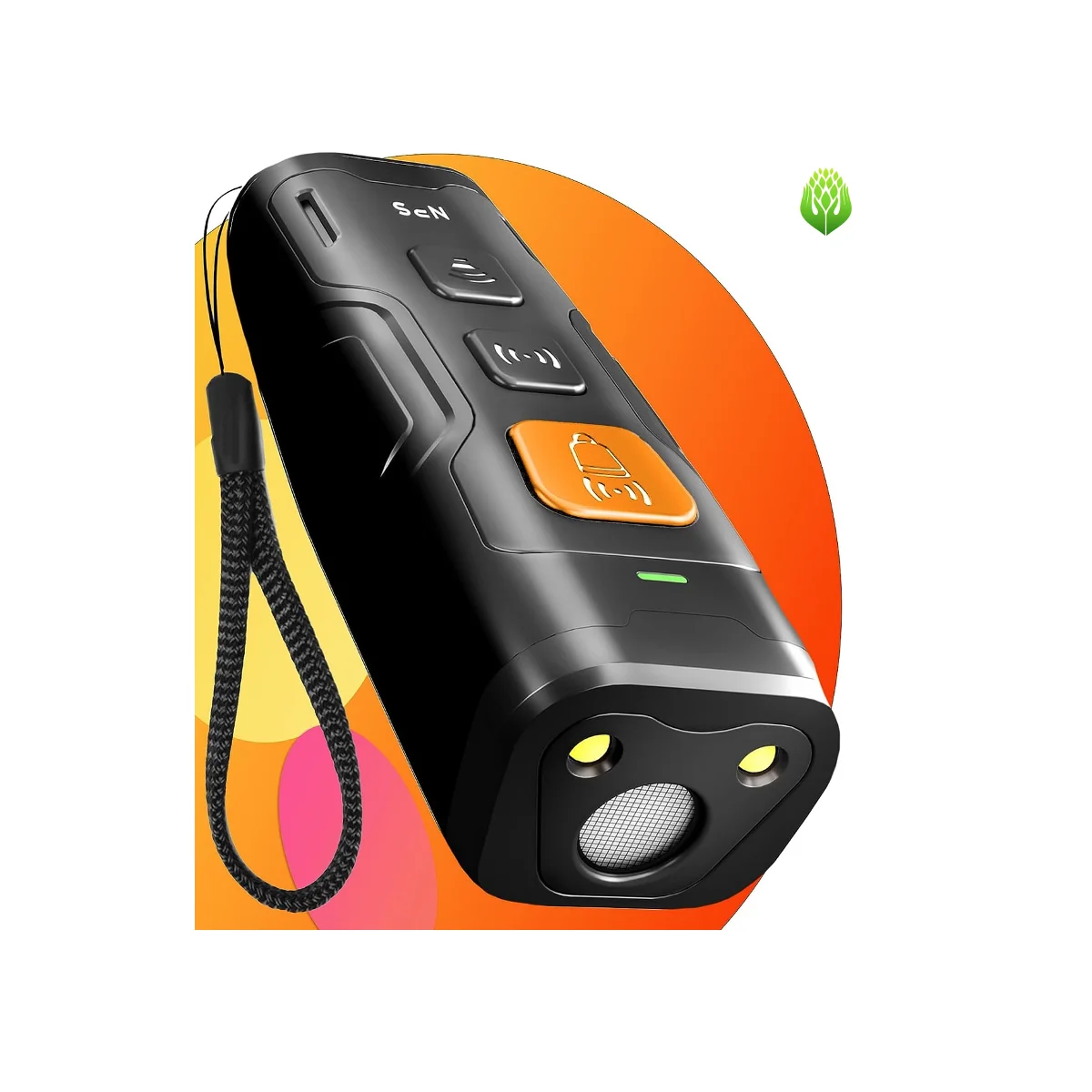
Tools can help while training works. Use humane tools only and combine them with training. For dog barking behavior control, tools are temporary aids.
Useful management tools:
- Interactive toys to reduce boredom
- Background white noise or music to mask outside sounds
- Crates or safe rooms for short feels of calm
- Head halters for better control during walks
Avoid shock collars or harsh devices. They can make anxiety worse. I have seen small improvements from puzzles and playtime more than from harsh tools.

Environmental fixes that cut triggers
Change the environment to lower triggers. Small changes can yield big drops in barking. For dog barking behavior control, consider the dog’s daily life and reduce stress points.
Practical changes:
- Close blinds or use privacy film to block window triggers
- Increase exercise to lower excess energy
- Schedule short, frequent breaks for dogs left alone
- Use scent and chew treats in a crate for calm association
A tired dog barks less. I recommend at least one longer walk and two short play breaks each day for most dogs.

When barking is a medical or anxiety issue
Sometimes barking stems from pain, cognitive decline, or severe anxiety. If barking starts suddenly or gets worse, check with a vet. For dog barking behavior control, rule out health causes first.
Signs a vet check is needed:
- Sudden onset of loud or constant barking
- Barking with signs of pain or change in appetite
- Restless pacing, whining, or night barking with older dogs
If a vet rules out health issues, a behaviorist can help with an individualized plan. I have worked with vets and behaviorists to create effective multi-step plans for anxious dogs.

Long-term plan to prevent relapse
A plan keeps progress. For lasting dog barking behavior control, combine training, environment, and routines. Consistency prevents old habits from returning.
Build your plan with these steps:
- Maintain short daily training sessions
- Keep exercise and enrichment consistent
- Monitor triggers and update the log monthly
- Reinforce calm cues and reward quiet often
- Reassess tools and reduce them when success begins
I use a weekly checklist with my clients. It keeps owners on track and dogs calmer over months.

Common mistakes to avoid
Avoid quick fixes and mixed signals. Small owner habits can undo progress fast. For strong dog barking behavior control, be patient and steady.
Mistakes I’ve seen:
- Rewarding barking with attention even if it is scolding
- Using punishment that increases fear
- Skipping short training sessions
- Ignoring medical checks for sudden changes
Fix these and you will see steady gains in weeks, not months.
Frequently Asked Questions of dog barking behavior control
What is the fastest way to stop excessive barking?
Start with identifying the cause, then use reward-based training and remove triggers. Consistency and short daily practice give the fastest, lasting change.
Are bark collars effective for control?
Some collars work short term but can cause fear or stress. Use them only under professional guidance and combine with positive training.
How long does it take to see improvement?
Many dogs show change in 2 to 4 weeks with consistent training and environmental fixes. Complex anxiety may take longer and need a behaviorist.
Can exercise alone stop barking?
Exercise helps reduce energy and boredom but it rarely solves barking on its own. Combine exercise with training and enrichment for best results.
When should I get a professional behaviorist?
Seek a behaviorist if barking is severe, sudden, or tied to anxiety or aggression. A behaviorist will create a tailored plan and work with your vet if needed.
Conclusion
You can reduce barking with a clear plan. Start by finding the reason, use reward-based training, fix the environment, and seek help when needed. Small, steady steps make big changes in dog barking behavior control.
Take action today: pick one trigger to track, start a five-minute quiet-cue training, and stick to it for two weeks. Share your progress or questions below to get feedback and next steps.