
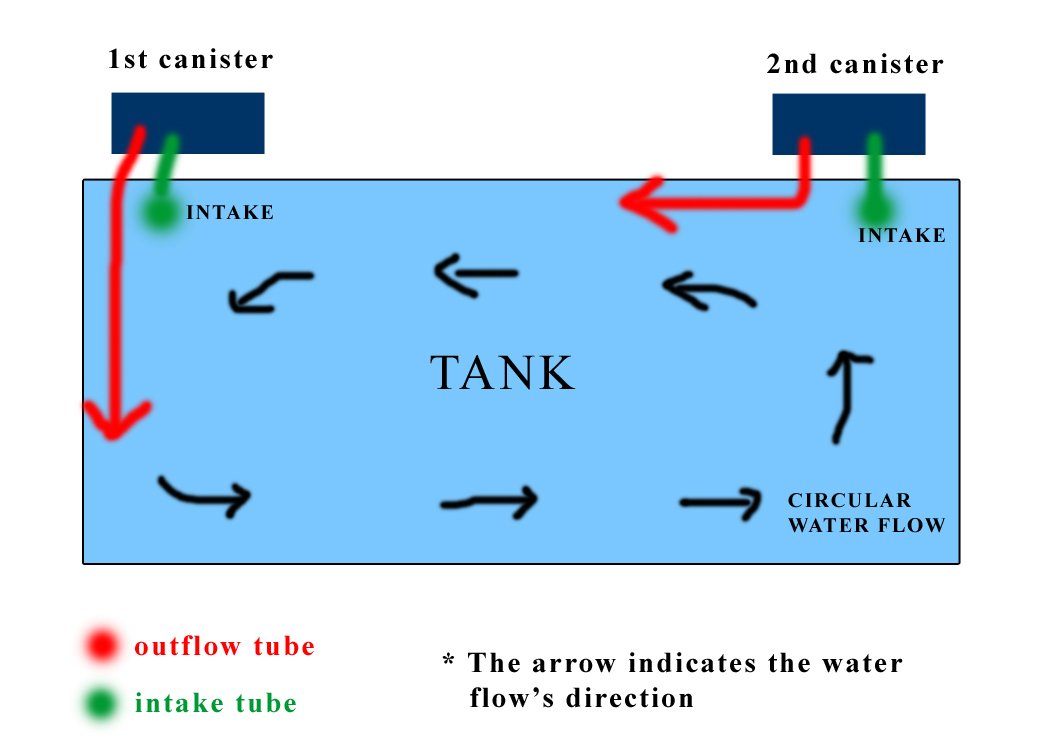
Aquarium water circulation moves water to supply oxygen, remove waste, and keep tanks healthy.
I have designed and maintained dozens of tanks and I know how vital good flow is. This guide explains aquarium water circulation in plain terms. You will learn why it matters, how to measure it, how to avoid common mistakes, and how to set up great flow for any tank.

Why aquarium water circulation matters
Aquarium water circulation keeps oxygen moving. It moves debris to filters and prevents dead spots. Good circulation helps beneficial bacteria and keeps fish healthy. Poor aquarium water circulation can cause algae, low oxygen, and sick animals.
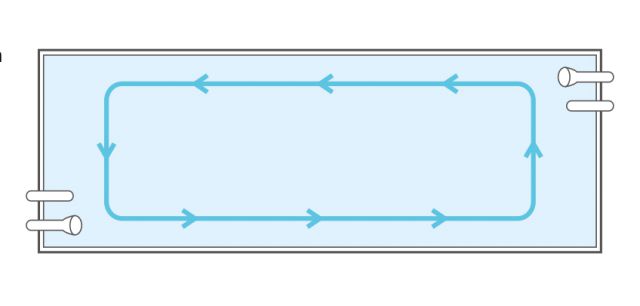
How aquarium water circulation works
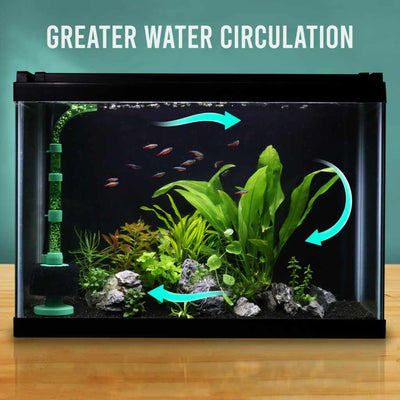
Water moves through pumps, powerheads, and filters. Pumps push water across media and through the tank. Powerheads create surface flow and currents. Air stones add bubbles that move water and increase oxygen exchange.

Key components that create circulation
- Water pump: Moves water through filters and returns it to the tank.
- Powerhead: Creates targeted currents inside the tank.
- Filter return: Sends cleaned water back into the aquarium.
- Air stone or diffuser: Adds oxygen and gentle movement.
- Plumbing and hoses: Direct flow in larger systems.

Measuring and sizing aquarium water circulation
Aim for a turnover rate of 4 to 10 times tank volume per hour for most tanks. For reefs, aim higher—10 to 20 times per hour. Use gallons per hour (GPH) or liters per hour (LPH) ratings on pumps. Account for head pressure and fittings that reduce flow.

Flow patterns and placement tips
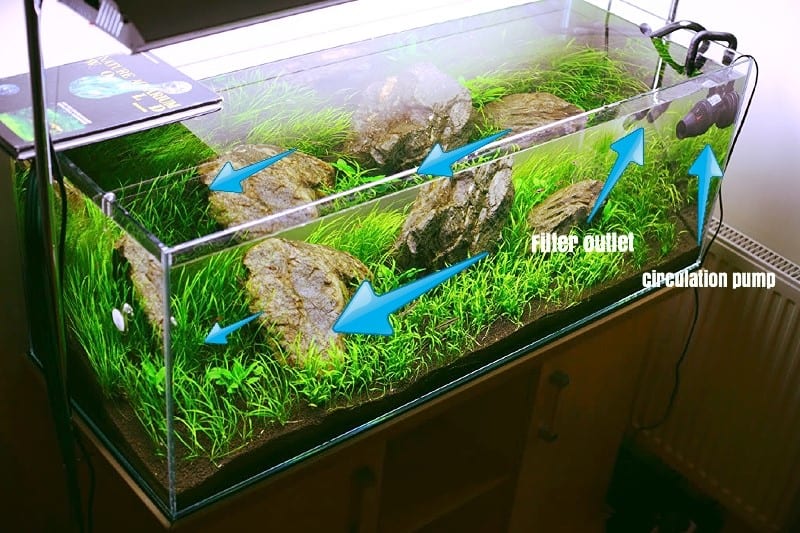
Place returns so water sweeps across the substrate and toward the filter. Avoid directing flow straight at shy fish or plants that dislike strong current. Create gentle surface flow to break surface tension and improve gas exchange. Use multiple smaller pumps rather than one big one for more natural flow patterns.
Common problems and troubleshooting
- Dead zones: Low flow areas accumulate waste and cause algae. Move a powerhead or adjust return direction.
- Too much flow: Fish may struggle and plants can uproot. Reduce pump speed or add flow deflectors.
- Noisy flow: Check for air in the pump, worn impellers, or loose fittings. Clean and re-seat parts.
- Uneven filtration: Ensure intake and return locations promote even circulation.

Practical setup examples
- Small freshwater tank (10–20 gallons): Use a hang-on-back filter and one small powerhead. Aim for 4–6x turnover.
- Planted tank: Use gentle flow across the leaves and moderate turnover to avoid uprooting plants. CO2 injection needs even circulation.
- Reef tank: Use a return pump and at least one wavemaker. Aim for 10–20x turnover and varied currents.
- Large tank or sump setup: Place the sump return to create a steady sweep to the overflow and back to the return pump.
Maintenance and routine checks
- Clean impellers and tubes monthly to keep flow steady.
- Replace pump seals and worn parts as needed.
- Monitor flow visually and with simple markers like floating foam.
- Test oxygen and ammonia levels regularly when changing flow.
My real-life lessons and tips
I once ran a 75-gallon tank with poor circulation and faced constant algae. Moving a single return and adding a wavemaker stopped the problem. Lesson learned: small flow changes can fix big issues. Start simple, test one change, and observe results for a week.
Equipment recommendations and selection tips
- Choose pumps with adjustable flow if possible.
- Match pump specs to tank volume and head height.
- For reefs, consider multiple controllable wavemakers to mimic natural currents.
- Use pre-filters or sponge intakes to protect small livestock.
Energy and cost considerations
Higher flow uses more power but can improve health and cut costs from lost livestock. Compare pump efficiency and run-time. Consider timers or controllers to vary flow and save energy.
Frequently Asked Questions of aquarium water circulation
What is the ideal flow rate for a freshwater community tank?
Aim for 4 to 6 times the tank volume per hour. Adjust based on fish and plants that prefer lower or higher flow.
How often should I clean my pump and powerheads?
Clean small parts monthly and do deeper maintenance every 3 to 6 months. More frequent cleaning is needed in heavily stocked tanks.
Can too much circulation harm fish?
Yes. Strong constant flow stresses many species and can exhaust them. Provide calm areas or reduce flow near resting spots.
How do I reduce dead spots in my aquarium?
Add a powerhead or reposition returns to create sweeping currents. Multiple smaller flow sources work better than one strong stream.
Does circulation replace filtration?
No. Circulation moves water to filters but does not replace biological or chemical filtration. Good circulation supports filtration but both are needed.
Will air stones help aquarium water circulation?
Air stones add gentle movement and improve oxygen exchange. They are not a substitute for pumps but are a useful supplement.
Conclusion
Good aquarium water circulation is simple but vital. It brings oxygen, moves waste to filters, and creates stable conditions for fish and plants. Start with proper pump sizing, sensible placement, and regular maintenance. Try one change at a time and watch how your tank responds. If you liked this guide, leave a comment, subscribe for updates, or test your tank’s flow and make small improvements today.
