
Feed puppies small, regular meals by age to support steady growth and healthy digestion.
I’ve helped dozens of new puppy owners create reliable routines, and this puppy feeding schedule guide brings clear, practical steps you can use today. This guide explains age-based schedules, portioning, food choices, and real-life tips from experience so you can keep your pup growing strong and happy. Read on to get a simple plan you can trust and adapt.
Why a puppy feeding schedule guide matters
A good puppy feeding schedule guide prevents digestive upset and supports healthy growth. Puppies have fast metabolisms and small stomachs. They need nutrient-dense food given at regular times. A consistent schedule also helps house training and behavior. From my experience, a predictable routine calms puppies and reduces begging.

Puppy feeding schedule guide by age
Puppies change fast. Use age to decide meal frequency and portion sizes. Below are clear schedules you can follow.
- 6 to 12 weeks: Four meals per day. Feed small portions of puppy-formula food. This keeps blood sugar steady.
- 3 to 6 months: Three meals per day. Increase portions as directed on your food label. Growth slows but nutrient needs stay high.
- 6 to 12 months: Two to three meals per day depending on breed. Large breeds may stay on three meals until 12–18 months.
- 12 months and older: Transition to an adult schedule of two meals per day unless your vet suggests otherwise.
Tips for timing
- Feed at roughly the same times each day. Aim for morning, midday, late afternoon, and evening when feeding four times.
- Keep meal windows short. Give food for 15–20 minutes then remove any leftovers.
- Adjust frequency for naps and activity. High-energy puppies may need consistent timing around play.
From my experience, small stray pups became calmer when I moved feeding to fixed times. A regular schedule also made it easier to predict bathroom breaks.

How to choose food and set portions in your puppy feeding schedule guide
Choosing the right food is essential. Look for complete puppy formulas and check feeding guidelines. Calories per cup vary widely. Use body condition, not just the bag label.
How to pick food
- Choose a puppy-specific formula with balanced protein and fat. This supports growth and brain development.
- Consider breed size. Large-breed puppy formulas control calcium and phosphorus to reduce joint problems.
- Prefer named meat sources and avoid fillers as the main ingredient.
How to calculate portions
- Start with manufacturer recommendations based on weight and age. Then adjust by monitoring weight and body shape.
- Use a kitchen scale or measuring cup for accuracy. Small errors add up fast.
- If your puppy gains too fast, reduce portions slightly. If your puppy is too thin, increase by 5–10%.
Practical example
- A 10-week-old 8-pound puppy often needs 3 to 4 small meals totaling the recommended calories. Divide the daily calories across the number of meals.
- I once helped a client with a 12-week-old lab. We tracked weight weekly, adjusted portions, and avoided overfeeding by 10% to prevent rapid growth.
Feeding routines, mixing wet and dry, and treats in the puppy feeding schedule guide
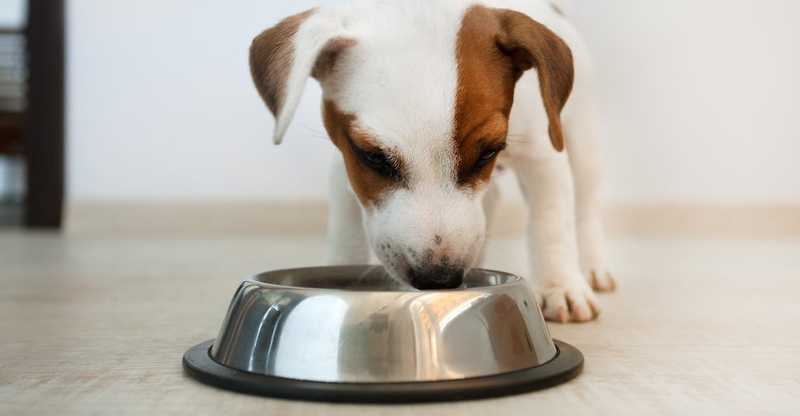
Routines help digestion and training. Decide early whether you’ll use dry kibble, wet food, or a mix. Be consistent to avoid tummy trouble.
Feeding routines
- Keep bowls in the same quiet spot. Puppies thrive on predictability.
- Use a calm approach. Put food down, let the pup eat, and remove the bowl after the set time.
- Maintain water access at all times.
Mixing wet and dry
- Mix small amounts of wet food into dry kibble to increase palatability. Gradually change mixes over several days.
- If switching brands or types, perform a 7–10 day transition: 75/25, 50/50, 25/75, then full change.
- Avoid sudden switches that cause diarrhea.
Treats and training
- Limit treats to 10% of daily calories. Too many treats upset weight and nutrition balance.
- Use small, low-calorie treats for training sessions.
- Reserve meals for main nutrition and treats for teaching or rewards.
From personal practice, I used kibble for main meals and tiny soft treats for training. This balance kept my puppies focused and at healthy weights.

Troubleshooting common problems in the puppy feeding schedule guide
Puppies can have hiccups. This section helps you troubleshoot vomiting, picky eating, and weight issues.
Loss of appetite
- Rule out illness by checking for fever, lethargy, or diarrhea. If present, see a vet.
- Try warming food slightly or offering a bland option for a day. Keep meal times consistent.
- If the puppy constantly refuses food, seek veterinary advice.
Vomiting or diarrhea
- Stop feeding for a few hours but keep water available. Resume with bland food like boiled chicken and rice in small amounts.
- If vomiting or diarrhea continues beyond 24 hours, contact your vet.
Rapid weight gain or loss
- Weigh your puppy weekly. Adjust portions based on growth charts and body condition.
- For rapid gain, reduce portions slightly and increase activity under veterinary guidance.
- For weight loss, increase calories and consult your vet to rule out health issues.
Behavioral issues
- Begging often means inconsistent feeding or too many treats. Stick to the schedule.
- Food guarding can be managed with training and positive reinforcement.
Transitioning from puppy food to adult food in the puppy feeding schedule guide
Timing depends on breed size. Small breeds mature faster; large breeds need longer puppy diets.
When to switch
- Small breeds: around 9–12 months.
- Medium breeds: around 12 months.
- Large and giant breeds: 12–18 months.
How to transition
- Use a gradual transition over 7–10 days. Mix increasing amounts of adult food into puppy food.
- Monitor weight and stool quality. Adjust the transition pace as needed.
My experience with a large-breed puppy showed that waiting until 15 months prevented joint stress. We transitioned slowly and kept a close eye on weight.
Creating a sample daily puppy feeding schedule guide
Here are sample routines to follow. Adjust by age, breed, and vet advice.
Sample for 8-week-old puppies
- 7:00 am: Meal 1
- 11:00 am: Meal 2
- 3:00 pm: Meal 3
- 7:00 pm: Meal 4
Sample for 4-month-old puppies
- 7:00 am: Meal 1
- 1:00 pm: Meal 2
- 6:00 pm: Meal 3
Sample for 9–12 month-old dogs
- 7:30 am: Meal 1
- 6:00 pm: Meal 2
Tips to keep the schedule
- Use alarms until the routine is established.
- Keep feeding and potty schedules linked for easier housetraining.
- Track food and weight in a small journal for the first few months.
Puppy feeding schedule guide: special considerations
Some puppies need special attention. This section covers allergies, medical diets, and multiple-puppy households.
Allergies and intolerances
- Food allergies often show as itchy skin, ear infections, or chronic diarrhea. Allergy testing or diet trials help identify causes.
- A hypoallergenic or limited-ingredient diet might be necessary under vet guidance.
Medical diets
- Follow vet prescriptions for puppies with conditions like pancreatitis, kidney issues, or growth problems.
- Never switch medical food without veterinary approval.
Multiple puppies
- Feed separately to prevent stealing and ensure each pup gets the right amount.
- Use shallow, supervised feeding areas and consider microchip feeders for problem eaters.
Frequently Asked Questions of puppy feeding schedule guide
What is the best age to start a feeding schedule?
Start a consistent feeding schedule as soon as you bring your puppy home. Early routine helps digestion, training, and bonding.
How many meals should a 3-month-old puppy eat?
A 3-month-old puppy should typically eat three meals per day. Adjust portions based on weight and your vet’s advice.
Can I free-feed my puppy?
Free-feeding is not recommended for most puppies because it can cause overeating and poor bathroom training. Scheduled meals are better for weight control and routine.
How do I know if my puppy is getting too much food?
Watch body condition and weight trends. If your puppy looks round or gains rapidly, reduce portions and consult your vet.
Are human foods safe to add to a puppy’s diet?
Many human foods are unsafe. Stick to puppy-safe foods and treats, and avoid toxic items like chocolate, grapes, onion, and xylitol.
How long should I wait after feeding before exercise?
Wait about 30 to 60 minutes for light play and two hours for vigorous exercise. This reduces the risk of bloat, especially in deep-chested breeds.
When should I change the brand of puppy food?
Only change brands when necessary or when growth stages require it. Always transition gradually over at least 7–10 days to limit upset stomachs.
Conclusion
A well-planned puppy feeding schedule guide helps your pup grow healthy, learn faster, and behave better. Use age-based meal frequencies, choose appropriate food, and adjust portions by monitoring weight and energy. Start a routine now, track progress each week, and consult your vet for personalized advice. Try one schedule for two weeks and note improvements in mood, digestion, and training—then share your results or questions below.
