
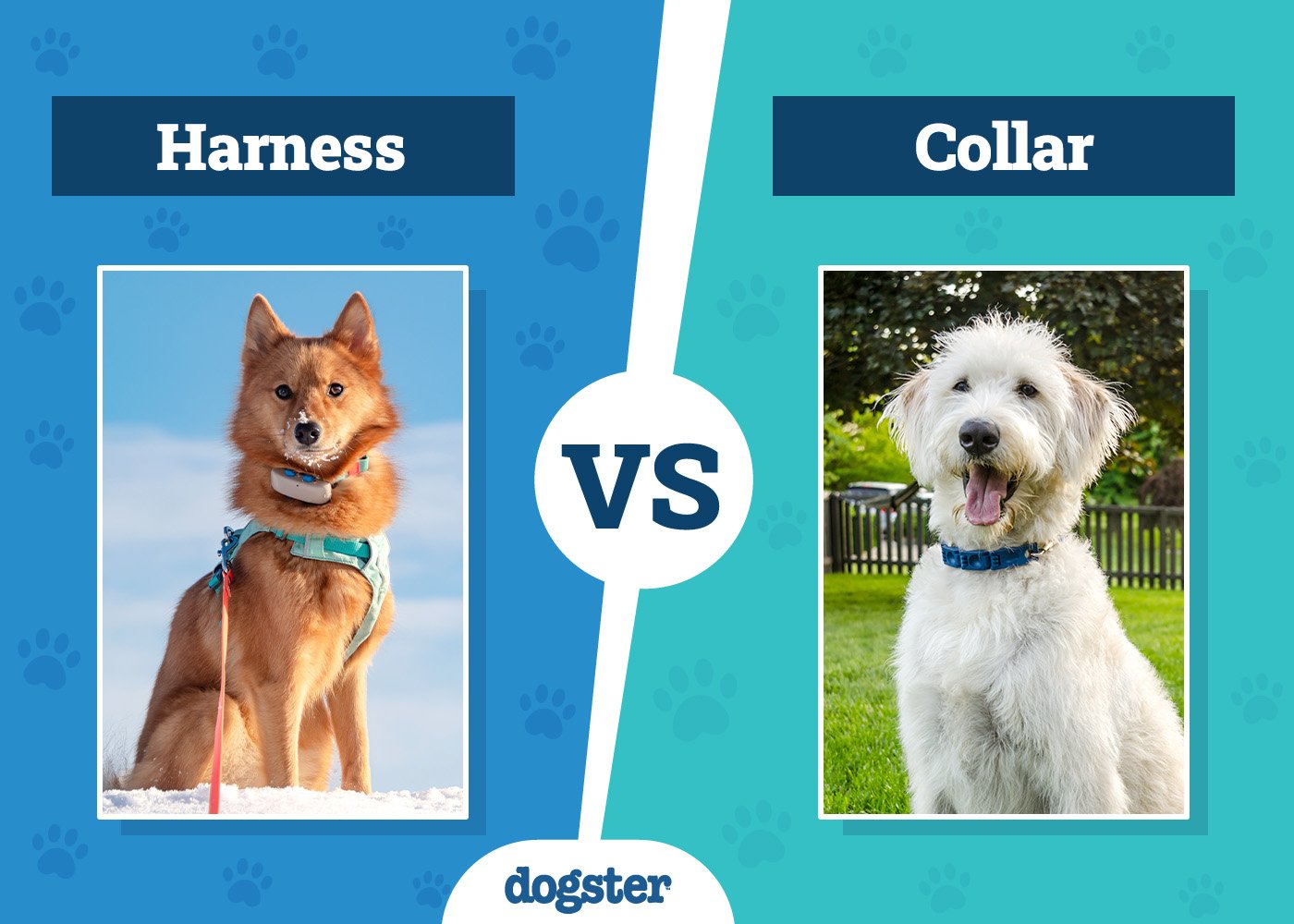
Harnesses ease neck strain; collars hold ID and work for calm, light walking.
I have worked with dogs as a trainer and owner for years. I have tested many setups and fixed common mistakes. This guide on dog harness vs collar draws on hands-on experience and research. Read on to learn which option fits your dog, when to switch, and how to fit gear safely.
Dog harness vs collar: understanding the basics
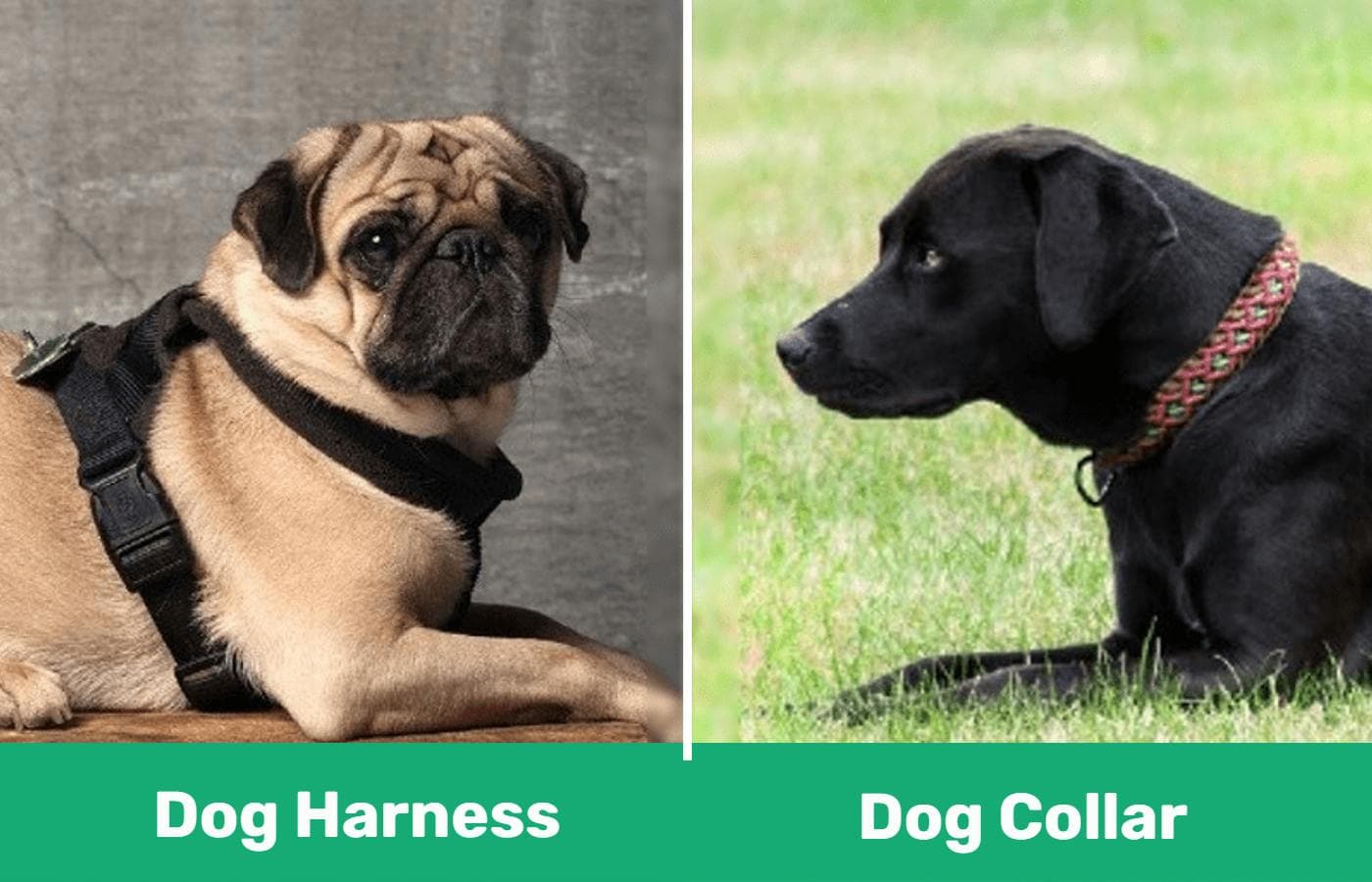
A collar is a band that sits around the dog’s neck. It holds ID, tags, and a leash for short walks. A harness fits around the chest and shoulders. It spreads pressure away from the neck and gives more control. Comparing dog harness vs collar means weighing safety, comfort, and training needs.
Pros and cons: harness vs collar
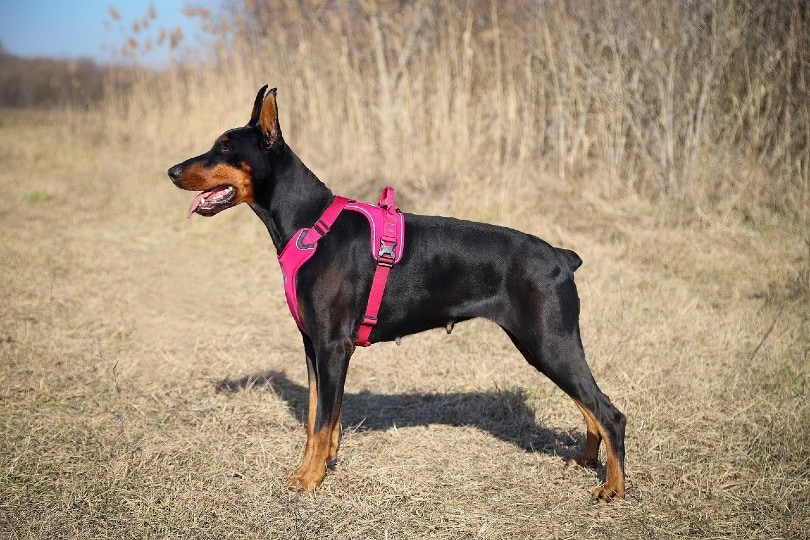
Pros of harnesses
- Reduces neck and throat strain for pullers and small dogs.
- Offers more control for strong or reactive dogs.
- Good for brachycephalic breeds and dogs with tracheal issues.
- Many harnesses have seatbelt attachments for car safety.
Cons of harnesses
- Can be bulky in hot weather.
- Poor fit can rub or restrict shoulder movement.
- Some dogs learn to pull with back-clip harnesses.
Pros of collars
- Simple to use and easy to put on.
- Best place for ID, rabies tags, and quick identification.
- Lightweight and cooler in warm weather.
- Useful for dogs trained to walk nicely on a loose leash.
Cons of collars
- Can injure the neck if the dog pulls hard.
- Not ideal for dogs with respiratory or neck issues.
- Choke and prong collars can cause pain and harm when misused.
Comparing dog harness vs collar comes down to your dog’s needs, health, and training level.
Safety and health considerations
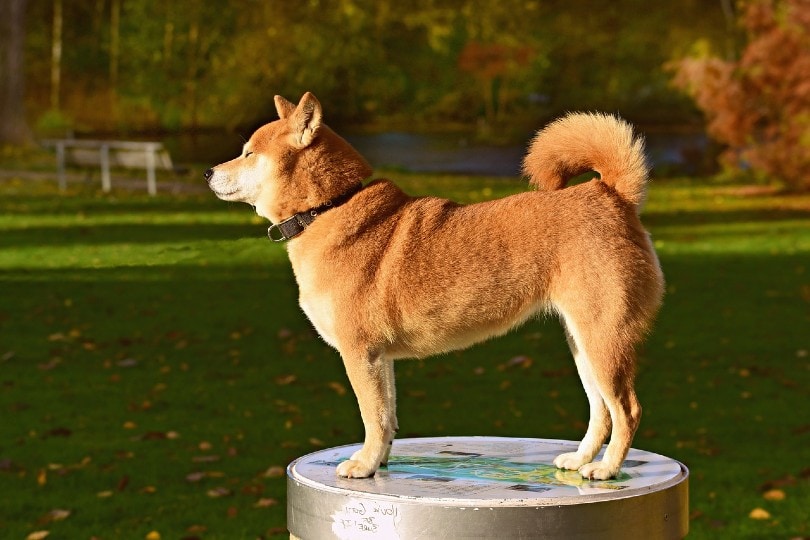
Think of the neck as a highway for the airway and spine. Pressure there can cause damage. Harnesses reduce that pressure. But a harness that binds the shoulders can limit stride. For small breeds, collars can damage the trachea. For strong pullers, collars can cause neck pain and spinal strain.
Medical notes to consider
- Dogs with collapsed trachea or neck issues do better in harnesses.
- Brachycephalic dogs often need harnesses to keep airways open.
- Active working dogs need harnesses that allow full shoulder motion.
Always watch for rubbing, chafing, or limping after using new gear. If you see wounds or changes in gait, stop and reassess the fit.
When to use a harness
Use a harness when:
- Your dog pulls hard on the leash.
- Your dog is a puppy still learning leash manners.
- You have a small or short-nosed breed at risk for tracheal issues.
- You need more control in busy areas or near traffic.
- You want a tether point for car safety or hiking.
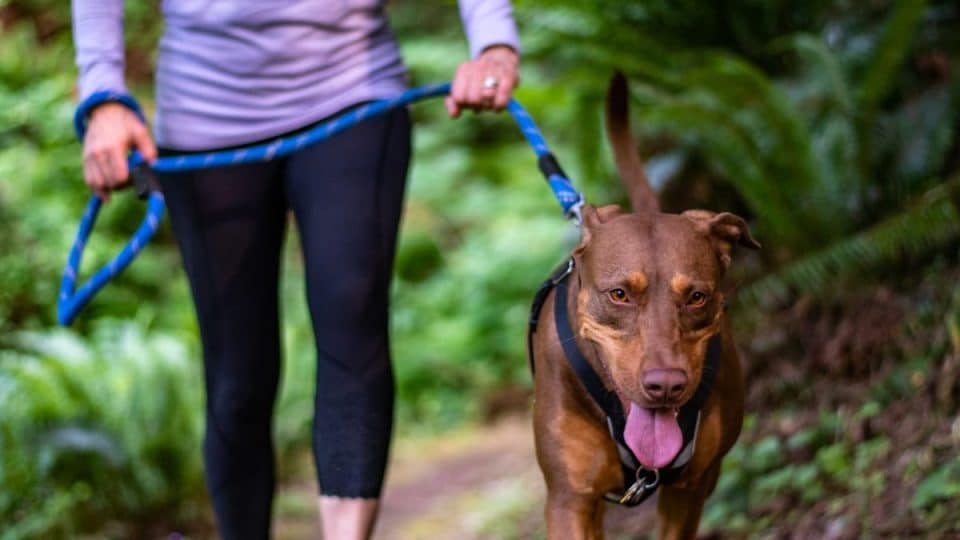
Harnesses help distribute force and give you leverage without hurting the neck. For training, a front-clip or no-pull harness can redirect the dog’s momentum.
When to use a collar
Use a collar when:
- Your dog walks politely on a loose leash.
- You need a place for ID and tags.
- You need a quick, light leash connection for short outings.
- You want to keep your dog cool and unencumbered.
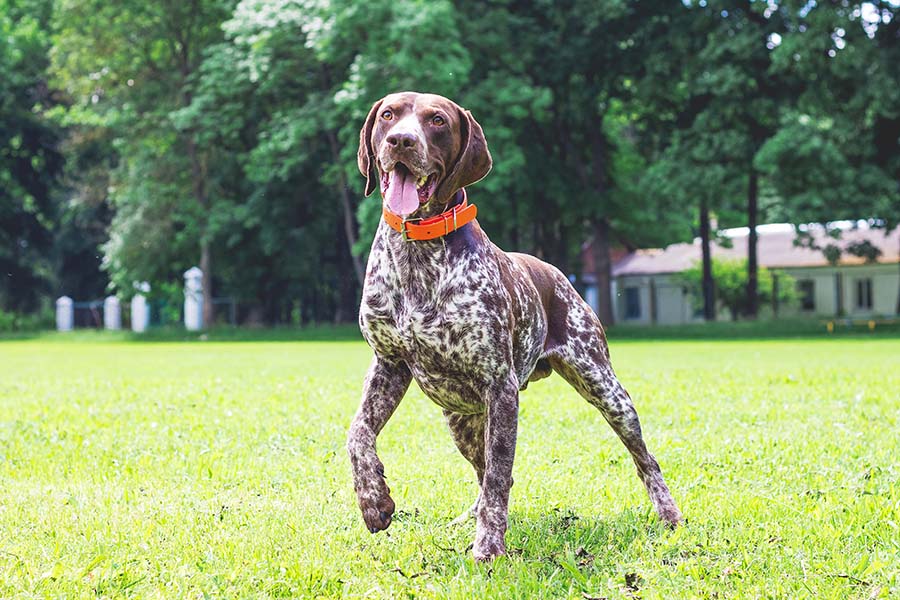
A well-fitted flat collar is safe for calm dogs. For dogs that behave well on leash, a collar is often the simplest and most comfortable choice.
Choosing the right harness or collar
Key points for harness selection
- Clip type: front-clip helps reduce pulling; back-clip is simpler for steady walkers.
- Fit: adjust so you can fit two fingers under straps.
- Material: breathable mesh or padded nylon reduces chafing.
- Design: step-in or overhead styles fit different body shapes.
Key points for collar selection
- Flat collar: best for everyday use and ID.
- Martingale: useful for dogs that slip out of regular collars.
- Avoid choke and prong collars unless under professional guidance.
When you weigh dog harness vs collar, match the tool to the dog’s body, behavior, and health.
How to fit a harness and collar
Fitting a harness
- Put the harness on calmly. Let the dog sniff it first.
- Adjust straps so the harness sits high on the chest but below the neck.
- Check movement: dog should walk freely with full shoulder reach.
- Run your hand under the straps; two fingers should fit snugly.
Fitting a collar
- Place the collar high on the neck, just below the jawline.
- Tighten so two fingers fit between collar and neck.
- Check tags: they should hang without pulling the collar forward.
- Recheck fit after a week of wearing and after growth spurts.
Proper fit prevents rubbing and allows natural motion.
Training and transition tips
Start slow when switching gear. Let your dog wear the harness or new collar around the house. Offer treats and praise. Pair the new gear with short, positive walks. Use reward-based training to reduce pulling. Teach attention and a loose-leash cue. If your dog pulls in a harness, try a front-clip harness and practice turning toward the dog when they pull.
Small, steady steps work best. I once rushed a reactive dog into a harness and made pulling worse. Pausing, adding treats, and using a front-clip harness fixed it within weeks.
Personal experience and lessons learned
I trained three mixed-breed dogs to walk well. One was a strong puller that gagged on a collar. Switching to a padded front-clip harness saved its neck and made walks safer. Another dog learned to brace against a back-clip harness and pulled more. Moving to a no-pull harness and changing my reward timing broke the habit.
Lessons I learned
- Fit matters more than brand.
- Always pair new gear with training.
- Observe your dog for signs of stress or soreness.
These are small steps that make a big difference in comfort and control.
Cost, maintenance, and durability
Cost factors
- Higher price often means better materials and longer life.
- Simple collars are cheapest. Supportive harnesses cost more.
Maintenance tips
- Wash harnesses on a gentle cycle or hand wash.
- Air dry to keep padding and webbing intact.
- Check for frays, broken buckles, and worn stitching.
Durability depends on use. Daily walkers will need to replace gear more often than occasional walkers. Investing in a well-made harness can save on vet costs from injuries.
Quick comparison: dog harness vs collar at a glance
-
Control
- Harnesses: better for strong dogs and reactive behavior.
- Collars: fine for calm, trained dogs.
-
Safety
- Harnesses: protect neck and trachea.
- Collars: risk if dog pulls hard or has neck issues.
-
Comfort
- Harnesses: padded designs are comfy but bulkier.
- Collars: lightweight and less restrictive.
-
Use case
- Harnesses: training, travel, hiking, small breeds.
- Collars: ID, short walks, well-trained dogs.
Pick what fits your dog’s health, behavior, and lifestyle.
Frequently Asked Questions of dog harness vs collar
What is better for a pulling dog, a harness or a collar?
For pulling dogs, a harness is better. A front-clip or no-pull harness redirects force and protects the neck.
Can a harness cause shoulder problems?
A poorly fitted harness can limit shoulder movement. Choose a design that allows full stride and check fit often.
Is a collar enough for small or short-nosed breeds?
No. Small and short-nosed breeds often need harnesses to avoid tracheal damage and breathing issues.
Should I use a martingale collar?
Martingale collars are helpful for dogs that slip out of regular collars. They tighten slightly but avoid choking when used properly.
Can I use both a harness and a collar together?
Yes. Many owners use a harness for walks and a collar for ID. Keep the collar fitted and the ID tags visible.
How do I switch my dog from a collar to a harness?
Introduce the harness slowly. Reward calm behavior and start with short, positive sessions. Gradually increase walk time.
Conclusion
Choosing between a dog harness vs collar depends on your dog’s health, behavior, and your needs. Harnesses protect the neck and offer control for pullers. Collars are simple and ideal for well-trained dogs and everyday ID. Test fit, pair gear with training, and watch your dog for signs of discomfort. Try the change for short outings first, and choose quality over cost. If this guide helped, share your experience below or subscribe for more dog care tips.
