
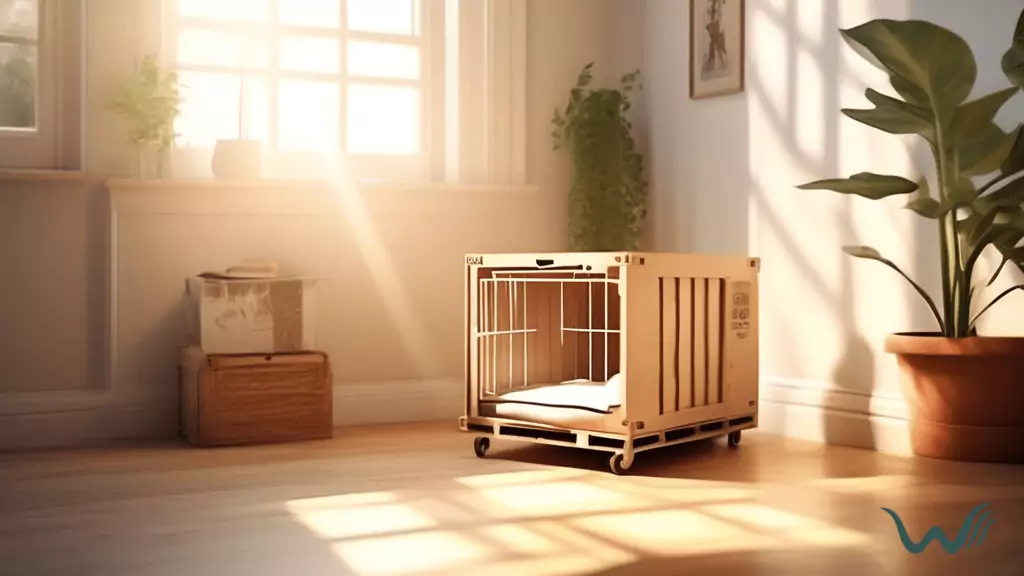
Crate training offers structure and safety, while free roaming gives pets freedom and independence.
As an experienced trainer and long-time pet owner, I will guide you through crate training vs free roaming with clear facts and real tips. I have worked with many dogs and cats and helped owners decide which path fits their life. This guide covers benefits, risks, step-by-step plans, and real-world advice to help you pick and use the right approach.

Understanding crate training vs free roaming
Crate training vs free roaming is a common choice for pet owners. Crate training gives a pet a safe den. Free roaming lets a pet explore the home without barriers. Both methods can work well when matched to a pet's age, health, and your home life. When comparing crate training vs free roaming, think about safety, house rules, and the pet's personality.

Benefits of crate training
Crate training helps with housebreaking and routine. A crate can reduce anxiety when used right. It creates a safe space for travel and vet visits. Crate training also helps prevent destructive behavior when you cannot watch your pet.
- Helps with potty training and clear routines
- Reduces access to hazards when unsupervised
- Eases travel and vet stress
- Gives shy pets a refuge

Benefits of free roaming
Free roaming supports natural exploration and mental growth. It builds trust between you and your pet. Many pets become calmer when they can move freely. Free roaming also reduces stress for pets who dislike confinement.
- Encourages natural behavior and play
- Builds confidence and independence
- Works well in pet-proofed homes
- Fits adults with stable house habits
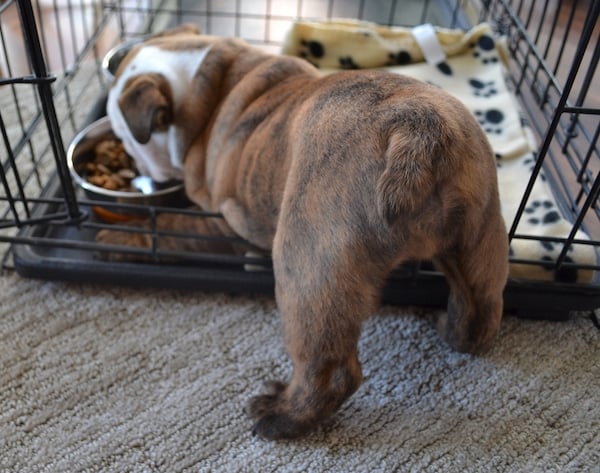
Drawbacks and risks of both approaches
Both crate training vs free roaming have downsides to weigh. Crates can be misused as isolation or punishment. Free roaming can lead to accidents, chewing, or soiling. There is no one-size-fits-all answer, and mistakes can cause stress for pets.
- Crate misused for long periods harms well-being
- Free roaming risks include toxins, furniture damage, and escapes
- Both need clear rules and supervision to succeed

How to decide: factors to weigh
Think about your pet's age and training level when choosing crate training vs free roaming. Puppies and kittens often need more containment for safe learning. Adult pets with solid habits may do well roaming. Consider your schedule, home safety, and how much supervision you can give.
- Age and housetraining status
- Home hazards and escape risks
- Time available for training and supervision
- Your tolerance for mess or minor damage
Step-by-step crate training best practices
Use small sessions and positive rewards for crate training vs free roaming balance. Start by making the crate cozy and inviting. Feed meals by the crate and toss treats inside. Gradually increase crate time while you stay nearby, then when you leave briefly.
- Make the crate a happy place with soft bedding
- Use treats and toys to build positive links
- Short trials first, then slow time increases
- Never use the crate as punishment
Setting up a safe free roaming home
Pet-proofing is key when you plan free roaming. Remove toxic plants and secure cords. Lock cabinets with cleaners and medicines. Offer toys and scratching posts to redirect bad habits.
- Block off unsafe rooms and stairways if needed
- Keep small objects out of reach
- Provide toys, beds, and clear feeding spots
- Use baby gates or barriers for gradual freedom
My experience and lessons learned
I once crate-trained a fearful rescue who later thrived with room access. I learned to move at the pet's pace. A slow, calm approach works best with crate training vs free roaming choices. I also learned that patience and small wins build trust fast.
- Watch your pet's body language for stress
- Be ready to step back if a method creates fear
- Combine both options when needed for best results
Frequently Asked Questions of crate training vs free roaming
Is crate training cruel?
Crate training is not cruel when used kindly and for short periods. It must be a safe, calm space and never a place for long isolation.
Can I switch from crate training to free roaming?
Yes. Transition slowly. Increase freedom step by step while monitoring behavior and accidents.
How long can a dog stay in a crate?
Adult dogs should not be crated for more than 4 to 6 hours at a time. Puppies need more frequent breaks for potty and play.
Will free roaming ruin my furniture?
Free roaming can lead to chewing or scratching if a pet is bored. Provide toys and training to protect furniture and redirect bad habits.
Which works better for puppies: crate or free roam?
Puppies usually need crate training first to learn potty rules and sleep routines. Free roaming comes after steady house training and proofing the home.
Conclusion
Crate training vs free roaming comes down to your pet's needs and your home life. Use crate training for safety and learning. Use free roaming when the pet is mature and the home is safe. Try a mix if that fits your routine and your pet's comfort. Take action today: pet-proof your space, make a plan, and try short trials to find what works best. Share your story or ask questions in the comments to learn more.
