
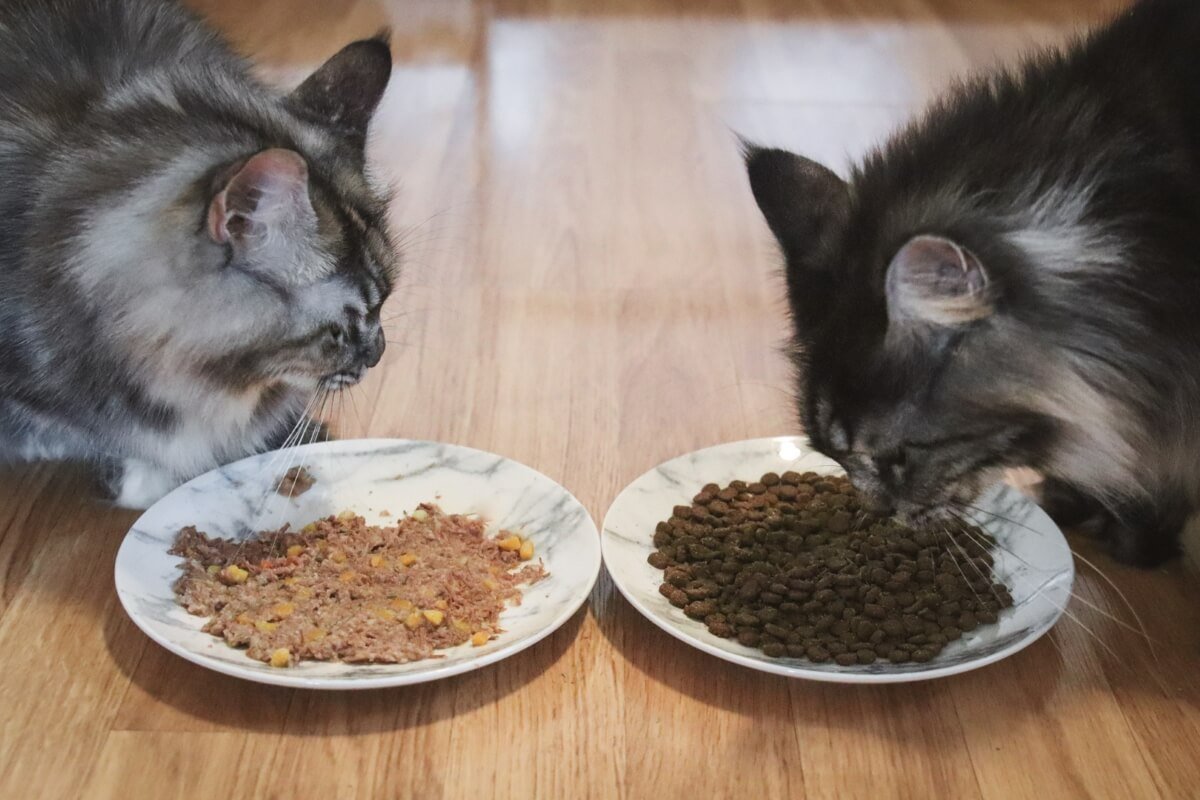
Both dry cat food vs wet have pros and cons; the best choice depends on your cat's health and lifestyle.
I have worked with cats for years and helped many owners decide between dry cat food vs wet. This guide breaks down nutrition, health effects, costs, and real-life tips. I will share research-backed points and personal experience so you can make a clear choice for your cat. Read on to learn how to match food type to age, health, and habits.

Understanding the basics of dry cat food vs wet
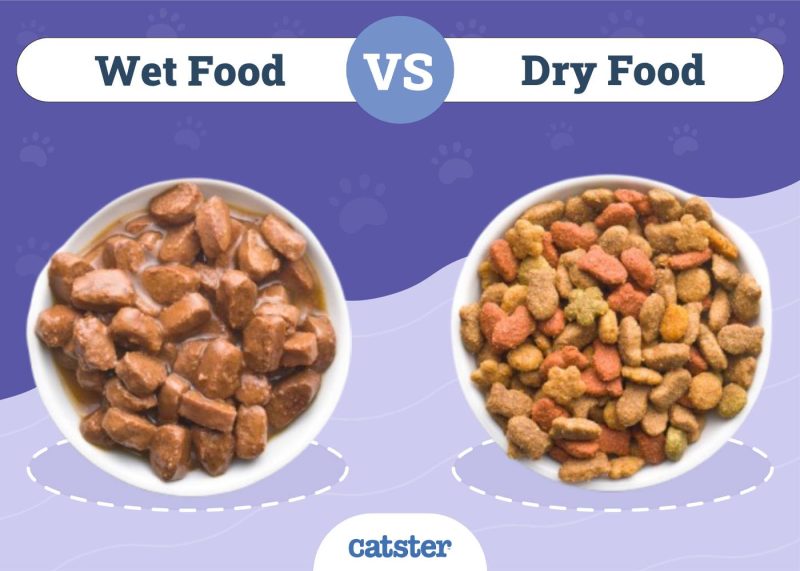
Dry cat food is crunchy kibble with low moisture and high carbohydrate content. Wet cat food is canned or pouched, with high moisture and usually higher protein per calorie. Both formats aim to give complete nutrition but use different ingredient mixes and processing.
I have fed both to foster cats and cared for senior cats on wet diets. That hands-on time taught me how cats react to texture, smell, and appetite changes. Use this section to get the basic facts you need about dry cat food vs wet.

Nutrition comparison: proteins, carbs, and calories
Cats need animal protein first. Wet food often lists meat or fish high on the label. Dry food can meet protein needs but sometimes has more grains or carbs.
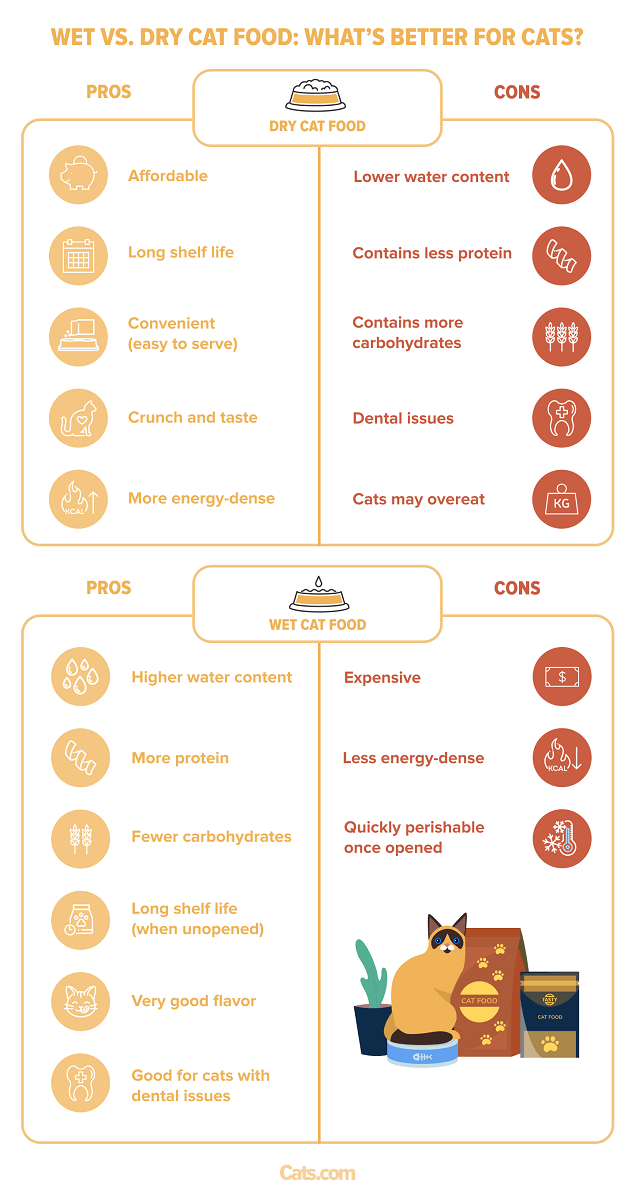
- Protein levels tend to be higher by weight in wet food.
- Carbohydrates are generally higher in dry food because kibble needs starch to hold shape.
- Calories per ounce are higher in dry food, so portion control matters.
For many cats, wet food helps meet protein and water needs. Young cats and active cats may do well on quality dry food. Consider your cat's life stage when weighing dry cat food vs wet.
Hydration and urinary health
Cats evolved to drink little water and get moisture from prey. Wet food adds water to a cat’s diet. That extra water helps support kidney and urinary tract health.
- Wet food can reduce the risk of urinary crystals by increasing urine dilution.
- Dry food requires cats to drink more water, which some cats do not do reliably.
- For cats with kidney disease or urinary issues, vets often recommend more wet food.
From my experience, cats that ate more wet food had fewer litter-box issues tied to concentrated urine. If you worry about urinary health, leaning toward wet food in the dry cat food vs wet debate can be wise.
Weight management and metabolism
Dry cat food vs wet impacts weight differently. Dry food is calorie dense. Overeating dry food can lead to obesity.
- Wet food typically has fewer calories per serving by volume.
- Portion control is easier with measured wet servings.
- Free-feeding dry food can cause weight gain if not monitored.
I once helped a cat lose weight by switching to measured wet meals and timed play sessions. That worked better than simply cutting dry kibble.
Dental health and digestion
Many owners believe dry food cleans teeth. Crunchy kibble can remove some plaque. But studies show dry food alone does not replace brushing.
- Dry food offers mild abrasive action but limited cleaning.
- Wet food may stick to teeth more, but proper care is what matters.
- Both types can be digested by most cats, but some have sensitivities to dry ingredients.
I recommend regular dental checks and using approved dental treats or rinses. Don’t pick dry cat food vs wet solely for dental claims.
Cost, convenience, and storage
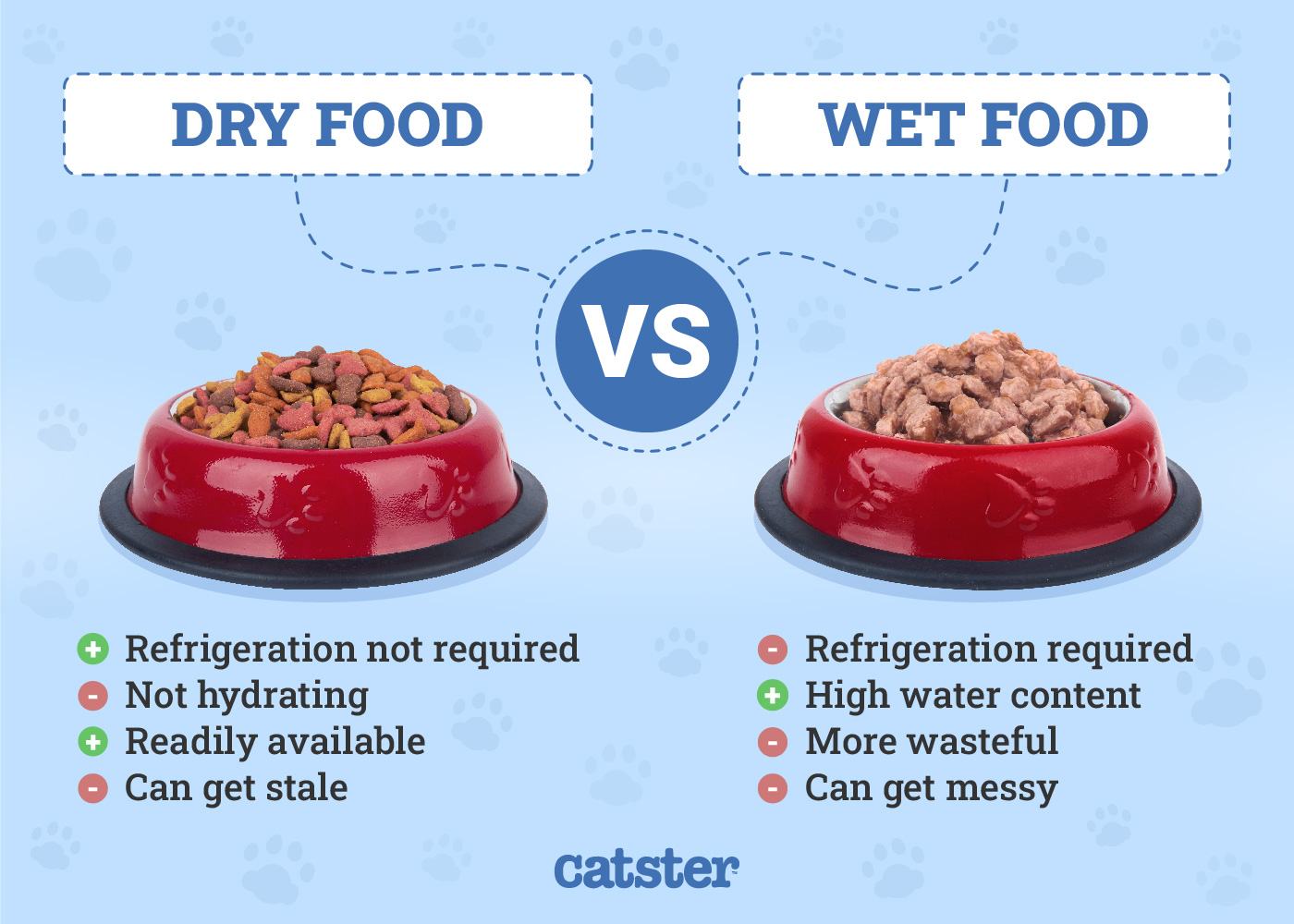
Dry food is cheaper per calorie and easy to store. Wet food costs more but offers better hydration and palatability.
- Dry food is handy for free-feeding and travel.
- Wet food requires refrigeration after opening and is heavier to carry.
- Mixed feeding can balance cost and benefits.
In my foster work, dry food saved money for large colonies. For single indoor cats with health needs, wet food was worth the extra cost.
Feeding strategies and transition tips
Switching between dry cat food vs wet should be slow. A sudden change can upset the stomach.
- Start by adding 10% new food to old food.
- Increase the new food 10% every 2–3 days.
- Watch for vomiting, diarrhea, or loss of appetite and slow the change if needed.
If your cat rejects wet food at first, try warming it slightly or mixing a small amount with dry. My shy cat loved warmed wet food because the aroma became stronger. Patience pays off.
How to choose between dry cat food vs wet for your cat
Consider age, health, and behavior when choosing.
- For kittens: high protein and moisture matter; wet food is often ideal.
- For adults: a balanced mix can work; monitor weight and activity.
- For seniors or cats with kidney issues: wet food often helps hydrate and manage protein needs.
Talk with your vet for tailored advice. Use ingredient lists and guaranteed analysis to compare foods. I suggest trial and error with small bags or cans to find what your cat tolerates best.
Frequently Asked Questions of dry cat food vs wet
Why choose wet food over dry food?
Wet food provides more moisture and often higher protein. It helps cats that drink little water or have urinary or kidney concerns.
Can dry food alone be healthy for a cat?
Yes, dry food can be complete and balanced when high quality. Owners must control portions and ensure water is available.
Is wet food better for picky eaters?
Many picky cats prefer wet food due to stronger aroma and texture. Warming the food can make it more appealing.
How do I prevent dental problems if my cat eats wet food?
Regular dental check-ups, tooth brushing, and dental treats help. Wet food alone is not the cause of dental decline.
Can I mix dry cat food vs wet in the same meal?
Yes, mixing can offer the best of both worlds. Mix small portions and monitor digestion to ensure tolerance.
Conclusion
Choosing between dry cat food vs wet is about matching food to your cat’s health, habits, and your lifestyle. Both types can provide complete nutrition when chosen carefully. Try small changes, watch your cat’s weight and hydration, and consult your vet for personalized care. Make a plan today: test one change for two weeks and adjust based on how your cat feels and behaves. Comment with your cat’s story or subscribe for more pet nutrition tips.
