
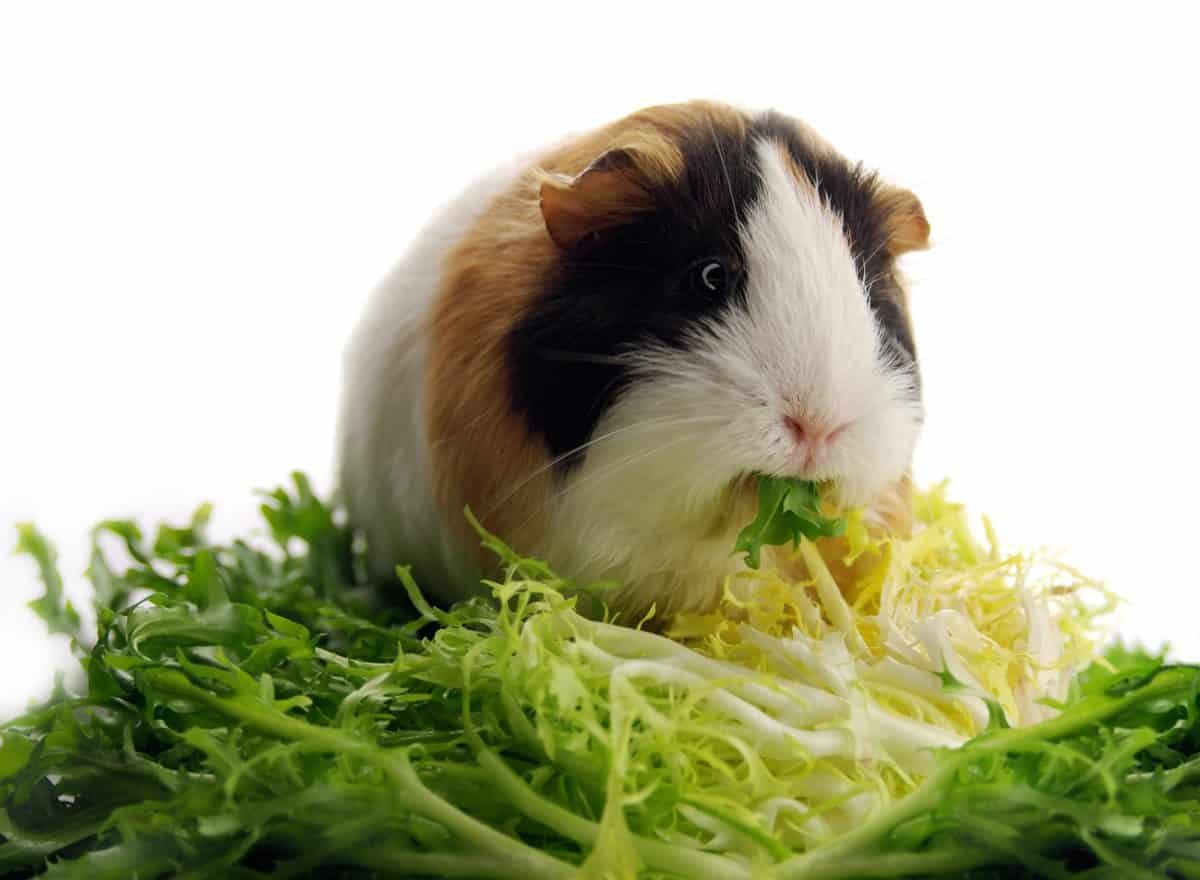
A practical, friendly guinea pig care guide to keep your cavy healthy and happy.
I have cared for guinea pigs for years and built this guinea pig care guide from hands-on experience and veterinary-backed best practices. This guide explains housing, diet, handling, health checks, and enrichment in clear, simple steps so you can give your guinea pig the best life. Read on to learn practical tips, common mistakes to avoid, and the tools you need to succeed with your cavy.

Why a guinea pig care guide matters
A good guinea pig care guide helps you avoid common pitfalls and gives your pet a longer, healthier life. Guinea pigs have specific needs, such as vitamin C in their diet and daily social interaction, that differ from other small pets. Following reliable guidance reduces stress, illness, and vet bills. This guide combines evidence-based advice with real-life tips from my years of hands-on care.

Basic needs: housing and environment
Provide a roomy, safe cage for your guinea pig. Aim for at least 7.5 square feet for one guinea pig, more for pairs. Use solid-floor cages with tall sides to prevent escapes and drafts.
Place the cage in a quiet, temperature-stable area away from direct sun and strong smells. Keep room temperature between 65–75°F. Avoid kitchens and loud appliances to reduce stress.
Choose bedding that is absorbent and dust-free. Paper-based bedding and fleece liners are safe choices. Avoid cedar and pine shavings because they can harm respiratory health.
- Cage size: at least 7.5 square feet for one guinea pig, more for two.
- Bedding: paper-based or fleece; no cedar or pine.
- Location: quiet room, stable temperature, away from drafts.

Diet and nutrition
A balanced diet is the heart of any guinea pig care guide. Their diet should include unlimited hay, a measured amount of pellets, and daily fresh vegetables. Hay provides fiber for digestion and helps wear down teeth.
Timothy hay is the best daily hay for adult guinea pigs. Young cavies can have timothy plus alfalfa until they are about six months old. Offer 1/8 to 1/4 cup of pellets per day for adults, and select pellets formulated for guinea pigs with added vitamin C.
Fresh vegetables should provide vitamin C daily. Good options include bell peppers, leafy greens like romaine and kale in moderation, and small amounts of carrot. Avoid iceberg lettuce and vegetables high in calcium if prone to bladder stones.
- Unlimited timothy hay for adults.
- 1/8–1/4 cup pellets daily, high in vitamin C.
- Daily fresh veggies rich in vitamin C, measured portions.
From personal experience, adding a slice of red bell pepper nightly helped prevent scurvy signs. I once underfed veggies and saw mild lethargy; after correcting the diet, energy returned in days.

Daily care and grooming
Daily routines keep guinea pigs healthy and tame. Check water, food, and hay daily. Clean any wet or soiled bedding promptly.
Brush long-haired breeds every day and short-haired breeds weekly. Trim nails every 4–6 weeks to prevent overgrowth and discomfort. Inspect teeth, ears, eyes, and skin during grooming sessions to spot issues early.
Bathe only when necessary. Guinea pigs rarely need baths and frequent washing can dry their skin. Use a small-animal shampoo and dry them gently and quickly if a bath is required.
- Daily checks: water, hay, pellets, droppings.
- Grooming: brush regularity depends on coat length.
- Nail trims: every 4–6 weeks; check feet for sores.

Handling, training, and socialization
Guinea pigs are social and thrive with gentle handling and companions. Consider keeping at least two same-sex or neutered pairs to prevent loneliness. Introduce new guinea pigs slowly on neutral territory.
When you pick up a guinea pig, support its hind end and chest. Move calmly and keep them close to your body to reduce stress. Short, frequent handling sessions help build trust faster than long, infrequent ones.
You can train simple behaviors with treats and patience. Responding to their name, hopping onto a lap, or running small obstacle routes are realistic goals. Positive reinforcement works best.
- Companionship: house in compatible pairs or groups.
- Handling: two-handed support, calm approach.
- Training: use treats, short sessions, and patience.
From my experience, a shy cavy warmed up after consistent five-minute sessions daily. It turned nervous behaviors into curiosity within two weeks.
Health, common illnesses, and vet care
Regular vet care is part of any responsible guinea pig care guide. Find a vet who specializes in exotic pets or small mammals. Schedule annual wellness checks and prompt visits for any sudden changes.
Watch for these common problems:
- Respiratory infections: sneezing, wheezing, runny eyes or nose.
- Dental issues: drooling, difficulty eating, weight loss.
- Bladder stones: blood in urine, straining, reduced urination.
- Skin problems: hair loss, mites, scabs, excessive scratching.
If your guinea pig shows signs of illness, seek veterinary care quickly. Early treatment prevents more severe issues and costs more in the long term.
- Annual checkups and a trusted exotic vet.
- Know symptoms of respiratory, dental, and urinary problems.
- Act fast; early treatment is easier and safer.
Enrichment, toys, and exercise
Mental stimulation is key in a thorough guinea pig care guide. Provide hideouts, tunnels, and chew toys to satisfy natural behaviors. Rotate toys weekly to keep interest high.
Offer supervised floor time outside the cage in a guinea pig-proofed area. Use tunnels and low ramps to encourage gentle exercise. Avoid obstacles with steep climbs that can cause falls.
Food puzzles and scatter-feeding encourage foraging. Hide small pieces of veggies around play areas. This mimics natural behavior and reduces boredom.
- Enrichment: tunnels, hides, chew-safe toys.
- Exercise: daily supervised floor time in safe areas.
- Foraging: food puzzles and scatter-feeding.
Supplies checklist and setup tips
A clear checklist makes setup easier and reduces mistakes. Below are essentials to start.
- Cage: solid-floor, appropriate size (7.5+ sq ft for one guinea pig).
- Bedding: paper-based or fleece liner.
- Hay: unlimited timothy hay for adults.
- Pellets: guinea pig-formulated, with vitamin C.
- Fresh water: heavy bowl or sipper bottle.
- Hides and tunnels: at least one hide per pig.
- Grooming tools: brush, nail clippers, small-animal shampoo for rare baths.
- Toys: chew blocks, safe tunnels, and foraging toys.
- Vet: find an exotic-savvy veterinarian before an emergency.
Setting up a spare hide and a second water source helped me when one bottle clogged. Small backups save stress.
Frequently Asked Questions of guinea pig care guide
How much space does a guinea pig need?
A single guinea pig needs at least 7.5 square feet of cage space, and more space is better for multiple pigs. Bigger enclosures reduce stress and improve activity.
What should guinea pigs eat every day?
They should have unlimited hay, a small measured amount of pellets, and daily fresh vegetables rich in vitamin C. Avoid sugary treats and iceberg lettuce.
Can guinea pigs live alone or need a companion?
Guinea pigs are social animals and do best with at least one compatible companion. Solitary guinea pigs risk loneliness and depression.
How often should I take my guinea pig to the vet?
At minimum, schedule an annual wellness visit, and seek care immediately if you see illness signs. Young, elderly, or sick pigs may need more frequent checks.
How do I prevent dental problems?
Provide unlimited hay to wear down teeth and monitor eating habits for changes. Regular vet checks and soft foods during recovery help manage dental issues.
Are fleece liners safe for bedding?
Yes, fleece liners are safe and absorbent when used with a proper absorbent underlayer and frequent cleaning. They reduce dust and are comfortable for feet.
How can I tell if my guinea pig is in pain?
Look for changes in eating, reduced movement, hunched posture, teeth grinding, or vocal changes. Any sudden behavior change warrants a vet check.
Conclusion
This guinea pig care guide covers the essentials: housing, diet, daily care, social needs, health signs, and enrichment. Use the checklist to set up a safe, healthy home and build routines that include daily checks and gentle handling. Start small: improve one area this week, like adding more hay or scheduling a vet visit, and your guinea pig will thank you with better health and brighter behavior. Share your experiences or questions below, subscribe for more pet care guides, or leave a comment to connect with fellow cavy lovers.

Pingback: Water Bottle Vs Water Bowl: Which Hydration Is Best? - pettraiers.com