
Parrot care and diet guide: Balanced pellets, fresh produce, safe treats, and daily enrichment.
As an avian caregiver with years of hands-on experience, I wrote this parrot care and diet guide to help you give your bird a long, happy life. I will walk you through diet, housing, health signs, and training with simple steps and real tips I learned from working with macaws, cockatiels, and conures.

Parrot basics: species, lifespan, and needs
Parrots are smart, social birds that need more than food and a cage. Different species have different lifespans, sizes, and needs. Knowing your bird’s species helps you match the right parrot care and diet guide to its life stage and behavior.
- Budgies and cockatiels live shorter lives and need different portion sizes than amazons or macaws.
- Large parrots need more space, stronger cages, and richer mental work.

Housing and environment for healthy parrots
A good home sets the stage for all parrot care and diet guide advice to work. Safe housing keeps your bird calm and reduces stress.
- Cage size matters: Choose a cage at least twice the wingspan wide and tall enough for flight practice.
- Bar spacing: Match spacing to species to avoid escapes or injuries.
- Perches and layout: Use varied perch sizes and materials to exercise feet and prevent sores.
- Lighting and sleep: Aim for 10–12 hours of dark, quiet sleep each night to support health.
- Temperature and humidity: Keep a stable, draft-free spot away from kitchens and AC vents.
I once moved a rescued conure from a small round cage to a roomy aviary. Within weeks it sang more, ate better, and stopped feather-plucking. Small changes in housing can yield big health wins.

Nutrition essentials in a parrot care and diet guide
Food is the heart of a parrot care and diet guide. A healthy mix fuels body and brain. Aim for a base of high-quality pellets and add fresh foods daily.
- Pellet base: 60–80% of the diet should be formulated pellets for balanced vitamins and minerals.
- Fresh vegetables: 2–3 different veggies daily like bell pepper, leafy greens, carrots, and sweet potato.
- Fresh fruits: Offer small amounts 2–3 times weekly—apple, pear, mango, berries.
- Seeds and nuts: Use as treats or training rewards; keep seeds under 10% for most parrots.
- Protein sources: Cooked legumes, lentils, chickpeas, and small amounts of cooked egg can be added weekly.
- Calcium and vitamin support: Provide cuttlebone, mineral blocks, or vet-recommended supplements if needed.
I learned to cut pellets with steamed sweet potato to tempt a picky african grey. It worked, and the bird stayed on pellets with added vitamins. Always transition slowly when changing diets.
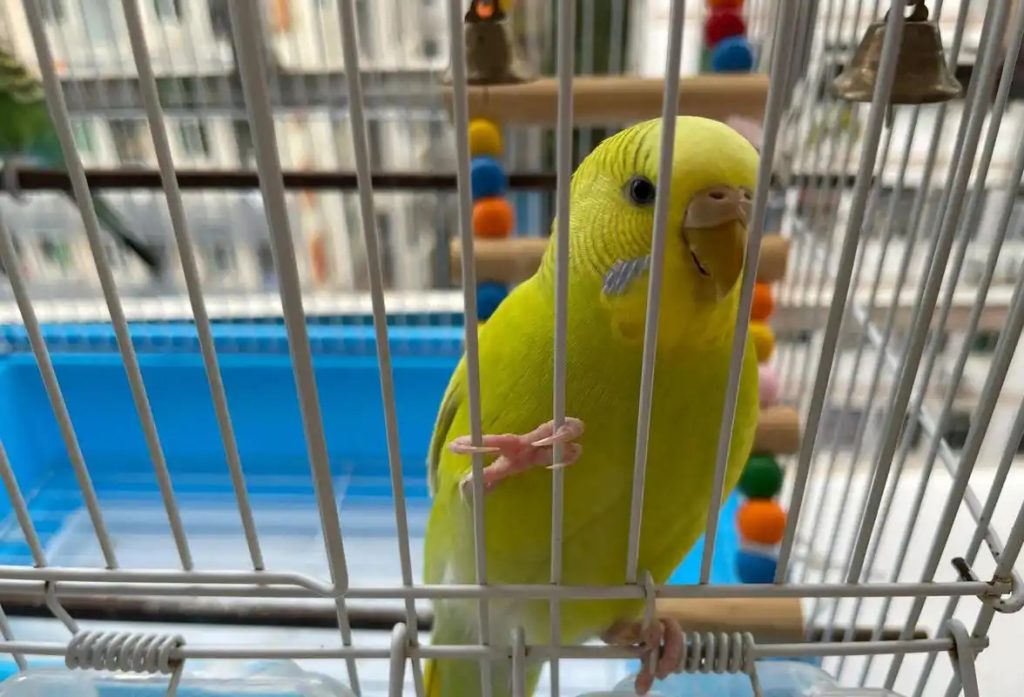
Feeding schedule, portion sizes, and sample meal plans
A clear feeding routine improves digestion and behavior. This part of the parrot care and diet guide helps you plan meals by species and activity.
- Daily timing: Offer main meal in morning and a lighter meal in late afternoon. Remove uneaten fresh food after 2–3 hours.
- Portion guide: Small parrots (budgies) get teaspoons of pellets; medium parrots (conures) get tablespoons; large parrots (macaws) need 1/4–1/2 cup daily. Adjust for activity and weight.
Sample weekly plan (medium parrot example):
- Monday: Pellets + steamed broccoli + apple slices.
- Tuesday: Pellets + mixed greens + cooked lentils.
- Wednesday: Pellets + bell pepper + small handful of nuts (treat).
- Thursday: Pellets + sweet potato + pear slices.
- Friday: Pellets + kale + cooked chickpeas.
- Saturday: Pellets + carrot sticks + foraging tray with millet spray.
- Sunday: Pellets + mixed veggies + supervised out-of-cage salad time.
Track weight weekly and adjust portions. If unsure, consult an avian vet for species-specific parrot care and diet guide adjustments.

Foods to avoid and food safety
Safety matters as much as nutrition in any parrot care and diet guide. Some common human foods are toxic to parrots.
- Avocado: Contains persin and can be fatal.
- Chocolate and caffeine: Both are toxic and must be avoided.
- Alcohol: Even tiny amounts can harm birds.
- Fruit pits and apple seeds: Contain cyanide compounds; remove pits and seeds.
- Salt, high sugar, and processed foods: These cause obesity and organ issues.
- Raw beans: Contain toxins that cooking removes; always cook beans fully.
Always wash fruits and vegetables. Chop foods into bite-sized pieces and remove rind or pits. If your bird eats something toxic, call an avian vet immediately.
Health care, grooming, and regular vet checks
Good maintenance keeps your parrot vibrant and prevents problems. This section covers routine care from beak to toe.
- Vet visits: Annual checkups for healthy birds; twice a year for older or at-risk birds.
- Weight monitoring: Weigh weekly. Sudden loss is a serious sign.
- Beak, nails, and wing care: Trim nails when needed and assess beak health. Avoid routine wing-clipping unless required for safety.
- Bathing and humidity: Offer baths or misting 2–3 times weekly to keep skin and feathers healthy.
- Signs of illness: Watch for fluffed feathers, appetite loss, sneezing, runny eyes, or droppings change.
I once missed a subtle beak change that later required a vet procedure. Now I check beak and nails every week. Early detection saves birds.
Behavioral care, enrichment, and training
Mental health is as important as diet in any parrot care and diet guide. Bored birds can develop bad habits. Enrichment keeps them curious and calm.
- Social time: Aim for daily interaction and supervised out-of-cage time.
- Toys and rotation: Offer chewable toys, puzzles, and swings; rotate items weekly.
- Foraging: Hide food in toys or boxes to mimic natural feeding.
- Training basics: Use clicker training and positive rewards for step-up, recall, and gentle handling.
- Sleep and routine: Keep consistent wake and sleep times to avoid stress.
I used foraging toys to reduce a cockatoo’s screaming. It worked because the bird focused on solving puzzles instead of demanding attention. Patience and consistency are key.
Frequently Asked Questions of parrot care and diet guide
What should be the main food for a healthy parrot?
A high-quality pellet diet should be the main food, making up 60–80% of daily intake. Fresh vegetables and modest fruits should complement pellets for vitamins and variety.
How often should I take my parrot to the vet?
Healthy parrots benefit from annual exams, while older or ill birds may need checkups every six months. Promptly visit the vet if you notice weight loss, changes in droppings, or odd behavior.
Can parrots eat seeds every day?
Seeds can be part of a parrot’s diet but should not dominate it. Keep seeds under 10% daily for most species and use them mainly as treats or training rewards.
How much fresh food should I give my parrot daily?
Offer a mix of vegetables each day and fruits a few times a week. Remove uneaten fresh food after 2–3 hours to prevent spoilage.
Are supplements necessary for parrots?
Supplements are only needed if a specific deficiency is diagnosed or if a vet recommends them. Rely on a varied diet and quality pellets first, then add supplements with professional guidance.
How do I handle a picky eater parrot?
Transition slowly by mixing new foods with favorites and using gentle positive reinforcement. Try different textures and warm cooked veggies to spark interest.
Conclusion
A thoughtful parrot care and diet guide blends safe housing, balanced nutrition, mental enrichment, and routine health checks. Start with pellets, add fresh produce, avoid toxins, and give daily social time for the best results. Try one new habit this week—like a foraging toy or a weekly weigh-in—and watch your bird thrive. Share your experience, subscribe for more guides, or leave a comment with your parrot questions.

Pingback: Best Dog Food For Labrador Retriever: Top Picks 2026 - pettraiers.com