
A simple, healthy beginner aquarium needs the right tank, filter, heater, substrate, and hardy fish.
I’ve set up dozens of tanks and taught many new hobbyists how to build a thriving aquatic home. This guide on aquarium setup for beginners gives clear steps, real-world tips, and practical mistakes to avoid. Read on to learn how to pick the right equipment, cycle your tank safely, choose beginner fish, and keep your aquarium healthy with simple routines.

Choosing your first tank
Picking the right tank makes the rest easy. For aquarium setup for beginners, a 20- to 30-gallon tank is ideal. It gives stable water parameters and room for simple aquascapes. Smaller tanks change chemistry fast and stress fish. Larger tanks cost more but are more forgiving.
Things to consider when choosing a tank:
- Size: Larger tanks are easier to keep stable for beginner aquarium setup for beginners.
- Material: Glass resists scratching, acrylic is lighter but scratches easier.
- Shape: Long tanks give swimming space; tall tanks limit surface area for gas exchange.
- Location: Choose a flat, sturdy stand away from direct sunlight and drafts.
My experience: I started with a 20-gallon long tank. It gave me confidence. The water stayed stable and fish looked happy. That first success made me want to keep learning.

Essential equipment explained
Good gear simplifies aquarium setup for beginners. You don’t need expensive gadgets. You only need reliable basics.
Core equipment list:
- Filter: A reliable filter removes waste and helps beneficial bacteria. Choose one rated for your tank size.
- Heater: Tropical fish need steady temperatures. A heater with a thermostat keeps temps stable.
- Substrate: Gravel or sand supports plants and biological activity for aquarium setup for beginners.
- Light: Moderate LED lighting supports live plants and shows fish color without overheating.
- Test kit: A basic water test kit for ammonia, nitrite, nitrate, and pH is essential.
- Thermometer: Monitor water temperature easily with a stick-on or digital thermometer.
Tip from experience: buy a filter slightly larger than your tank rating. It runs quieter and handles bio-load better. For heaters, choose a model with a reliable thermostat and a guard if fish like to hide near it.
Step-by-step setup guide
Follow these clear steps to complete your aquarium setup for beginners. Move slowly and test often.
- Position the tank
- Place the tank on a level stand. Unpack and inspect for leaks.
- Add substrate and décor
- Rinse substrate until water runs clear. Add substrate 1–2 inches deep for plants.
- Install equipment
- Mount the filter and heater but do not plug them in yet. Place the thermometer.
- Fill with water
- Fill with dechlorinated water or treat tap water with a conditioner.
- Power on and run
- Start filter and heater. Keep the lid slightly open to avoid overheating from lights.
- Begin cycling
- Start the tank cycling process before adding fish; this is critical for aquarium setup for beginners.
I once rushed and added fish too soon. I lost some because ammonia spiked. Cycling first saved me future heartache. Take time now and your fish will thank you.

Cycling the tank and water chemistry basics
Cycling teaches beneficial bacteria to turn toxic ammonia into harmless nitrate. It is the most important step in aquarium setup for beginners.
Simple cycling methods:
- Fishless cycling: Add ammonia or fish food and monitor until ammonia and nitrite drop to zero.
- Silent cycling: Use filter media from a healthy tank to seed bacteria.
- Slow stock cycling: Add 1–2 hardy fish while testing water daily and doing water changes.
Key water parameters to know:
- Ammonia: Should be 0 ppm. Toxic to fish even at low levels.
- Nitrite: Should be 0 ppm. Indicates incomplete cycling.
- Nitrate: Below 20–40 ppm is healthy for most community tanks.
- pH: Many tropical fish prefer 6.5–7.5, but research species-specific needs.
I prefer fishless cycling. It takes patience but spares fish stress. Test kits are cheap and worth the investment for aquarium setup for beginners.
Stocking your aquarium: fish and plants
Choosing the right fish completes a good aquarium setup for beginners. Start slow and pick hardy species.
Beginner-friendly fish:
- Guppies: Colorful and hardy.
- Platies: Peaceful and easy to breed.
- Corydoras: Great bottom-cleaners for substrate.
- Tetras: Small schooling fish that add movement.
- Bettas: Single males only, in species-only or community tanks with calm tankmates.
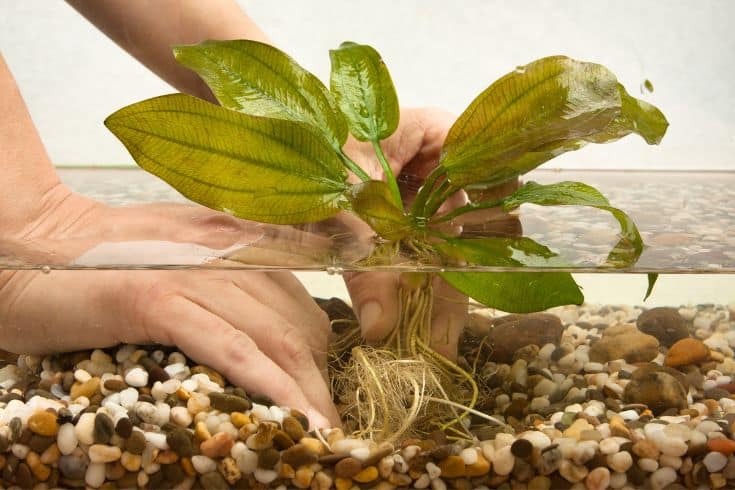
Beginner plants:
- Java fern: Low light and low maintenance for aquarium setup for beginners.
- Anubias: Tough, slow-growing, and attachable to décor.
- Hornwort: Fast-growing and forgiving.
Stocking rules:
- Add only a few fish at first. Wait two weeks and test water before adding more.
- Follow species compatibility for temperament, water needs, and size.
- Use a quarantine tank for new fish when possible to prevent disease.
From experience, learning one or two plant species saved me from algae. Plants help stabilize water and improve fish health.
Routine maintenance made simple
A clear routine keeps an aquarium healthy without stress. For aquarium setup for beginners, follow short weekly habits.
Weekly tasks:
- Test water: Quick ammonia, nitrite, nitrate checks.
- Water change: Replace 10–25% of water weekly, use dechlorinated water.
- Gravel vacuum: Remove uneaten food and waste during water changes.
- Filter check: Rinse filter media in tank water to preserve bacteria; replace per manufacturer guidance.
- Observe fish: Look for changes in behavior, appetite, or appearance.
Monthly tasks:
- Deep-clean decorations if algae builds up.
- Trim and fertilize live plants as needed.
I set a weekly reminder. Small, regular steps prevent big problems. Your tank will run smoothly if you stick to a simple routine for aquarium setup for beginners.
Common mistakes beginners make and how to avoid them
Avoid these pitfalls to skip common headaches in aquarium setup for beginners.
Frequent mistakes:
- Adding fish too soon: Start cycling first to avoid ammonia poisoning.
- Overfeeding: Feed small amounts once or twice daily; excess food causes ammonia spikes.
- Overstocking: Too many fish overwhelms filtration and raises waste.
- Skipping water tests: Tests catch problems early.
- Buying unproven treatments: Read labels and avoid mixing chemicals without knowing effects.
I once overstocked a small tank because the fish looked tiny in a store. The tank struggled for months. Keep numbers conservative and grow your tank slowly.
Frequently Asked Questions of aquarium setup for beginners
How long does it take to cycle an aquarium?
Cycling usually takes 4–6 weeks with fishless methods, though some setups may be faster or slower depending on temperature and bacteria starter. Test water regularly and wait until ammonia and nitrite read zero.
What size tank is best for beginners?
A 20- to 30-gallon tank is best for aquarium setup for beginners because it offers stable water conditions while remaining affordable and manageable.
Do I need live plants in my beginner aquarium?
Live plants help water quality and are not required but highly recommended. They reduce nitrates, offer hiding spots, and stabilize the ecosystem.
How often should I feed my fish?
Feed small portions once or twice daily. Only give as much food as fish can eat in 1–2 minutes to avoid overfeeding and poor water quality.
Can I keep a betta in a community tank as a beginner?
Male bettas can be aggressive. They do best alone or with peaceful, non-fin-nipping tankmates. Research compatibility carefully before adding a betta to a community.
Conclusion
A calm, healthy aquarium starts with patience, the right gear, and a simple routine. Follow this aquarium setup for beginners guide: choose the right tank, cycle it fully, add hardy fish and plants slowly, and keep up weekly maintenance. Start small, learn from each step, and enjoy watching your aquatic world thrive. Ready to start? Share your tank plans, subscribe for more guides, or leave a comment with your questions.

Pingback: Aquarium Filter Maintenance Guide: Essential Steps - pettraiers.com
Pingback: Top Filter Vs Canister Filter: Which Is Best? - pettraiers.com