
Most dogs itch constantly because of allergies, fleas, skin infections, or dry skin.
I’ve worked with dozens of itchy dogs and read widely on skin health, so I’ll walk you through why your dog is itching constantly, how to spot the cause, and what to try at home before and after a vet visit. This article explains common triggers, diagnostic steps, practical treatments, and prevention tips so you can take confident action when your dog itching constantly why becomes a daily problem.
Common causes: why your dog is itching constantly
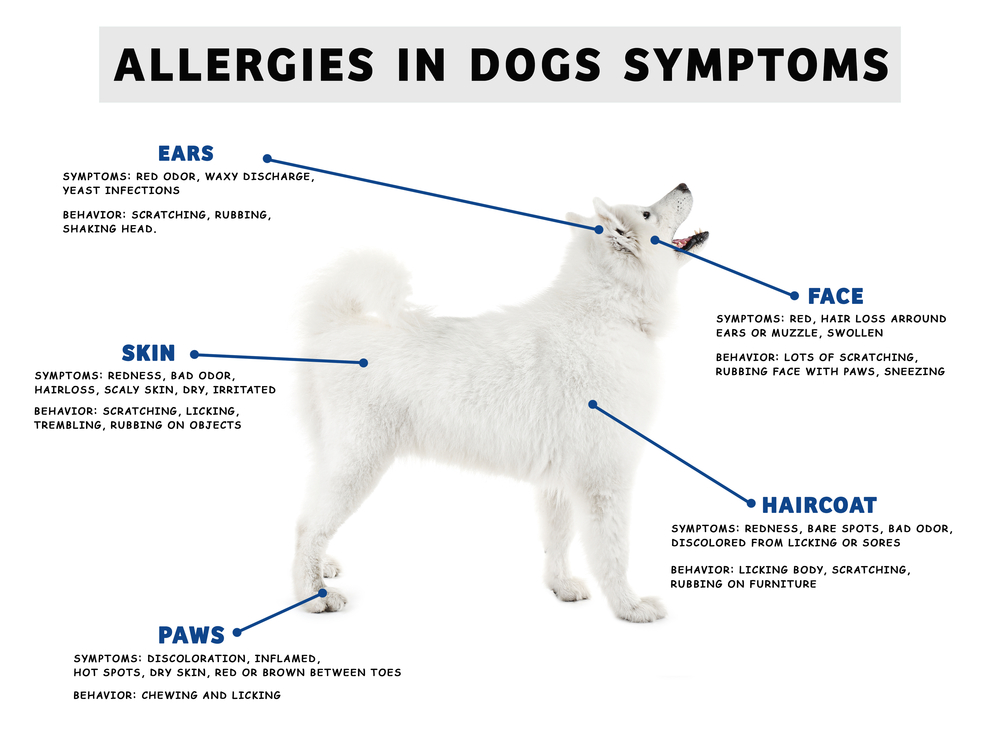
Dogs scratch for many reasons. The top causes include fleas, food allergies, environmental allergies, bacterial or yeast infections, dry skin, and contact irritants. Hormonal issues and parasites like mites also make dogs itchy over long periods.
I’ve seen many owners ask “dog itching constantly why” and the answer usually starts with fleas or allergies. Simple causes are easy to treat; persistent causes need testing and a plan.

How to tell if itching is mild or urgent
Watch how often and when your dog scratches. Mild itching may be occasional and short. Urgent signs include persistent scratching, open sores, hair loss, swelling, intense licking of paws, or changes in behavior.
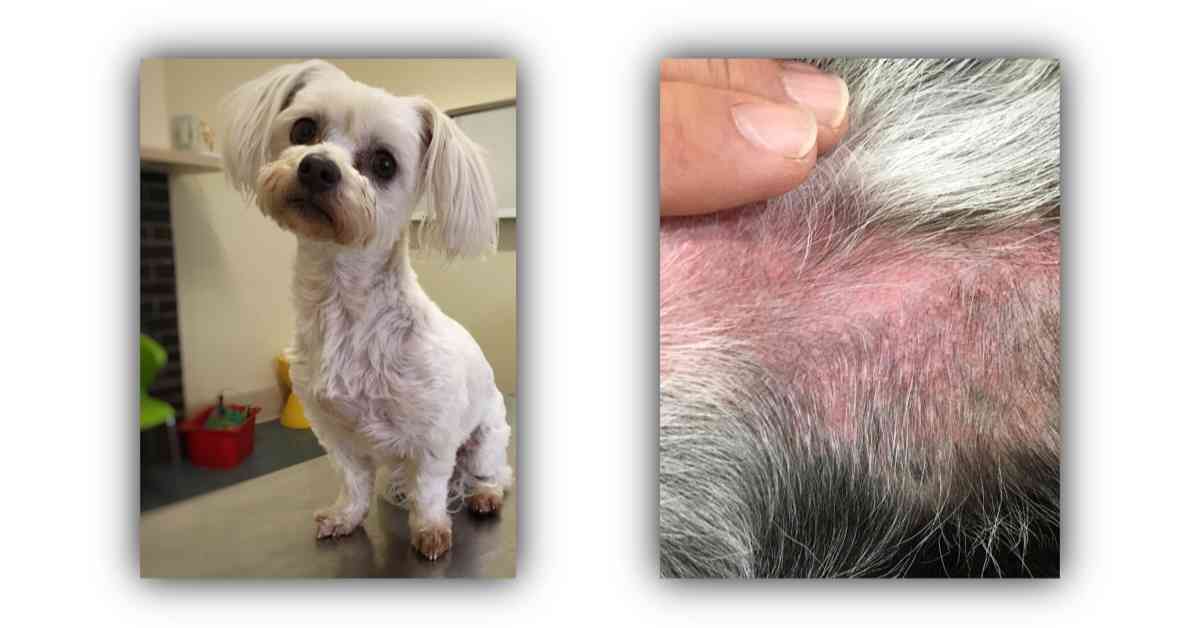
If your dog is losing fur or has raw, bleeding skin, don’t delay. The longer a dog scratches, the higher the chance of infection and scarring. These red flags help answer “dog itching constantly why” and when to seek immediate help.
Common specific causes and what to look for
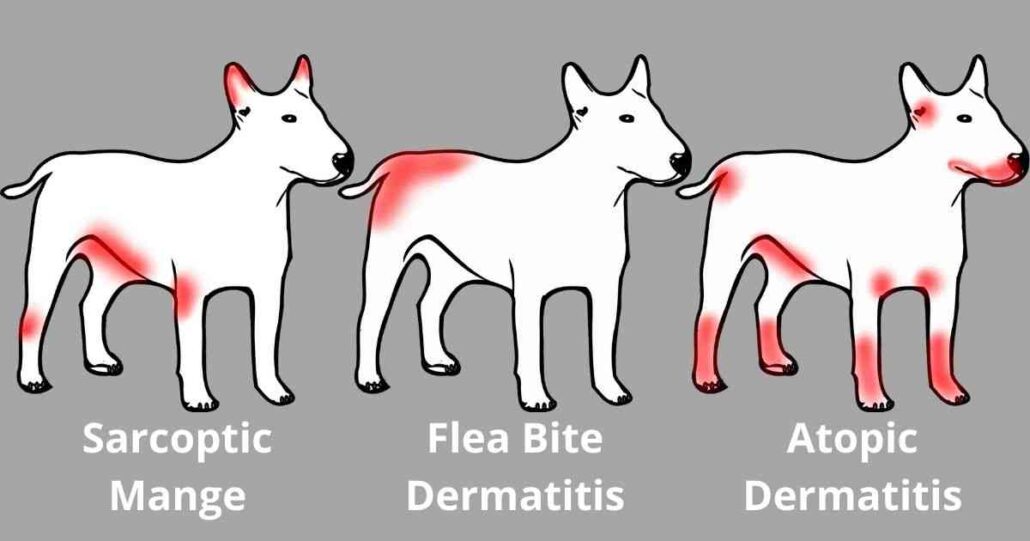
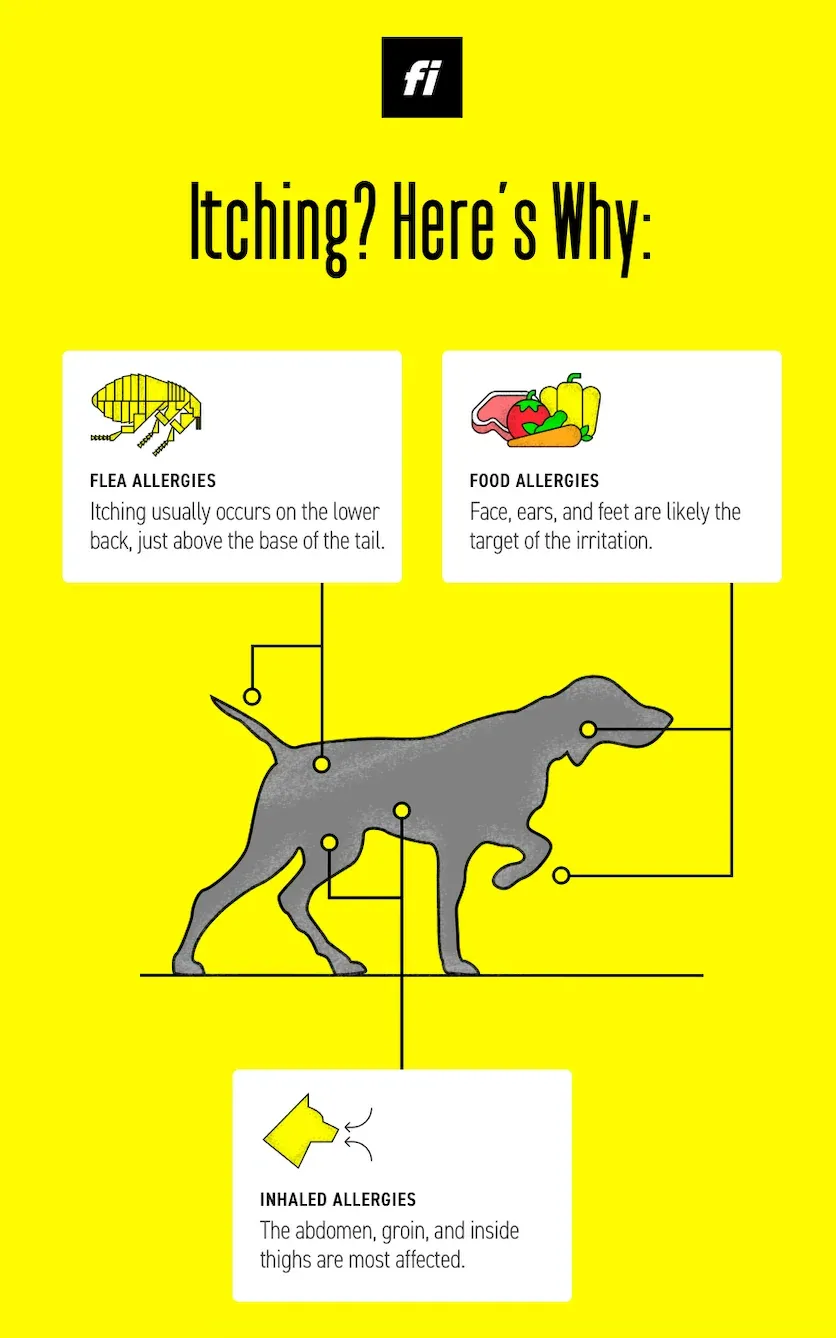
- Fleas — Tiny bites focused near the tail base and hind legs; you may find flea dirt.
- Food allergies — Itching often affects ears, paws, and groin; may include digestive upset.
- Environmental allergies (atopic dermatitis) — Seasonal or year-round itching, sneezing, watery eyes.
- Bacterial or yeast infections — Strong odor, greasy or red skin, scaly patches.
- Dry skin — Flakes, mild itchiness, often worse in winter or low-humidity homes.
- Contact dermatitis — Localized redness after new shampoos, plants, or cleaners.
- Mites and parasites — Intense scratching, hair loss, often in specific spots like face or elbows.
- Hormonal problems — Thinning coat, recurrent infections, and slower healing.
Each cause answers the central question of dog itching constantly why by pointing to a likely trigger and a targeted next step.

How vets diagnose the cause
Vets use a stepwise approach. They start with a history and physical exam, then use tests like skin scrapings, cytology, fungal cultures, allergy tests, and blood work. A food elimination trial may be needed to confirm food allergies.
Testing narrows the reasons for dog itching constantly why. Expect simple in-clinic tests first; more advanced tests follow if needed. Clear records of your dog’s symptoms and when they appear speed diagnosis.
Treatment options: short-term relief and long-term care
Short-term relief provides comfort while you pursue a diagnosis. Long-term care targets the underlying reason your dog itching constantly why.
Short-term measures
- Flea treatment — Fast-acting spot-ons or oral meds for immediate control.
- Medicated baths — Antibacterial or antifungal shampoos reduce microbes and soothe skin.
- Topical sprays and wipes — Useful for localized hot spots and paw licking.
- Anti-itch medications — Short courses of antihistamines or vet-prescribed steroids for severe flares.
Long-term plans
- Allergy management — Immunotherapy for environmental allergies or strict food trials for food allergies.
- Regular parasite prevention — Year-round flea and tick control.
- Skin health supplements — Omega-3 fatty acids often reduce chronic itch.
- Grooming and environment — Regular brushing and hypoallergenic bedding help reduce triggers.
In practice I combined a flea control plan with omega supplements and targeted baths to help a client’s dog stop scratching within two weeks. That kind of layered approach answers many “dog itching constantly why” cases.
Home care tips that actually help
Small habits reduce itch and speed healing. Try these practical steps at home.
- Keep up flea prevention — Even one missed dose can restart an infestation.
- Use gentle, fragrance-free grooming products — Harsh detergents can worsen skin irritation.
- Bathe with medicated shampoos as directed — Over-bathing dries skin; follow vet advice.
- Trim nails regularly — Long nails make scratching more damaging.
- Protect hot spots — Use e-collars or specially designed suits to prevent further injury.
I once recommended a simple routine—monthly protection, weekly brushing, and an oatmeal bath—then tracked steady improvement. Consistency matters when answering dog itching constantly why.

Diet, supplements, and food trials
Food can be a hidden cause. A clear food trial clarifies whether diet is the reason your dog itching constantly why.
- Limited-ingredient diet — Use novel protein and carbohydrate for 8–12 weeks to test for reactions.
- Hydrolyzed diets — These break proteins into tiny pieces and can stop immune responses.
- Supplements — Omega-3s and skin-support vitamins can reduce inflammation and improve coat shine.
Be patient with trials; partial improvements may appear within weeks, but full answers often take months. Document what you try and when to help your vet.

Preventing future itching episodes
Prevention reduces stress for you and your dog. Aim for steady routines and quick responses to early signs.
- Year-round parasite control prevents fleas and mites.
- Maintain clean sleeping areas and wash bedding regularly.
- Avoid known triggers like certain plants, cleaners, or foods.
- Keep skin hydrated with proper grooming and balanced diet.
- Schedule regular vet checkups to catch problems early.
Preventive steps reduce recurring questions of dog itching constantly why and cut down vet visits in the long run.

When to see the vet now
Seek immediate veterinary care if your dog has:
- Bleeding, severe open sores, or persistent ear pain.
- Signs of systemic illness like fever, vomiting, or lethargy.
- Rapidly spreading skin inflammation or breathing difficulty.
Early vet care prevents complications. If home measures fail after a week or symptoms worsen, call your vet for an exam.
Frequently Asked Questions of dog itching constantly why
What are the fastest ways to stop a dog from itching right now?
Apply a veterinarian-approved topical spray or give a short, vet-prescribed medication to reduce inflammation. Clean the area gently and prevent further licking with a cone if needed.
Can human allergy medicine help a dog that is itching?
Some antihistamines are safe for dogs in vet-recommended doses, but never give human meds without veterinary approval. Dosage and drug choice depend on the dog’s size and health.
How long does it take to know if a food allergy causes itching?
A strict food elimination trial typically runs 8–12 weeks to be sure. Improvement may start in weeks, but full confirmation needs the complete trial and sometimes a food challenge.
Do baths make itching worse or better?
Medicated, gentle baths usually improve itching by removing allergens and microbes. Over-bathing or using harsh shampoos can dry the skin and make itching worse.
Is constant itching always an allergy?
Not always; fleas, infections, parasites, and hormonal problems can also cause constant itching. A vet exam and basic tests help pinpoint the exact cause.
Conclusion
Understanding why your dog is itching constantly why starts with observation, basic prevention, and clear testing. Start with flea control, gentle skin care, and a vet visit if symptoms persist; many causes respond quickly with the right plan. Take action today by scheduling a checkup, updating parasite protection, and noting patterns in your dog’s itch to help your vet find the cause faster. Leave a comment below with your dog’s symptoms or subscribe for more pet health guides.
