
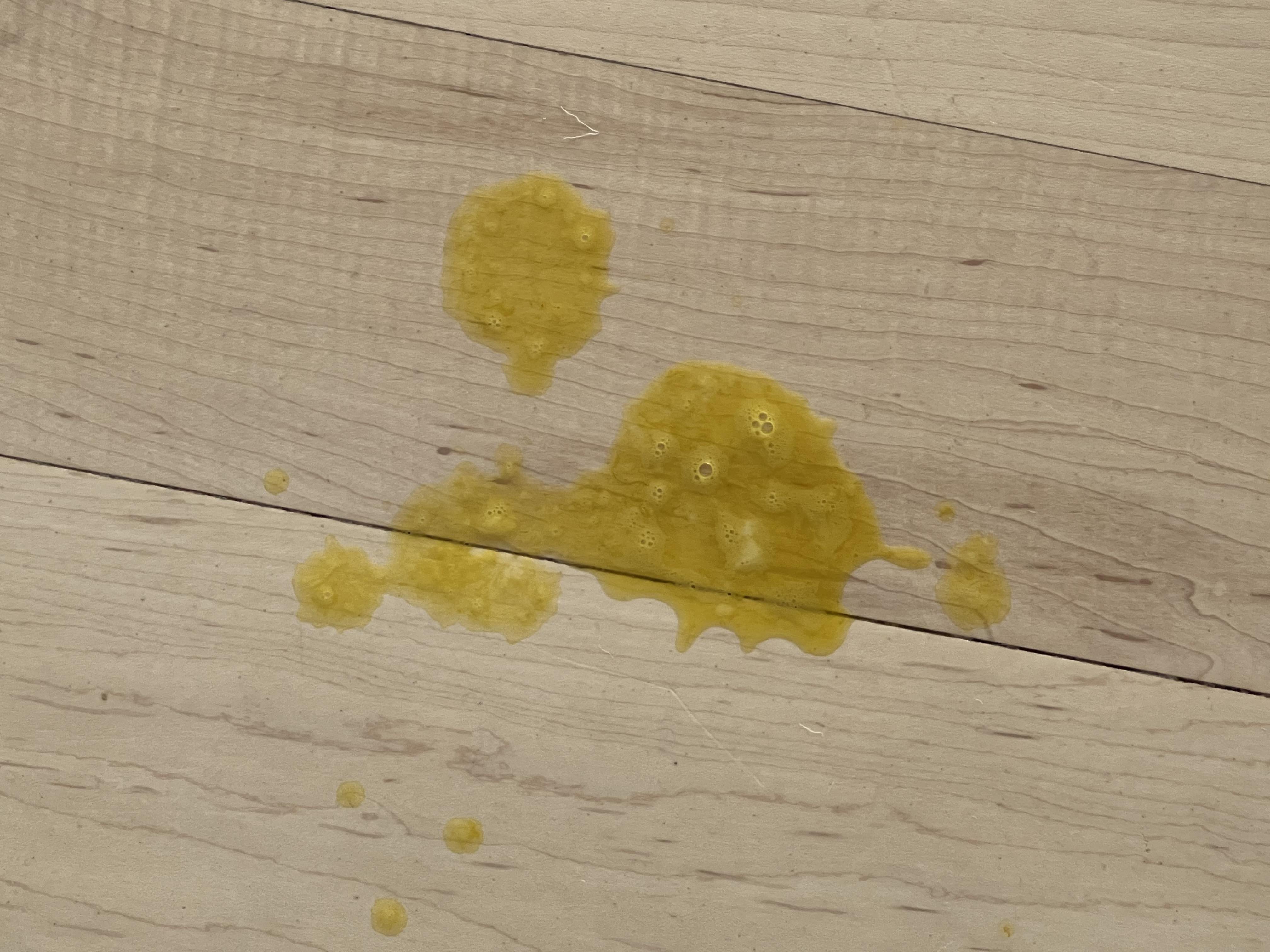
Dog vomiting yellow foam often signals bile from an empty stomach or mild gastric irritation.
I’ve spent years working with vets and dog owners, and I know how worrying it is when a dog vomits yellow foam. This guide breaks down why dog vomiting yellow foam happens, what to do right away, when it’s an emergency, how vets diagnose it, treatment options, and practical prevention tips you can use at home.
Causes of dog vomiting yellow foam
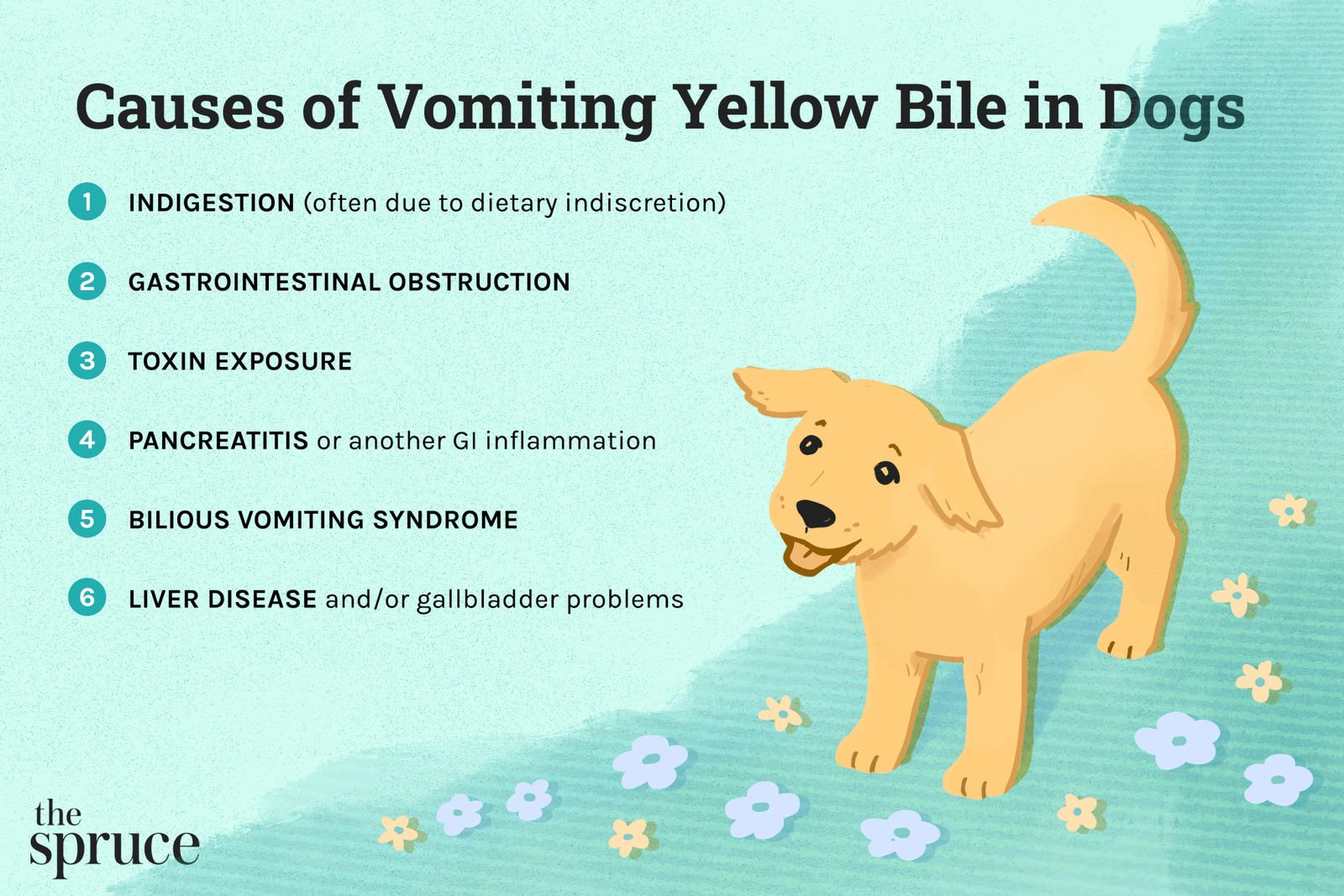
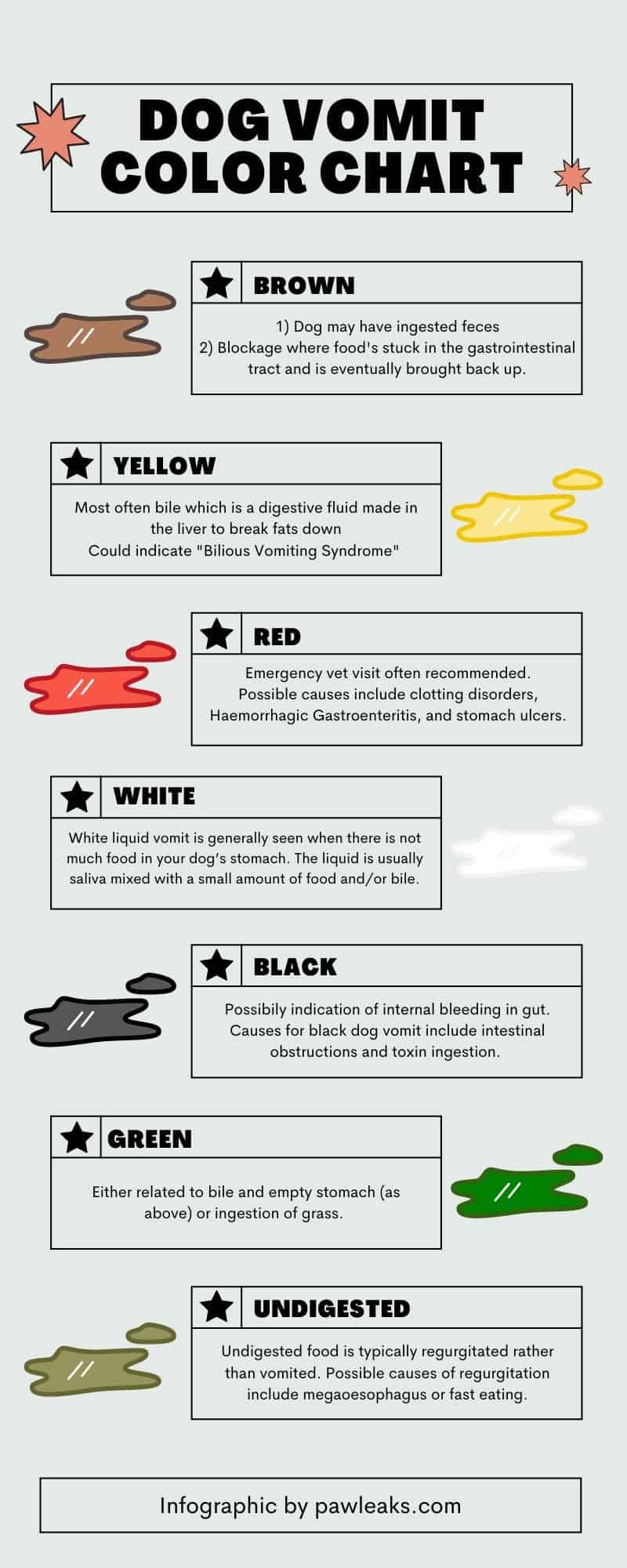
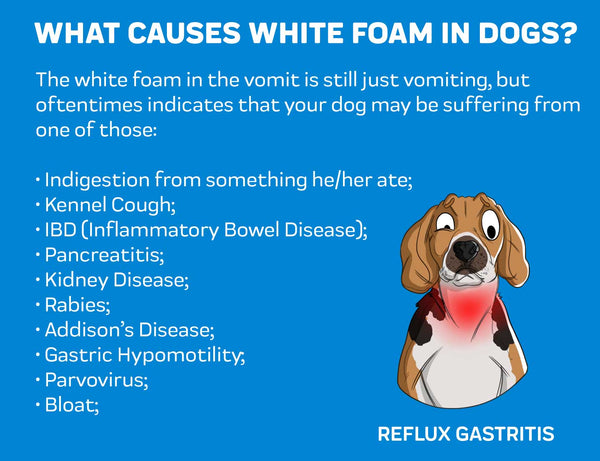
Dog vomiting yellow foam usually means bile or stomach acid is present. Bile is yellow and can appear when the stomach is empty or irritated. Other causes include dietary upsets, minor infections, toxin exposure, and more serious issues like pancreatitis or intestinal obstruction.
Common causes to watch for:
- Empty stomach or bile reflux can cause dog vomiting yellow foam, often in the morning.
- Dietary indiscretion, such as eating trash, can lead to dog vomiting yellow foam within hours.
- Gastritis from medications or toxins can cause dog vomiting yellow foam and lethargy.
- Pancreatitis and liver disease may present with dog vomiting yellow foam plus abdominal pain.
- Intestinal blockage can cause repeated dog vomiting yellow foam that becomes severe and persistent.
What to do immediately when your dog is vomiting yellow foam
Stay calm and keep your dog comfortable. Remove food for 6 to 12 hours but keep fresh water available in small amounts. Monitor for other signs like weakness, severe drooling, blood in vomit, or repeated vomiting, which mean you should seek urgent care.
Practical first steps:
- Note the time and frequency of dog vomiting yellow foam to tell your vet.
- Save any vomit sample in a clean container or bag for vet review.
- Avoid giving human medicines unless instructed by a vet, as many can be harmful.

When to see a vet for dog vomiting yellow foam
See a vet within 24 hours if vomiting continues or if your dog shows other symptoms. Seek emergency care immediately for repeated vomiting, abdominal pain, collapse, or signs of toxin exposure. Puppies, seniors, and dogs with health conditions need faster attention when dog vomiting yellow foam occurs.
Red flags that mean urgent care:
- Repeated episodes of dog vomiting yellow foam every hour.
- Signs of dehydration or inability to keep water down.
- Blood in vomit or black, tarry stools indicating bleeding.
- Known access to poisons or choking hazards.

Diagnosis and treatment for dog vomiting yellow foam
Veterinarians start with a full history and physical exam when a dog is vomiting yellow foam. They may run blood tests, X-rays, or ultrasound to check for infection, blockage, or organ disease. Treatment ranges from simple fluid support and anti-nausea meds to surgery for blockages or aggressive care for pancreatitis.
Typical treatments and tests:
- Blood work to check organ function when dog vomiting yellow foam is persistent.
- Imaging to rule out foreign objects or obstructions that can cause dog vomiting yellow foam.
- IV fluids and antiemetics to control vomiting and prevent dehydration.
- Dietary changes and bland food to manage bile-related dog vomiting yellow foam.
- Hospitalization for severe cases with continuous vomiting or complications.

Prevention and home care to reduce dog vomiting yellow foam
Preventing dog vomiting yellow foam starts with stable feeding and safe environment. Feed regular meals, avoid long fasts, and keep garbage and toxins out of reach. For dogs prone to bile vomiting, split the daily food into two or three small meals to reduce acid buildup.
Home care tips I’ve used:
- Feed small, frequent meals so dogs less often have an empty stomach that leads to dog vomiting yellow foam.
- Use slow-feeder bowls for gulpers to prevent vomiting after fast eating.
- Keep a list of emergency numbers and a first-aid kit ready for when dog vomiting yellow foam turns severe.

Personal experience and lessons learned
Years ago I treated a lab that had dog vomiting yellow foam each morning. We discovered long gaps between meals were the main issue and switched to smaller, frequent feedings. The problem improved quickly, and that taught me to always ask about feeding routine when a dog vomiting yellow foam is reported.
Key takeaways from my cases:
- Always ask owners about meal times and access to non-food items when a dog vomiting yellow foam appears.
- Track patterns—time of day and triggers often point to simple fixes for dog vomiting yellow foam.
- Don’t ignore repeated mild vomiting; early vet checks prevent escalation.
Frequently Asked Questions of dog vomiting yellow foam
Why does my dog vomit yellow foam in the morning?
Dogs often vomit yellow foam in the morning due to bile reflux when their stomach is empty. Small, frequent meals can reduce morning bile-related vomiting.
Is yellow foam in vomit dangerous for my dog?
Yellow foam alone is not always dangerous, but frequent or worsening vomiting may indicate illness. If vomiting is persistent, seek veterinary care.
Can diet changes stop dog vomiting yellow foam?
Yes, adjusting meal size and timing often reduces bile vomiting. A bland diet for a short period and gradual return to normal food helps in many cases.
Should I give my dog water after vomiting yellow foam?
Offer small amounts of water slowly to prevent further vomiting. If your dog cannot keep water down, contact your vet.
When is vomiting yellow foam an emergency?
It’s an emergency when vomiting is continuous, contains blood, or is paired with collapse or severe pain. Also seek immediate help if your dog ate a toxin or foreign object.
Conclusion
Dog vomiting yellow foam is commonly caused by bile, diet issues, or mild stomach irritation, but it can also signal serious disease. Watch for patterns, keep your dog hydrated, and seek veterinary care when vomiting is frequent, severe, or paired with other worrying signs. Use smaller, regular meals and safe feeding practices to prevent many cases of dog vomiting yellow foam. If this guide helped you, leave a comment, share your experience, or subscribe for more pet health tips.
