
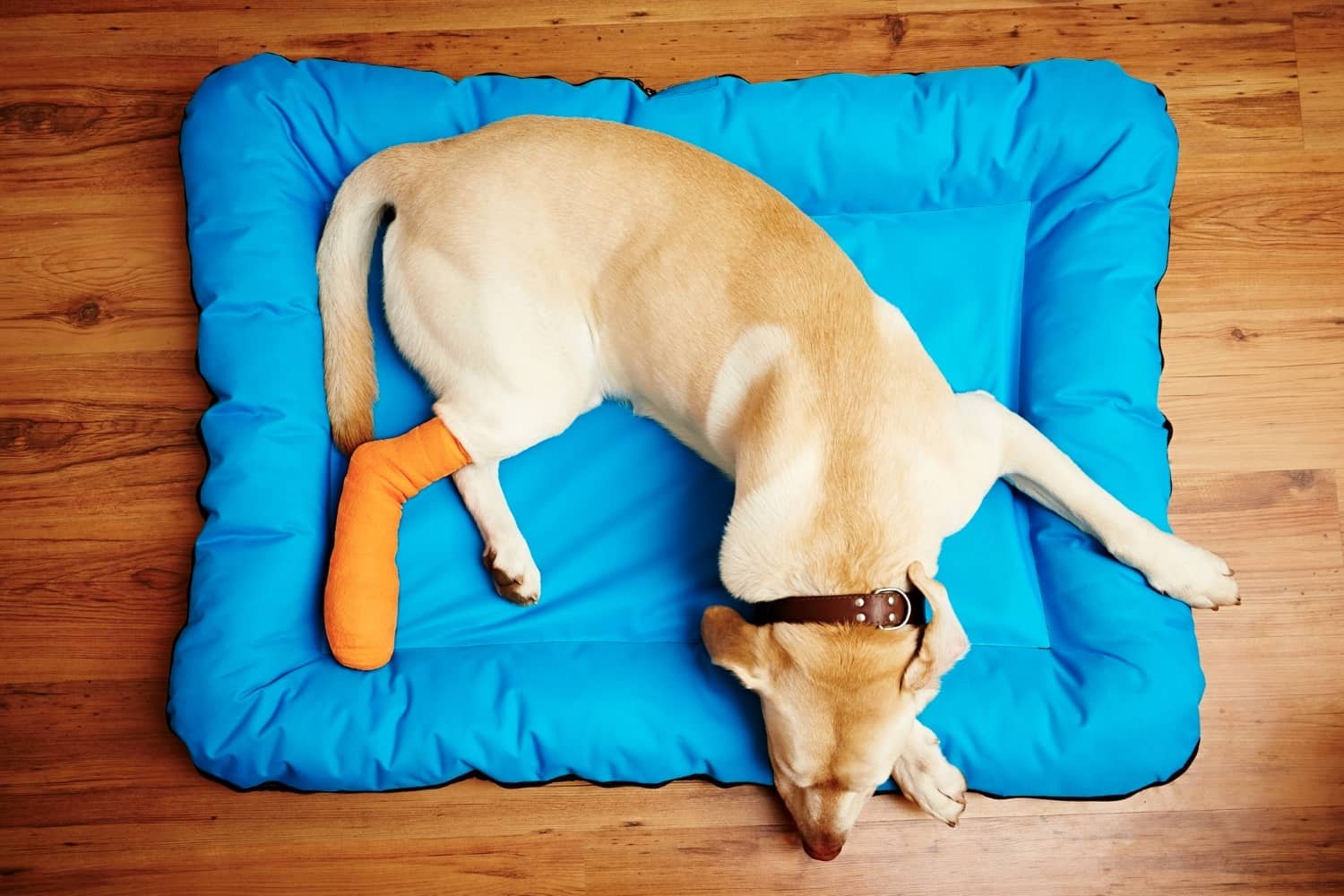
A sudden limp in a dog usually signals pain, injury, or a paw issue that needs quick attention.
I’ve treated and advised dozens of dog owners about dog limping suddenly, and I know how alarming it can be. This guide explains common causes, clear first steps, practical home care, when to see a vet, diagnosis and treatment options, and realistic recovery tips. Read on for expert-backed advice and real-life lessons to help your dog heal faster and avoid common mistakes.
Common causes of a dog limping suddenly
Dogs can start limping suddenly for many reasons. Some are minor and resolve at home. Others require urgent veterinary care.
- Paw injury such as cuts, punctures, thorns, or broken nails. These cause immediate pain and favoring of a leg.
- Foreign objects lodged between toes or in the pad. Small glass, foxtails, or splinters can lead to sudden limping.
- Sprains, strains, or torn ligaments like a cranial cruciate ligament (CCL) tear. These often cause sudden, severe limping.
- Fractures or bone injuries from trauma or high-impact activity. These usually cause obvious pain and swelling.
- Luxating patella or hip issues that can flare up suddenly after play or a slip.
- Insect bites, stings, or allergic reactions around the paw. Swelling and itching can alter gait.
- Acute arthritis flare or joint inflammation, especially in older dogs.
- Nail problems such as broken or ingrown nails. Dogs often limp after a nail injury.
I’ve seen tiny foxtails cause days of limping until found. Always inspect the paw carefully after sudden limping.
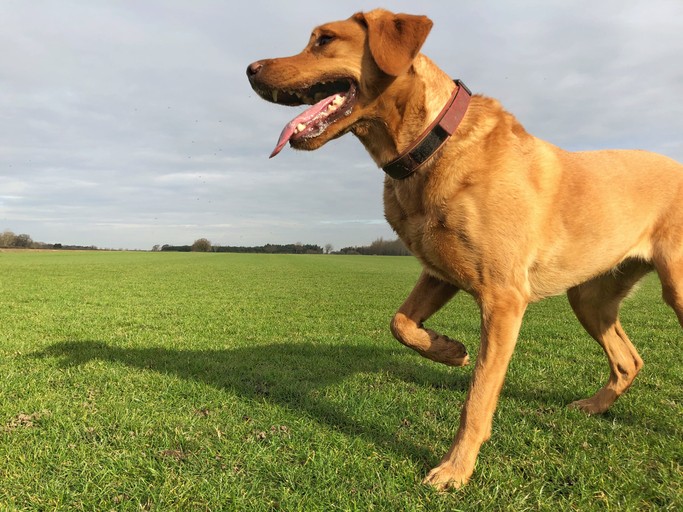
First steps when your dog starts limping suddenly
Stay calm and keep your dog still. Quick, simple actions can reduce further harm.
- Check the paw and leg for bleeding, swelling, foreign objects, or broken nails. Gently spread the toes and look between pads.
- Limit movement and avoid stairs or vigorous activity. Use a leash or crate to control motion.
- Apply a cold compress for fresh injuries to reduce swelling. Use for 10 minutes every 20 minutes, protected by a cloth.
- Avoid giving human pain medications. Many are toxic to dogs and can mask symptoms.
- Call your vet if the limp is severe, your dog won’t bear weight, or the injury looks deep.
From my clinic experience, owners who limit movement and examine the paw immediately often prevent worsening. Early action matters.
At-home care for minor causes of dog limping suddenly
Some limp causes are treatable at home if symptoms are mild and improving. Use judgement and monitor closely.
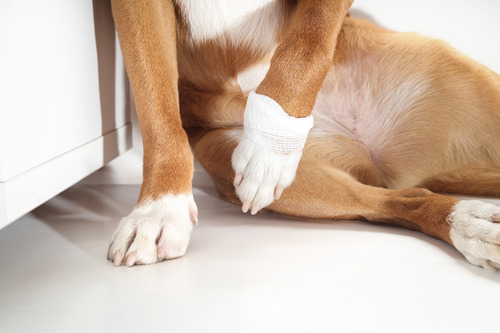
- Clean small cuts with saline and apply a clean bandage. Change the dressing daily and watch for infection.
- Remove visible foreign objects only if easily accessible with tweezers and the dog is calm. If deep or painful, see a vet.
- Keep activity low for 3–7 days. Short leash walks for bathroom breaks only.
- Use an e-collar if your dog licks or chews the injured paw. Excessive licking delays healing.
- Give prescribed meds exactly as directed. Don’t double doses or use leftover human medicine.
I once missed a small penetrating thorn in a dog’s pad. The limp persisted for days until the thorn was found. Small details matter.
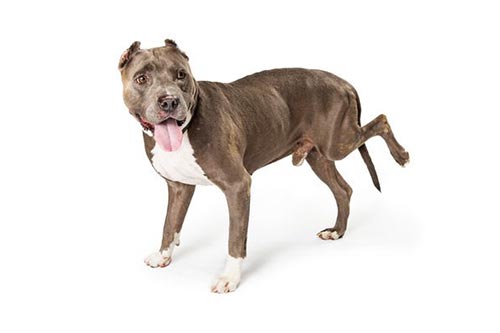
When to see your veterinarian
Seek veterinary care if the limping is severe, persistent, or accompanied by other signs. Don’t delay when serious problems are possible.
- Your dog refuses to put weight on the leg or cries out when touched.
- There is visible deformity, heavy swelling, or a wound that won’t stop bleeding.
- Limping continues beyond 48–72 hours without improvement.
- Signs of systemic illness such as fever, lethargy, or loss of appetite.
- After a fall, high jump, or car accident regardless of immediate appearance.
Prompt veterinary evaluation can catch fractures, CCL tears, or infections early. In my practice, early diagnosis often leads to simpler treatment and faster recovery.

How vets diagnose and treat a dog limping suddenly
Veterinarians follow a stepwise approach to find the cause and recommend treatment. Typical steps include:
- Physical exam focusing on gait, limb palpation, joint stability, and pain points.
- X-rays to check for fractures, joint changes, or bone abnormalities.
- Joint taps, ultrasound, or advanced imaging for complex cases.
- Blood tests if infection or systemic disease is suspected.
Treatment depends on diagnosis:
- Minor wounds: cleaning, antibiotics if needed, and bandaging.
- Ligament tears: surgical repair or stabilization, plus rehabilitation.
- Fractures: splinting, casting, or surgery.
- Arthritis flare: anti-inflammatory medication, joint supplements, and weight management.
I’ve seen dogs recover well with a mix of surgery and rehab for CCL tears. Recovery is often better with a tailored rehab plan.
Pain management and rehabilitation for limping dogs
Good pain control and rehab speed recovery and reduce future problems. Plan for both acute care and long-term support.
- Follow vet-prescribed pain meds carefully. Use them for the recommended duration.
- Controlled physical therapy: underwater treadmill, gentle range-of-motion, and strength exercises.
- Weight management to reduce joint stress. Even small weight loss helps.
- Joint supplements like omega-3s and glucosamine can support healing, as advised by your vet.
- Gradual return-to-play schedule. Rushing activity can cause re-injury.
One owner rushed a dog back to running after a week and had to return for revision surgery. Patience saves time, money, and pain.
Prevention and long-term care to reduce sudden limps
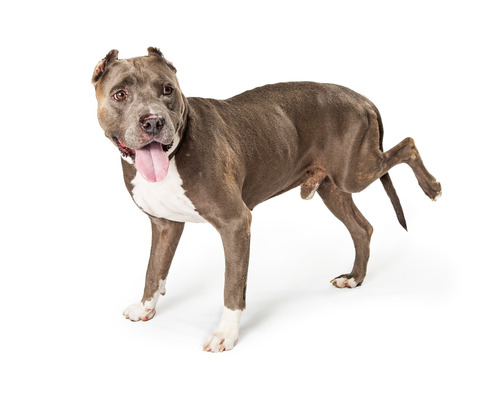
You can reduce the chance of your dog limping suddenly with simple habits. Prevention is better than cure.
- Keep nails trimmed to avoid breaks and snagging.
- Inspect paws after hikes for foxtails, burrs, and debris.
- Use protective booties in harsh terrain or winter ice.
- Maintain a healthy weight and regular low-impact exercise.
- Schedule regular vet checks for early detection of joint disease.
I recommend routine paw checks after every outdoor adventure. They take seconds and prevent many vet visits.
Frequently Asked Questions of dog limping suddenly
What should I do first when my dog limps suddenly?
Check the paw and leg for wounds or foreign objects, keep your dog calm, and limit movement. Call your vet if the limp is severe or the dog won’t bear weight.
Can I give my dog human pain medicine for limping?
No. Many human pain meds are harmful to dogs and can hide worsening symptoms. Always use medications prescribed by your veterinarian.
How long should I monitor a mild limp at home?
If the limp improves within 48–72 hours with rest, home care, and no worsening signs, continue to observe. If there’s no improvement or pain increases, see your vet.
Could a limp be caused by something internal like cancer?
Yes, bone cancer or infections can cause limping, though less commonly than injuries and joint problems. Persistent, unexplained limping warrants veterinary tests.
Is surgery always needed for a ligament tear?
Not always. Small dogs or partial tears may improve with conservative therapy, but many active dogs with full CCL tears do best with surgical repair. Your vet will advise based on size, age, and activity.
Conclusion
A dog limping suddenly should prompt quick attention, calm handling, and a careful paw and leg check. Many causes are treatable at home, but persistent, severe, or worsening limps need veterinary care. Stay observant, follow vet guidance, and use gradual rehab to prevent re-injury. Take action early and learn from each episode to keep your dog active and pain-free. If your dog shows sudden limping, start with a careful exam and contact your vet for the best next steps — and share your experience or questions below.
