
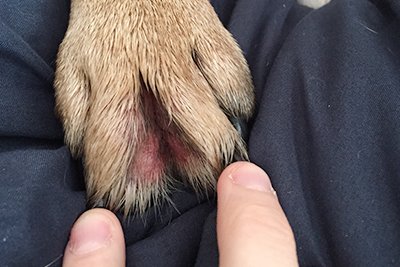
Excessive paw licking often signals allergies, pain, infection, or stress and needs attention.
I have worked with dogs for years as a trainer and caregiver, and I have seen many cases of dog excessive licking paws. This behavior can be simple grooming or a sign of a real problem. In this guide I explain common causes, how vets diagnose it, practical treatments, and easy prevention steps. Read on to learn clear, usable advice to help your dog feel better fast.
:strip_icc()/why-is-my-dog-licking-his-paws-3384908-5ca908a8d720458bb431fcc49ec0774a.png)
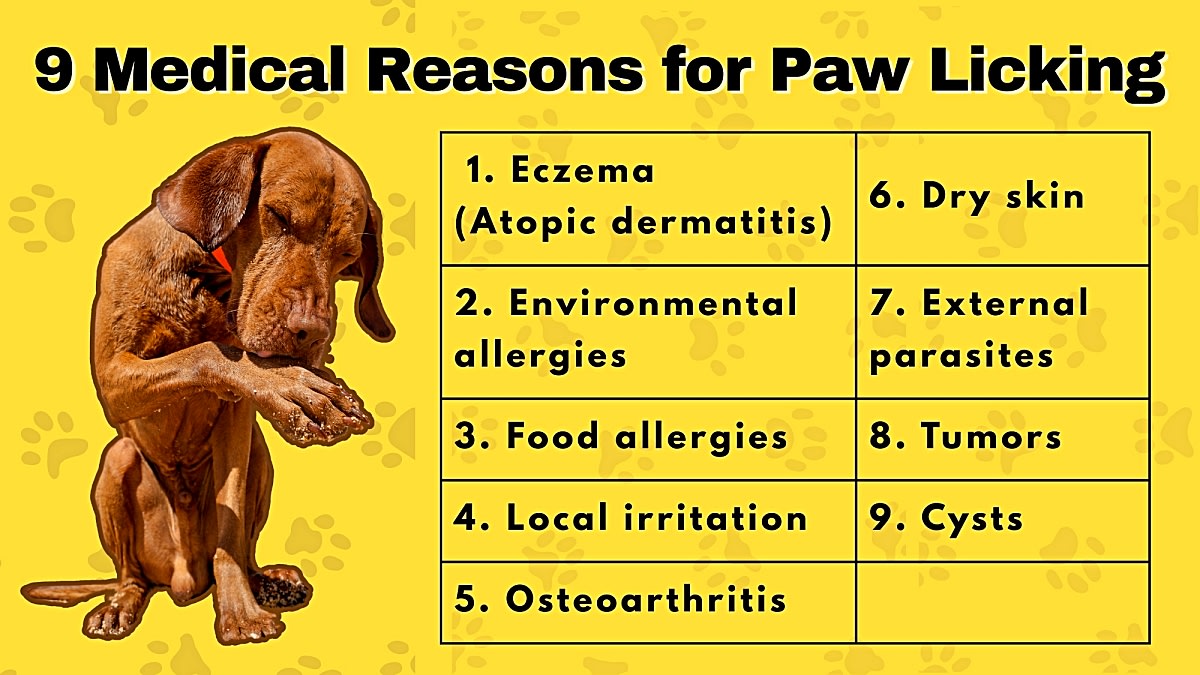
Why dogs lick their paws: common causes
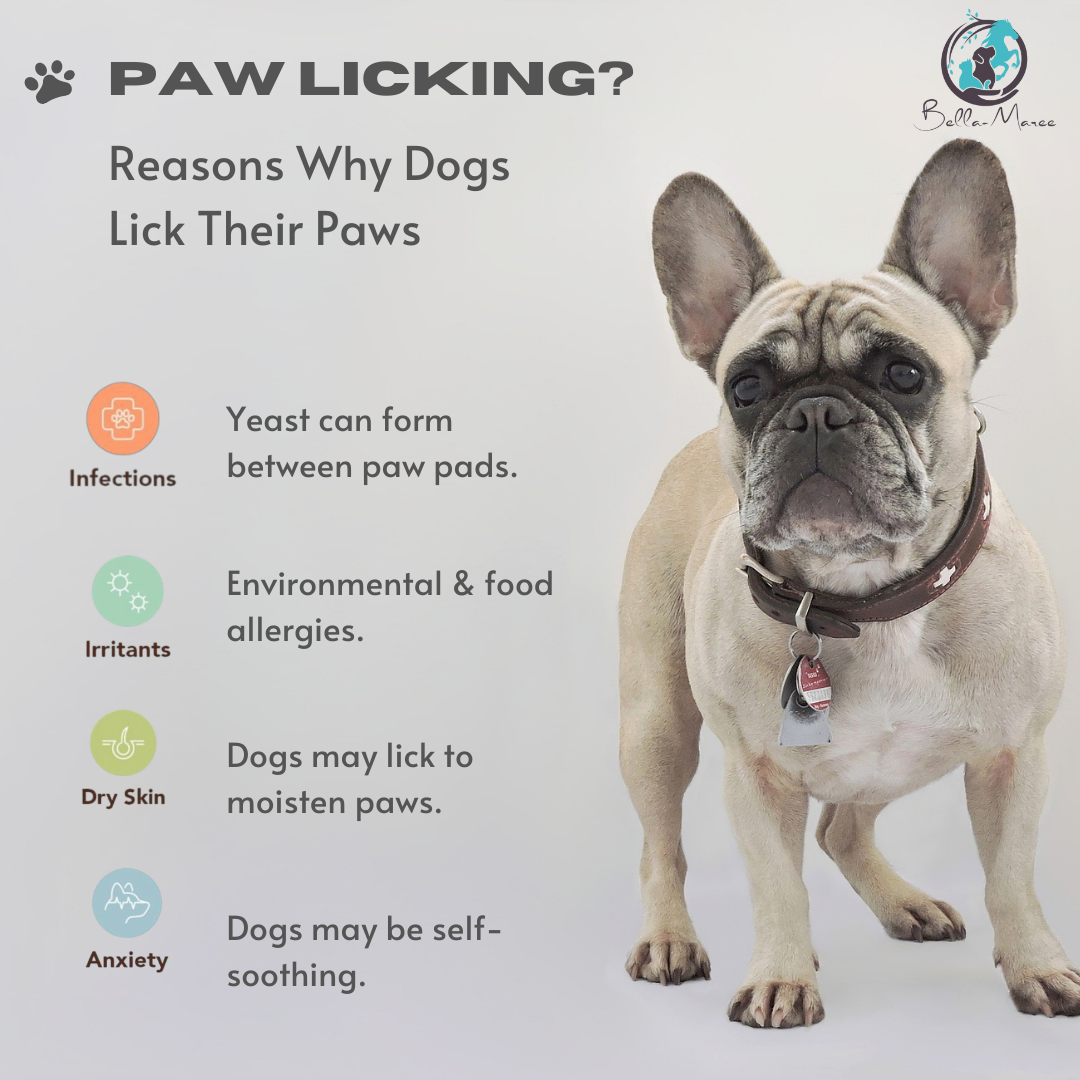
Dogs lick their paws for many reasons. Sometimes it is normal grooming. But dog excessive licking paws often points to an underlying issue. Common causes include allergies, skin infections, foreign objects, pain from injury, or anxiety. Each cause needs a different approach, so spotting the root is key.
- Allergies: Food or environmental allergens can make paws itchy and sore.
- Skin infections: Bacterial or yeast infections cause redness and a bad smell.
- Foreign bodies: Foxtails, glass, or splinters hide between toes and sting.
- Paw injuries: Cuts, burns, or nail problems make dogs lick to soothe pain.
- Behavioral reasons: Boredom, stress, or compulsion drive repeated licking.
Dog excessive licking paws is rarely one-size-fits-all. Watch for patterns and triggers. Note if licking follows walks, after food, or during quiet times.

Signs that dog excessive licking paws is a problem
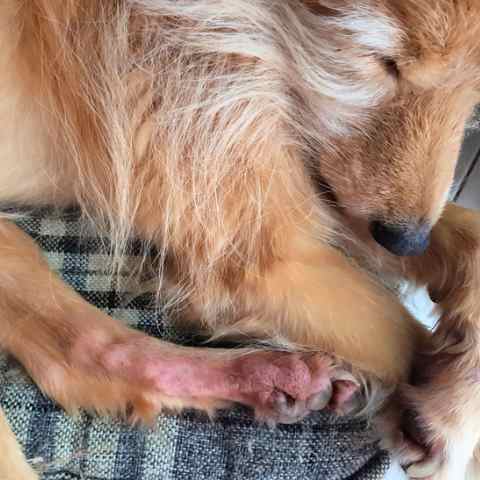
Not all licking needs a vet. But certain signs show trouble. If your dog licks so much that fur thins, skin cracks, or the paw looks raw, act quickly. Watch for limping, swelling, odor, or pus. These signs suggest infection, pain, or a foreign object.
- Red, swollen paws or open sores.
- Hair loss or darkened skin from chronic licking.
- Limping or favoring one paw.
- Bad odor or visible discharge from the paw.
- Licking that increases at night or after certain activities.
If you see any of these signs, do not wait. Persistent dog excessive licking paws can lead to deeper infection and more pain.
How vets diagnose the cause
A vet uses a short exam and simple tests. They will check the paw pads, between toes, nails, and the whole dog for allergies or skin disease. Tests may include skin scrapings, cultures for bacteria or yeast, allergy testing, and X-rays if injury is suspected.
- Visual exam: Vet inspects pads, nails, and hair.
- Skin scrapings: Look for mites or fungal elements under a microscope.
- Cultures: Identify bacteria or yeast to pick the right medicine.
- Allergy testing: Pinpoints food or environmental triggers.
- Imaging: X-ray can show foreign objects or bone problems.
Accurate diagnosis makes treatment faster and safer. In my practice, getting a culture saved days of trial-and-error.

Treatment options: medical and home care
Treatment depends on the cause. For infections, vets often prescribe oral antibiotics or antifungals and topical creams. Allergies may need diet changes, antihistamines, or special shampoos. Injury or foreign bodies require cleaning and possible minor surgery.
- Follow the vet’s medicine plan exactly.
- Keep the paw clean with mild soap and water.
- Use an Elizabethan collar to stop self-trauma while healing.
- Consider a hypoallergenic diet trial for suspected food allergies.
- Use vet-approved topical ointments for irritated skin.
Home care helps a lot. I once treated a dog with a yeast infection by combining a medicated wash and changing its treats. The dog stopped dog excessive licking paws in under a week. Avoid home remedies that sting or block air flow, like heavy ointments not meant for pets.
Preventing dog excessive licking paws long-term
Prevention reduces repeat problems. Regular paw checks, proper grooming, and care after walks lower risk. Control allergies and keep the dog mentally and physically active to cut behavior-driven licking.
- Inspect paws daily for cuts, ticks, or foreign objects.
- Trim fur between toes and keep nails at the right length.
- Wash paws after muddy or salted walks to remove irritants.
- Feed a balanced diet and consider supplements like omega-3s if skin is dry.
- Provide toys and exercise to reduce boredom and stress.
Small habits stop many issues. I advise clients to add a five-minute paw check to the evening routine. It catches problems early and prevents chronic dog excessive licking paws.
My experience: lessons, mistakes, and tips
I have treated many dogs with this issue. One common mistake is waiting too long. Owners often hope licking will stop. It usually does not. Early vet visits save money and pain. Another lesson is to rule out medical causes before assuming behavior. I once helped a nervous terrier with a combined plan of training and allergy control. The tailing licking stopped when both issues were treated.
Practical tips I use and share with clients:
- Keep a simple paw kit: tweezers, saline, soft cloth, and styptic powder.
- Track when licking happens: time of day, after walks, or after treats.
- Try temporary boots on walks to see if paw salt or grit is the trigger.
- Reward calm behavior and use short training sessions to reduce anxiety.
Be patient. Some problems need weeks of care. Stay consistent with routines and vet instructions.

Frequently Asked Questions of dog excessive licking paws
Why does my dog lick one paw only?
One paw licking a lot often means a local issue like a thorn, nail pain, or localized infection. Dogs focus on the painful spot, so inspect that paw for foreign bodies or swelling.
Can stress cause dog excessive licking paws?
Yes, stress and boredom can trigger compulsive licking as a coping habit. Addressing exercise, enrichment, and training often reduces stress-driven licking.
Will home remedies stop dog excessive licking paws?
Some home care helps, like cleaning and short-term topical soaks, but persistent or severe cases need vet care. Avoid human creams without vet approval.
How long before licking becomes dangerous?
If licking causes raw skin, open sores, or infection, it becomes dangerous quickly—within days in some cases. See a vet if skin breaks or smell develops.
Are paw balms helpful for dog excessive licking paws?
Vet-approved paw balms can soothe dry pads and protect against salt or cold. Use them as part of a broader plan when there is no active infection.
When should I seek emergency care?
Seek emergency care for heavy bleeding, severe swelling, severe limping, or signs of systemic illness like fever or lethargy. These signs could mean a serious injury or infection.
Conclusion
Dog excessive licking paws can stem from allergies, infection, injury, or stress. Early checks, proper diagnosis, and the right treatment make the biggest difference. Start with a simple paw inspection, keep good routines, and see your vet when red flags appear. Take action now: add a daily paw check to your routine, note patterns, and book a vet visit if licking persists. If this helped, share your experience below or subscribe for more pet care tips.
