
Common signs include head shaking, ear scratching, odor, redness, discharge, and discomfort.
I’ve treated dozens of dogs with ear problems and seen how quickly small symptoms can worsen. This guide explains dog ear infection symptoms clearly, so you can spot problems early, understand causes, and act with confidence. I blend clinical know-how with real-life tips from working with vets and pet owners to help you recognize signs and get the right care fast.
Symptoms of dog ear infection
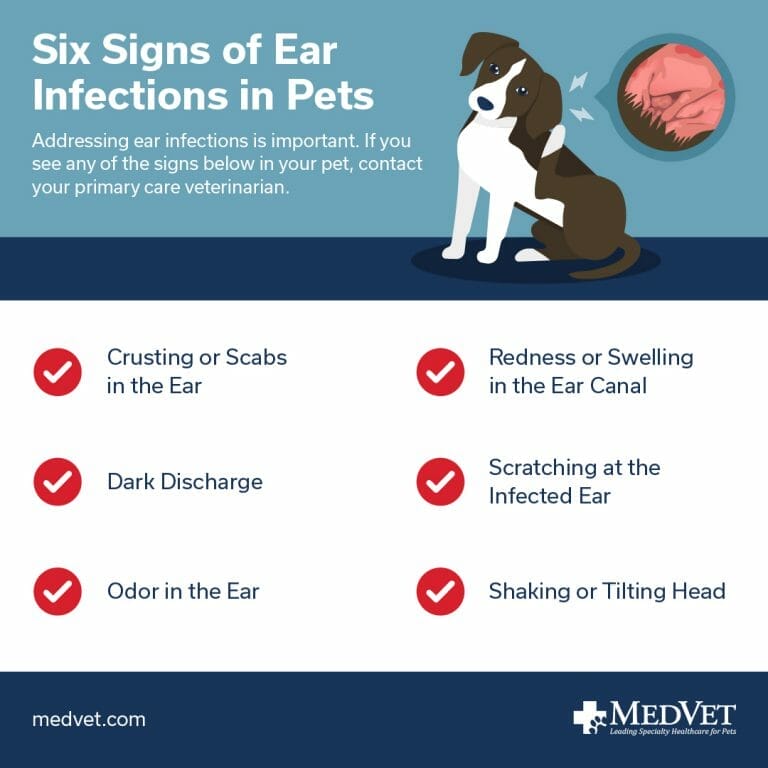
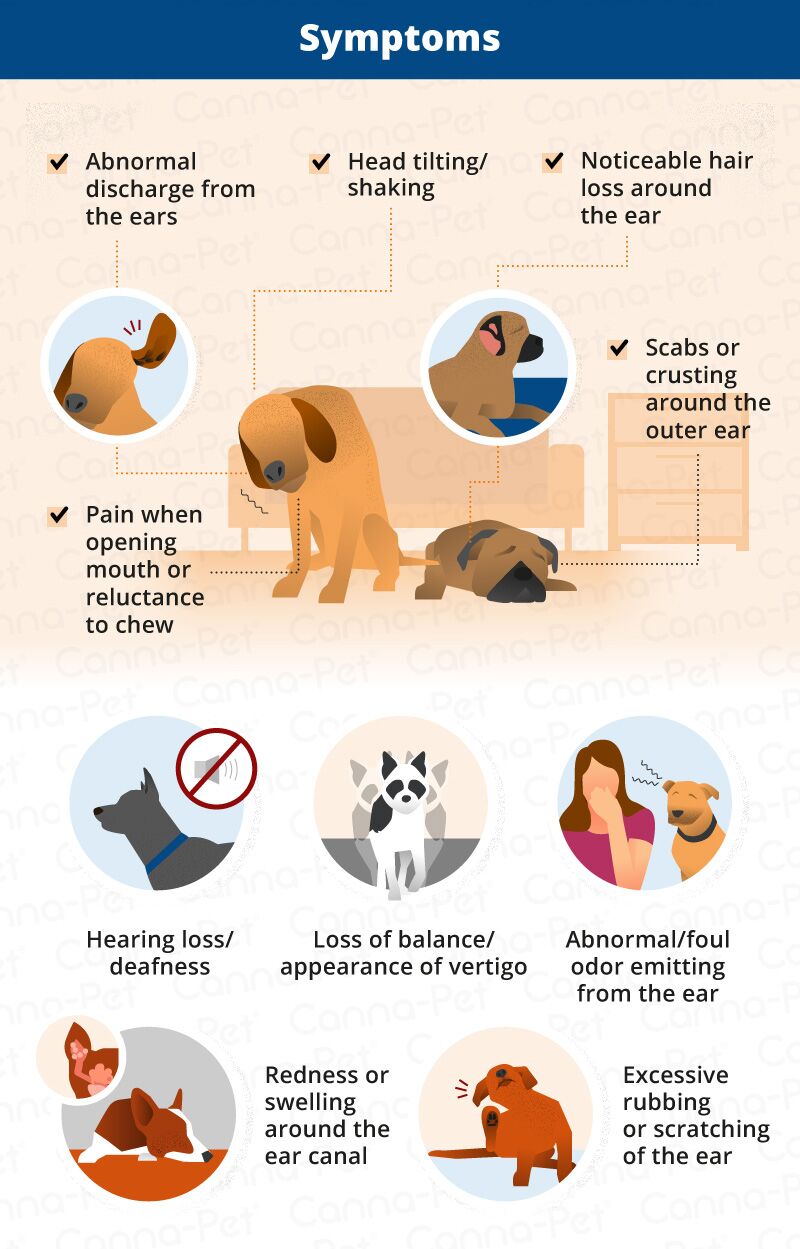
Dogs show a wide range of signs when they have a problem in the ear. Many of the symptoms are easy to spot at home if you know what to look for. These dog ear infection symptoms often start subtly and can become painful if untreated.
Common visible and behavioral signs
- Head shaking — Frequent, vigorous shakes are a top sign of discomfort.
- Ear scratching or rubbing — Dogs paw or rub one or both ears repeatedly.
- Odor — A strong, foul smell coming from the ear often means infection.
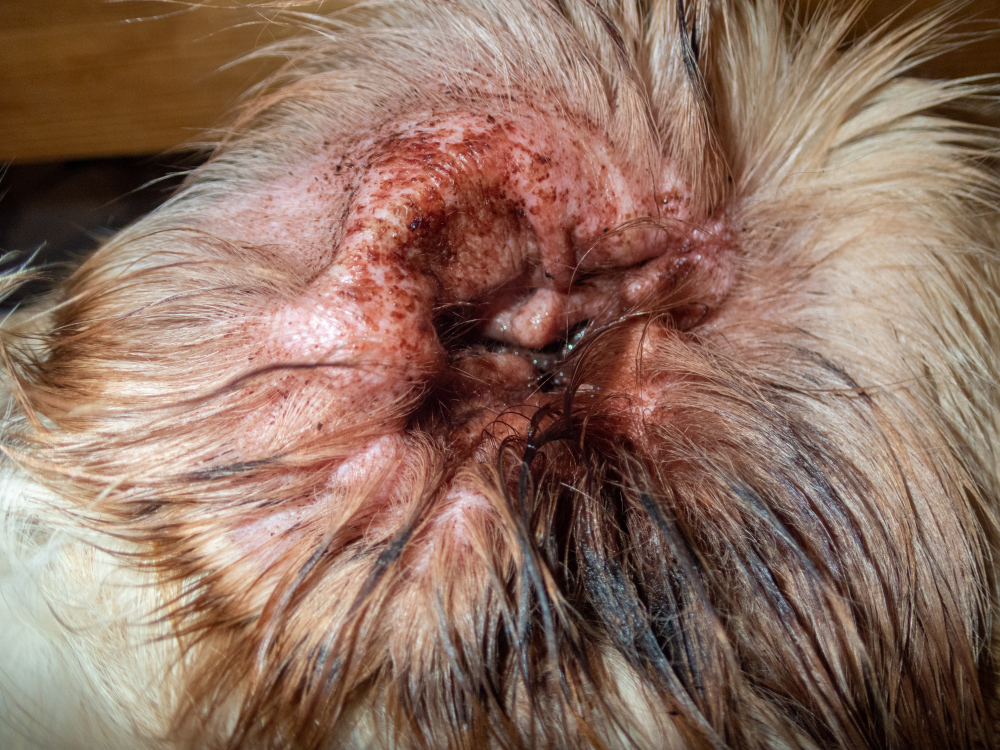
- Discharge — Brown, yellow, or bloody discharge may appear in the ear canal.
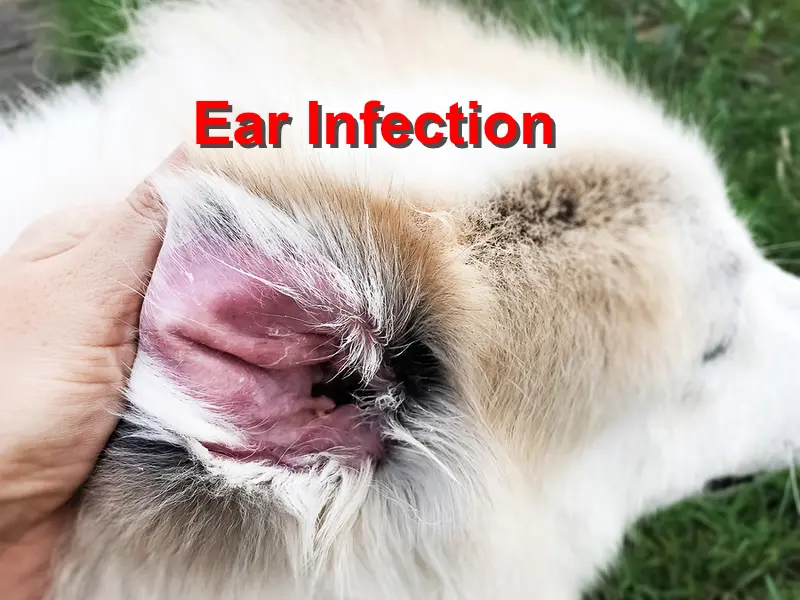
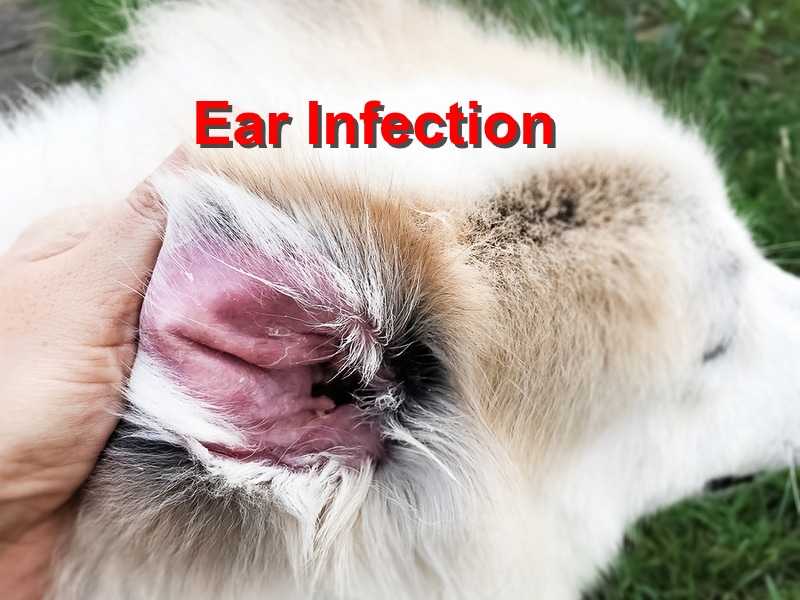
- Redness and swelling — The ear flap and canal can look inflamed and hot.
- Crusting or scabs — Repeated scratching leads to crusts or sores around the ear.
- Hair loss and itching — Local hair loss and intense itching are common.
Signs tied to location and severity
- Outer ear infections (otitis externa) — Visible redness, discharge, and itching in the outer ear. These dog ear infection symptoms are the easiest to spot.
- Middle ear infections — Dogs may tilt the head, lose some hearing, or show pain when the ear is touched.
- Inner ear infections — These can cause balance problems, circling, or severe head tilt and can be dangerous if not treated.
Behavioral and systemic signs
- Reluctance to be touched around the head — Dogs may avoid petting or react when you approach the ear.
- Changes in activity or appetite — Ongoing pain lowers energy and interest in food.
- Fever and lethargy — More severe infections can cause systemic illness.
I’ve seen dogs with just a slight head tilt at first. Catching those early dog ear infection symptoms helped prevent weeks of treatment later.
Common causes of dog ear infections
Understanding why ear problems occur helps prevent them. Multiple factors can lead to dog ear infection symptoms, and often more than one issue plays a role.
Frequent causes
- Bacteria — Overgrowth of bacteria in the ear canal is a common trigger.
- Yeast — Warm, moist ears create the perfect environment for yeast to flourish.
- Ear mites — Young dogs and outdoor animals can get mites that cause intense itch.
- Allergies — Food and environmental allergies lead to inflammation and secondary infection.
- Foreign bodies — Grass seeds, foxtails, or debris can lodge and cause irritation.
- Moisture and swimming — Wet ears after swimming increase risk of infection.
Anatomic and medical contributors
- Breed anatomy — Floppy ears and hairy ear canals trap moisture and reduce airflow.
- Hormonal or metabolic issues — Conditions like hypothyroidism can increase infection risk.
- Chronic ear disease — Repeated infections change the canal, making future infections more likely.
I learned early in my work that breeds like Cocker Spaniels and Basset Hounds need closer ear monitoring because their anatomy predisposes them to recurring dog ear infection symptoms.
How veterinarians diagnose ear infections
A vet visit confirms whether dog ear infection symptoms are due to bacteria, yeast, mites, or another issue. Diagnosis is straightforward but requires proper tools and tests.
Typical steps in diagnosis
- Physical exam — The vet looks for redness, discharge, and pain.
- Otoscopic exam — An otoscope lets the vet view the ear canal and eardrum.
- Cytology — A swab of the ear is examined under a microscope to identify bacteria, yeast, or mites.
- Culture and sensitivity — For stubborn or recurrent infections, a culture may identify the exact bacteria and the best antibiotic.
- Imaging — For deep or chronic infections, X-rays or CT scans can check for middle ear disease.
Clear diagnosis helps target treatment and reduce recurrence. When I worked on stubborn cases, cytology often changed the treatment plan and sped recovery.

Treatment options for dog ear infections
Treatment depends on the cause and severity. Prompt, correct therapy eases dog ear infection symptoms and prevents complications.
Common treatments
- Ear cleaning — Removing debris and discharge makes medications more effective.
- Topical medications — Ear drops with antibiotics, antifungals, or steroids are first-line for many cases.
- Oral medications — Systemic antibiotics or antifungals are used for deeper or severe infections.
- Anti-inflammatories — These reduce pain and swelling, improving comfort.
- Treat underlying causes — Allergy management, parasite control, or surgery for anatomic issues may be needed.
- Surgery — In chronic, severe cases, procedures to widen the canal or remove diseased tissue are considered.
Follow-up care and adherence matter. I’ve seen good results when owners strictly follow drop schedules and return for rechecks.
Safe at-home care and steps you can take
You can help your dog from home, but it must be safe and guided by a vet. Avoid DIY fixes that can worsen dog ear infection symptoms.
Practical home care tips
- Keep ears dry — Dry ears after baths or swimming with a soft cloth.
- Use vet-approved cleaners — Only use cleansers recommended by your vet to avoid irritation.
- Avoid Q-tips inside the canal — Cotton swabs can push debris deeper or damage the eardrum.
- Administer meds as directed — Finish the full course of prescribed drops or pills, even if symptoms improve.
- Monitor closely — Take photos or notes of changes to share with your vet.
Personal tip: I once delayed giving ear drops on a busy weekend and paid for it later. Daily routines like dosing with a meal helped keep me and the owner on schedule.

Preventing ear infections and managing recurrence
Preventing dog ear infection symptoms often means managing risk factors and building a routine. Small habits can make a big difference.
Prevention strategies
- Routine ear checks — Look inside your dog’s ears weekly for early signs.
- Regular cleaning — Clean ears as recommended by your vet, especially for high-risk breeds.
- Drying after water exposure — Use absorbent towels and ear-drying products when needed.
- Manage allergies — Work with your vet to control allergies with diet or medication.
- Keep hair trimmed — For dogs with hairy ear canals, regular grooming improves airflow.
Long-term management reduces recurrence. I advise owners of predisposed breeds to set calendar reminders for ear checks and grooming.
When to seek veterinary care or emergency attention
Some dog ear infection symptoms require urgent vet care. Don’t wait if your dog shows severe or rapidly worsening signs.
Urgent signs
- Severe pain, swelling, or bleeding from the ear
- Head tilt, loss of balance, or disorientation
- High fever, rapid decline, or intense lethargy
- Deep, foul-smelling discharge or tissue damage around the ear
Early vet care prevents complications and chronic disease. If your dog can’t eat, stops responding normally, or shows severe neurologic signs, seek care immediately.
Frequently Asked Questions of dog ear infection symptoms
How can I tell if my dog has an ear infection?
Look for head shaking, ear scratching, odor, and discharge. Redness, swelling, and pain when you touch the ear are common signs.
Are ear infections painful for dogs?
Yes, many dog ear infection symptoms are painful, especially if the infection is deep or swollen. Dogs may show this by avoiding touch or being unusually irritable.
Can ear infections clear up without treatment?
Mild cases sometimes improve, but untreated infections often worsen or return. It’s best to get a vet diagnosis to avoid complications.
How long does treatment take for an ear infection?
Most infections improve within 7 to 14 days with proper treatment, but chronic or deep infections may need weeks of therapy and follow-up. Always finish the full course prescribed.
Can allergies cause dog ear infection symptoms?
Yes, allergies commonly lead to inflammation that becomes secondarily infected. Managing the allergy often reduces ear problems.
Is it safe to clean my dog’s ears at home?
Yes, when you use a vet-approved cleaner and gentle technique. Avoid inserting anything deep into the canal and check with your vet first.
When should I worry about balance issues or head tilt?
Balance problems or head tilt may indicate middle or inner ear involvement and need prompt veterinary attention. These signs can also point to neurological issues.
Conclusion
Recognizing dog ear infection symptoms early makes treatment easier and reduces pain for your dog. Watch for head shaking, odor, discharge, redness, and changes in behavior, and act quickly with vet guidance. Build simple routines—regular checks, drying after swimming, and following treatment plans—to prevent repeat problems. If you notice worrying signs, contact your vet promptly and keep a record of symptoms and treatments. Share your experiences, ask questions below, or subscribe for more practical pet health guides.
