
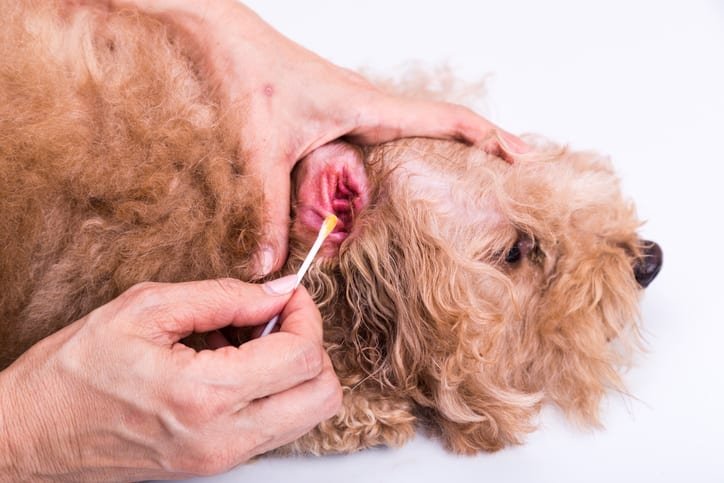
If your dog ear smell bad it often signals infection, yeast, or trapped moisture in the ear.
I’ve worked with many dogs and pet parents, and I know how worrying a strong ear odor can be. This guide explains why dog ear smell bad, how to spot the cause, safe cleaning steps, when to seek veterinary care, and practical prevention tips. I share real-world experience, clear steps you can follow at home, and what to expect at the vet. Read on to get confident about handling smelly dog ears and keeping your pet comfortable and healthy.
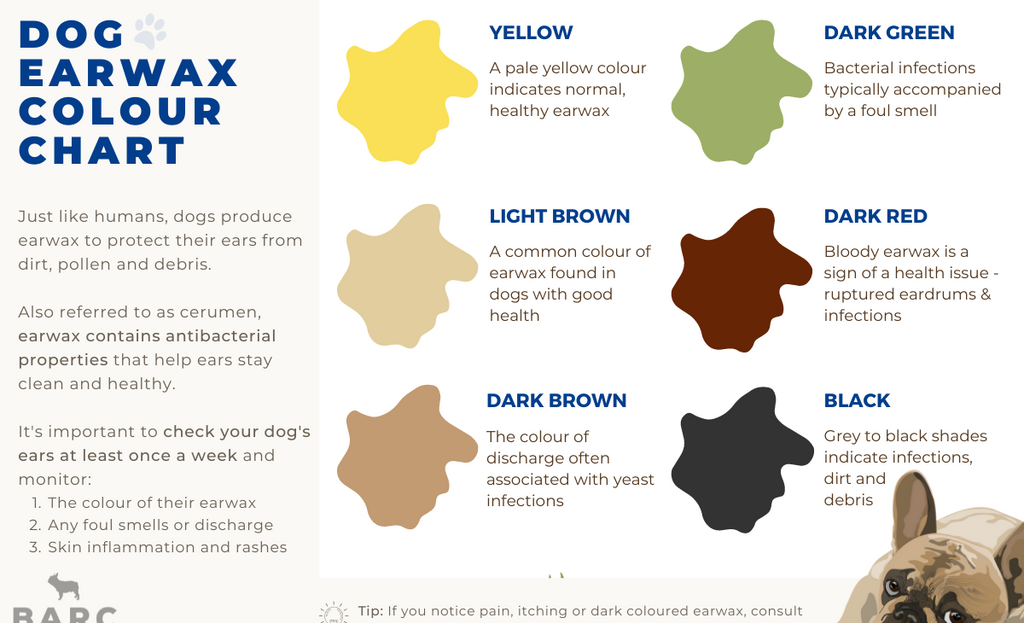
Why dog ear smell bad: common causes
A bad smell in a dog’s ear usually points to a problem. The most common causes are:
-
Yeast overgrowth
Yeast thrives in warm, moist ear canals and gives a musty, sweet smell. -
Bacterial infection
Bacteria can cause a strong, foul odor and often produce colored discharge. -
Ear mites
These tiny parasites cause a dry, crumbly, coffee-ground like debris and a bad smell. -
Trapped moisture
Water from baths or swims can stay in the canal and let microbes grow. -
Wax and debris buildup
Excess wax mixed with dirt can smell as it breaks down. -
Allergies and skin conditions
Food or environmental allergies can change ear chemistry and cause chronic odor. -
Foreign bodies or growths
Grass seeds, tumors, or polyps can trap matter and lead to infection and odor.
Certain breeds are more prone to problems. Dogs with floppy ears, heavy hair in the canal, or very narrow canals often get infections. When dog ear smell bad, checking these common causes helps you decide the next step.

Signs and symptoms when dog ear smell bad
A bad smell rarely comes alone. Look for these signs alongside odor:
-
Scratching or pawing at the ear
Dogs may scratch because the ear feels itchy or painful. -
Head shaking or tilting
These behaviors often mean discomfort inside the ear. -
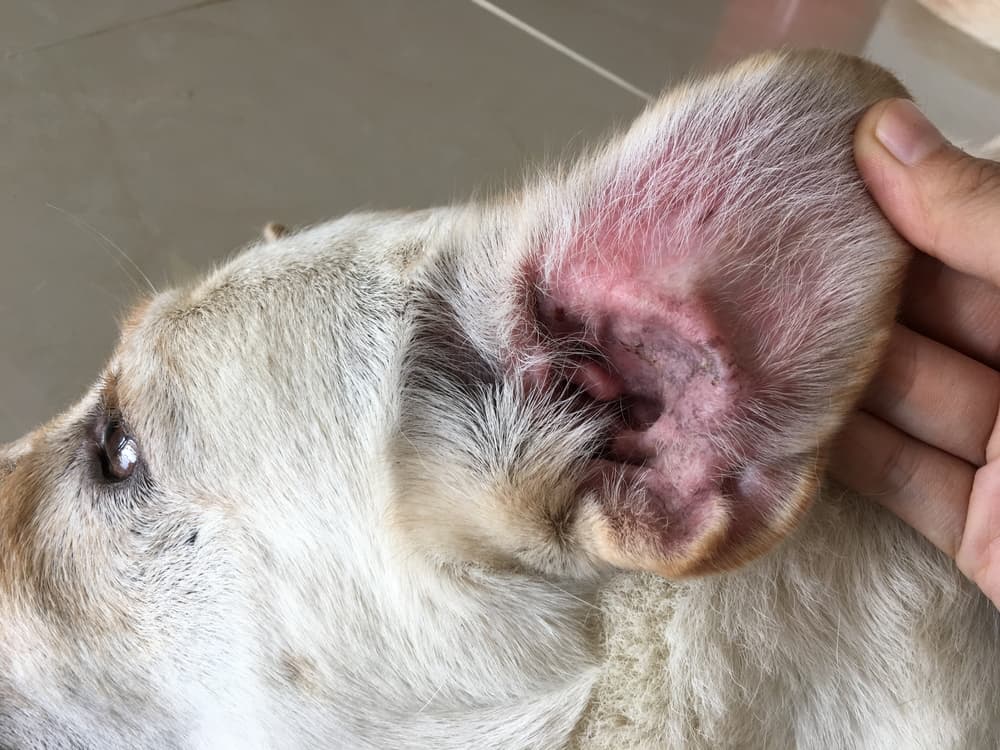
Redness, swelling, or heat
Inflammation shows the ear is irritated or infected. -
Discharge, crusts, or flakes
Clear, yellow, green, or brown discharge signals different issues. -
Sensitivity or pain when touched
Painful ears suggest a more severe infection or deep inflammation. -
Hair loss or scabs around the ear
Chronic rubbing and infection can damage skin.
When you notice a smell plus one or more of these signs, treat the issue as important. Mild transient odor after swimming can be normal, but persistent or strong smell is a warning.

How to check and clean safely when dog ear smell bad
Safety first. Never force anything into the ear canal. Follow these steps to check and clean safely:
-
Gather supplies
- Vet-approved ear cleaner
- Cotton balls or gauze
- Towels and treats for comfort
- A flashlight or headlamp for light
-
Inspect the ear
- Look at the outer ear and ear flap for redness and swelling.
- Gently lift the flap and check the ear canal opening for debris.
- Smell the ear from a short distance to confirm odor source.
-
Clean the outer canal only
- Apply a small amount of cleaner to a cotton ball.
- Wipe the visible parts of the canal and the flap.
- Do not push cotton deep into the ear.
-
Flush if the vet-recommended method calls for it
- Follow product directions for flushing.
- Massage the ear base to move cleaner deeper (but do not probe).
- Let the dog shake. Then gently wipe away loosened debris.
-
Dry the ear thoroughly
- Use a clean cotton ball or gauze to remove excess cleaner.
- Keep ears dry after baths or swimming.
What to avoid
- Do not use cotton swabs inside the canal.
- Avoid alcohol, hydrogen peroxide, or harsh home mixtures unless directed by a vet.
- Don’t medicate with prescription drops without diagnosis.
I once tried to clean a friend’s dog too aggressively. The dog had a painful infection and I made it worse by pushing debris deeper. Since then I only clean the outer ear and call the vet when I see signs of infection.

When to see a vet for dog ear smell bad
Visit a veterinarian if you notice:
- Strong, persistent odor lasting more than 48 hours.
- Severe pain, bleeding, or discharge that is yellow, green, or bloody.
- Recurrent infections or chronic smell despite cleaning.
- Sudden head tilt, loss of balance, or hearing loss.
- Signs of systemic illness such as fever or reduced appetite.
What the vet may do
- Otoscopic exam to view deep ear canal and eardrum.
- Cytology to identify yeast, bacteria, or mites under a microscope.
- Culture and sensitivity for stubborn bacterial infections.
- Allergy testing or skin checks for chronic cases.
- Imaging or referral for deep infections or masses.
Getting a prompt diagnosis prevents complications like chronic otitis or hearing damage. I have seen dogs recover quickly once the right medicine was prescribed.
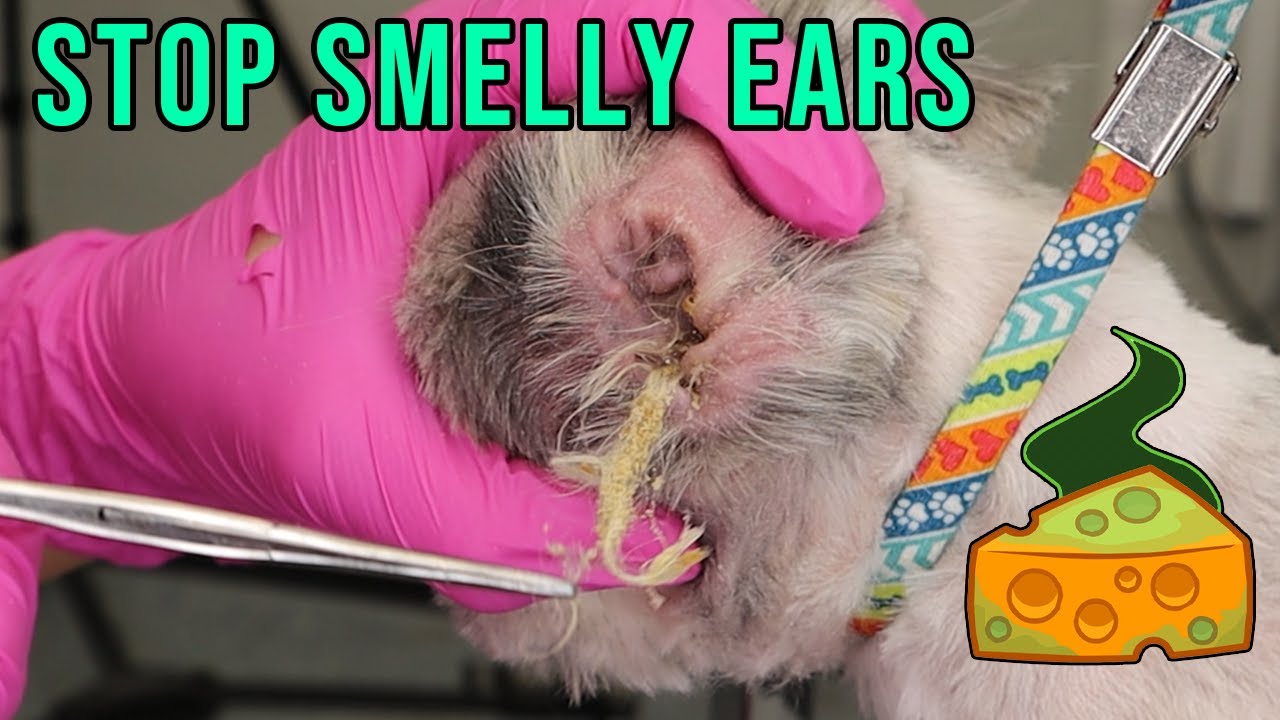
Treatment options for dog ear smell bad
Treatment depends on the cause. Common options include:
-
Topical antifungals
Used for yeast infections, often in ear drop form. -
Topical or systemic antibiotics
Prescribed for bacterial infections based on culture results. -
Anti-parasitic drops
Effective for ear mites and their debris. -
Anti-inflammatory medications
Steroids or other drugs to reduce swelling and pain in severe cases. -
Ear cleaning under sedation
Used for dogs with deep debris or painful ears that can’t be cleaned awake. -
Surgery
In chronic, severe cases, surgery may correct anatomical issues or remove growths.
Home remedies to use with caution
- Apple cider vinegar dilution is sometimes suggested, but it can sting and harm damaged skin. Use only if cleared by your vet.
- Olive oil or mineral oil may help loosen dry debris, but do not replace vet care.
I once treated a dog with recurring yeast infections. A switch to a vet-prescribed antifungal and a simple weekly cleaning routine stopped the odor for months. The key was accurate diagnosis and consistent care.

Preventing dog ear smell bad: routine care
Prevention is often simpler than treatment. Use these tips:
-
Check ears weekly
Look, smell, and feel the ears after walks, baths, or swims. -
Keep ears dry
Towel-dry ears and use drying drops if your dog swims often. -
Clean only when needed
Overcleaning can strip natural oils and cause issues. Ask your vet how often to clean. -
Manage allergies and skin health
Work with your vet on diet changes or allergy control if your dog has recurring ear trouble. -
Groom for airflow
Trim excess hair around the ear canal in breeds that need it. -
Choose gentle products
Use vet-approved cleaners and avoid harsh home mixes. -
Watch habits and behavior
Address pawing, head shaking, or ear rubbing early to stop damage.
Small steps reduce the chance that dog ear smell bad becomes a chronic problem. Prevention kept my spaniel from recurring infections after a bad season of swimming and allergies.
Frequently Asked Questions of dog ear smell bad
Why do my dog's ears smell like yeast?
Yeast naturally lives on the skin. When moisture and warmth increase, yeast multiplies and makes a musty, sweet odor. A vet can confirm yeast with a simple ear cytology.
Can a bad ear smell mean my dog has an allergy?
Yes. Allergies change the skin and ear environment and can lead to secondary infections that smell bad. Managing the allergy often reduces ear problems.
Is it safe to use vinegar or hydrogen peroxide to clean a smelly ear?
No, not without veterinary approval. These agents can irritate inflamed tissue and worsen pain. Use only vet-recommended cleaners.
How often should I clean my dog's ears to prevent odor?
Most dogs need cleaning only when the ears look dirty or after water exposure. Dogs prone to infections may need weekly cleaning; ask your vet for a plan.
Can humans catch ear infections from dogs?
Most canine ear infections are caused by species-specific microbes and are unlikely to infect humans. Good hygiene and hand washing are sensible after handling infected ears.
What if my dog's ear smell bad and they are shaking their head a lot?
Head shaking suggests irritation or pain. See a vet soon, as shaking can worsen inflammation and push debris deeper into the canal.
Will diet changes help stop a smelly ear?
In dogs where allergies drive ear disease, diet changes can help. An elimination diet guided by your vet may reveal food triggers and reduce ear infections.
Conclusion
A smelly ear usually signals a problem that needs attention. Common causes include yeast, bacteria, mites, moisture, and allergies. Check your dog often, clean safely, and seek veterinary care when odor is strong or paired with pain, discharge, or repeated episodes. Act early to prevent chronic trouble and keep your pet comfortable. Start today by giving your dog a gentle ear check and scheduling a vet visit if you detect persistent odor or other worrying signs. Leave a comment with your experience or subscribe for more pet care tips.
