
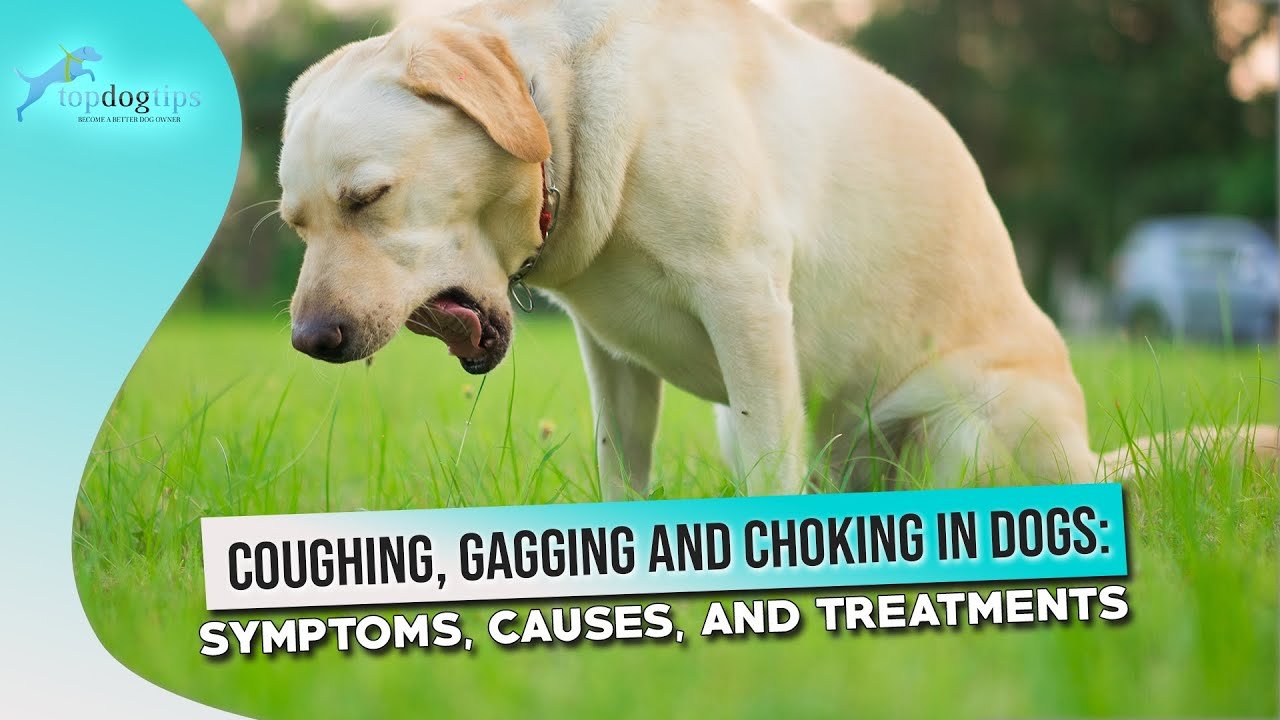
Dog coughing gagging often signals irritation, infection, heart issues, or a stuck object.
As a veterinary technician and long-time dog owner, I’ve seen how alarming a bout of dog coughing gagging can be. This guide breaks down causes, signs, tests, care, and prevention in plain language. Read on to learn how to spot danger, what to try at home, and when to get urgent help.

Common causes of dog coughing and gagging
Dogs cough and gag for many reasons. Sometimes it is mild and short lived. Other times it shows a serious problem. Knowing common causes helps you act fast.
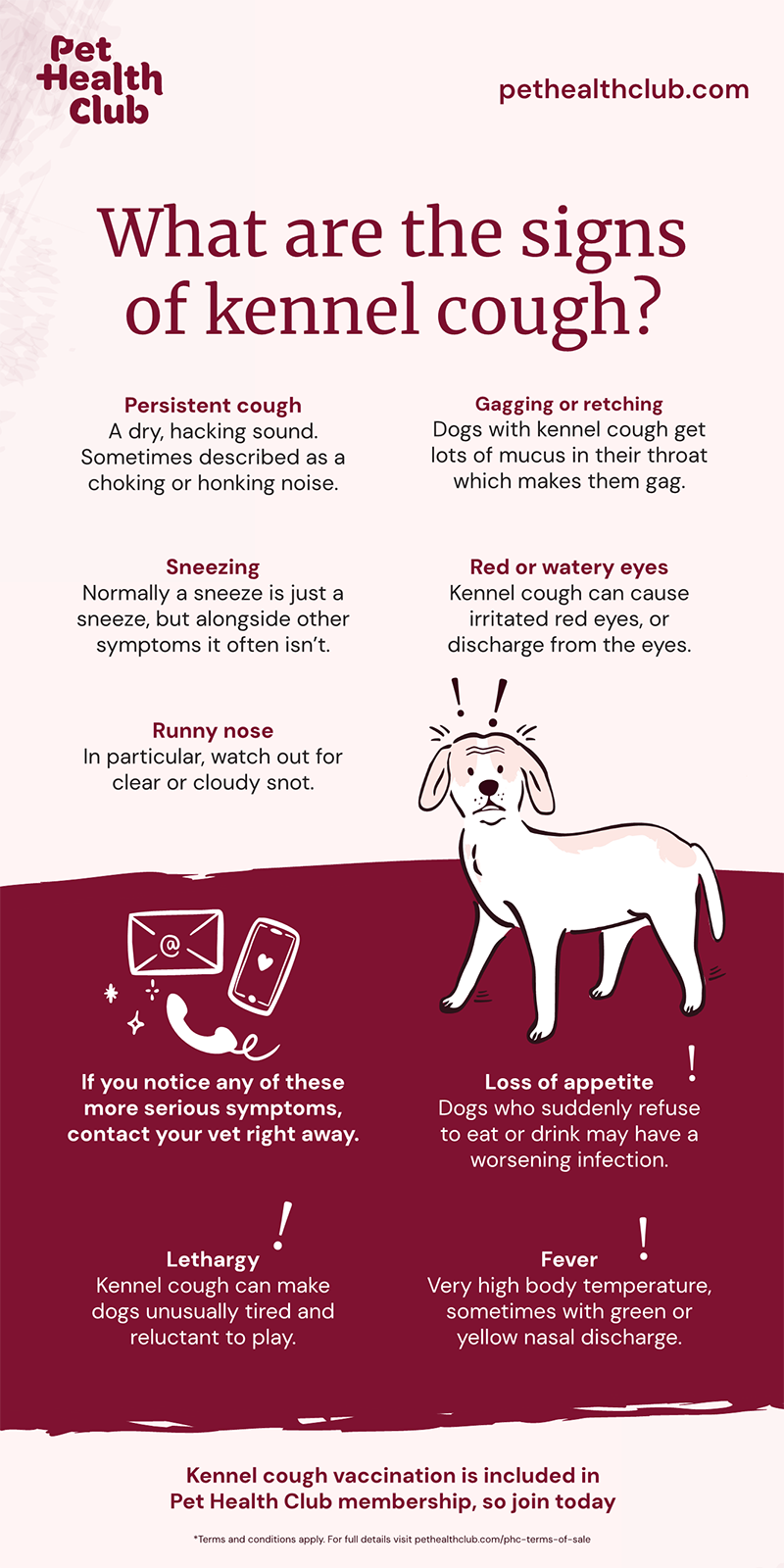
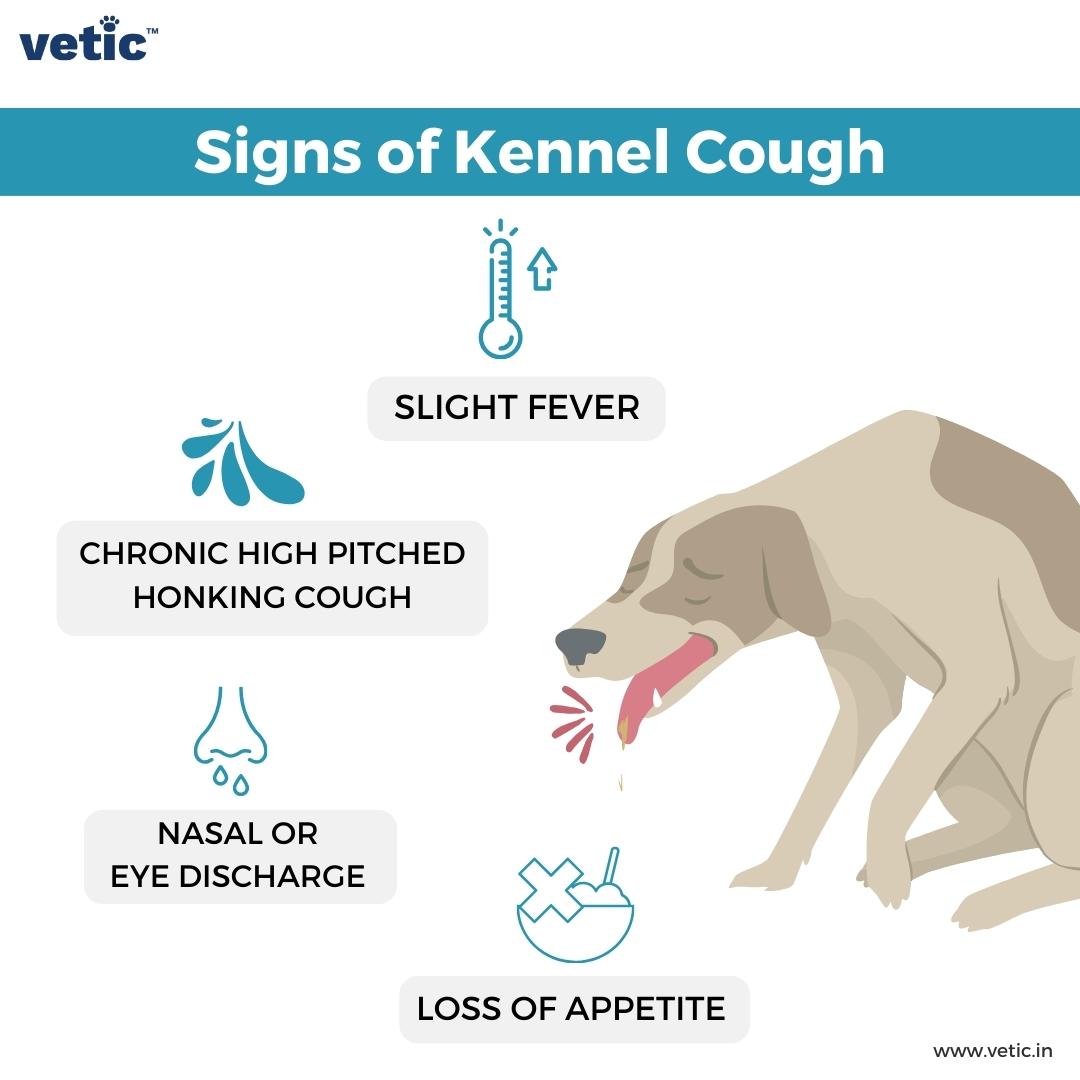
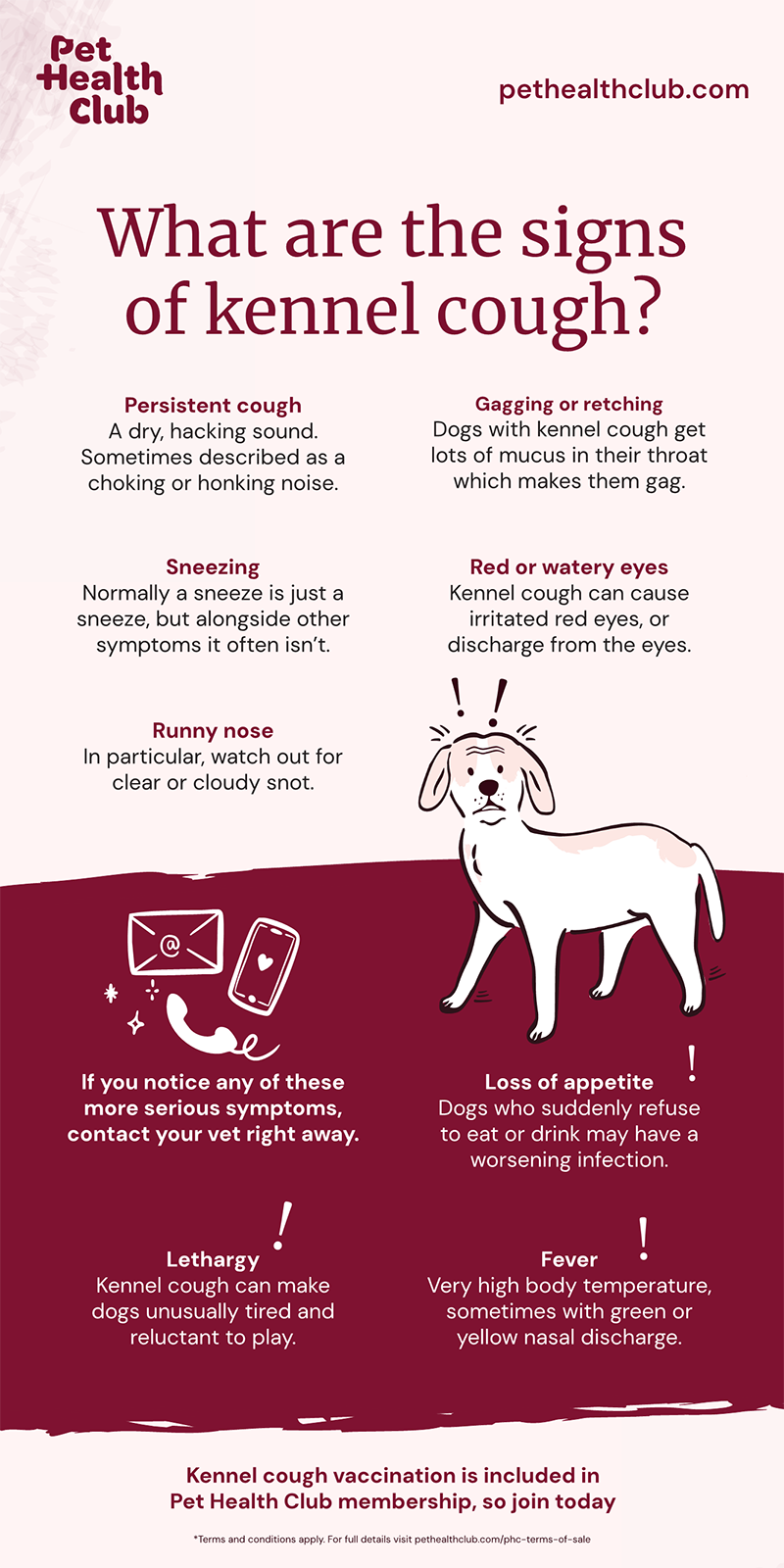
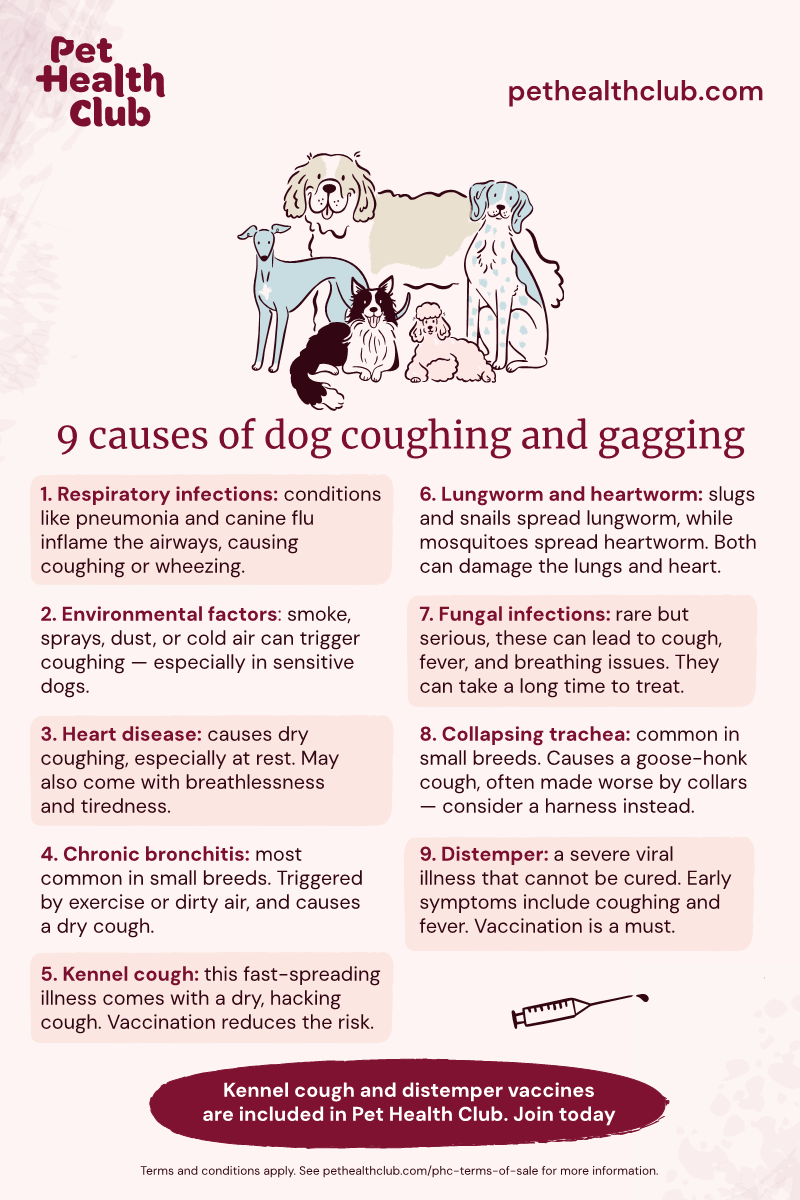
- Respiratory infections: Kennel cough and bronchitis can cause repeated coughing and gagging.
- Heart disease: Fluid in the lungs from heart problems can lead to coughs and gagging.
- Tracheal collapse: Small breeds often gag when their windpipe narrows.
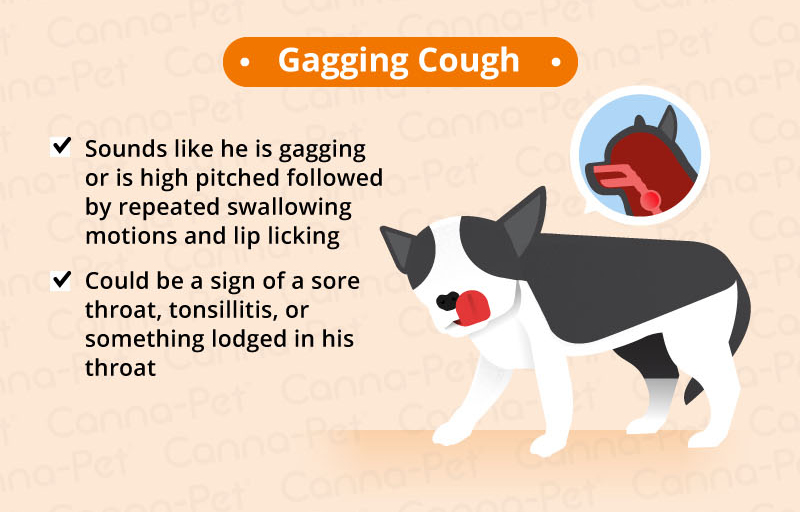
- Foreign body: A stuck object or food can trigger retching, gagging, and coughing.
- Allergies and irritants: Smoke, dust, or pollen can cause throat irritation and coughs.
If you notice dog coughing gagging that lasts more than a day or gets worse, call your vet. Early action can prevent bigger problems.
How to tell cough, gag, or reverse sneeze
The sounds are different and the meaning matters. Learning the difference helps you respond right away.
- Cough: A single or repeated deep sound. Often comes with phlegm or shortness of breath.
- Gag: A choking, retching motion. The dog may try to swallow hard.
- Reverse sneeze: A fast, loud inhalation with head and neck extension. It looks scary but is often harmless.
When you hear dog coughing gagging, watch the pattern, breath rate, and color of gums. Pale or blue gums mean low oxygen and need emergency care.
When to seek veterinary help
Some signs mean a trip to the clinic now. Don’t wait if you see these.
- Trouble breathing, open-mouth breathing, or very fast breaths.
- Blood in saliva or sputum, or repeated vomiting.
- Collapse, fainting, or very pale or blue gums.
- Coughing or gagging that lasts more than 24 hours or gets worse.
If you are unsure, call your vet for advice. Better safe than sorry when it comes to breathing problems.
How vets diagnose causes of coughing and gagging
Vets use tests and careful exams to find the cause. Here are common steps.
- Physical exam: Listening to the lungs and checking the throat and heart.
- X-rays: Look for fluid, foreign objects, or heart enlargement.
- Blood tests: Check for infection, organ function, and heart disease markers.
- Endoscopy or bronchoscopy: Visualize and remove objects or take samples.
- Heart tests: Electrocardiogram or ultrasound if heart disease is likely.
Diagnosis helps the vet tailor treatment so your dog recovers faster from dog coughing gagging.

Treatment options and home care
Treatment depends on the cause. Always follow your vet’s plan. Here are typical treatments and safe home care tips.
- Antibiotics: For bacterial infections.
- Cough suppressants or bronchodilators: To ease coughing when safe.
- Surgery or endoscopy: To remove a foreign body.
- Heart medications: For heart-related coughing and fluid buildup.
- Supportive care at home: Keep the air clear, use a harness instead of a collar, and offer water.
Avoid home remedies that suppress breathing. If you give meds, use only what your vet prescribes. For mild episodes of dog coughing gagging, humidifiers and short rest often help.
Preventing dog coughing and gagging
Prevention is often easier than cure. Small changes cut risk a lot.
- Vaccinate: Kennel cough and flu vaccines reduce infection risk.
- Dental care: Good teeth lower the chance of oral infections that can cause gagging.
- Safe chew toys: Avoid small objects that can be swallowed.
- Environment: Avoid smoke, strong sprays, and dusty areas.
- Weight control and exercise: Keep heart and lungs healthy.
Regular vet checkups catch issues early and reduce future episodes of dog coughing gagging.
My experience and practical tips
I have handled many dogs with cough and gag problems in clinics and at home. A few lessons stand out.
- Do a calm check first. Panicking scares your dog and makes breathing worse.
- Use a harness for dogs that cough with collars. It often stops pressure on the throat.
- Record a short video of the episode. Vets can learn a lot from a clip.
- Keep a list of triggers. Allergens, new treats, or toys can point to the cause.
One of my dogs choked on a small bone. A quick vet visit and removal solved the gagging. That taught me to always watch what my dogs chew.

Frequently Asked Questions of dog coughing gagging
What does a dry cough with gagging mean?
A dry cough with gagging often signals throat irritation, tracheal issues, or kennel cough. It can also be a sign of a foreign object or early heart disease.
Can allergies make my dog cough and gag?
Yes. Allergens and environmental irritants can cause throat inflammation and coughing. Removing the trigger and using vet-recommended meds usually helps.
Is reverse sneezing dangerous?
Reverse sneezing looks intense but is usually harmless and short lived. If it happens often or with other signs, see your vet.
How long can I watch a dog coughing gagging at home?
If the episode is mild and brief, watch for 24 hours with close care. Seek vet advice if it lasts, worsens, or other red flags appear.
Will antibiotics always help a coughing dog?
Antibiotics help only if a bacterial infection is present. Vets use tests and exams to decide if they’re needed.
Can heart disease cause gagging in dogs?
Yes. Heart disease can cause fluid buildup in the lungs and airways, leading to coughing and sometimes gagging. Early diagnosis improves outcomes.
Conclusion
Dog coughing gagging can be a small issue or a sign of something serious. Learn the sounds, watch for red flags, and act fast when breathing is hard. Use vaccines, safe toys, and simple home steps to reduce risk. If you’re worried, record the episode and call your vet right away.
Take action today: check your dog’s collar, make a video of any episode, and book a vet visit if symptoms persist. Share your experience below or subscribe for more dog health tips.
