

Frequent urination in dogs often points to infection, diabetes, or stress and needs prompt vet evaluation.
I’ve worked with many dog owners and vets and I’ll walk you through why your dog peeing frequently happens, how professionals diagnose it, and practical steps you can take at home. This guide blends clinical knowledge, clear examples, and real-life tips so you can spot risks early and help your dog feel better fast.
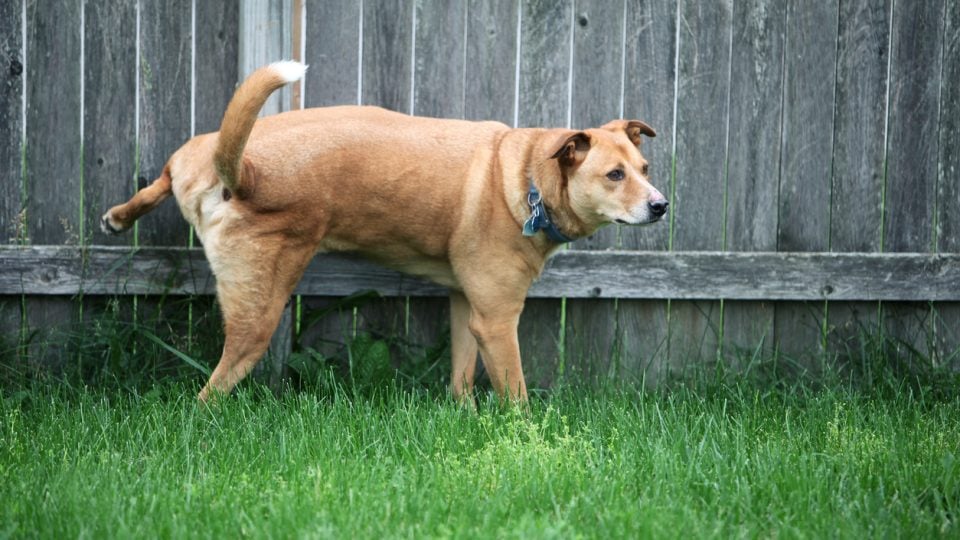
Why is my dog peeing frequently?
When a dog is peeing frequently, it means they urinate more often than normal but may pass less each time. Common causes range from simple behavior changes to medical problems that need swift care. Paying attention to other signs, like thirst, appetite, or energy levels, helps narrow down the cause of dog peeing frequently.
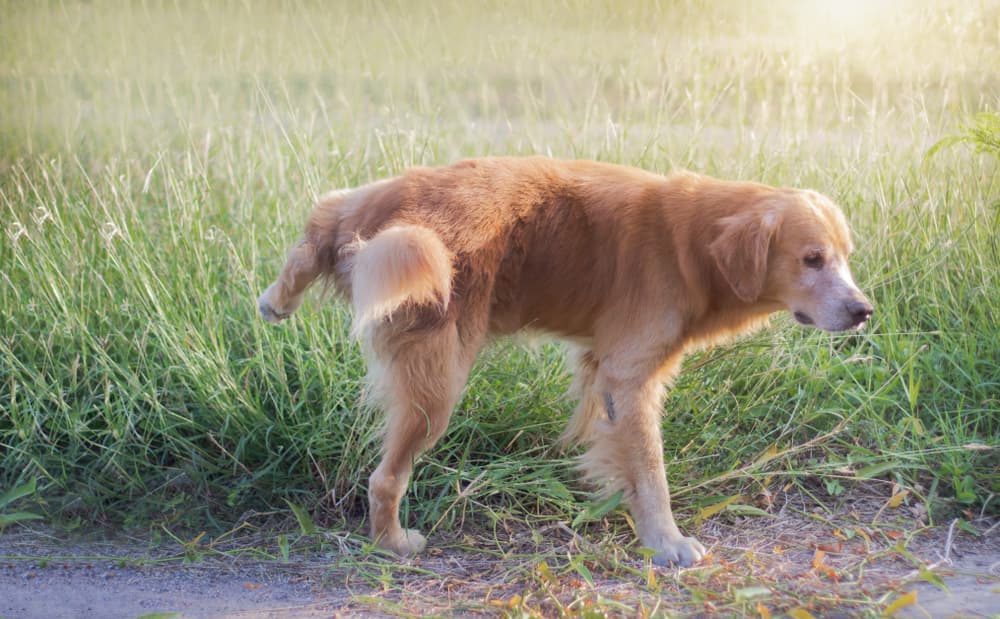
Common medical causes of dog peeing frequently
Urinary tract infection often causes sudden frequent urination and discomfort.
Diabetes can make dogs drink more and pee more; this is common in older dogs.
Kidney disease and bladder stones change urine patterns and may cause accidents.
Hormone problems and some cancers also lead to dog peeing frequently.
If your dog is on medicine, side effects can change urination too.
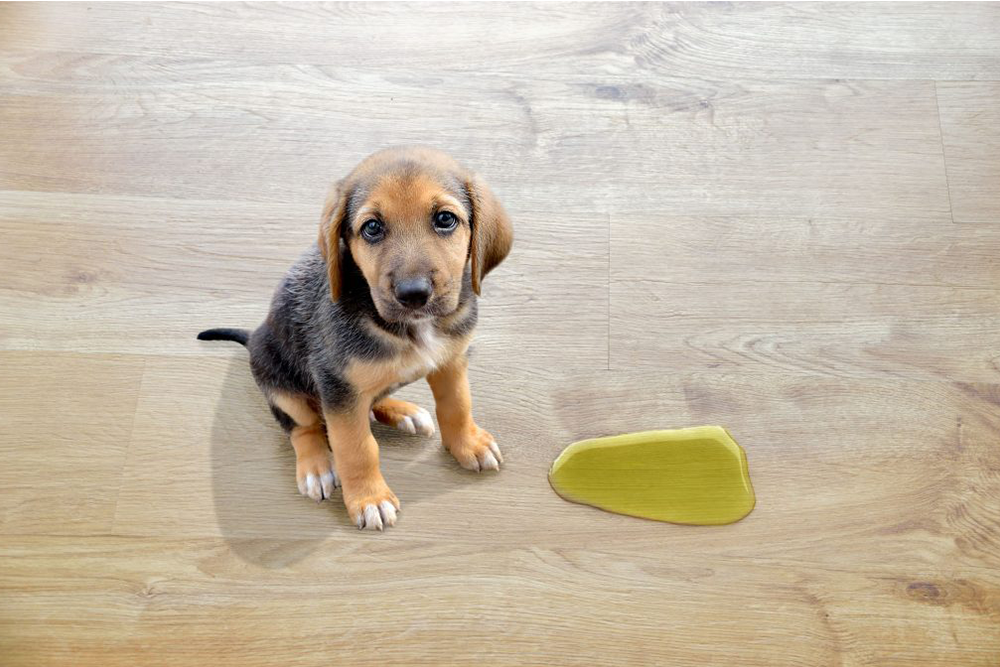
Behavioral and environmental reasons
Changes in routine or stress can cause a dog to pee more often.
New pets, moving houses, or loud noises may trigger anxiety that shows as dog peeing frequently.
Incomplete house training or marking behavior can look like medical problems but have different fixes.
Older dogs with cognitive decline may forget where to go and pee more often.

How vets diagnose the cause
A vet will take a clear history about onset, volume, and other signs when your dog is peeing frequently.
Common tests include urine checks, blood tests, and sometimes imaging like X-rays or ultrasound.
These tests help find infections, diabetes, kidney issues, or stones.
Quick testing at home, like capturing fresh urine, can speed diagnosis at the clinic.

Treatment and management options
Treatment depends on the reason your dog is peeing frequently.
Antibiotics fix many urinary tract infections.
Diet changes, stones removal, or fluids and insulin treat other causes.
Behavioral issues need training, routine changes, and sometimes medication for anxiety.
Follow-up visits and urine checks help ensure the problem is resolving.

Home care and prevention tips
Keep fresh water available but don’t overdo water restriction without vet advice.
Take your dog out on a regular schedule to reduce accidents and monitor frequency.
Clean the yard or indoor spots promptly to avoid repeat marking.
Use potty training, calm routines, and safe chews to lower anxiety that can lead to dog peeing frequently.
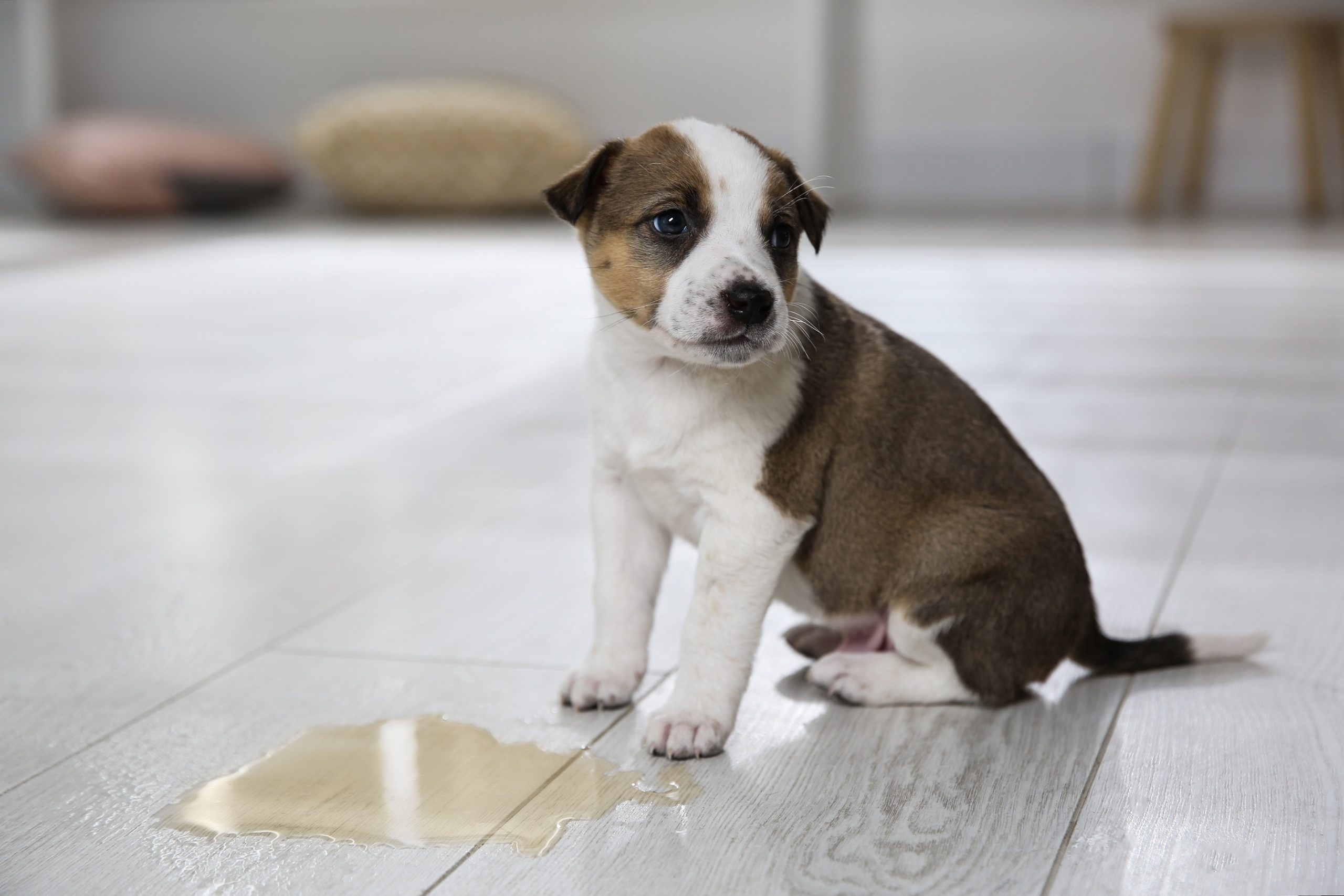
My real-world experience and lessons learned
I once helped a golden retriever who peed frequently after a diet change. A simple food allergy and stress fixed most problems.
I also saw a small terrier whose frequent urination was a silent urinary tract infection. Quick testing and antibiotics worked.
Lesson: act fast. Small changes often hide bigger issues. Capture a urine sample when you can.
:strip_icc()/why-is-dog-peeing-in-the-house-1118305_final-55f844c31c4340db8ab3900571a1387f.jpg)
Monitoring and tracking your dog’s urination
Track bathroom breaks, water intake, and any accidents for a week.
Note time of day, amount, and any straining or blood in urine to share with your vet.
Use a simple chart or app to spot trends early when dog peeing frequently becomes a pattern.
Signs that require urgent vet care
High fever, severe weakness, vomiting, or blood in urine need immediate attention.
If your dog cannot urinate at all, go to an emergency clinic right away.
Sudden extreme thirst with very frequent urination can signal diabetes and needs quick testing.
Frequently Asked Questions about dog peeing frequently
Why is my dog peeing frequently but not thirsty?
A urinary tract infection or bladder irritation can cause frequent urination without increased thirst. Some behavioral issues also lead to frequent trips outside while water intake remains normal.
Can anxiety make a dog pee frequently?
Yes. Stress or anxiety can trigger more frequent urination, especially in new or noisy environments. Calm routines and training can help reduce stress-related accidents.
How much is “too much” when a dog is peeing frequently?
If your dog urinates noticeably more than normal or has accidents indoors, that is too much. Any sudden change in urination patterns deserves a vet check.
Will diet change help if my dog is peeing frequently?
Diet can help if stones, crystals, or allergies are the cause. A vet can recommend a therapeutic diet that reduces stone risk or eases bladder irritation.
How do vets test for the cause of frequent urination?
Vets use urinalysis, blood tests, and sometimes imaging to find infections, diabetes, kidney issues, or stones. These tests give clear answers and guide treatment.
Is frequent peeing always serious?
Not always. Some cases are minor and resolve quickly, but many medical causes need treatment. It’s best to check with a vet early to avoid complications.
Conclusion
Frequent urination in dogs is a common sign with many causes. Watch for changes in thirst, energy, and accidents, and gather simple details to share with your vet. Act early: capture a urine sample, track patterns, and book a vet visit if the problem persists. Start by making an appointment, keep a short log of your dog’s bathroom breaks, and leave a comment below with your story for support and tips.
