
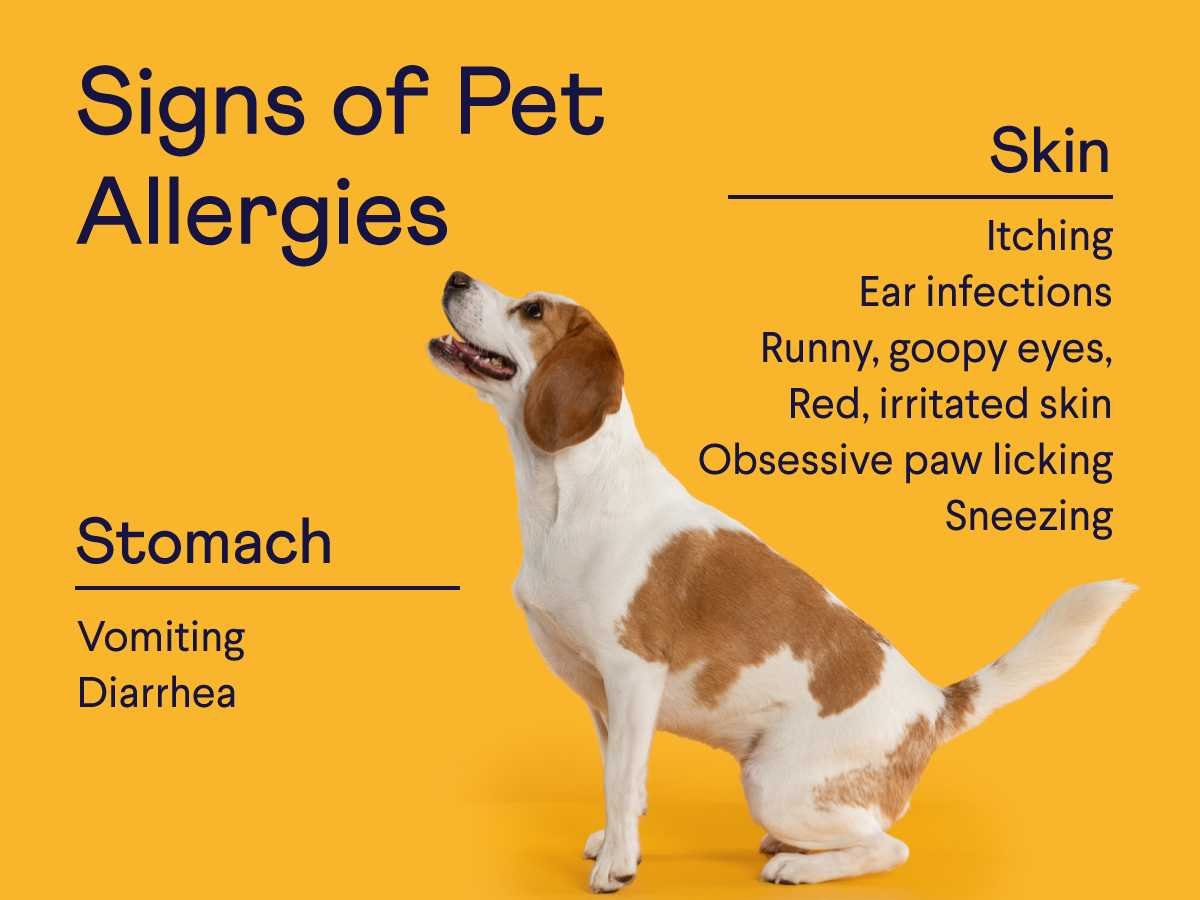
Dog allergies symptoms often show as itching, ear infections, sneezing, watery eyes, and digestive upset.
I have spent years helping dog owners spot and manage dog allergies symptoms. This guide explains what to look for, why reactions happen, how vets diagnose them, and practical ways to ease your dog's discomfort. Read on for clear steps you can use today to find relief and protect your pet.
What are common dog allergies symptoms?
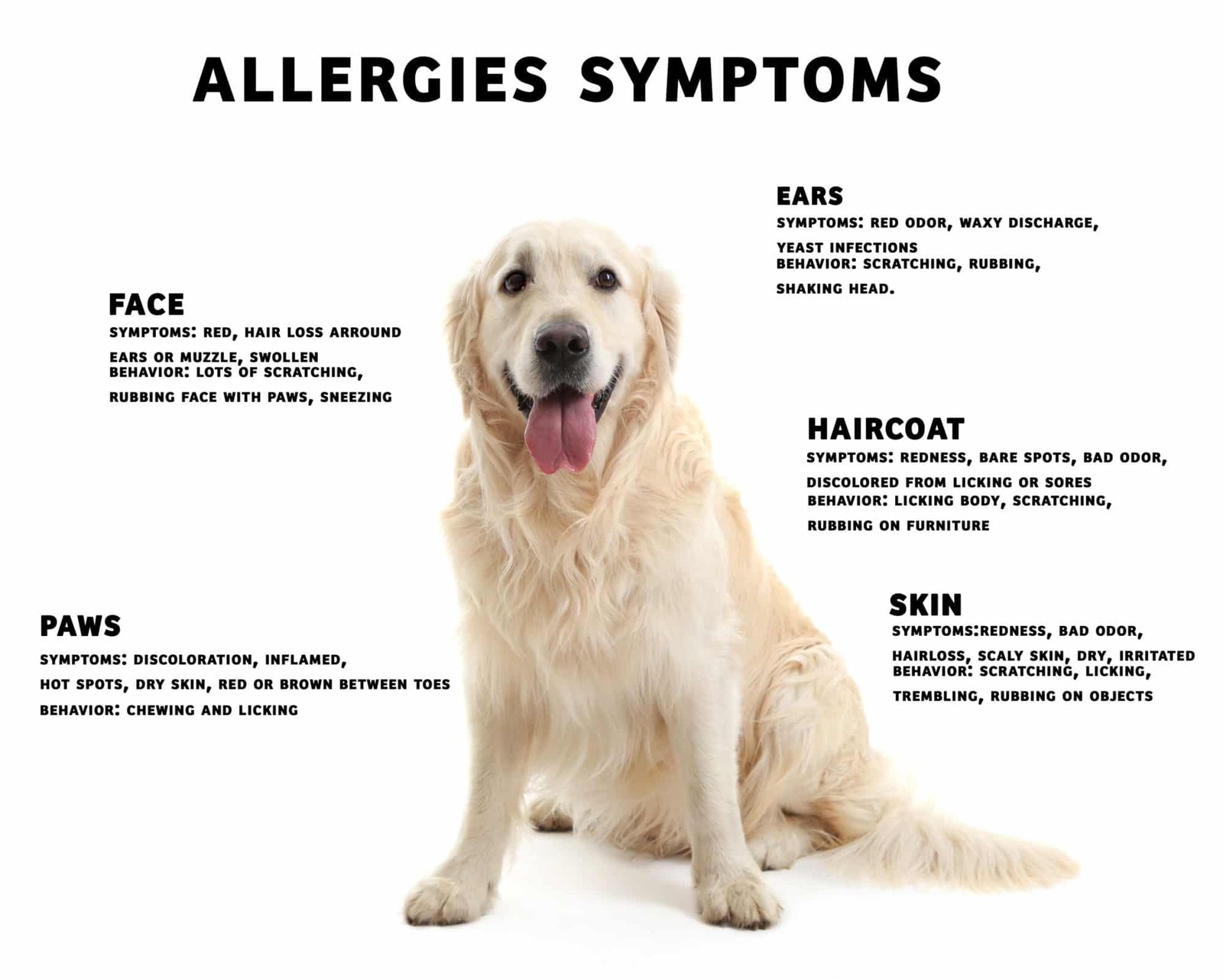
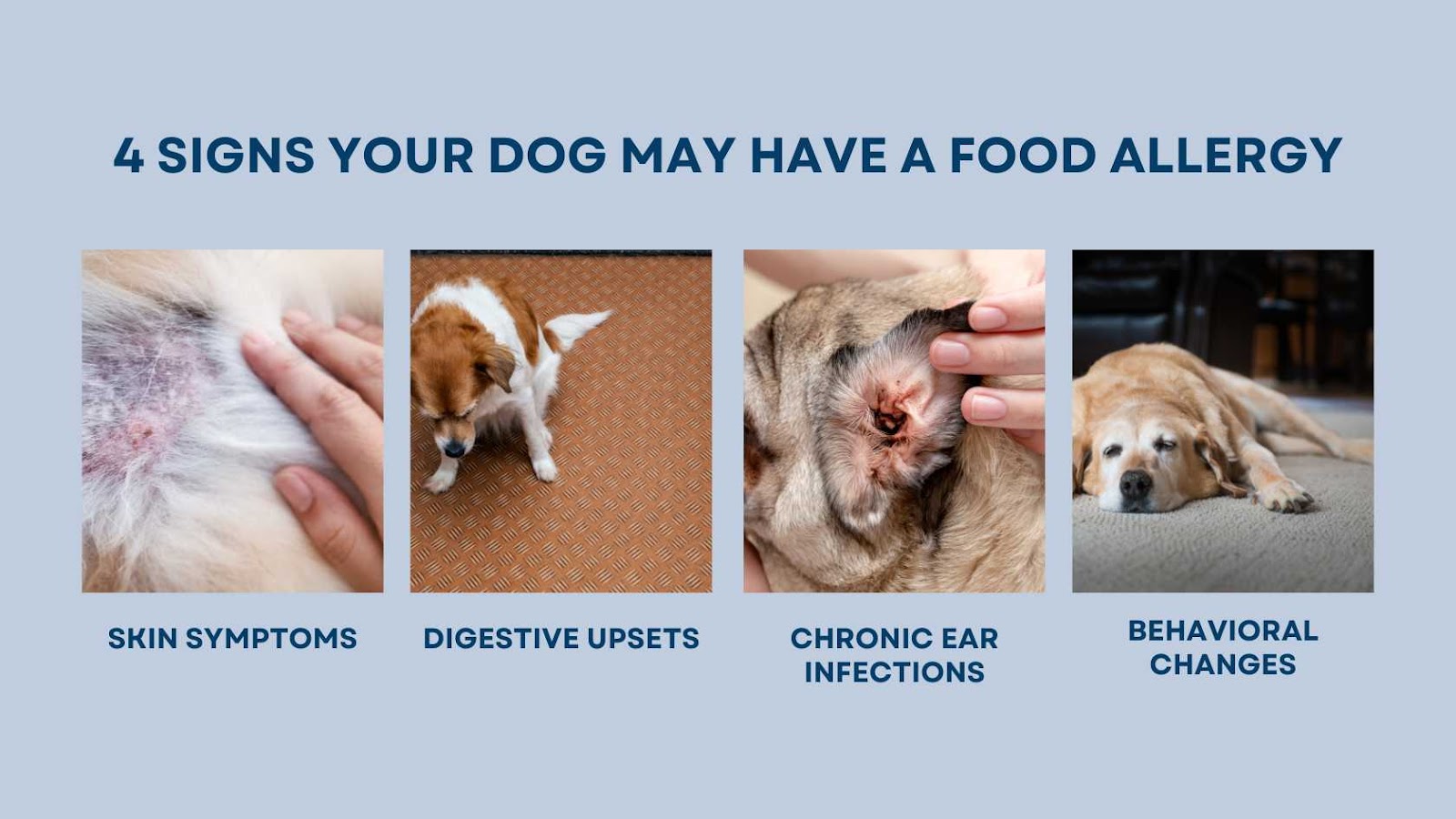
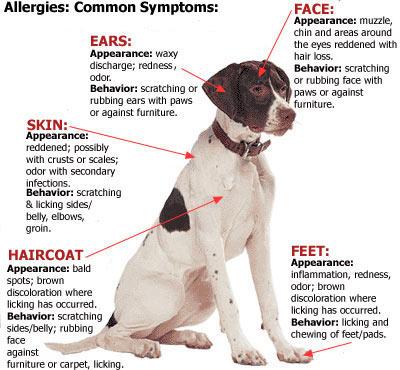
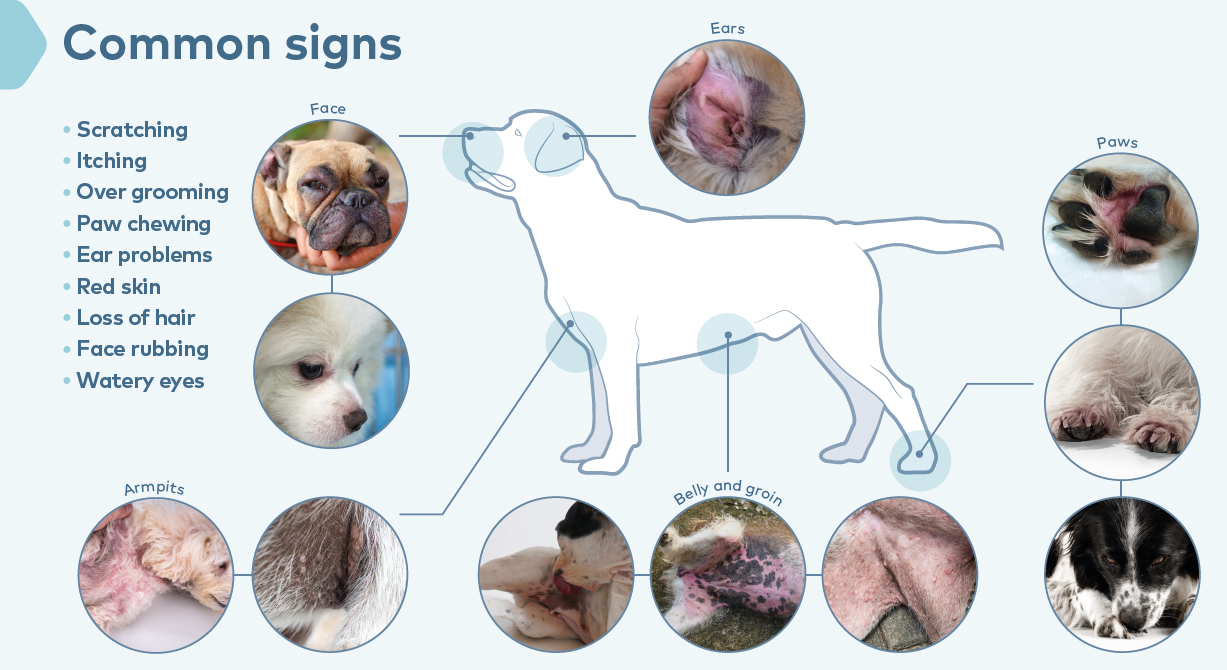
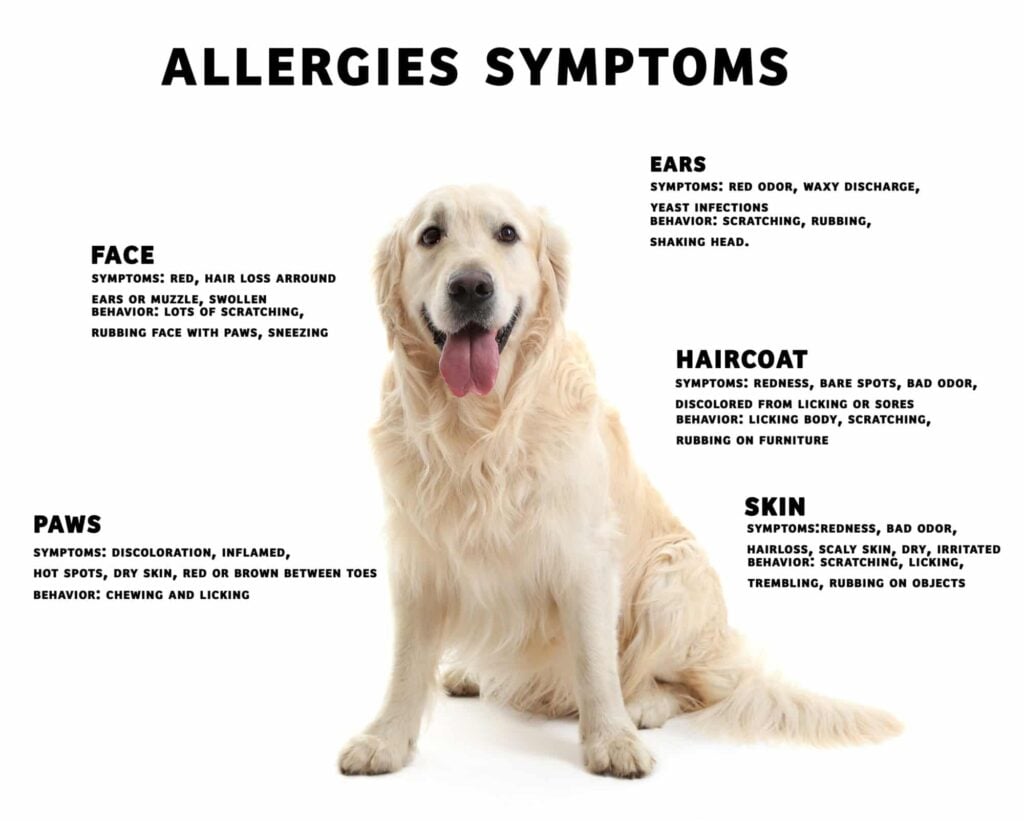
Dog allergies symptoms can show in many ways. Skin signs are the most common. Dogs may scratch, lick paws, or rub their face. You might see red bumps, hair loss, or scabs.
Other common signs include:
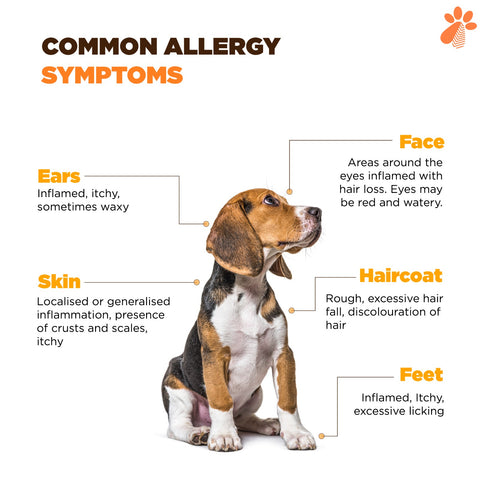
- Itchy skin and hot spots. These are sore, red areas from constant scratching.
- Chronic ear infections. Ears may be waxy, smelly, or painful.
- Sneezing, coughing, and watery eyes. These point to inhaled allergens.
- Vomiting and diarrhea. Food allergies often cause digestive issues.
- Chewing paws and biting at the belly. This is common with food or contact allergies.
Dog allergies symptoms can vary by breed and age. Puppies may show food reactions early. Adult dogs often get environmental allergies later. Knowing the mix of signs helps find the cause faster.
Causes and triggers of dog allergies symptoms
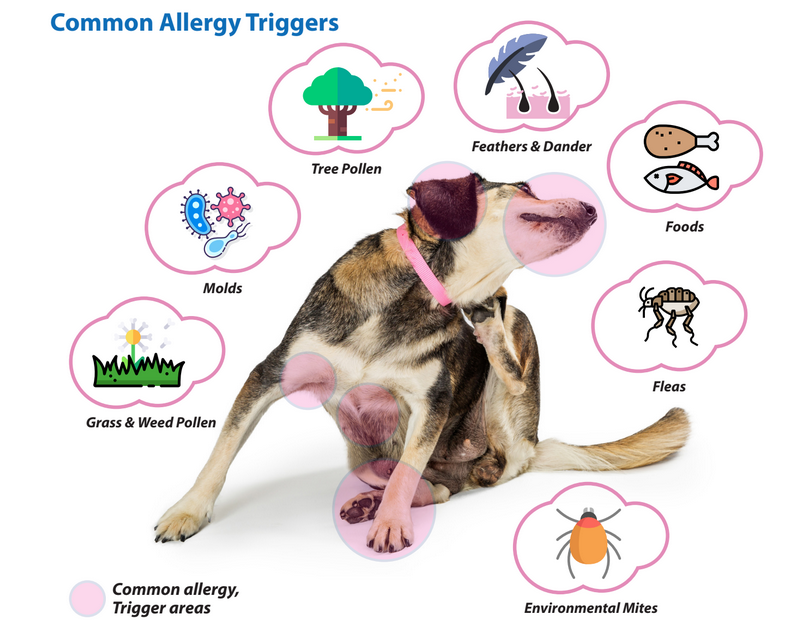
Many triggers cause dog allergies symptoms. The main groups are food, fleas, environmental allergens, and contact triggers.
Food allergies
- Common culprits are beef, dairy, chicken, and wheat.
- Food intolerance can also cause digestive signs without classic allergic immune response.
Flea allergy dermatitis
- One flea bite can cause severe itching in a sensitive dog.
- You may see small scabs near the tail base or hind legs.
Environmental allergies
- Pollen, mold, dust mites, and grass are frequent triggers.
- Symptoms often worsen in certain seasons.
Contact allergies
- Shampoos, plastics, and wool can irritate skin on contact.
- Signs are often limited to areas that touch the item.
Understanding triggers reduces the guesswork. Track when symptoms flare to link them to a cause.
How vets diagnose dog allergies symptoms
Diagnosis is stepwise and methodical. A vet will start with a full history and exam.
Common steps include:
- Detailed history and exam. The vet asks about diet, flea control, and timing of symptoms.
- Rule out infections. Skin or ear infections can mimic allergy signs.
- Elimination diet trial. This is the gold standard for diagnosing food-related dog allergies symptoms.
- Skin or blood testing. These tests help identify environmental allergens, but results need vet interpretation.
- Response to therapy. Improvement with treatment supports the diagnosis.
Accurate diagnosis saves time and avoids unnecessary drugs. Tests are tools. A good clinical history is the best guide.
Treatment options and management for dog allergies symptoms
Treatment depends on the cause and how severe the symptoms are. The core goals are to reduce inflammation, stop infection, and remove triggers.
Medical treatments
- Flea control. Use vet-recommended flea preventives year-round.
- Antihistamines and omega-3 supplements. These help mild itching for some dogs.
- Steroids. Short courses reduce severe inflammation quickly.
- Apoquel and Cytopoint. These newer drugs target itch and are safe for many dogs.
- Immunotherapy. Allergy shots or drops can reduce sensitivity over time.
Topical care and infection control
- Medicated baths. Soothing shampoos lower allergens on the skin.
- Ear cleansers. Regular cleaning helps prevent recurrent ear infections.
- Antibiotics or antifungals. These treat secondary infections that hide the allergy.
Dietary management
- Elimination diet. Try a novel protein or hydrolyzed diet for 8–12 weeks.
- Avoid over-the-counter treats with common allergens during the trial.
From my experience, a multi-step plan works best. I once helped a golden retriever with severe paw chewing. A strict elimination diet plus topical baths cut flare-ups in half within six weeks. We added targeted meds later and saw big gains. Small wins add up fast.
Home care, prevention, and lifestyle changes
Home care helps reduce flares and keeps your dog comfy. Daily habits make a big difference.
Cleaning and environment
- Vacuum and wash bedding weekly to cut dust and pollen.
- Use HEPA filters and keep windows closed when pollen levels are high.
- Wipe paws after walks to remove outdoor allergens.
Grooming and skin care
- Bathe with a gentle, vet-approved shampoo every 1–4 weeks during flare season.
- Keep nails trimmed and fur around ears short to improve airflow.
- Check skin and ears weekly for early signs of infection.
Diet and supplements
- Use vet-guided diets for confirmed food allergies.
- Add omega-3 fatty acids to help skin health.
- Avoid table scraps and unknown treats during testing.
Practical tips
- Keep a symptom diary to link food or environment to dog allergies symptoms.
- Rotate walking areas to reduce exposure to the same allergens.
- Consider a trial of flea control if you see tail-base scabs or intense itching.
These steps reduce flare frequency and help treatments work better. Consistency beats complexity.
When to see the vet about dog allergies symptoms
See your vet if symptoms are severe or getting worse. Early care prevents complications.
Watch for these red flags:
- Open sores, pus, or heavy odor. These often mean infection.
- Sudden swelling of face or difficulty breathing. This is an emergency.
- Rapid weight loss, persistent vomiting, or bloody diarrhea.
- No response to basic home care and flea control.
If you are unsure, call your vet. Quick action can stop a small problem from becoming major.
Frequently Asked Questions of dog allergies symptoms
What are the first signs of dog allergies symptoms?
Early signs are biting, licking, and scratching more than usual. You may also see red or flaky skin and repeated ear issues.
Can food allergies cause skin problems?
Yes. Food allergies often cause itching, hives, and chronic ear infections. Digestive upset can occur too.
How long does it take to see improvement after starting treatment?
Mild cases may improve in days. Elimination diets need 8–12 weeks, and immunotherapy can take months to show benefit.
Are some breeds more prone to dog allergies symptoms?
Yes. Terriers, retrievers, and bulldogs often show skin allergies. But any breed can be affected.
Can I treat dog allergies symptoms at home without a vet?
You can try basic flea control and skin care, but a vet is needed for diagnosis and stronger treatments. Home care helps but is rarely enough alone.
Will allergy shots cure dog allergies symptoms?
Allergy shots often reduce symptoms and medication need over time. They do not guarantee a cure but can give long-term relief for many dogs.
Conclusion
Dog allergies symptoms are common but manageable with the right steps. Spotting signs early, working with your vet, and using a mix of home care, targeted meds, and prevention can give your dog a happier life. Start a simple symptom diary, fix flea control, and talk to your vet about an elimination diet or allergy testing. Take action today, and share your progress or questions below to help others find hope and relief.
