
Dogs often show fever, lethargy, loss of appetite, vomiting, diarrhea, and abnormal discharge.
I’ve spent years caring for dogs and working with vets to spot early dog infection signs. This guide explains common symptoms, likely causes, diagnostic steps, treatments, and simple prevention tips you can use today. Read on to learn how to spot dog infection signs fast, act wisely, and help your dog heal.
Common dog infection signs
Dogs can hide pain well. Watch for subtle and clear changes.
- Lethargy and low energy. A normally playful dog becomes quiet and slow.
- Loss of appetite or sudden weight loss. Eating less for more than a day is a red flag.
- Vomiting and diarrhea. These often mean intestinal infection or parasites.
- Fever and warm ears or nose. A higher-than-normal temperature suggests infection.
- Coughing, sneezing, or difficulty breathing. These can point to respiratory infection.
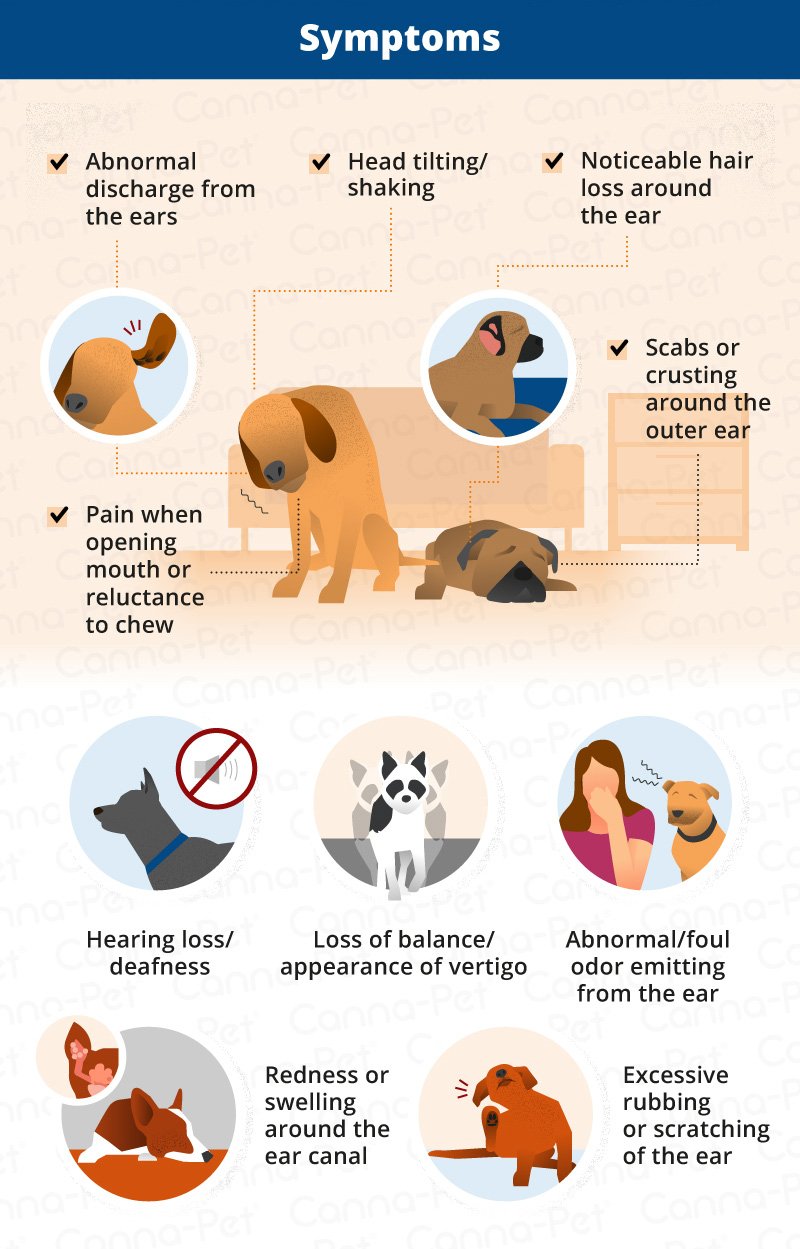
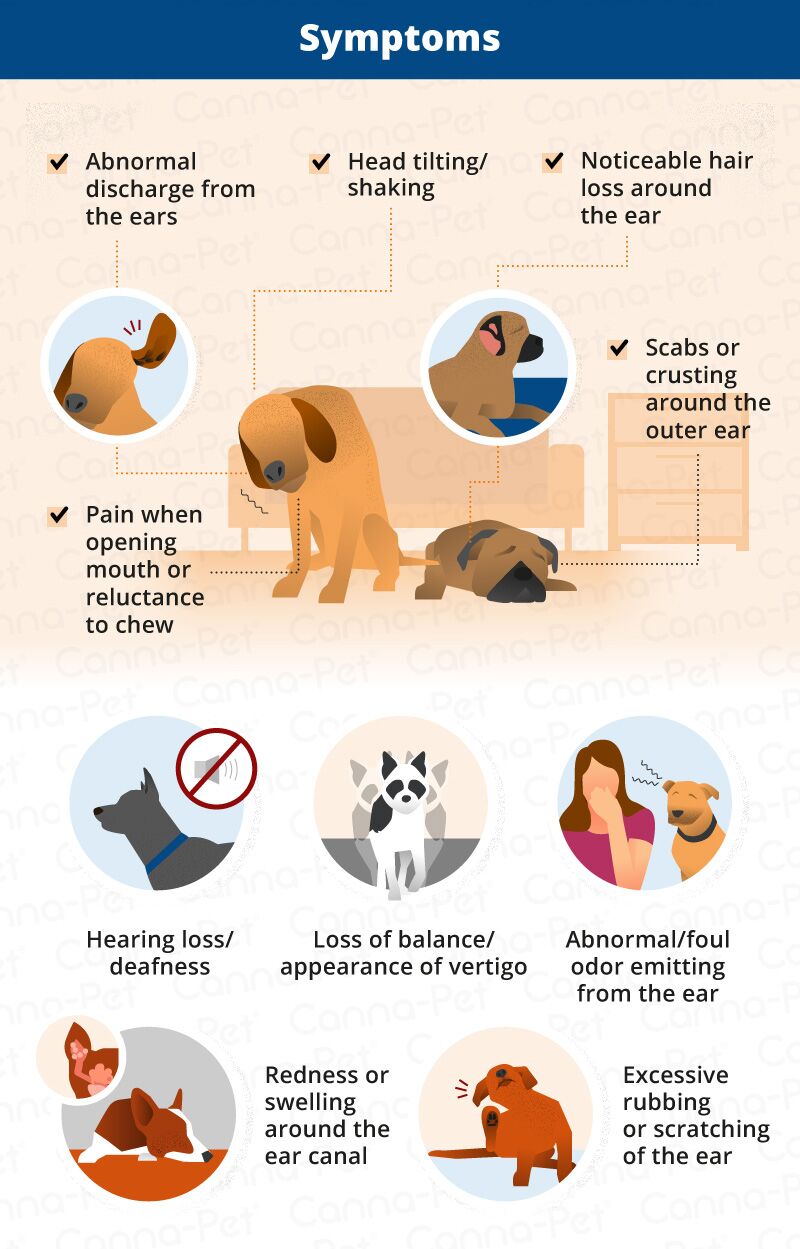
- Abnormal discharge from eyes, nose, ears, or genitals. Pus or colored discharge signals trouble.
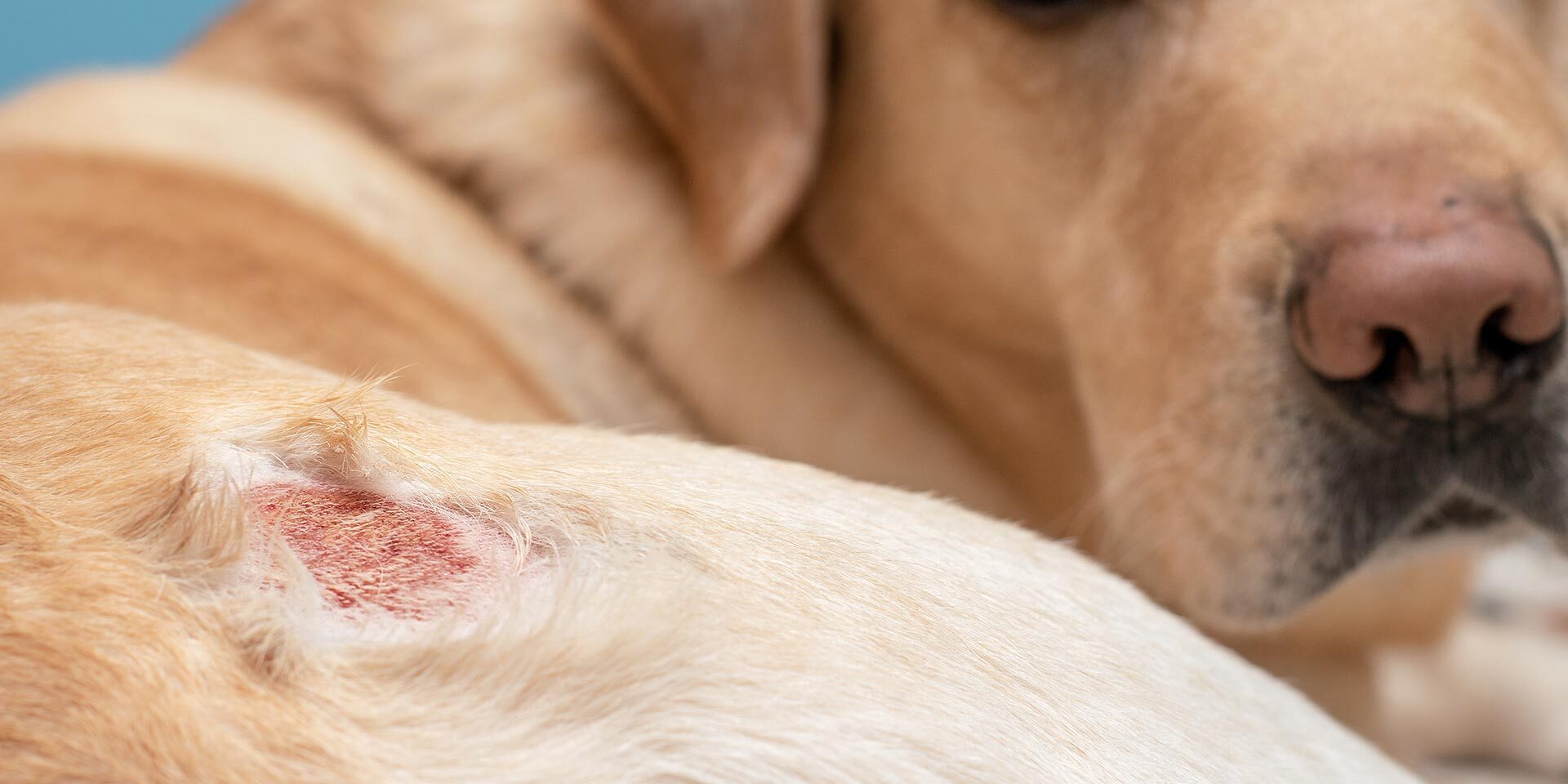
- Skin redness, sores, itching, or hair loss. Skin infections are common and painful.
- Increased thirst or frequent urination. These may link to urinary tract infections.
Spotting dog infection signs early helps get treatment sooner. Track changes with photos or notes to share with your vet.
Causes and types of infections
Infections come from many sources. Knowing the type guides treatment.
- Bacterial infections. Often cause local pain, pus, and fever.
- Viral infections. Can affect the respiratory or digestive tract and need supportive care.
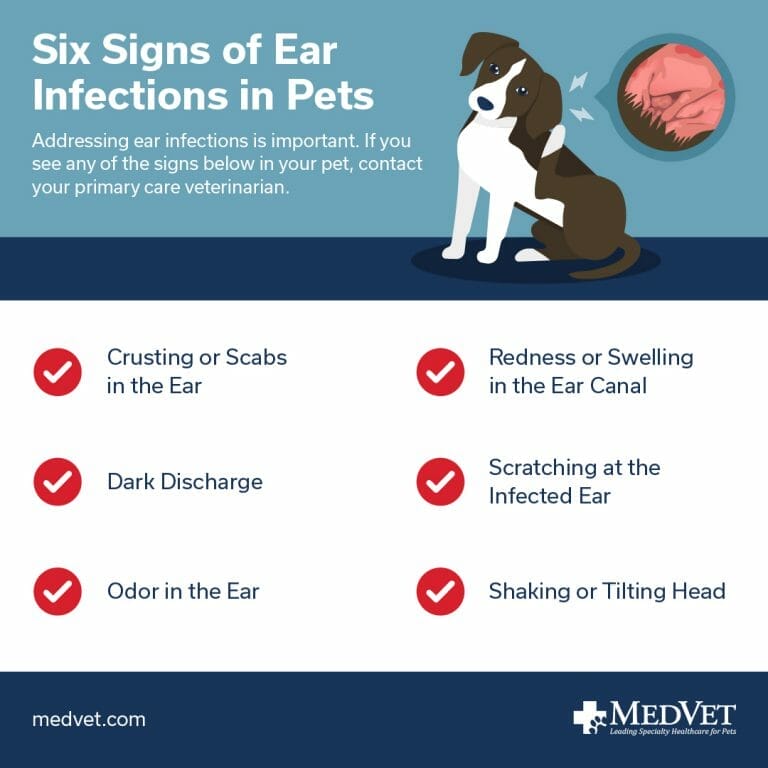
- Fungal infections. Show as skin issues or persistent ear infections.
- Parasitic infections. Worms and external parasites cause weight loss and skin changes.
- Secondary infections. A wound, allergy, or weakened immune system can lead to bacterial colonization.
Understanding common causes makes it easier to prevent and treat dog infection signs. Many infections start small and grow if untreated.
Diagnosis: what your vet will check
A vet’s exam pinpoints the problem quickly.
- History and symptoms. The vet will ask about onset, appetite, and behavior.
- Physical exam. Eyes, ears, skin, mouth, belly, and lymph nodes get checked.
- Lab tests. Blood work, urine tests, and fecal checks reveal infections or parasites.
- Cultures and swabs. These identify bacteria or fungi from wounds or discharges.
- Imaging. X-rays or ultrasound help with internal infections or pneumonia.
Early testing helps match the right medicine to the infection. Bring notes and photos of dog infection signs to the appointment.
Treatment and home care
Treatment depends on the infection type and severity.
- Antibiotics for bacterial infections. Always finish the full course even if symptoms ease.
- Antifungal or antiparasitic meds when needed. Follow dosing and timing exactly.
- Supportive care. Fluids, rest, and bland food help recovery from many infections.
- Topical treatment. Clean wounds and apply veterinarian-recommended ointments.
- Pain control. A vet may prescribe safe pain relief for comfort.
From my experience, consistent home care speeds healing. I once treated a dog with persistent ear infection signs by cleaning per vet instructions and finishing medication; the dog improved within days. Avoid skipping doses or stopping treatment early because this can make dog infection signs return worse.
Preventing infections
Prevention is often simple and effective.
- Keep vaccines up to date. Vaccines prevent many serious infections.
- Maintain good hygiene. Regular baths, clean bedding, and ear checks reduce risk.
- Control parasites. Use vet-recommended flea, tick, and deworming products.
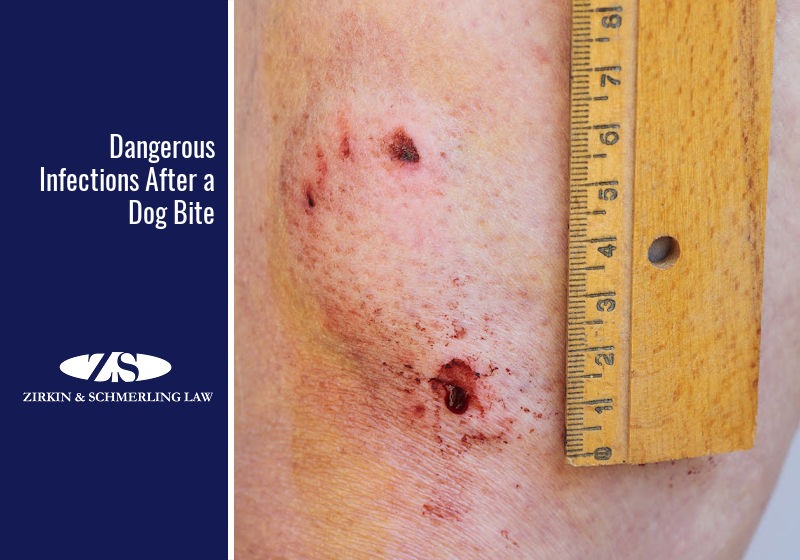
- Safe wounds care. Clean and monitor cuts to prevent bacterial infection.
- Balanced diet and exercise. A strong immune system lowers infection risk.
Small habits cut the chance of dog infection signs. Regular vet checkups catch problems early and save stress and money later.
When to call the vet
Some signs need urgent attention. Don’t wait.
- High fever, collapse, or trouble breathing. These are emergencies.
- Severe or bloody vomiting and diarrhea. Risk of dehydration is high.
- Rapid swelling, severe pain, or sudden blindness. Immediate vet care required.
- Persistent fever or infection signs lasting more than 48 hours. Time-sensitive care improves outcomes.
- Uncontrolled bleeding or large open wounds. Seek urgent treatment.
If unsure, call your vet and describe the dog infection signs. They can advise whether to come in now or monitor at home.

Frequently Asked Questions of dog infection signs
What are the earliest dog infection signs to watch for?
Early signs include less play, reduced appetite, mild fever, and subtle behavior change. These small changes often precede visible symptoms.
Can ear infections cause other problems?
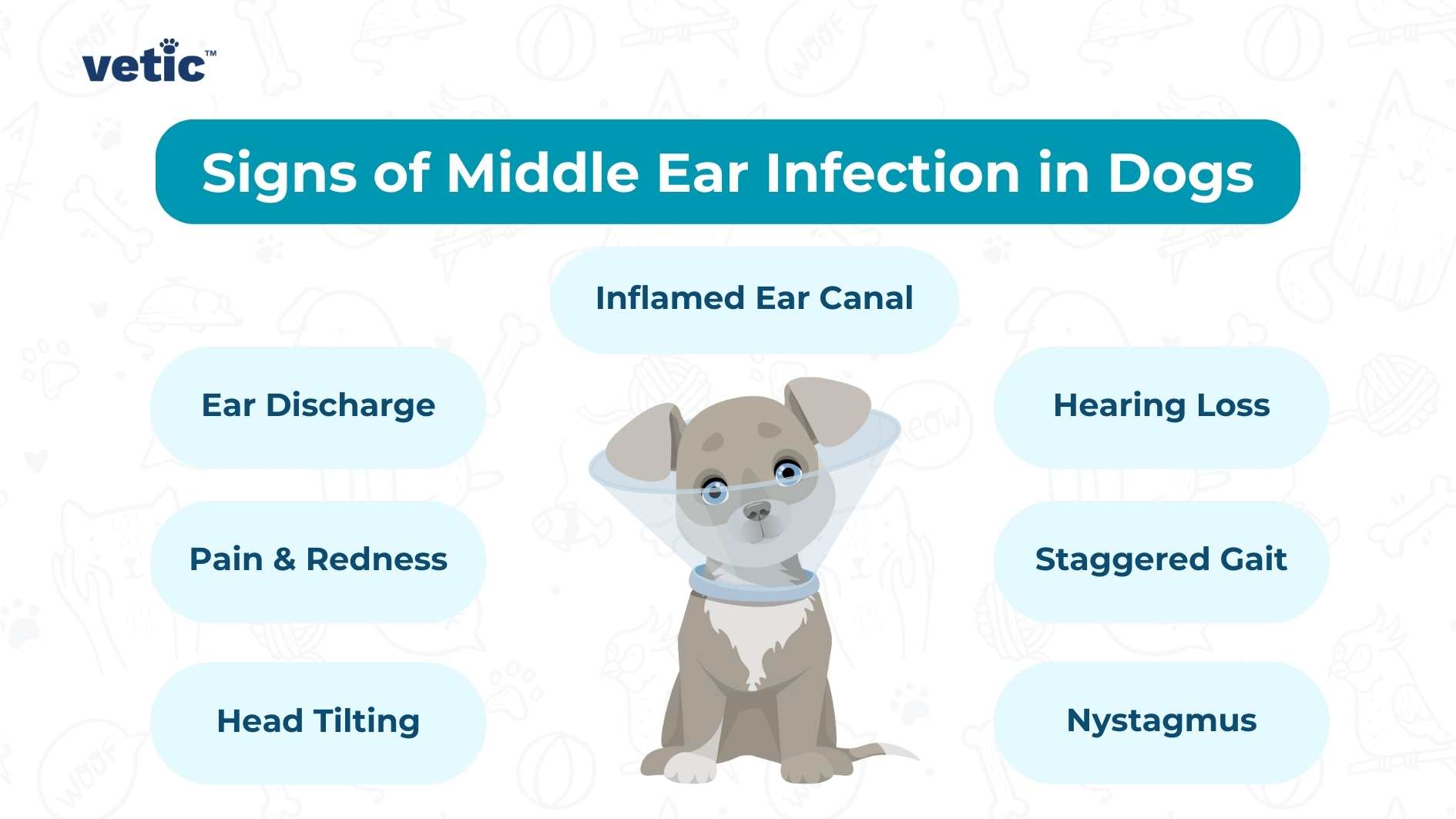
Yes. Untreated ear infections can spread and cause pain, balance issues, or chronic ear disease. Prompt treatment reduces long-term risk.
How long after starting antibiotics will I see improvement?
Many dogs show improvement in 24 to 72 hours, though full recovery may take longer. Always finish the prescribed course to prevent relapse.
Are skin rashes always infections?
Not always. Allergies, mites, and environmental factors can mimic infection signs. A vet can test and determine the cause.
Can I use human medicine for my dog’s infection?
No. Human meds can harm dogs or be ineffective. Use only vet-prescribed medications for dog infection signs.
How do I prevent urinary tract infections?
Keep water fresh, encourage regular bathroom breaks, and maintain hygiene around the genital area. Routine vet checks help catch recurrent issues early.
Conclusion
Watching for dog infection signs and acting early makes a real difference. Know the common symptoms, seek timely diagnosis, follow treatment exactly, and practice simple prevention habits to protect your dog. Start by tracking small changes in behavior or appetite and call your vet if anything seems off. Share this guide, ask questions below, or schedule a vet visit to keep your dog healthy and thriving.
