
Dogs often scratch with no fleas due to allergies, dry skin, mites, infections, or behavior.
I’ve treated and advised on dozens of itchy dogs. This guide explains why your dog is scratching no fleas, how to find the real cause, and what to try at home before a vet visit. I combine clinical knowledge, pet-care experience, and clear steps you can follow. Read on to learn practical tests, treatments, and prevention strategies so your dog can feel better fast.

Why your dog is scratching no fleas — common causes
Dogs scratch without fleas for many reasons. Skin dryness and seasonal changes often top the list. Allergies to food or the environment are common. Tiny mites like demodex or scabies can cause intense itching but may not show fleas. Bacterial or yeast infections can make skin sore and itchy. Hormone imbalances or autoimmune problems are less common but possible. Behavioral issues, such as boredom or anxiety, also cause repeated scratching that looks like a skin problem.
- Skin dryness or irritation can come from baths, low humidity, or harsh shampoos.
- Environmental allergies include pollen, dust mites, and mold.
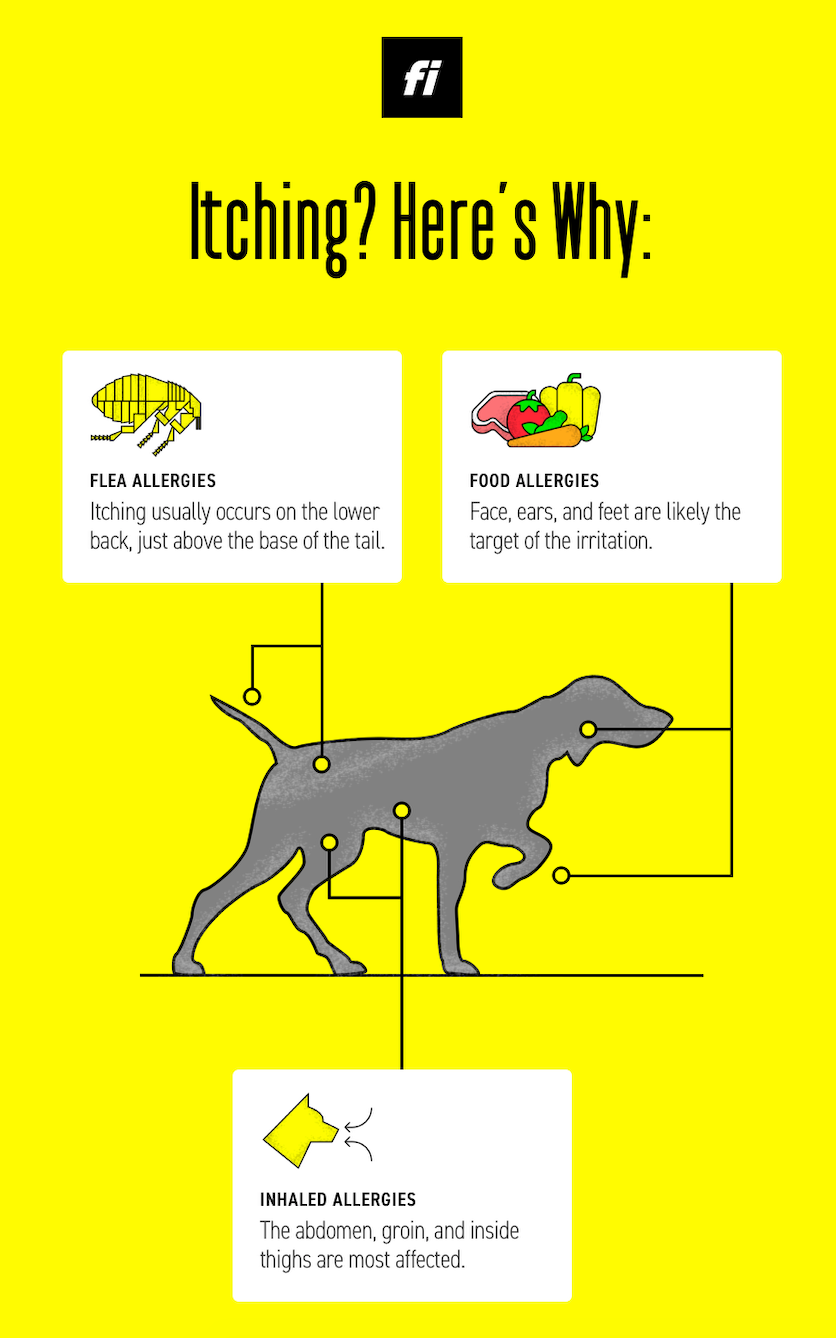
- Food allergies often show as chronic scratching around the face and paws.
- Mites and microscopic parasites can cause fierce itch without visible fleas.
- Secondary infections make itching worse and need targeted treatment.

How to diagnose dog scratching no fleas at home
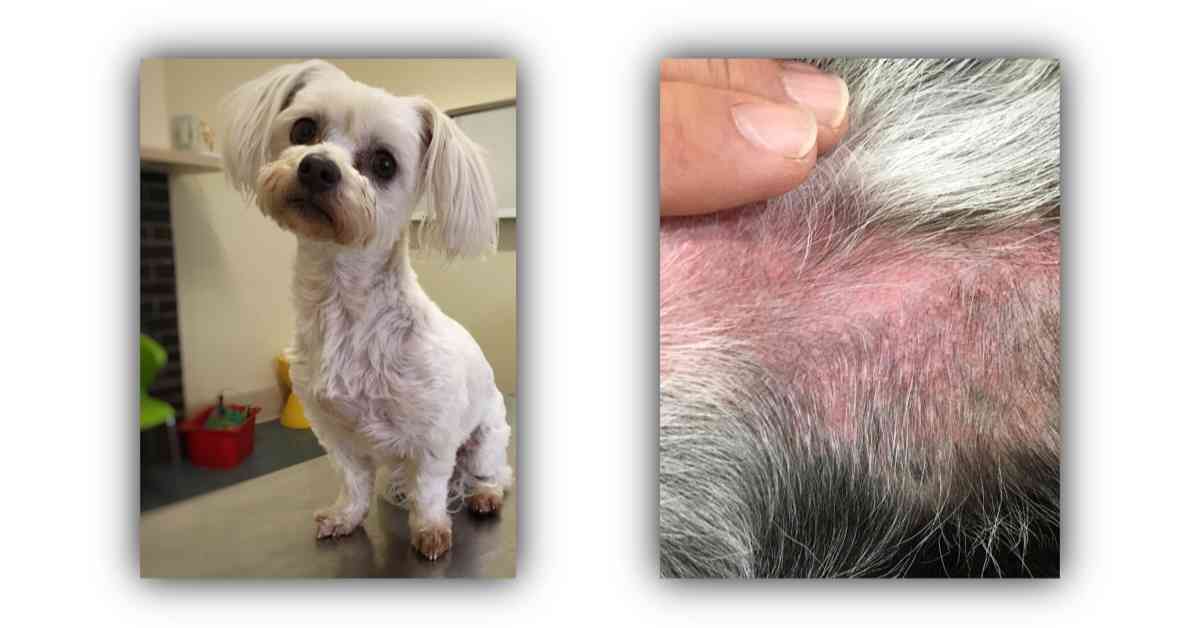
Start with a calm exam in good light. Look for red bumps, scabs, hair loss, flaky skin, or greasy patches. Check ears, paws, underarms, belly, and tail base. Use a flea comb and search for dark specks (flea dirt) even if you think there are no fleas. Note when itching is worse — after walks, at night, or after certain foods.
- Keep a simple diary of symptoms, food, and environment triggers.
- Try a gentle moisturizing shampoo and see if itching improves in a week.
- Check bedding and the home for fleas or insects regularly.
- If you find small moving mites or severe lesions, seek vet care immediately.
From my experience, a short home check often points to allergies or dry skin. If simple changes don’t help within a week, a vet visit is the next step.

Common skin conditions that cause scratching with no fleas
Many skin disorders mimic flea bites but have different causes. Understanding them helps you act fast.
- Atopic dermatitis
- Often seasonal and linked to outdoor allergens.
- Signs include paw licking, ear infections, and face rubbing.
- Contact dermatitis
- Caused by topical chemicals or certain fabrics.
- Usually appears where skin contacts the irritant.
- Seborrhea and dry skin
- Flaky, scaly skin that itches more in dry months.
- Balanced diet and topical oils can help.
- Yeast infections
- Smelly, greasy patches often in skin folds and ears.
- Respond well to medicated shampoos and antifungals.
- Bacterial infections
- Red, swollen, painful areas that need antibiotics.
I’ve seen dogs misdiagnosed with fleas when a yeast infection was the real problem. Always check smell and texture of the skin, not just visible bugs.
Other parasites and infections to consider
Fleas are not the only parasites. Some are tiny or live in skin layers, so owners miss them.
- Sarcoptic mange (scabies)
- Extremely itchy and contagious to humans.
- Causes intense scratching, hair loss, and crusts.
- Demodectic mange
- Often shows localized hair loss and secondary infections.
- Can be linked to immune status.
- Ticks and lice
- Ticks attach and cause local irritation. Lice are less common but itchy.
- Fungal infections
- Ringworm causes circular hairless patches and scaling.
If you suspect mites or ringworm, your vet can confirm with skin scrapings, tape tests, or fungal cultures.

Allergies and environmental triggers
Allergies are a leading reason for dog scratching no fleas. They can be tricky to pin down.
- Food allergies
- Often cause chronic itching and ear problems.
- An elimination diet helps identify triggers.
- Atopy (environmental)
- Pollen, dust, and molds can inflame skin.
- Allergy testing or immunotherapy may help long-term.
- Contact allergies
- Shampoos, lawn chemicals, or new bedding can irritate.
- Patch testing or removing items helps isolate causes.
Practical tip from my clinic: try a limited-ingredient diet for 8–12 weeks if you suspect food issues. Keep a log of outdoor exposures and cleaning products used at home.
Behavioral and medical causes
Not all scratching is dermatologic. Think about behavior and whole-body disease.
- Anxiety and boredom
- Dogs may lick and scratch to self-soothe.
- Enrichment, training, and more walks often reduce the habit.
- Pain and neuropathy
- Nerve pain can cause focused licking or scratching in one area.
- A vet exam and imaging may be needed.
- Hormonal disorders
- Hypothyroidism or Cushing’s disease can thin skin and increase infections.
- Blood tests help diagnose these conditions.
I once treated a dog that scratched solely from anxiety after a household change. Behavioral solutions made a big difference.

Treatment and management for dog scratching no fleas
Treat the cause when you can. Manage symptoms while you investigate.
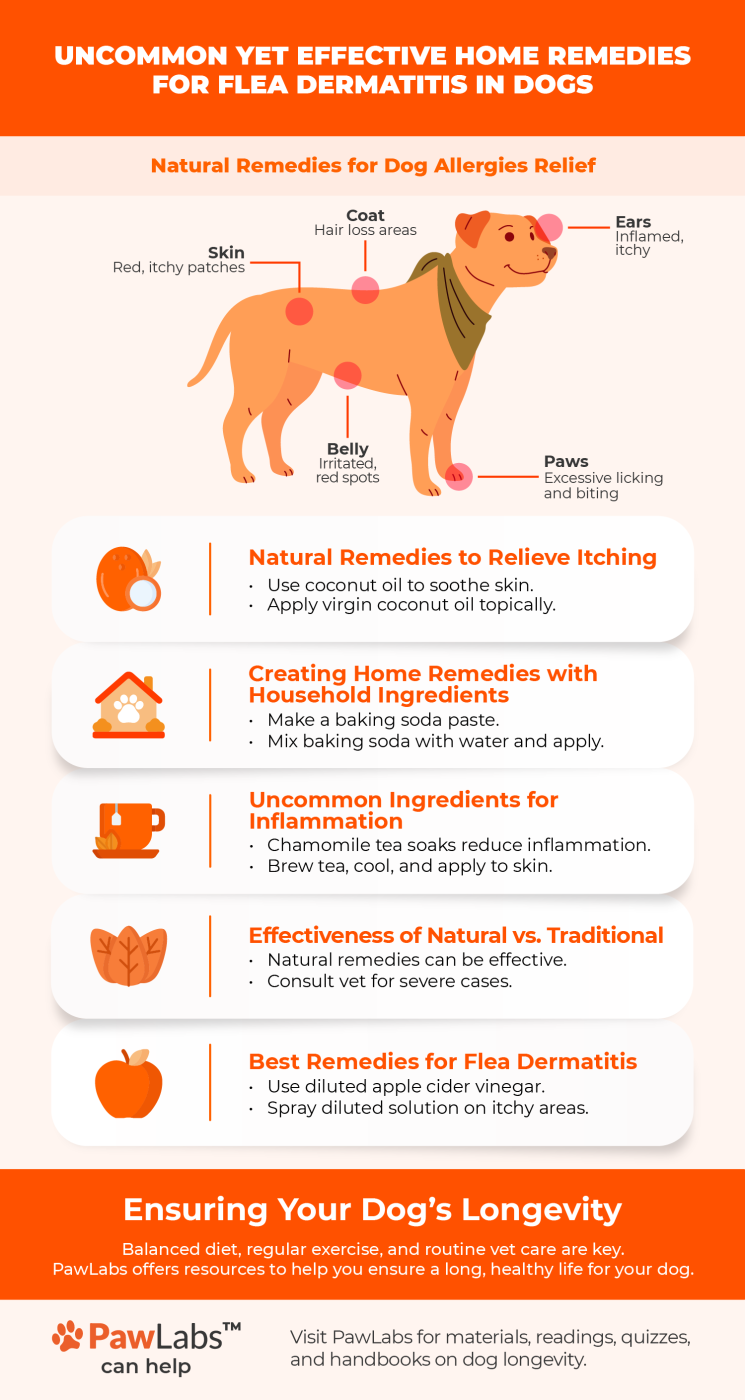
- Short-term itch relief
- Vet-prescribed antihistamines or short steroid courses can reduce intense itch.
- Topical sprays and medicated shampoos soothe skin.
- Treat infections and parasites
- Antibiotics, antifungals, or mite-specific treatments tackle infections.
- Follow the full course as directed.
- Long-term allergy control
- Hypoallergenic diets, allergy shots, or oral immunotherapy may work.
- Regular bathing with gentle products can wash allergens away.
- Behavioral strategies
- Increase play, use puzzle toys, and add routine to reduce stress-related scratching.
From my experience, combining a medicated shampoo with environmental changes often brings the fastest relief. Always consult your vet before starting medications.
Prevention and home care tips
Preventive care reduces flare-ups and keeps itching low.
- Maintain regular flea and tick prevention year-round.
- Use a gentle, moisturizing shampoo and avoid over-bathing.
- Keep bedding clean and vacuum regularly to remove allergens.
- Feed a balanced diet rich in omega-3 fatty acids to support skin health.
- Provide mental and physical exercise to prevent boredom-related scratching.
- Ask your vet about allergy testing or long-term management plans.
Small daily steps can prevent many cases of dog scratching no fleas. Consistency is key.
When to see a vet
Seek veterinary care if scratching is severe, sudden, or accompanied by wounds, swelling, fever, or lethargy. If the dog loses hair, has thickened skin, or shows signs of pain, visit a vet promptly. Persistent scratching lasting more than a week despite home measures also needs professional evaluation. Your vet can run skin scrapings, allergy tests, blood work, and cultures to find the root cause and prescribe targeted treatment.
Frequently Asked Questions of dog scratching no fleas
Why is my dog scratching but I don’t see any fleas?
Many causes mimic flea bites. Allergies, mites, yeast, and dry skin can cause itching without visible fleas. A careful exam often reveals clues such as scaling, odor, or hair loss.
Can allergies cause constant scratching with no fleas?
Yes. Both food and environmental allergies frequently lead to chronic itching without fleas. Allergy testing or an elimination diet can help identify triggers.
Will a medicated shampoo stop my dog scratching no fleas?
Medicated shampoos can relieve itch and treat infections but may not solve underlying allergies or mites. Use them as part of a broader plan advised by your vet.
Could stress or boredom be the reason my dog is scratching?
Absolutely. Stress and boredom commonly cause repetitive licking and scratching. Enrichment, training, and routine help reduce these behaviors.
How long should I try home remedies before seeing a vet?
If mild symptoms don’t improve in about a week or if symptoms worsen, see a vet. Rapid worsening, open sores, or systemic signs require immediate attention.
Are home flea checks reliable for ruling out fleas?
Flea combs and checking bedding help but are not perfect. Fleas can be in the environment or present intermittently, so consistent prevention is safer.
Can diet changes help a dog scratching no fleas?
Yes. An elimination diet over 8–12 weeks can reveal food allergens. Work with your vet to plan a balanced trial diet.
Is it contagious if my dog has mites and is scratching no fleas?
Some mites, like sarcoptic mange, are contagious to other pets and humans. Quick veterinary treatment is important to prevent spread.
Conclusion
Dog scratching no fleas has many causes. Simple checks at home can reveal allergies, dryness, mites, infections, or behavior issues. Act early with gentle skin care, proper nutrition, and environmental fixes. When symptoms persist, pursue diagnostics and targeted treatment with your vet to get to the root cause. Take action now: try the home tests, track symptoms, and schedule a vet visit if needed. Share your experiences or questions below to help other pet owners.
