
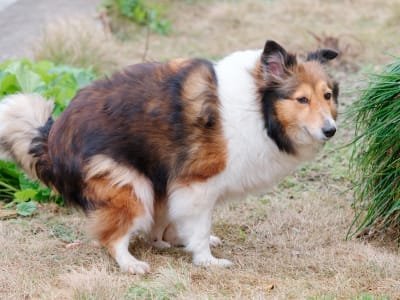
Most dog diarrhea is caused by diet change, parasites, infections, or stress.
I’ve spent years caring for dogs and advising owners on digestive problems, so I know how confusing and scary diarrhea can feel. This article explains dog diarrhea common causes with clear, practical detail so you can spot likely reasons, act safely at home, and know when to see a vet. I combine clinical knowledge, real-life cases, and easy prevention tips to help you protect your dog’s gut health.
Common causes of dog diarrhea
Dog diarrhea common causes fall into a few clear groups: diet and food reactions, infections and parasites, environmental toxins, stress, and underlying medical conditions. Understanding which group fits your dog narrows choices for home care and testing. Below I break down each group with practical signs and real-world tips from my experience.
Dietary and food-related causes
Sudden diet changes are a top trigger for dog diarrhea. Even small amounts of new food, table scraps, or rich treats can upset a dog’s gut and cause loose stools. Food intolerances or allergies also cause chronic diarrhea and may need an elimination diet to identify the culprit.
Infectious causes: bacteria and viruses
Bacteria like E. coli and Salmonella and viruses such as parvovirus or canine coronavirus can cause acute diarrhea. Puppies and unvaccinated dogs are especially at risk from viral causes. These infections sometimes come with fever, weakness, or bloody stools and often need veterinary treatment.
Parasites
Common parasites that cause diarrhea include roundworms, hookworms, giardia, and coccidia. Parasite-related diarrhea may be intermittent and can look greasy or contain mucus. Regular fecal checks and deworming are simple ways to reduce parasite-related diarrhea in dogs.
Stress and environmental causes
Stressful events like boarding, travel, new homes, or loud storms can trigger short-term diarrhea. Dogs can also get loose stools from eating garbage, spoiled food, or plants found on walks. Observing behavior and recent changes often reveals this cause quickly.
Medications and toxins
Antibiotics, NSAIDs, and other drugs sometimes disrupt gut bacteria and cause diarrhea. Accidental ingestion of household chemicals or human medications can also provoke severe diarrhea and vomiting. If you suspect poisoning, seek emergency veterinary care.
Medical and systemic causes
Chronic conditions such as inflammatory bowel disease, exocrine pancreatic insufficiency, liver disease, and endocrine disorders can cause persistent diarrhea. These causes often need blood work, imaging, or biopsy to diagnose and long-term management plans. When diarrhea is chronic or progressive, veterinary evaluation is important.

Symptoms and when to see a vet
Watch for changes in stool frequency, consistency, color, and smell to track severity. Mild, short-lived diarrhea can often be managed at home, but seek a vet for vomiting, lethargy, fever, blood in stool, or signs of dehydration. Puppies, seniors, and dogs with other illnesses need faster care because they can deteriorate quickly.
Typical warning signs that need immediate veterinary attention:
- Persistent diarrhea for more than 24–48 hours
- Repeated vomiting or inability to keep water down
- Bloody or black tarry stool
- Signs of dehydration such as sunken eyes or dry gums
- Collapse, extreme weakness, or abdominal pain
:strip_icc()/diarrhea-in-dogs-1117837-429a5700da074594b6607fd8265b0c5e.jpg)
How vets diagnose the cause
Veterinarians use a stepwise approach to diagnose dog diarrhea common causes. Diagnosis usually starts with a history, physical exam, and basic tests like fecal analysis and blood work. Further testing may include abdominal x-rays, ultrasound, PCR for infectious agents, and biopsy for chronic cases.
Common diagnostic steps:
- History and physical exam to check for pain and signs of systemic disease
- Fecal flotation and antigen tests for parasites and bacteria
- Blood panel to evaluate organ function and inflammation
- Imaging to rule out foreign bodies or structural disease
- Specialized tests for chronic or severe cases, such as intestinal biopsy

Treatment options: home care and medical therapies
Treatment depends on the cause and severity. For mild, acute diarrhea I often recommend a short fast (12 hours for adults), small bland meals, and continued access to fresh water. Many cases improve with supportive care, but infections, parasites, and chronic diseases require targeted medications.
Common treatment elements:
- Rehydration and electrolyte support for mild to moderate cases
- Dewormers or antibiotics when indicated
- Antiemetics and antidiarrheals under vet guidance
- Dietary management, including bland diets or prescription gastrointestinal diets
- Long-term therapy for chronic conditions like IBD or pancreatic insufficiency
From personal experience, starting bland food too long can mask underlying problems. If stool isn’t improving in 48 hours, schedule a vet visit.

Prevention and practical tips
Preventing episodes is often easier than treating them. Good routines, vaccinations, parasite control, and careful feeding habits reduce the chance of diarrhea. Small changes yield big results.
- Keep vaccinations and parasite control up to date
- Avoid feeding table scraps, rich foods, or sudden diet changes
- Use a slow transition (7–10 days) when switching diets
- Supervise outdoor exploration to prevent garbage eating
- Manage stress with routine, exercise, and safe spaces during triggers
A tip from my work: carry a small bag with limited, familiar treats and water when traveling. That small step prevents many stress- and diet-related episodes.

Managing chronic diarrhea long term
Chronic diarrhea needs methodical care and patience. Track your dog’s stool, appetite, weight, and triggers in a simple diary to help your vet. Long-term strategies often combine diet, medication, and periodic testing.
Steps to manage chronic cases:
- Keep a consistent, vet-recommended diet and record changes
- Trial hypoallergenic or limited-ingredient diets when food allergy is suspected
- Use probiotics or fiber supplements if advised by your vet
- Follow-up testing to monitor response and adjust therapy
Be honest about treatment limits and costs. Sometimes slow improvements require months of follow-up. Clear communication with your vet ensures better outcomes.
Frequently Asked Questions of dog diarrhea common causes
What are the most common causes of dog diarrhea?
Diet changes, parasites, infections, stress, and certain medications are the most common causes. Many bouts are short-lived and respond to simple care.
When should I take my dog to the vet for diarrhea?
See a vet if diarrhea lasts more than 24–48 hours, if there is blood, vomiting, fever, or signs of dehydration. Puppies, seniors, and ill dogs should be seen sooner.
Can I treat dog diarrhea at home?
Mild cases can be managed with fasting, bland food, and hydration for a short time. If no improvement occurs in 48 hours, contact your veterinarian.
How do vets test for causes of diarrhea?
Vets run fecal tests, blood work, and may use imaging or specialized tests like PCR or biopsies for chronic problems. The tests chosen depend on symptoms and history.
Are probiotics useful for dog diarrhea?
Probiotics can help restore healthy gut bacteria and may reduce diarrhea in some dogs. Use veterinary-recommended products and combine them with other treatments as advised.
Can diet change prevent future diarrhea?
Slow, gradual diet transitions and avoiding table scraps reduce risk of diet-related episodes. Balanced, consistent feeding is a key prevention step.
Conclusion
Dog diarrhea common causes are varied but usually fall into diet, infections, parasites, stress, medications, or chronic disease. Early care, simple prevention, and clear communication with your vet will solve most cases and protect your dog’s health. Start by tracking symptoms, use safe home care for mild cases, and reach out to your veterinarian when signs worsen or persist. If this guide helped, consider subscribing for more pet health tips or leave a comment with your experience.
