

Dog scratching nonstop often signals allergies, fleas, mites, or a skin infection that needs attention.
I have treated many dogs that scratched nonstop and I know it can be scary. This guide uses clinical knowledge and real-life experience to explain causes, tests, treatments, and prevention. You will learn how to spot danger signs, try safe home care, and know when to see the vet for dog scratching nonstop. Read on for clear steps you can use today.

Common causes of dog scratching nonstop
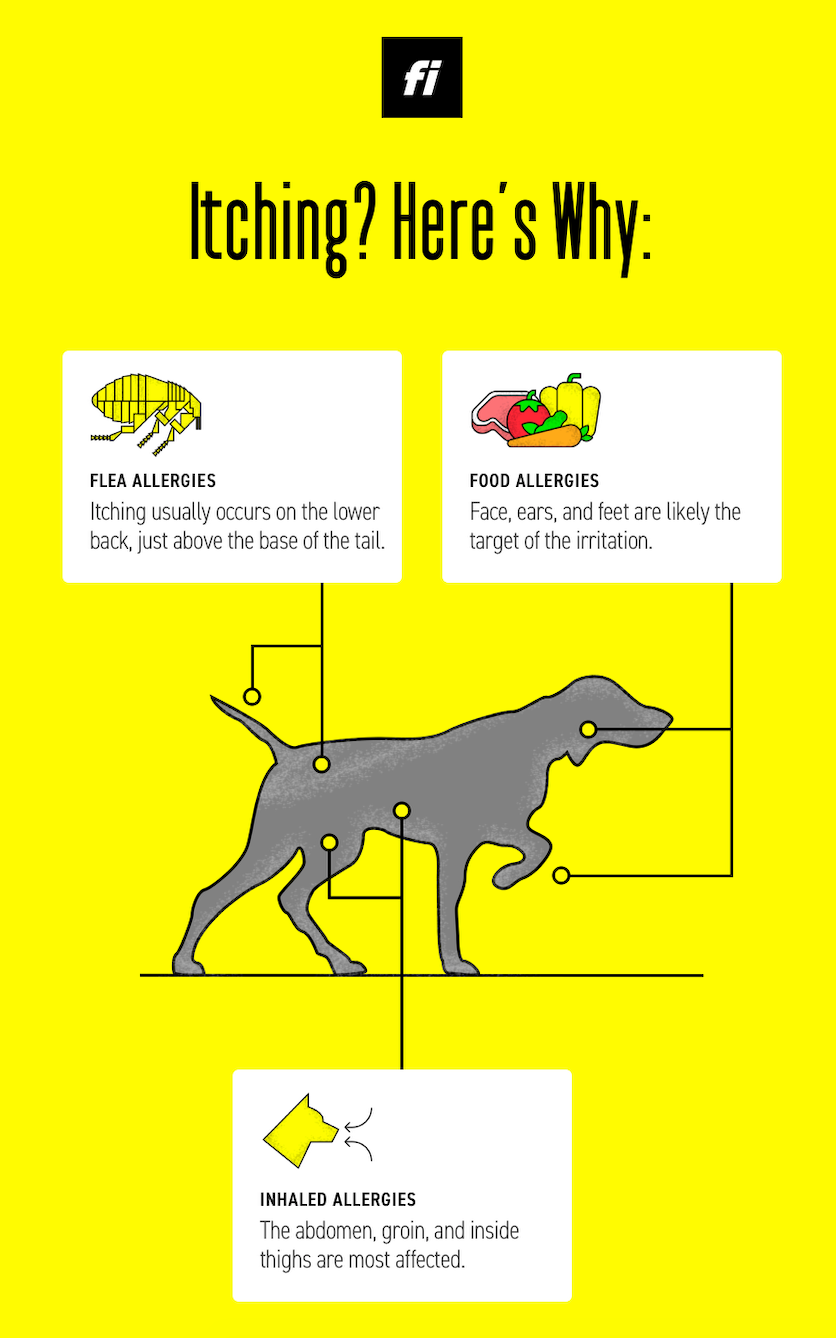
Dogs scratch nonstop for many reasons. Allergies are a top cause. Food, pollen, and dust can trigger intense itching that leads to nonstop scratching. Parasites such as fleas and mites also cause constant itch and often spread quickly through the coat. Skin infections, whether bacterial or fungal, can follow prolonged scratching and make the problem worse.

How to assess the situation quickly
Start with a calm check of your dog. Look for fleas, red bumps, scabs, hair loss, or oily skin. Note where the dog scratches the most. Track when the scratching started and what changed at home, like a new treat or cleaner. This quick check helps you and your vet narrow causes for dog scratching nonstop.

Signs that the scratching is severe
Severe scratching can mean an emergency. Watch for raw or bleeding skin, fever, lethargy, or loss of appetite. If your dog scratches nonstop and wears down its fur or skin, infection is likely. Severe cases need prompt veterinary care to avoid long-term damage.
Simple home care you can try safely
Try basic steps before a vet visit if the issue seems mild. Baths with a gentle, veterinary-recommended shampoo can reduce allergens and soothe skin. Use flea combs and flea treatments if you find fleas. Keep nails trimmed to limit injury from scratching. If the dog keeps scratching nonstop after these steps, move to professional care.

What your veterinarian will check and test
The vet will do a full skin and ear exam. They may perform skin scrapings to check for mites and fungal cultures for yeast or ringworm. Blood tests or allergy testing can follow if needed. These tests help pinpoint why the dog is scratching nonstop and guide treatment.

Standard medical treatments for nonstop scratching
Treatments vary by cause. Fleas and mites get specific topical or oral meds that act fast. Allergies may need antihistamines, steroids, or immunotherapy for long-term control. Bacterial or fungal infections require antibiotics or antifungal medicines. Your vet will tailor therapy based on the cause and your dog’s health.
Long-term management and prevention
Preventing recurrence is as important as treating now. Regular flea control, hypoallergenic diets when needed, and routine grooming help. Reduce home allergens by cleaning bedding and vacuuming often. For chronic allergy cases, work with your vet on a long-term plan to stop your dog scratching nonstop.
My personal experience and practical tips
I once treated a spaniel that scratched nonstop after changing to a new kibble. Swapping back and a short steroid course stopped the itch within days. Lesson learned: introduce new foods one at a time and watch for reactions. Keep a simple diary of diet, products, and symptoms. It helps you spot patterns fast.
Diagnosing tricky cases
Some dogs scratch nonstop with no clear cause. In those cases, vets may try elimination diets, allergy shots, or advanced blood tests. Sometimes behavior plays a role; stress and boredom lead to over-grooming. A stepwise approach and patience can solve even stubborn cases.
Practical safety tips while your dog is itchy
Protect damaged skin with soft e-collars or recovery suits. Clean wounds gently and follow vet instructions for topical care. Avoid unproven home remedies that may worsen irritation. When in doubt, call your vet to avoid harm from well-meaning but risky treatments.
Frequent triggers to watch in your home
Keep an eye on common irritants. New cleaning products, fabric softeners, and scented candles can irritate skin. Certain human foods and treats may trigger allergies. Even plants and pollen levels change seasonally and can lead to your dog scratching nonstop.
Cost and time expectations for treatment
Mild cases may clear in days with topical care and flea control. Chronic allergy care can take months and may include ongoing medications or immunotherapy. Budget for follow-up visits and possible tests. Planning ahead lowers stress when your dog needs sustained care for nonstop scratching.
When to seek emergency care
Seek emergency help if your dog has large open wounds, heavy bleeding, fever, or extreme lethargy. If your dog is scratching nonstop and you see signs of infection spreading, call your vet right away. Fast action can prevent serious complications.
Frequently Asked Questions of dog scratching nonstop
Why is my dog suddenly scratching nonstop?
Sudden nonstop scratching often points to fleas, a new allergy, or contact with an irritant. A vet exam and basic checks usually reveal the cause.
Can food cause dog scratching nonstop?
Yes. Food allergies can cause intense itch that leads to nonstop scratching. An elimination diet under vet guidance can confirm this.
Will a flea treatment stop my dog scratching nonstop immediately?
Effective flea treatments reduce bites quickly, but it can take a few days for the itch to calm. Treat all pets and the home to prevent re-infestation.
Is constant scratching a sign of infection?
Chronic scratching often leads to secondary infections, which make itching worse. Vets may need to treat both the cause and the infection.
Are steroid medications safe for nonstop itching?
Short courses of steroids are safe and very effective for severe itch when used under vet supervision. Long-term use has risks, so vets prefer targeted therapies when possible.
Can anxiety cause my dog to scratch nonstop?
Yes, stress and boredom can cause over-grooming that looks like nonstop scratching. Behavioral changes and enrichment often help reduce this habit.
How long does recovery take after treatment?
Recovery time varies by cause. Flea-related itch may improve in days; allergy management can take weeks to months. Follow your vet’s plan for the best outcome.
Should I bathe my dog if it is scratching nonstop?
Yes, a gentle medicated or oatmeal bath can soothe irritation and remove allergens. Avoid harsh human shampoos and do not over-bathe, which can dry the skin.
Are there natural remedies for dog scratching nonstop?
Some natural options like oatmeal baths or cool compresses can soothe mild itch. Strong claims should be viewed with caution and discussed with a vet to avoid harm.
When is allergy testing recommended?
Allergy testing is recommended when symptoms are ongoing or severe despite basic measures. Testing helps build an effective long-term plan to stop the dog scratching nonstop.
Conclusion
Dogs scratch nonstop for many reasons, from fleas to allergies to stress. A calm, stepwise plan helps you find the cause and begin safe care. Start with simple home checks, try gentle remedies, and see your vet when symptoms are severe or persistent. Take action early to ease your dog’s discomfort and prevent infection. Try one small change today—like checking for fleas or swapping a recent food—and consider booking a vet visit if the scratching does not improve. Leave a comment with your experiences or subscribe for more pet care tips.
