
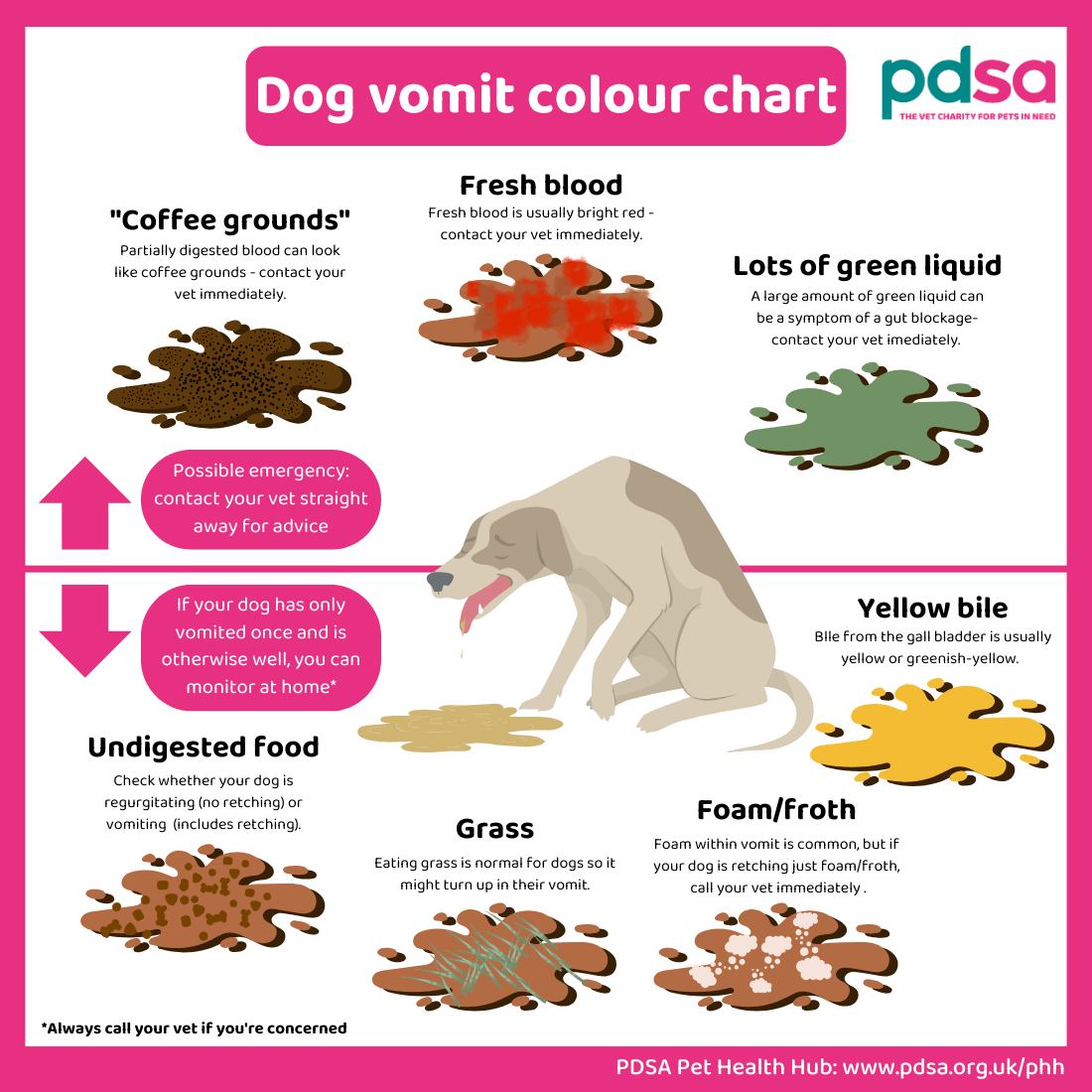
Dogs vomit foam when their stomach is empty, irritated, or when mild illness or reflux occurs.
I have treated many dogs with foam vomiting and helped worried owners find answers. This article explains why dog vomiting foam happens, when it is serious, how vets diagnose it, and practical home care and prevention tips. I combine clinical insight, hands-on experience, and clear steps you can use today to help your pet.

Common causes of dog vomiting foam
Dog vomiting foam can be caused by many things. Often it is simple and short lived. At other times it may signal a larger problem.
- Gastroenteritis
Dog vomiting foam often follows stomach inflammation. Dogs may have eaten something bad or swallowed a toxin. - Empty stomach or bile reflux
When a dog has an empty stomach, bile can build up. That bile leads to foamy, yellow or white vomit in the morning or between meals. - Indigestion or gas
Eating too fast or eating new food can irritate the stomach. This can cause foam in vomit. - Pancreatitis or liver disease
More serious illnesses can start with foam vomit. These require quick vet care. - Heart or respiratory problems
Rarely, coughing or breathing trouble causes a dog to foam and vomit. - Motion sickness or stress
Travel or anxiety can make dogs vomit white foam.
Dog vomiting foam is common. Pay attention to frequency, color, and other signs like lethargy or fever. These clues show how urgent it is.

How vets evaluate dog vomiting foam
Veterinarians use a stepwise approach. This helps find the cause and rule out danger.
- History and exam
The vet asks about diet, timing, and recent changes. They check hydration, abdomen, and temperature. - Blood tests
Simple bloodwork checks organ function and infection. - Imaging
X-rays or ultrasound find blockages or inflammation. - Fecal tests
These look for parasites that can cause vomiting. - Specialized tests
If needed, vets test for pancreatitis, liver disease, or toxins.
Early and clear information speeds diagnosis. Bring a photo of the vomit and a list of foods and medications. This helps your vet pinpoint the cause.
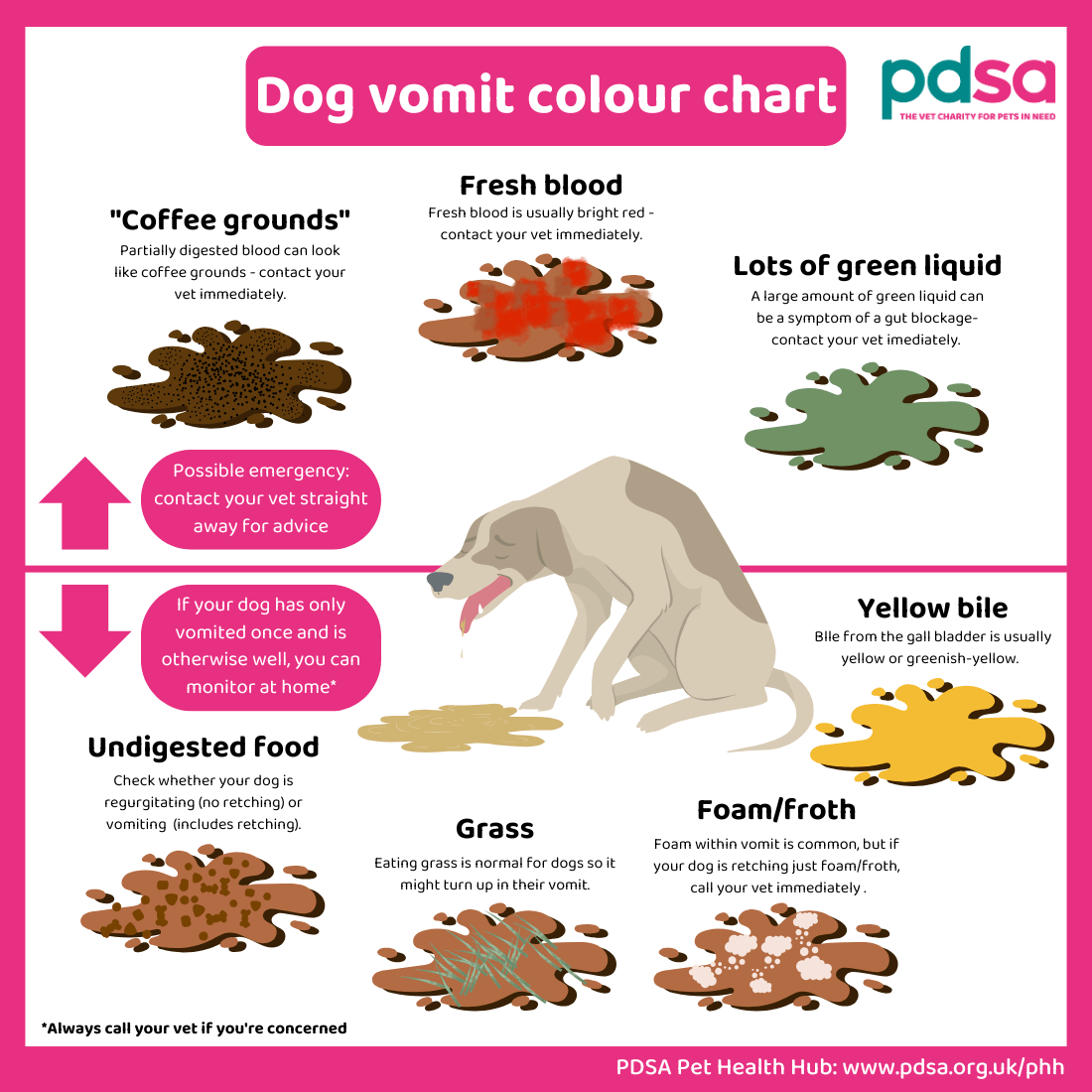
When dog vomiting foam is an emergency
Not every foam vomit is an emergency. But some signs mean you must act fast.
- Repeated vomiting
Vomiting many times in a few hours risks dehydration and shock. - Blood in vomit
Any blood needs urgent vet care. - Severe weakness or collapse
These signs may mean poisoning or major organ failure. - Abdominal pain or bloating
A swollen belly can signal life-threatening blockage. - High fever or breathing trouble
Seek immediate help if your dog has these signs.
If you are unsure, call your vet or an emergency clinic. Trust your gut when your dog looks very unwell.

Home care: safe steps for mild dog vomiting foam
Many mild cases improve at home. Use practical steps to keep your dog comfortable.
- Fast briefly
Withhold food for 6 to 12 hours for adult dogs. This lets the stomach rest. - Offer water in small amounts
Give a few teaspoons every 10 minutes. Prevent dehydration but avoid large gulps. - Bland diet
When vomiting stops, give small meals of plain boiled chicken and rice for 2–3 days. - Monitor closely
Check for more vomiting, changes in energy, or loss of appetite. - Avoid home remedies without vet advice
Human anti-nausea meds can be harmful.
If vomiting returns or your dog worsens, see the vet. Early care prevents escalation.

Medical treatments vets may use
Vets tailor treatment to the cause. Here are common options.
- Fluids
IV or subcutaneous fluids fix dehydration and electrolyte loss. - Anti-nausea medications
Drugs can stop vomiting and improve appetite. - Antibiotics or dewormers
Used when infection or parasites are found. - Hospital care for severe cases
Dogs with pancreatitis, poisoning, or blockages may need surgery or intensive care. - Dietary therapy
Prescription diets help chronic reflux or sensitive stomachs.
Follow the vet’s plan closely. Finish all meds and return for rechecks if told.
Preventing dog vomiting foam
Good routines cut the chance of foam vomiting. Small changes help a lot.
- Feed consistent meals
Two or three small meals per day reduce bile reflux. - Slow feeding methods
Use puzzle feeders or special bowls to stop fast eating. - Keep toxic foods out of reach
Chocolate, grapes, xylitol, and some human meds can cause vomiting. - Move gradually between diets
Mix new food over 7–10 days to avoid upset stomach. - Regular parasite control
Keep a vet-approved deworming schedule. - Manage stress
Calm travel and safe spaces reduce motion or anxiety vomiting.
I once switched a dog with morning foam to three small meals. The foam stopped within a week. Small fixes can create big benefits.
My experience and practical tips
I’ve seen the fear when owners find foam on the floor. I learned to stay calm and act fast. One tip I share often is to save a sample of the vomit and note the time. It helps the vet diagnose quickly.
- Keep a first-aid kit
Include bottled water, an extra leash, and your vet’s number. - Track symptoms
Use a simple notebook or phone notes to log vomiting, appetite, and bowel movements. - Know your dog’s normal
Changes from normal are the best early warning signs.
Mistakes to avoid:
- Don’t give human meds without vet approval.
- Don’t force-feed a dog that is still vomiting.
- Don’t delay care when signs get worse.
These habits cut stress and improve outcomes for dogs with foam vomiting.
Long-term issues linked to recurrent dog vomiting foam
Chronic foam vomiting can point to long-term problems. Watch for patterns and act early.
- Chronic gastritis
Repeated stomach inflammation needs medical management and diet change. - Inflammatory bowel disease
This causes recurring vomiting and diarrhea and needs testing. - Food intolerance or allergy
Some dogs react to proteins or additives. - Metabolic disease
Diabetes and liver disease can show with vomiting.
Work with your vet for tests and a management plan. Long-term care can be simple and life-improving.
Frequently Asked Questions about dog vomiting foam
Why is my dog vomiting white foam in the morning?
White foam in the morning is often bile from an empty stomach or mild reflux. Feeding small meals earlier or a late snack can reduce morning foam.
How long should I wait before seeing a vet?
If your dog vomits once and acts normal, watch for 24 hours. See a vet sooner if vomiting repeats, or if there is blood, weakness, or abdominal pain.
Can diet change stop dog vomiting foam?
Yes. Switching to smaller, more frequent meals or a bland diet can help. A slow transition and vet guidance improve success.
Is it safe to give anti-nausea medicine from the internet?
No. Human or internet-sourced meds can harm dogs. Always get vet-prescribed medications and dosages.
Could toxins cause dog vomiting foam?
Yes. Many toxins cause sudden vomiting and foam. If you suspect poisoning, seek emergency veterinary help immediately.
Will stress cause my dog to vomit foam?
Yes. Travel, boarding, or loud events can trigger vomiting in anxious dogs. Calming strategies and gradual exposure help.
Conclusion
Dog vomiting foam is usually a manageable sign. It can mean anything from an empty stomach to a serious illness. Know the common causes, watch for emergency signs, and use simple home care when safe. Act quickly when vomiting repeats or other worrying signs appear.
Take action today by tracking your dog’s symptoms and setting up a vet visit if vomiting repeats. If this article helped, consider subscribing for more pet health guides or leave a comment with your questions.
