
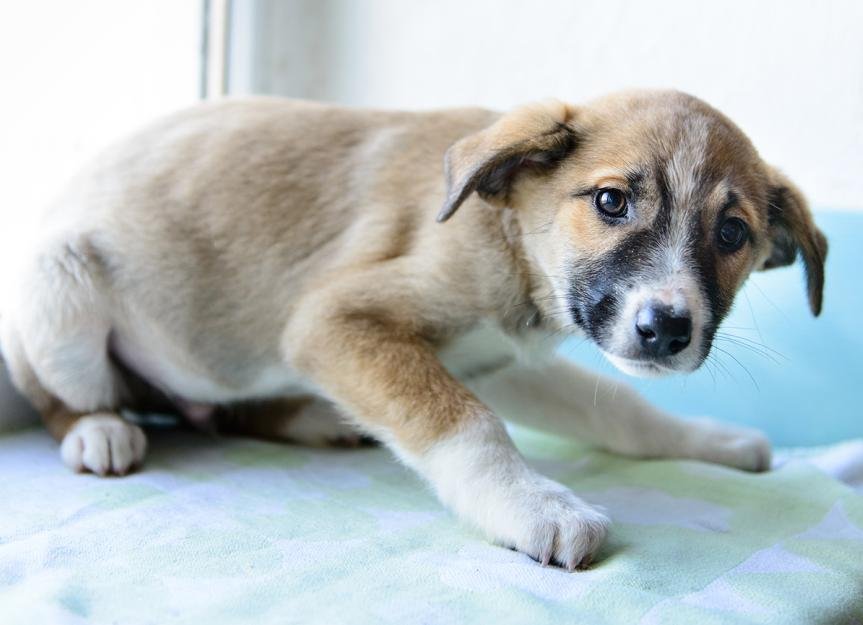
Dog shaking and trembling can mean fear, pain, cold, nausea, or a serious medical issue.
I have helped many dog owners and worked with vets to spot why dog shaking and trembling happens. This guide explains common causes, how to tell mild from serious, tests vets use, and clear steps you can take at home. Read on to learn practical tips, real-life stories, and when you must see a vet to keep your dog safe and calm.

Causes of dog shaking and trembling
Dogs shake for many reasons. Some causes are harmless. Others need urgent care. Knowing common triggers helps you act fast and wisely.
- Cold or chill — Small or short-coated dogs shiver when cold.
- Fear and anxiety — Loud noises, new places, and stress can cause tremors.
- Pain or injury — Dogs often shake when hurt or in pain.
- Nausea or stomach upset — Vomiting and nausea can lead to trembling.
- Toxins and poisoning — Some chemicals and foods cause shakes.
- Low blood sugar — Puppies and small breeds can tremble from low sugar.
- Neurological issues — Seizures and nerve problems cause noticeable tremors.
- Age-related issues — Older dogs may shake from arthritis or cognitive decline.

How to tell severity of dog shaking and trembling
Not all shaking is an emergency. Look for urgent signs. Quick action can be life saving.
- Mild and brief — Shivering after a bath or while excited is often fine.
- Repeated or worsening — Ongoing tremors that grow worse need a vet.
- Accompanying symptoms — Vomiting, drooling, collapse, or breathing trouble require immediate care.
- Loss of coordination — Stumbling, circling, or fainting suggests a serious neurological issue.
- Temperature and skin — High fever or cold skin can point to infection or shock.
Common medical causes of dog shaking and trembling
Understanding medical causes helps you explain symptoms to your vet. Each cause has typical signs and treatments.
- Pain from injury or disease — Dogs hide pain but tremble when it flares up.
- Hypoglycemia — Low blood sugar makes puppies weak and shaky.
- Poisoning — Chocolate, xylitol, pesticides, and certain plants cause tremors.
- Infection or fever — Viral and bacterial infections can produce shaking.
- Seizure disorders — Epilepsy and other brain issues cause convulsions or tremors.
- Organ failure — Liver or kidney problems sometimes show as shaking.
- Metabolic or endocrine issues — Low calcium or thyroid problems can trigger tremors.

Diagnosis for dog shaking and trembling
A clear diagnosis guides safe treatment. Vets use simple tests first, then more if needed.
- Physical exam — The vet checks temperature, heart, and pain points.
- Blood tests — These find infections, organ issues, toxins, and sugar levels.
- Urine tests — Urinalysis checks kidneys and metabolic problems.
- Imaging — X-rays or ultrasound look for internal injury or tumors.
- Neurological exam — Tests reflexes and coordination to find nerve issues.
- Toxin screens — If poisoning is suspected, tests or stomach checks help.
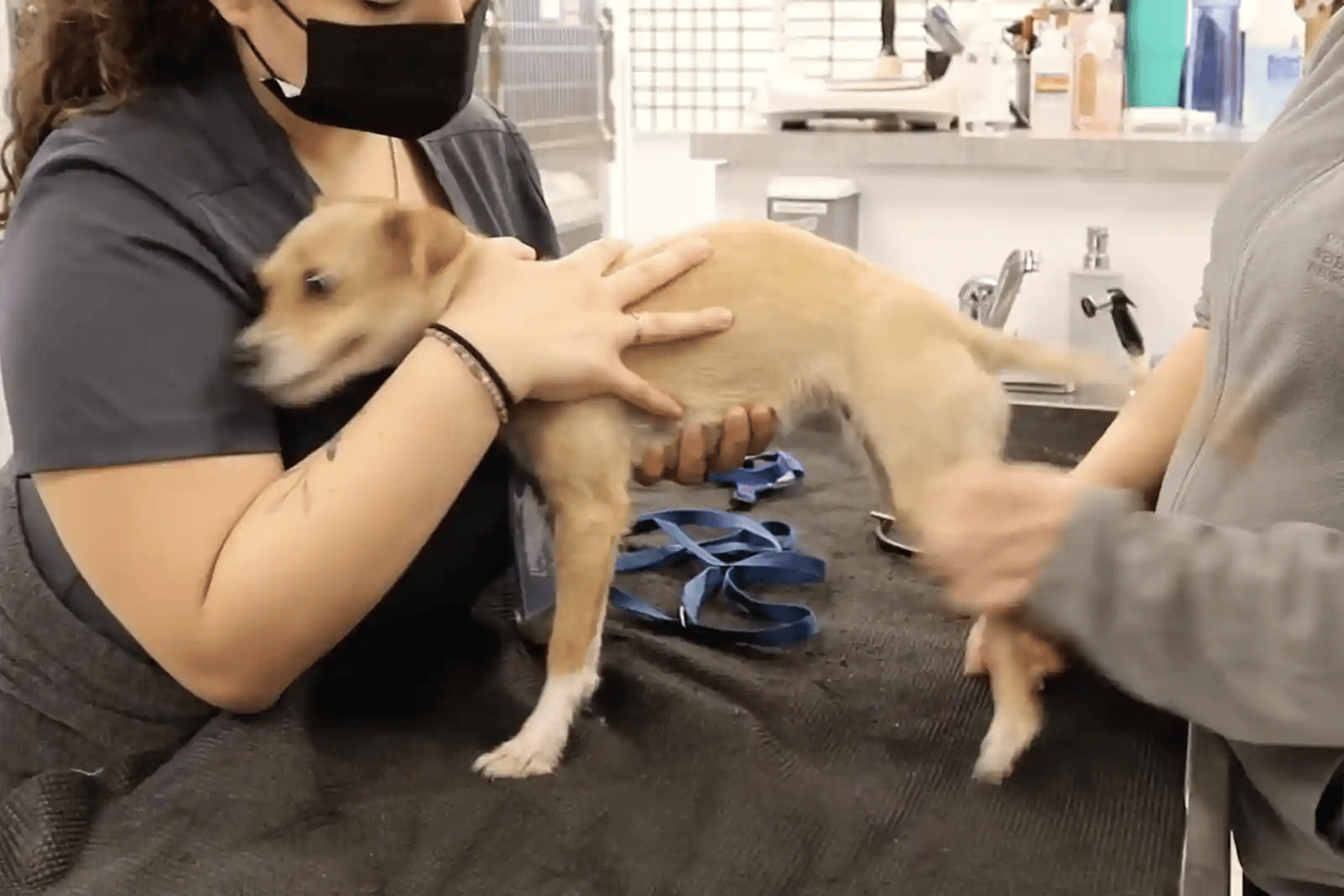
Treatment for dog shaking and trembling
Treatment targets the cause. Fast care makes a big difference.
- Warming or cooling — Treat cold-related shivering or heat-related issues first.
- Fluids and electrolytes — Useful for dehydration, vomiting, or shock.
- Pain relief — Safe pain meds from a vet reduce shaking from injury.
- Anticonvulsants — Used for seizures under veterinary guidance.
- Decontamination — Vomiting or activated charcoal for recent poison ingestion as directed by a vet.
- Anti-anxiety measures — Short-term meds or behavior plans for severe fear.

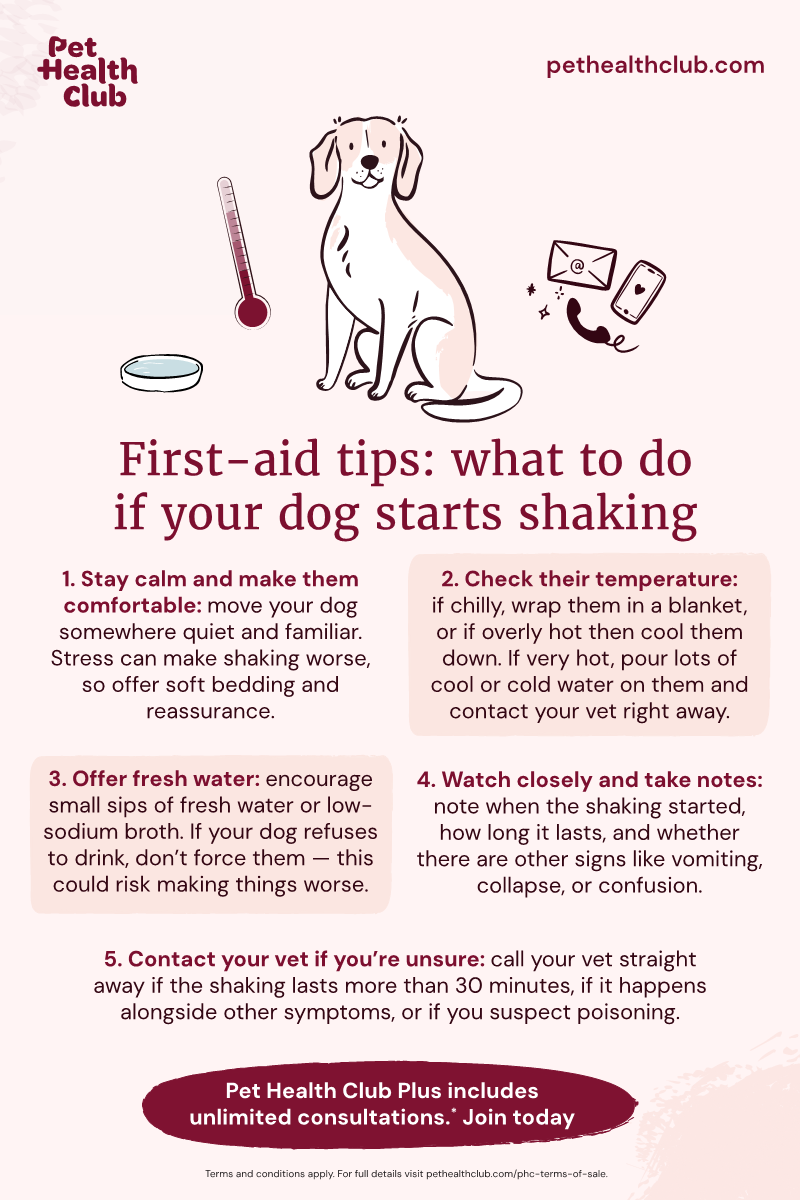
Home care and first aid for dog shaking and trembling
You can help your dog before you reach the clinic. Stay calm and act slowly.
- Keep your dog warm and dry if cold is the likely cause.
- Remove toxins and take the product label to the vet.
- Comfort a fearful dog in a quiet, dim room and offer a safe bed.
- Do not give human medicines unless instructed by a vet.
- Record when the shaking started and note any other symptoms for the vet.

Prevention of dog shaking and trembling
Good routines and care reduce the chance of scary shakes. Prevention is simple and effective.
- Keep vaccinations up to date to avoid infectious causes.
- Use a balanced diet and regular feeding schedule to prevent low blood sugar.
- Puppy-proof the home to limit access to toxins and dangerous foods.
- Build calm habits with training and noise desensitization.
- Visit the vet for regular checks to catch problems early.
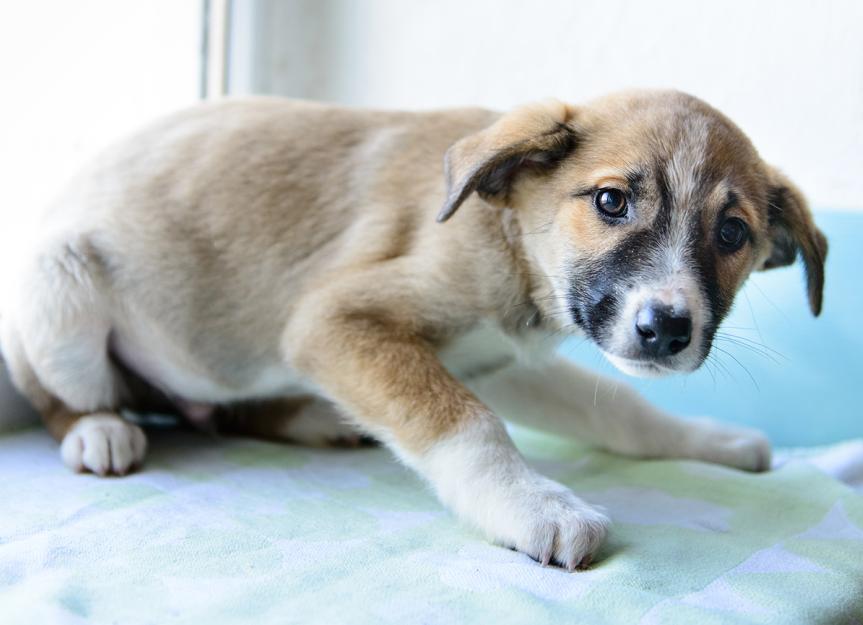
My experience with dog shaking and trembling
Years ago my rescue dog would tremble during fireworks. He paced and shook all night. I tried a warm bed and calm music first. That helped a little. I then used a vet-prescribed short course of anti-anxiety medicine. I paired that with training and a safe den. Over weeks his tremors eased and he learned to cope. The lesson: comfort now, treat wisely, and train for long-term calm.
Breed and age differences in dog shaking and trembling
Breed and age change how often dogs shake. Know what to expect for your dog.
- Small breeds — Chihuahuas and toy breeds often shiver from cold or low sugar.
- Puppies — Young dogs can have brief tremors from low glucose or fear.
- Working and sporting breeds — High energy dogs may shake when overexcited.
- Senior dogs — Trembling in older dogs often links to pain or cognitive decline.
- Breed-specific issues — Some breeds have genetic conditions that cause tremors.
Frequently Asked Questions of dog shaking and trembling
What if my dog shakes after a bath?
Shivering after a bath often means your dog is cold or stressed. Dry them gently and warm them with a towel or blanket. If shaking continues, watch for other signs.
Can anxiety cause my dog shaking and trembling?
Yes. Loud noises, new places, and separation anxiety frequently cause trembling. Behavior training and vet-recommended calming aids can help.
When is shaking a sign of poisoning?
Shaking with vomiting, drooling, or sudden collapse may mean poisoning. Contact your vet or emergency clinic right away and bring the suspected substance label.
Are seizures the same as trembling?
Not always. Seizures involve loss of control, stiffening, or full convulsions. Trembling can be mild and continuous and might signal pain or cold instead.
Can I give human medication to stop shaking?
Do not give human medicine unless a vet says it is safe. Some drugs, like acetaminophen or ibuprofen, are toxic to dogs. Always call your vet first.
How long should I wait before seeing a vet?
If shaking is brief and clearly from cold or fear, monitor for a few hours. Seek immediate care if shaking is severe, persistent, or comes with vomiting, collapse, or breathing problems.
Conclusion
Dog shaking and trembling can be simple or serious. Watch your dog closely. Note timing, triggers, and other signs. Comfort your pet and call a vet when shaking is new, severe, or paired with other worrying symptoms. Take action: make a calm plan, puppy-proof your home, and book regular vet visits. If this article helped you, share your experience or ask a question below and consider subscribing for more pet care tips.
