
Dogs lick their paws excessively often due to allergies, pain, boredom, or skin infections.
I’ve worked with dogs and read veterinary research for years, so I know how worrying dog excessive paw licking can be for pet owners. This article breaks down causes, diagnosis, treatment, and simple at-home care so you can spot problems early and help your dog feel better. Expect clear steps, real-life tips, and practical advice you can use today for dog excessive paw licking.

Why dogs lick their paws excessively
Dogs lick their paws for many reasons. Normal grooming is fine. Excessive licking is not. Dog excessive paw licking can mean pain, allergy, infection, or stress. When licking is constant or causes raw skin, it needs attention. I’ll explain how to tell normal licking from a problem.
Dogs use their mouths to clean. Licking can soothe an itch. But too much licking can make skin sore. If you see bald spots, redness, or swelling, the licking is likely harmful. Regular checks help catch issues early and prevent long-term damage from dog excessive paw licking.

Common causes of dog excessive paw licking
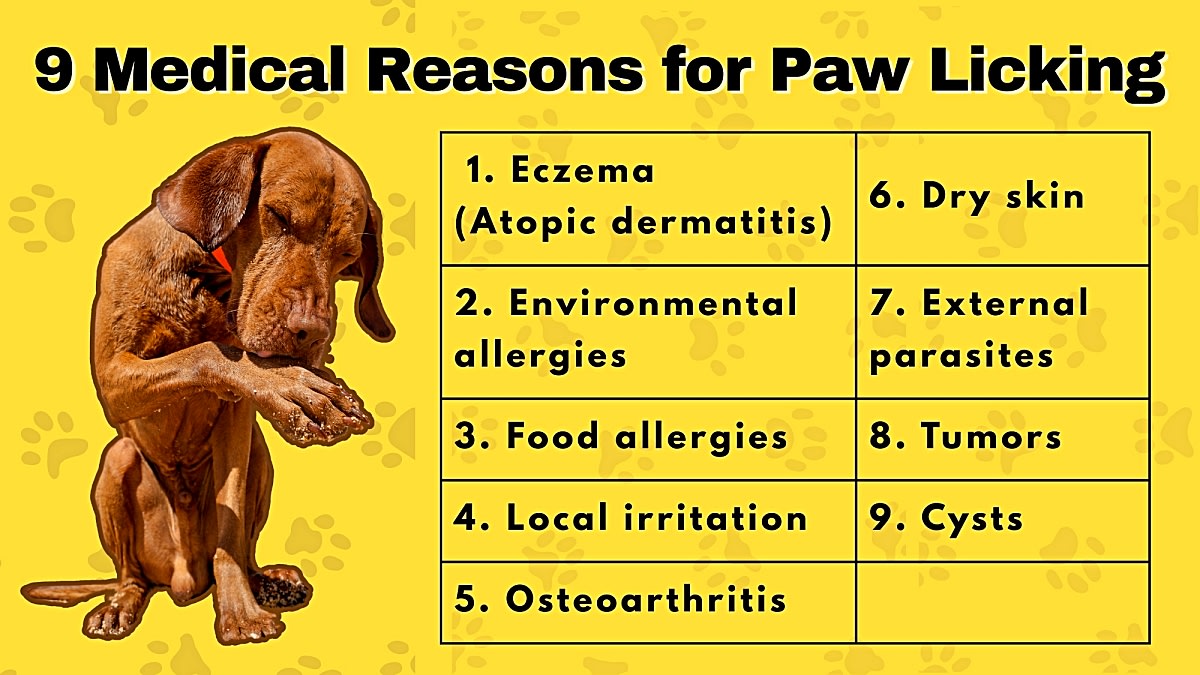
Understanding causes helps you pick the right solution. Here are the top reasons:
- Allergies. Dogs can react to food, pollen, dust mites, or grass. Allergies often cause itchy paws and repeated licking.
- Skin infections. Bacterial or fungal infections can make paws painful and smelly, which leads to more licking.
- Parasites. Fleas and mites can cause intense itching and focus on paws or lower legs.
- Pain or injury. Cuts, thorns, sprains, or nail issues make dogs lick the sore spot.
- Behavioral reasons. Anxiety, boredom, or compulsive disorders can cause non-stop licking as a calming habit.
- Contact irritants. Salt, de-icing chemicals, shampoo residues, or lawn chemicals can burn paws and lead to licking.
- Dry or cracked skin. Environmental factors can cause dryness and discomfort, prompting licking.
If you see redness, swelling, discharge, limping, or a bad odor, suspect infection or injury. Treating the root cause is key to stopping dog excessive paw licking.
How to diagnose and when to see a vet
Quick checks at home help. Look for these signs:
- Red or raw skin between toes
- Swelling or heat in the paw
- Foul smell or pus
- Limping or favoring a paw
- Licking that lasts more than a day or two
If any of the above appear, see a vet. A vet examines the paw, may swab the area, and could do skin scraping or allergy testing. Imaging like X-rays may be needed for deep pain or suspected bone injury. Early diagnosis stops problems from getting worse and can avoid long-term pain from dog excessive paw licking.

Treatment and management for dog excessive paw licking
Treatment depends on cause. Here are typical approaches vets use:
- For allergies
- Change diet if food allergy is suspected.
- Use antihistamines or prescription meds.
- Try hypoallergenic shampoos and paw soaks.
- For infections
- Topical antiseptic washes.
- Prescription oral or topical antibiotics for bacteria.
- Antifungal meds for yeast issues.
- For injuries
– Clean and bandage wounds.- Pain relief and rest.
- Surgery for deep injuries if needed.
- For behavioral licking
- Increase exercise and mental stimulation.
- Use enrichment toys and training.
- Consider behavior consult and, sometimes, medication.
- For contact irritants
- Rinse paws after walks.
- Use protective booties when needed.
Always follow your vet’s plan. Stopping symptoms without treating the root cause leads to relapse and continued dog excessive paw licking.
Home care and prevention tips for dog excessive paw licking
Preventing problems is often easier than fixing them. Try these simple steps at home:
- Inspect paws weekly. Check between toes and pads for cuts or swelling.
- Wash paws after outdoor walks. Use plain water or a gentle cleaner.
- Trim fur around paw pads and keep nails short.
- Avoid harsh chemicals. Wipe paws after sidewalks treated with de-icing salts.
- Switch to a limited-ingredient diet if food allergy is suspected, under vet guidance.
- Use soothing balms for dry pads. Choose products safe if licked.
- Provide regular exercise and mental play to reduce boredom licking.
- Use an Elizabethan collar or soft cone short-term to stop damage while treating the cause.
Small habits stop many cases of dog excessive paw licking before they become serious.

My experience with dog excessive paw licking
Years ago, I helped a Labrador with chronic licking. The dog had itchy, red paws and chewed at them daily. Initial home remedies helped a little, but the problem returned. A vet test showed a food allergy. Changing to a simple diet and using a medicated paw wash cleared the issue in weeks.
Lessons I learned:
- Don’t ignore mild signs. Early vet checks save time and pain.
- Track when licking gets worse. Weather, new cleaners, or treats often reveal the trigger.
- Behavior matters. Bored dogs lick more. More walks and puzzle toys can fix some cases.
These real steps helped that dog stop licking and return to normal play in a month.

Frequently Asked Questions of dog excessive paw licking
Why is my dog licking one paw nonstop?
Single-paw licking often means pain, a thorn, or local infection. Check the paw for injury, swelling, or foreign objects and see a vet if you can’t find the cause.
Can stress cause dog excessive paw licking?
Yes. Anxiety and boredom can cause compulsive licking. Increasing activity, training, and enrichment can help reduce stress-driven licking.
Is licking paws a sign of allergies?
Often. Allergies commonly cause itchy paws and repeated licking. Food trials or environmental tests may be needed to confirm.
How long can I let my dog lick before seeing a vet?
If licking causes raw skin, swelling, or a bad smell, see a vet right away. If mild licking lasts more than a few days, schedule a check to avoid worsening.
Will an Elizabethan collar stop dog excessive paw licking?
An Elizabethan collar stops the behavior but does not treat the cause. Use it as a short-term measure while you follow vet-recommended treatment.
Are home remedies safe for dog excessive paw licking?
Some home care like rinsing paws and using safe balms is fine. Avoid random creams or human meds without vet advice because some can be harmful if ingested.
Conclusion
Dog excessive paw licking is common but often treatable. Look for signs, act early, and work with your vet to find the cause. Small steps like paw rinses, diet checks, and more playtime often stop the problem. Start by inspecting your dog’s paws today, and if you see worrying signs, book a vet visit. Share your questions or experiences in the comments and subscribe for more practical pet care tips.
