
Dog coughing and gagging often signals airway irritation, infection, or a serious underlying condition.
I’ve spent years helping worried owners manage dog coughing and gagging, from simple throat irritation to heart disease. This guide dives into common causes, clear signs to watch for, immediate steps to take, and how vets diagnose and treat these issues. Read on for practical tips, real-life examples, and simple ways to keep your dog breathing easy.

Common causes of dog coughing and gagging
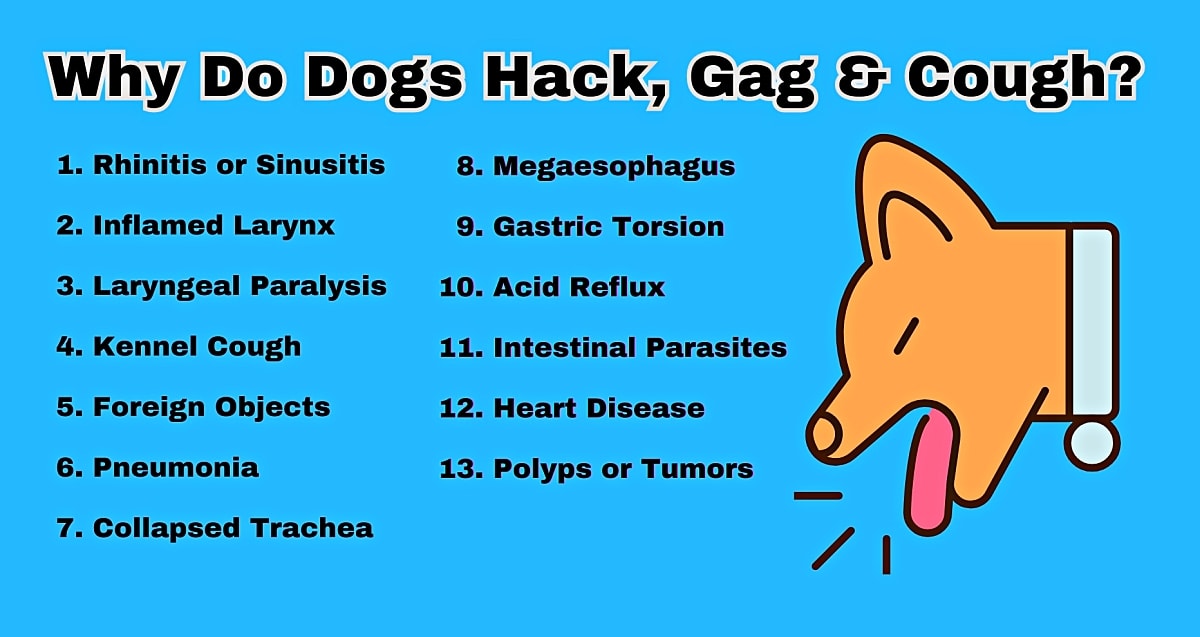
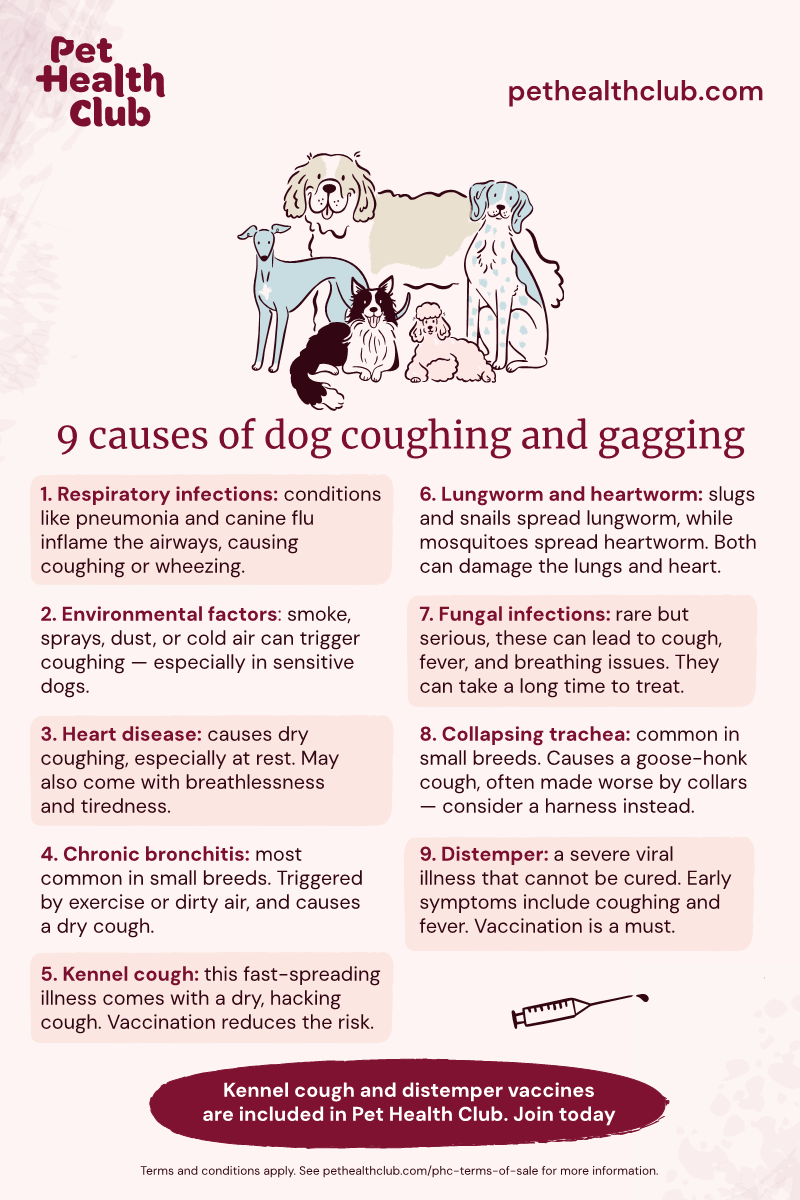
Dogs cough and gag for many reasons. Some causes are mild, like throat tickle or post-nasal drip. Others are urgent, such as kennel cough, heart disease, collapsing trachea, or pneumonia. Allergies, foreign objects stuck in the throat, and parasites can also trigger coughing and gagging.
- Infection: Respiratory viruses and bacteria often lead to a moist or dry cough.
- Kennel cough: A harsh, honking cough that often follows social exposure.
- Tracheal collapse: A dry, honking cough that worsens with excitement or pressure on the neck.
- Heart problems: Fluid in the lungs and airway irritation can cause persistent cough.
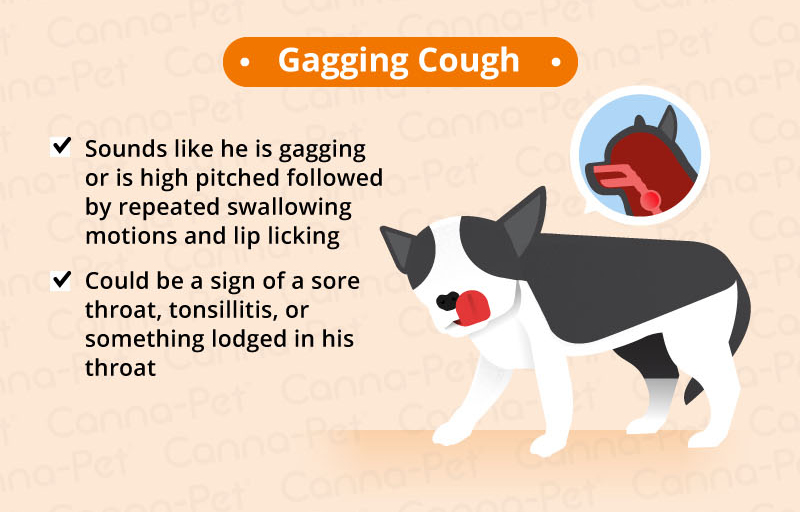
- Foreign body: Sudden gagging and repeated retching can point to something stuck.
- Parasites: Lungworms and heartworm disease can cause chronic cough.

Signs and symptoms to watch for
Watch how the cough sounds and when it happens. Note any color change in gums, breathing speed, or effort. Keep a short log of episodes to share with your vet.
- Sound: Wet gurgling suggests fluid or mucus. Dry or honking cough suggests tracheal issues or kennel cough.
- Frequency: Occasional cough after excitement is different from constant coughing at rest.
- Other signs: Lethargy, fever, poor appetite, weight loss, or blue-tinged gums are serious red flags.
- Triggers: Cough that starts when pulling on a collar points to tracheal irritation.
Immediate steps to take at home
Stay calm and keep your dog calm. Quick action can ease the situation while you arrange vet care.
- Keep the airway open: Remove tight collars and place a harness if you must walk the dog.
- Calm environment: Reduce activity, noise, and excitement to avoid deeper breathing.
- Check for choking: Look inside the mouth if it’s safe. Do not probe if you can’t see the object.
- Avoid home remedies: Do not give human cough medicine or induce vomiting without vet advice.
When to see your veterinarian
Prompt vet care matters when coughing or gagging is persistent or severe. Err on the side of caution if you see worsening signs.
- Emergency visit: Severe distress, bluish gums, collapse, or inability to breathe normally.
- Urgent check: Cough lasting more than 48 hours, fever, loss of appetite, or worsening energy.
- Routine vet: Mild, short-lived cough after exposure to other dogs or a single gagging episode.

How vets diagnose the cause
Vets use history, exam, and tests to find the cause of dog coughing and gagging. Accurate diagnosis guides safe treatment.
- Physical exam: Lungs, heart, throat, and lymph nodes are checked carefully.
- Chest X-rays: Show pneumonia, heart enlargement, or fluid in the lungs.
- Blood tests: CBC and chemistry help spot infection, anemia, or organ issues.
- Heart tests: Heartworm test and echocardiogram if heart disease is suspected.
- Airway sampling: Tracheal wash or bronchoscopy can find specific infections or cells.
- Foreign body check: Imaging or scoped exam when a stuck object is likely.
Treatment options and what to expect
Treatment depends on the diagnosis. Most dogs improve with the correct care and follow-up.
- Infections: Antibiotics, cough suppressants, and supportive care for bacterial causes.
- Kennel cough: Often supportive care; severe cases may need antibiotics or steroids.
- Heart disease: Medications to manage fluid, heart function, and symptoms.
- Tracheal collapse: Cough control, weight management, harness use, and possible surgery for severe cases.
- Foreign body: Removal by endoscopy or surgery, followed by fluid therapy and antibiotics if needed.

Home care and prevention tips
Small changes at home can reduce episodes of dog coughing and gagging. Prevention helps avoid costly and stressful emergencies.
- Use a harness: Avoid pressure on the neck to reduce tracheal irritation.
- Keep vaccines up to date: Vaccination helps prevent infectious coughs.
- Avoid smoke and strong odors: Smoke, perfumes, and household sprays can trigger coughs.
- Control weight: Extra weight can worsen coughing linked to heart and airway disease.
- Regular checkups: Early detection of heart or lung issues helps long-term health.

Personal experience and practical lessons
I’ve seen dogs with a dramatic gag turn out to be fine after a scared owner removed a small piece of toy. I’ve also treated subtle chronic coughs that revealed heart disease on an X-ray. From my years in clinics, two lessons stand out.
- Know your dog’s normal: If your dog rarely coughs, even one odd episode is worth noting.
- Trust your instincts: Owners often spot changes before tests do. If you feel something is wrong, seek care.

Common myths about dog coughing and gagging
Myths breed delay and worry. Here are clear facts to replace common misconceptions.
- Myth: All coughs are kennel cough. Fact: Many causes exist, including heart and lungs.
- Myth: If the dog still eats, it’s fine. Fact: Dogs can eat while having serious lung issues.
- Myth: Home cough syrup is safe. Fact: Many human meds are toxic to dogs and should not be given.
- Myth: Young dogs don’t get heart disease. Fact: Congenital or early infections can affect younger dogs.
Frequently Asked Questions about dog coughing and gagging
What should I do if my dog is gagging and can't breathe?
If your dog cannot breathe, get emergency help immediately. Keep your dog calm, open the airway if you can see and safely remove an object, and avoid putting fingers deep in the throat.
Can kennel cough be treated at home?
Mild kennel cough may improve with rest, humidity, and close monitoring at home. Seek vet care if the cough is severe, lasts longer than a week, or the dog shows other symptoms.
How long does coughing last with heart disease?
Cough from heart disease varies by severity and treatment. With proper care, symptoms can improve, but long-term management is often needed.
Are there safe cough medicines for dogs?
Only give medicines prescribed by your vet. Many human cough medicines are harmful, so do not use them without veterinary guidance.
Could allergies cause my dog to cough and gag?
Yes, environmental allergies can cause throat irritation, post-nasal drip, and coughing. Managing exposure and sometimes medication can help.
When should I worry about a gagging fit?
Worry if gagging is persistent, causes distress, or is paired with pale or blue gums, fainting, or inability to swallow. Those signs need emergency care.
Conclusion
Dog coughing and gagging ranges from mild to life-threatening, so careful observation and prompt care matter. Use a calm approach, note changes, and seek veterinary help when coughs persist or worsen. Protect your dog with vaccines, a harness, and regular checkups to reduce risk and catch problems early. If you’re worried about your dog, schedule a vet visit, leave a comment with your experience, or subscribe for more pet health guides.
