
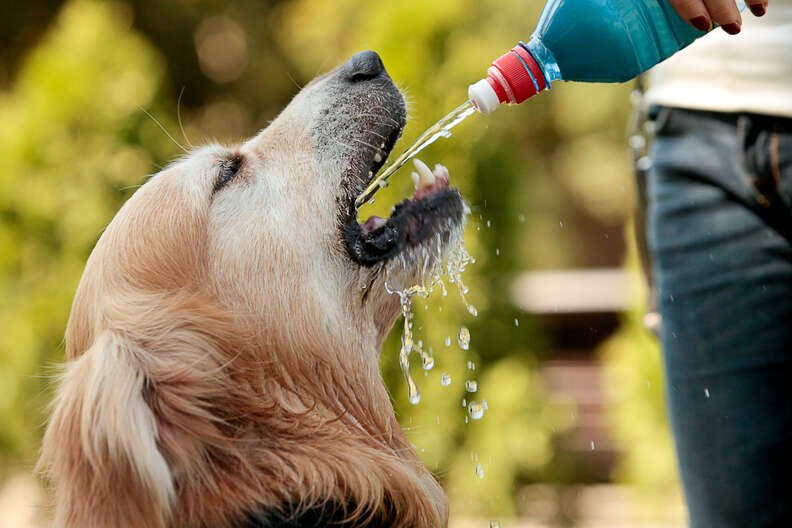
Excessive water intake in dogs can point to illnesses like diabetes, kidney disease, or infections.
I have spent years working with dogs and writing about common health issues. If you notice your dog drinking excessive water, this guide explains why it happens, what tests vets run, and how to help your pet at home. I will share real cases, practical steps, and clear signs to watch so you can act fast and confidently.
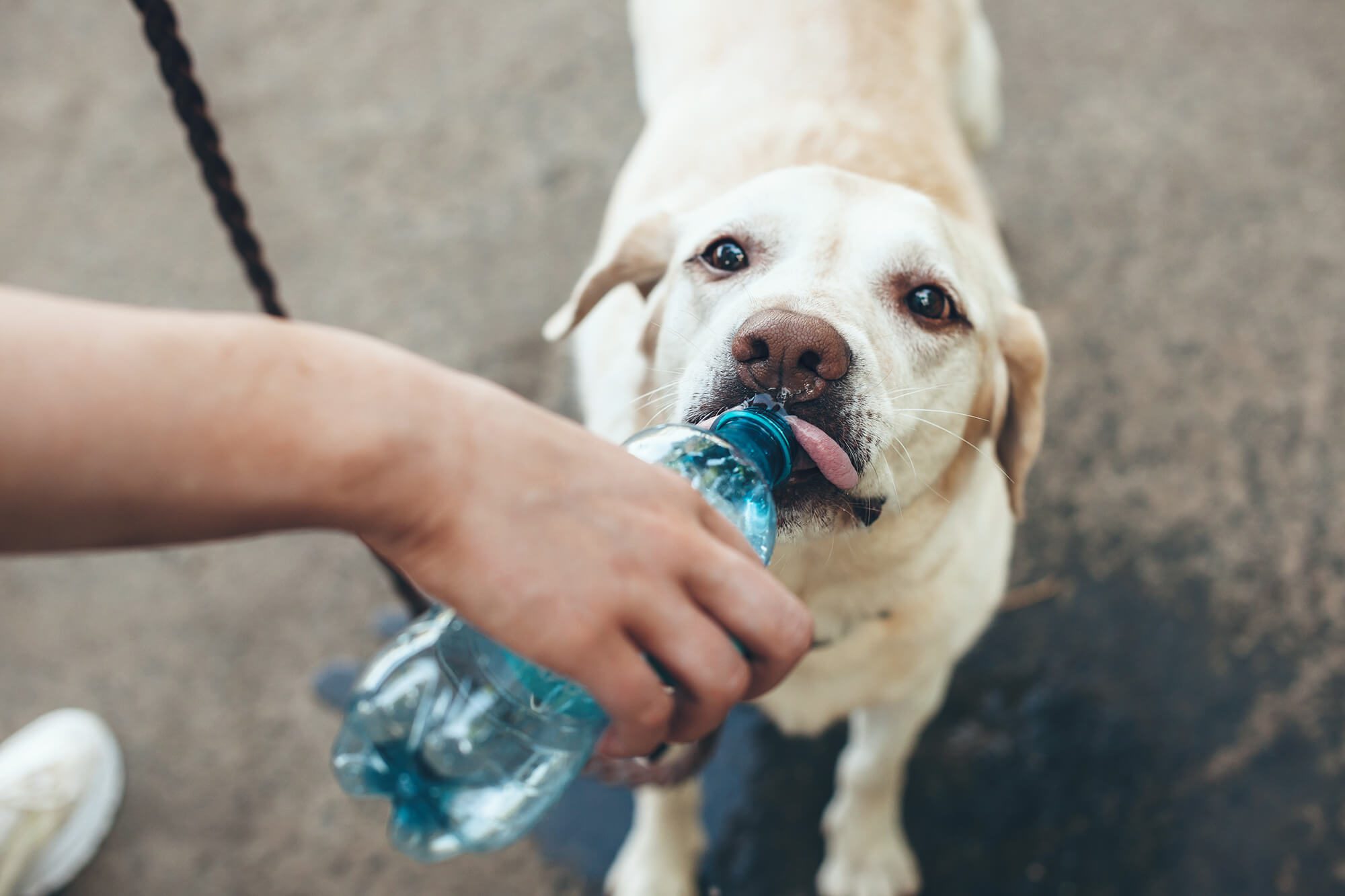
Why a dog drinking excessive water happens
Dogs drink more water for many reasons. Some are harmless, like hot weather or exercise. Others may signal serious illness, such as diabetes, kidney problems, Cushing’s disease, or infections. Medications and certain diets can also increase thirst.
Common causes include:
- Increased activity, heat, or salt intake that raises normal thirst.
- Medications that cause thirst as a side effect.
- Diseases that disrupt fluid balance like diabetes or kidney disease.
- Behavioral issues such as boredom or anxiety that lead to overdrinking.
From my clinic work, I learned that owners often notice the change first. Early detection usually leads to better outcomes when the cause is medical.
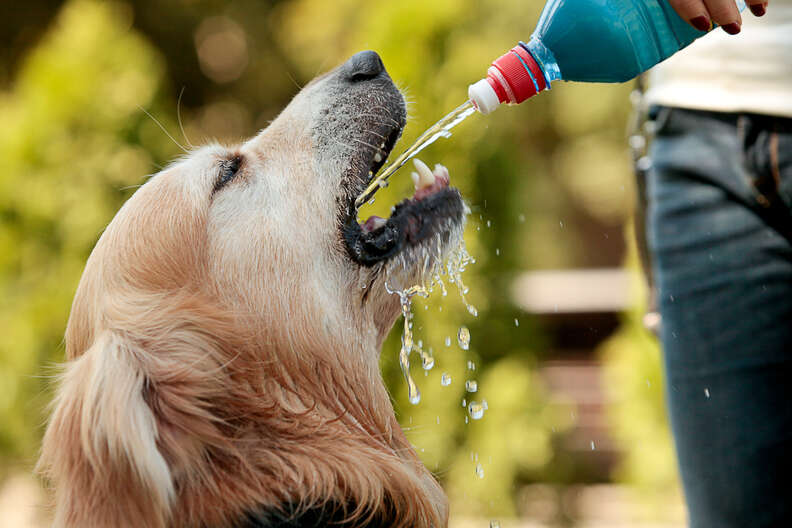
How much water is normal for dogs?
A simple rule of thumb helps. Dogs typically drink about 1 ounce of water per pound of body weight per day. For example, a 40-pound dog drinks roughly 40 ounces, or about 5 cups, daily. Puppies, nursing dogs, very active dogs, and those in hot weather often need more.
Signs your dog might be drinking excessive water:
- Dramatic increase beyond the 1 ounce per pound rule.
- More frequent trips to the bowl or outside to urinate.
- Drinking so much they appear bloated or vomit.
If you track intake for a few days and it stays high, keep a log and call your vet. Clear records help diagnose why your dog is drinking excessive water.
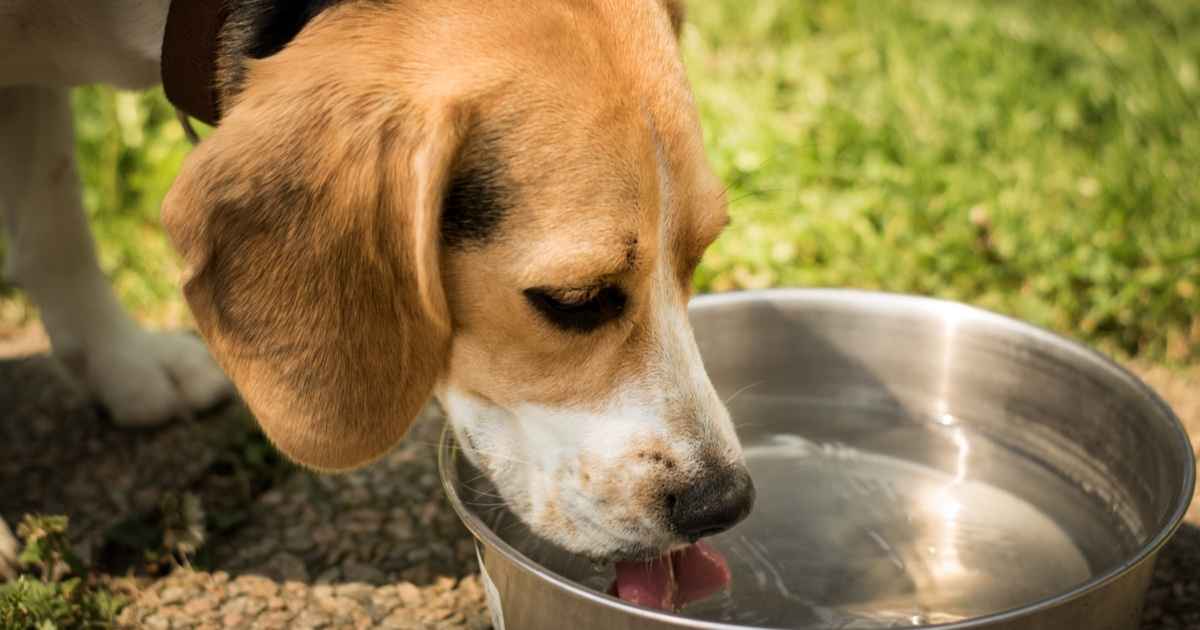
Signs to watch when a dog is drinking excessive water
Watch for other symptoms that point to disease. Thirst alone may not be conclusive. Look for:
- Increased urination or accidents in the house.
- Weight loss, lethargy, or appetite changes.
- Vomiting, diarrhea, or bad breath.
- Cloudy or smelly urine, or blood in urine.
I once had a patient, a middle-aged spaniel, that drank constantly and lost weight. Lab tests showed early diabetes. Catching it early meant we controlled it quickly and improved the dog’s life.

How vets diagnose a dog drinking excessive water
Veterinarians use a stepwise approach. They ask about history, measure water intake, and run tests. Typical steps include:
- Detailed history and physical exam.
- Urinalysis to check concentration, glucose, and signs of infection.
- Blood tests to assess kidney function, glucose, and electrolytes.
- Hormone tests if Cushing’s disease is suspected.
- Imaging when needed to check the urinary tract or organs.
Accurate diagnosis matters. Tests rule out serious causes and guide treatment. In many cases, a simple urine test reveals the problem quickly.
Treatment and medical management
Treatment depends on the cause. Common approaches include:
- Managing diabetes with insulin and diet changes.
- Treating infections with antibiotics.
- Supporting kidneys with diet, fluids, and medications.
- Adjusting medications that trigger thirst.
- Hormone therapy for endocrine disorders like Cushing’s disease.
Follow-up care is vital. Regular blood and urine checks help ensure treatments work. In my experience, owners who follow monitoring schedules see better long-term control.
Home care and lifestyle tips for a dog drinking excessive water
You can help your dog at home while working with your vet. Practical tips:
- Measure water intake each day and record it.
- Provide clean, fresh water but avoid free-for-all filling if drinking is extreme.
- Offer wet food to add moisture if advised by your vet.
- Control salt and treat intake that may raise thirst.
- Keep exercise and environment consistent to avoid spikes in drinking.
Avoid homemade remedies without vet input. Small changes and careful monitoring often make a big difference.

When to see the vet urgently
Seek immediate vet care if your dog shows:
- Severe lethargy, collapse, or vomiting.
- Signs of dehydration despite drinking.
- Blood in urine or inability to urinate.
- Rapid worsening of thirst or urination.
If your dog is drinking excessive water and acting very tired or weak, don’t wait. Quick assessment can prevent complications.

Frequently Asked Questions of dog drinking excessive water
What are the top medical reasons for a dog drinking excessive water?
The most common medical reasons include diabetes, kidney disease, Cushing’s disease, and urinary infections. Each affects fluid balance and increases thirst.
Can medication make my dog drink excessive water?
Yes. Some drugs, like corticosteroids or certain diuretics, cause increased thirst. Check with your vet before stopping any medication.
How long should I monitor water intake before contacting a vet?
Track intake for 48 to 72 hours unless the dog shows other worrying signs. If levels stay much higher than normal, call your vet with your log.
Will switching to wet food reduce excessive water intake?
Wet food adds water to the diet and can help hydration but may not reduce overall thirst if an underlying disease is present. Use it as part of a vet-approved plan.
Can anxiety cause a dog to drink excessive water?
Yes. Some dogs drink more when stressed or bored. Behavioral causes need environmental fixes and sometimes training or medication.
Is frequent urination always linked to drinking excessive water?
Frequent urination often follows high water intake, but some conditions cause urine production even without high drinking. Tests help tell the difference.
Conclusion
Noticing your dog drinking excessive water is important. It can be a harmless response to heat or a sign of serious illness. Track intake, watch for other symptoms, and work with your vet to find the cause. Early action often leads to simple fixes and better outcomes.
Take one step today: start a water log for three days and schedule a vet check if numbers stay high. Share your experience, ask questions, or subscribe for updates to stay informed and protect your dog’s health.
