
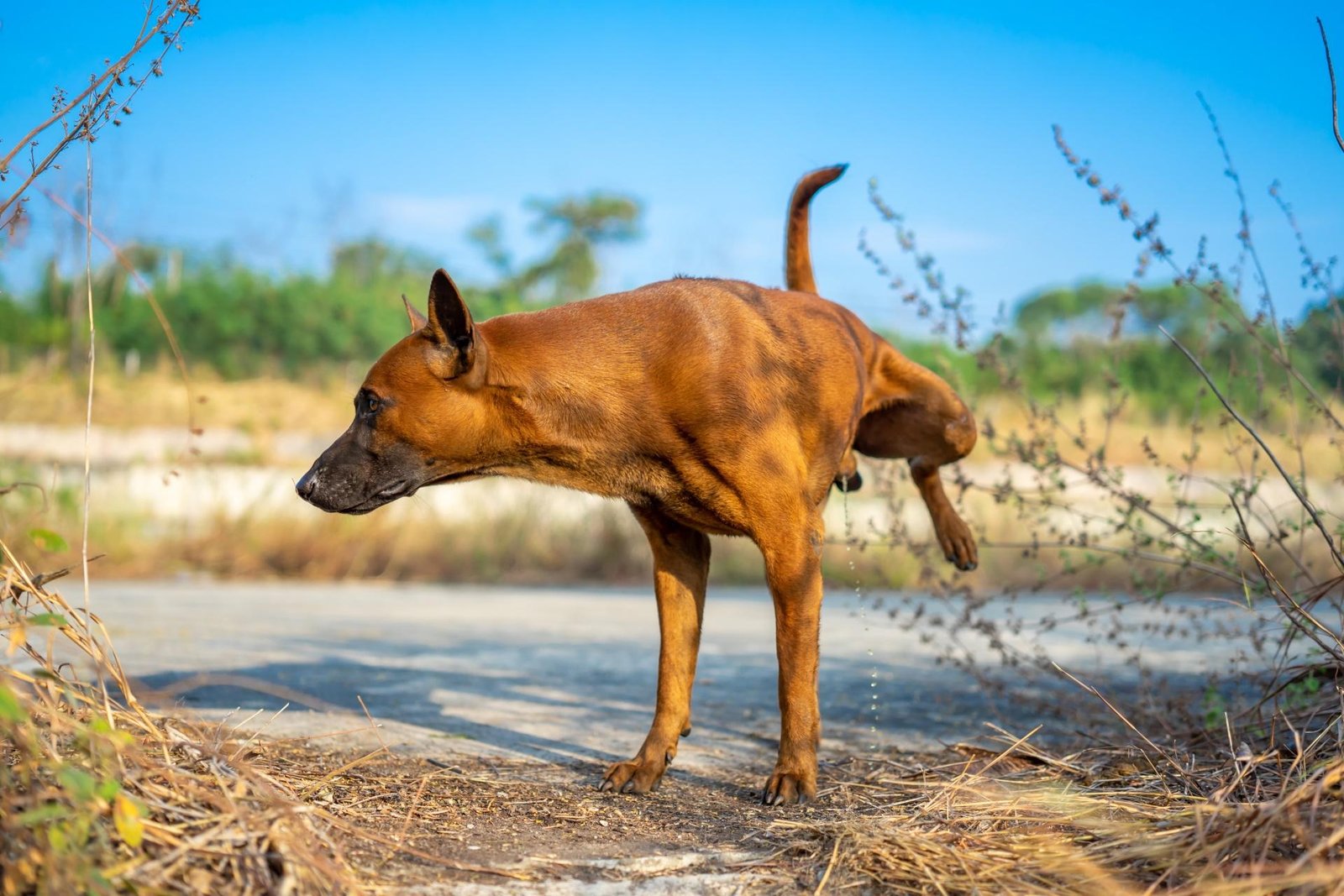
Frequent urination in dogs often indicates infection, bladder disease, or diabetes needing prompt care.
I have worked with dogs and veterinary teams for years, and I’ve seen how worrying it is when a dog is urinating frequently. This guide explains why a dog urinating frequently happens, how vets diagnose it, and what you can do at home. I mix research-backed facts with hands-on tips and real stories to help you act fast and wisely.
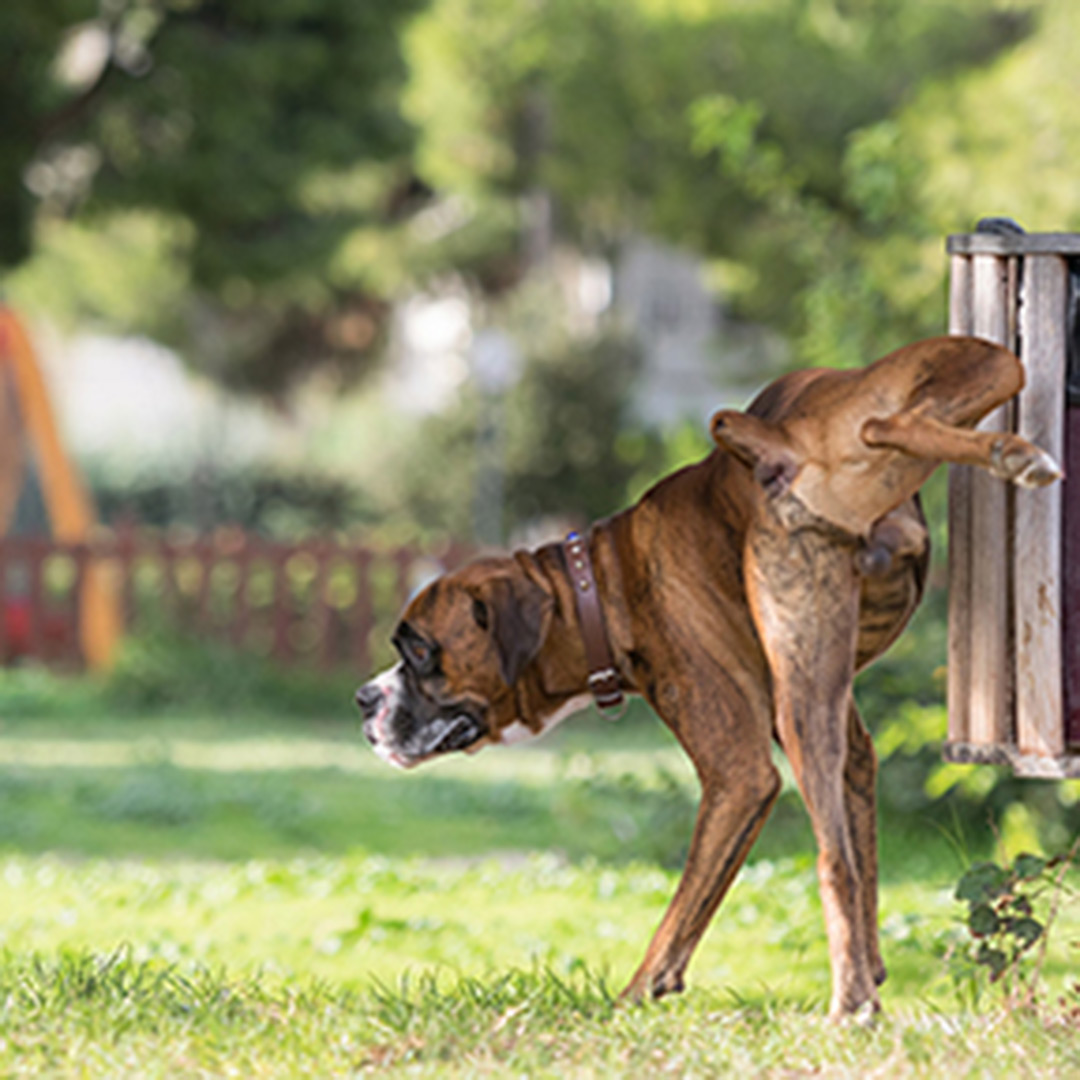
Why a dog is urinating frequently
Dogs can urinate more often for many reasons. Some are medical and need a vet. Others are behavioral or environmental. Knowing common causes helps you spot danger early and get the right care for your dog urinating frequently.
Common causes include:
- Infection. Bacteria in the bladder cause pain and urgency.
- Urinary stones. Stones irritate the bladder lining and block flow.
- Diabetes. High blood sugar makes dogs drink and urinate more.
- Kidney disease. Kidneys that don’t work well change urine volume.
- Hormonal issues. Conditions like Cushing’s disease affect urine habits.
- Behavior. Anxiety or marking can increase frequency without illness.
- Medication. Some drugs raise urine production as a side effect.
Common medical causes and how they affect dogs
Urinary tract infection (UTI)
UTIs cause burning, frequent trips outside, and accidents indoors. Female dogs get UTIs more often than males. A vet can confirm a UTI with a urine test and treat it with antibiotics.
Bladder stones and crystals
Stones irritate the bladder and can block urine flow. Crystals may form from diet or infection. Imaging and urine analysis reveal these problems. Surgery or diet change often helps.
Diabetes mellitus
Diabetes makes dogs drink a lot. More water means more urination. Left untreated, diabetes leads to weight loss and appetite changes. Blood tests and urine glucose help diagnose.
Kidney disease
Early kidney disease may cause more urination and thirst. As kidneys fail, waste builds up and appetite can drop. Bloodwork and urine tests show kidney function.
Hormonal disorders
Conditions like Cushing’s disease or low thyroid can change urination patterns. These require specific blood tests and tailored treatment.

Behavioral and environmental causes
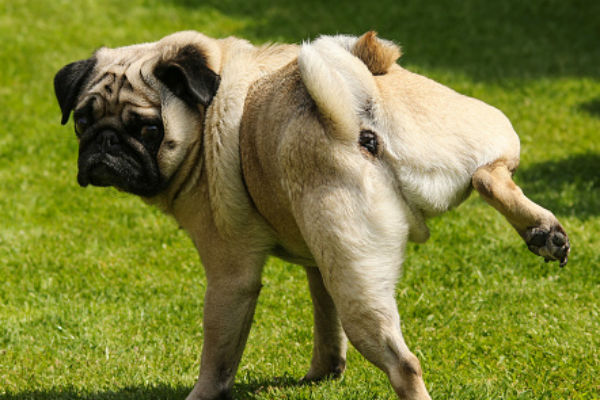
Not all frequent urination is medical. Behavior matters. Dogs may urinate often because of stress, marking, or change in routine.
Common triggers:
- Anxiety or stress from new people or loud noises.
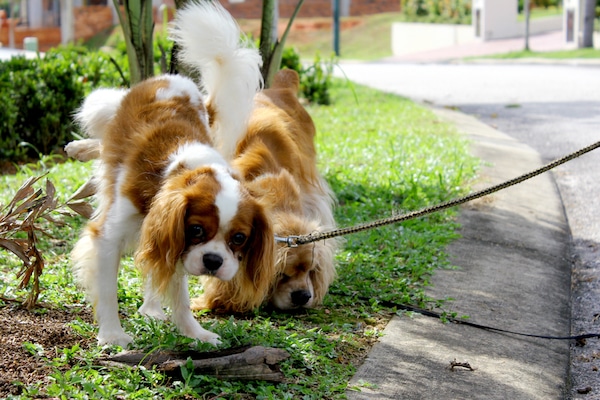
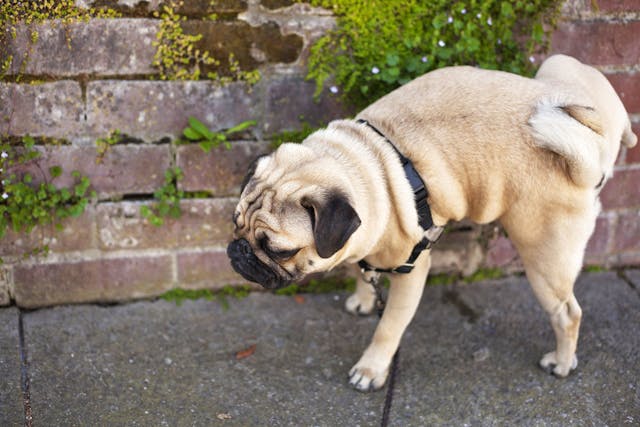
- Marking due to other pets or new smells.
- Increased access to water toys or free water.
- House training lapses in new or senior dogs.
If you suspect behavior, track when and where your dog urinates. A clear log helps rule out medical causes and guides behavior changes.
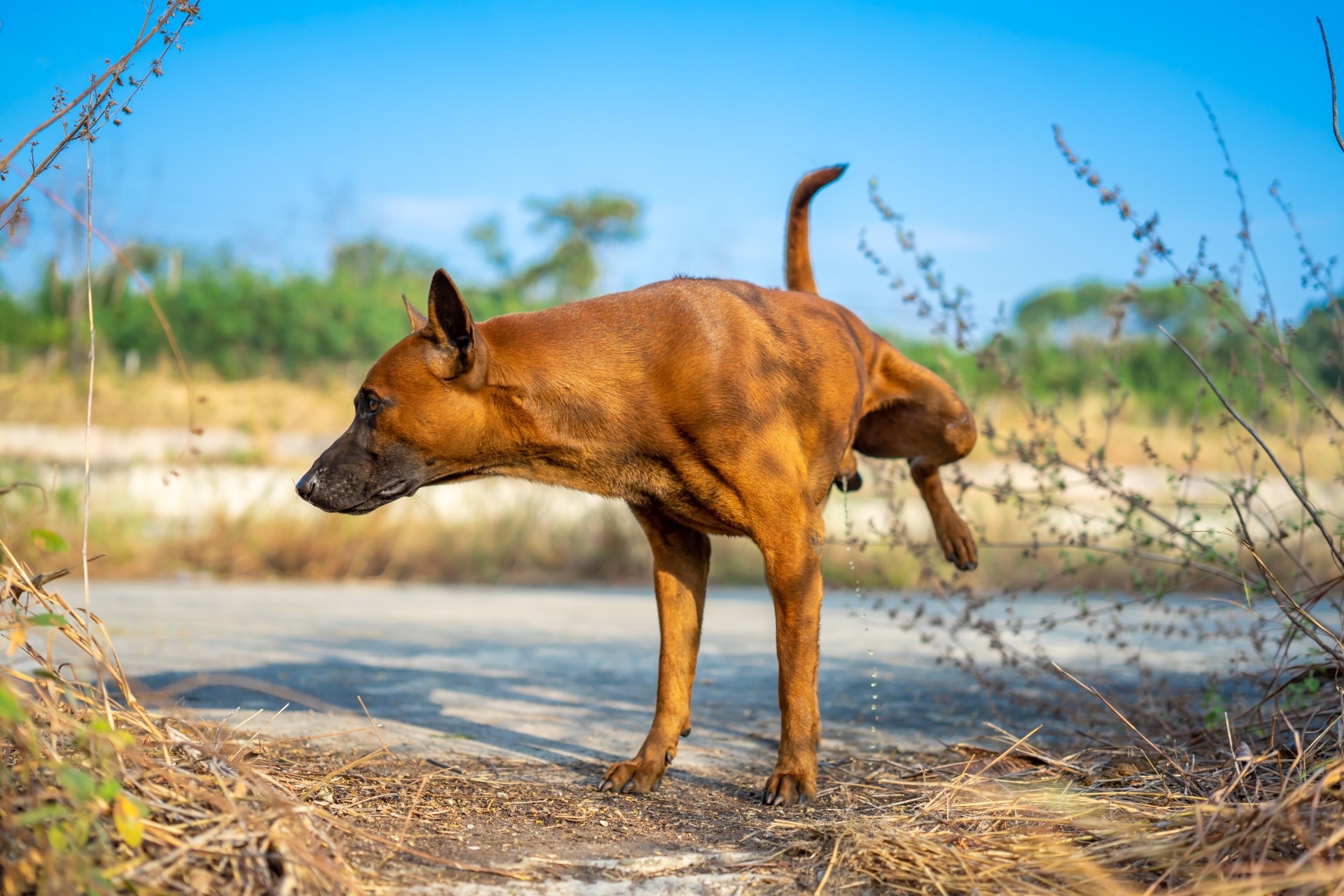
When to see the vet
See a vet right away if your dog is:
- Straining to urinate or producing small amounts.
- Urinating blood or in pain.
- Suddenly drinking much more than normal.
- Having accidents after being house trained.
- Losing weight, vomiting, or acting very tired.
If the dog is older or has other health issues, get fast vet care. Quick action can prevent complications like dehydration or kidney damage.
How vets diagnose the problem
Vets use simple tests that give quick answers. Expect:
- Urinalysis to check infection, blood, crystals, and sugar.
- Urine culture to find bacteria and the best antibiotic.
- Blood tests to assess kidneys, liver, and hormones.
- Imaging like X-rays or ultrasound to spot stones or tumors.
Bring notes on your dog’s drinking and urination habits. Photos or videos of the behavior help, too. I once used a short video from a client to catch a subtle straining pattern the owner missed.
Treatment options and what to expect
Treatment depends on the cause. Typical paths include:
- Antibiotics for infections, usually for 7 to 14 days.
- Diet change for crystals or stones to dissolve them.
- Surgery to remove obstructing stones.
- Insulin therapy for diabetes with close monitoring.
- Medication for hormonal disorders under vet guidance.
- Behavior work and training for marking or anxiety.
Follow-up tests are key. A post-treatment urine test confirms success. In my work, I always schedule a recheck. It prevents relapse and finds hidden issues.

Home care and prevention tips
You can help your dog at home with simple steps. These reduce risks and speed recovery when your dog is urinating frequently.
Practical tips:
- Offer fresh water but avoid overfilling the bowl all day.
- Keep a regular bathroom schedule with short walks.
- Clean outdoor areas so the dog does not re-mark spots.
- Feed a balanced diet suited to urinary health when advised by your vet.
- Avoid home antibiotic use without a vet prescription.
- Monitor and record water intake and bathroom frequency.
If your dog is on meds, give them at the same time daily. I learned this the hard way when a forgetful morning caused blood sugar swings for a diabetic dog.
Special cases: puppies, senior dogs, and blocked males
Puppies
Puppies have small bladders. They urinate more due to size and training. Frequent urination in puppies can also be infection, so watch for discomfort or accidents.
Senior dogs
Older dogs may have weak bladders or kidney decline. They may need padded sleeping areas and more frequent outside breaks.
Male dogs and urethral blockage
Male dogs can get urinary blockage from stones. This is an emergency. Signs include repeated straining and no urine output. Seek immediate veterinary care.
Real-life examples and lessons learned
I once worked with a small terrier that was urinating frequently at night. The owner thought it was a behavior issue. A urine test found a UTI and low-level crystals. After a short antibiotic and diet change, the dog slept through the night again.
Lessons from cases I’ve seen:
- Track habits. Notes speed diagnosis.
- Don’t assume age explains everything. Even young dogs get UTIs.
- Follow recheck plans. Many problems recur without confirmation tests.
These small steps saved stress and vet costs for many owners I’ve helped.
Frequently Asked Questions about dog urinating frequently
Why is my dog urinating frequently but not drinking more?
A urinary infection or bladder irritation can cause frequent urges without increased thirst. A vet can check urine for infection or crystals.
Can stress cause a dog to urinate frequently indoors?
Yes. Anxiety and marking can increase urination. If medical tests are clear, a behavior plan and calm routines often help.
How long does it take for a UTI to clear in a dog?
Most UTIs improve within a few days on the right antibiotic, but full treatment usually lasts 7 to 14 days. Complete the vet’s course and do a recheck.
Is frequent urination a sign of diabetes in dogs?
Frequent urination and increased thirst are common signs of diabetes. Blood and urine tests confirm the diagnosis and guide treatment.
What should I do if my male dog cannot urinate?
This is an emergency. A male dog that strains and cannot pass urine needs immediate veterinary care to prevent life-threatening complications.
Can diet change prevent bladder stones?
Yes. Certain diets dissolve some types of stones and reduce crystal formation. Work with your vet to choose the correct diet for your dog.
Conclusion
Frequent urination in dogs can signal simple infections or serious disease. Learn the warning signs, track your dog’s habits, and seek timely veterinary care when needed. Use prevention tools like regular schedules, proper diet, and prompt treatment to protect your dog’s urinary health. Take action today: note any changes, call your vet if unsure, and share your experience below to help others.
