

Most dog seizures are caused by epilepsy, toxins, metabolic problems, infection, or brain lesions.
I’ve worked with dogs and vets for years and helped owners find answers. This article explains dog seizures possible causes, how vets diagnose them, real-life tips, and steps you can take today to protect your dog. Read on for clear, practical guidance from experience and research.
What is a seizure and how it looks
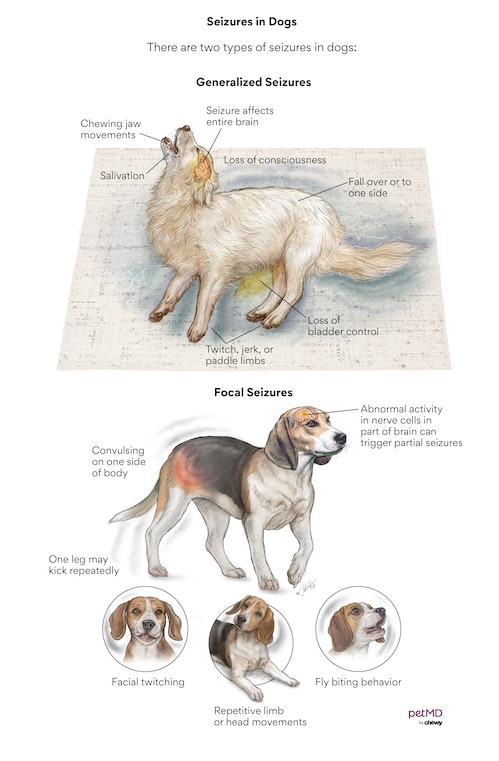
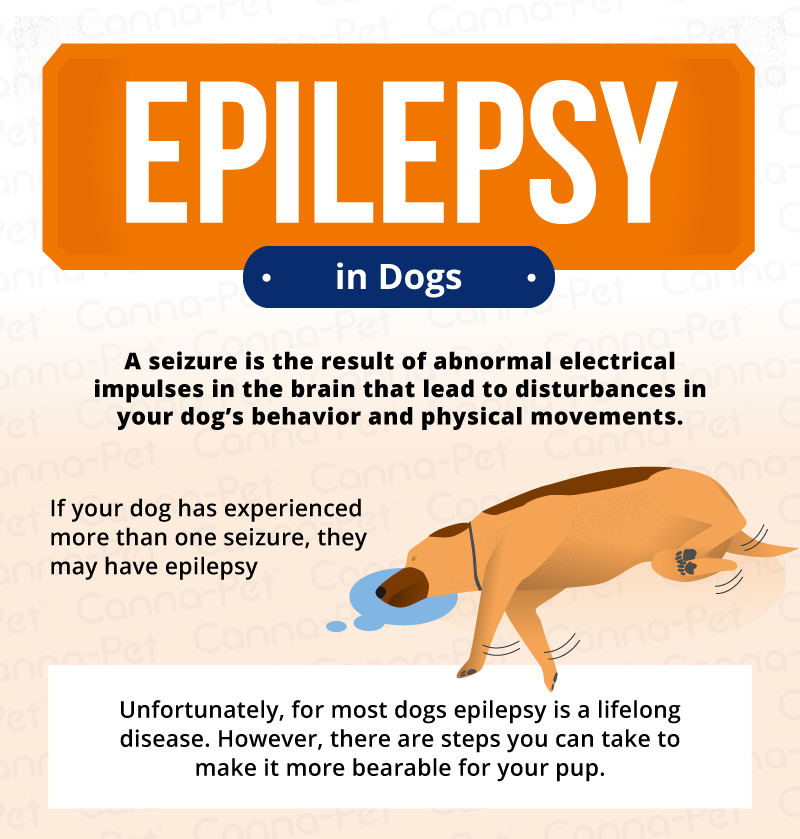
A seizure is a sudden burst of uncontrolled brain activity. Dogs may collapse, twitch, paddle, drool, or stare. Some seizures are brief and subtle. Others are long and dangerous.
Seizures can be generalized or focal. Generalized seizures affect the whole brain. Focal seizures start in one area and may look like odd behavior or limb twitching. Knowing types helps narrow down dog seizures possible causes.
Common medical causes of dog seizures
Many medical problems lead to seizures. Here are the main categories to know.
- Idiopathic epilepsy: A common, inherited cause with no clear structural brain problem. This is one of the top dog seizures possible causes in young adult dogs.
- Brain tumors or lesions: Masses press on brain tissue and trigger seizures. Older dogs are more likely to have tumors.
- Metabolic disorders: Low blood sugar, low calcium, or liver failure can make the brain unstable. These are reversible causes of dog seizures possible causes when treated early.
- Infections and inflammation: Encephalitis, meningitis, and certain infections inflame the brain and cause seizures.
- Toxin exposure: Certain poisons and human medications cause sudden seizures. Toxins are a key preventable group of dog seizures possible causes.
:strip_icc()/If-your-dog-has-a-seizure-1117423_final-a65066098f2742daa2427e19fc454e2a.jpg)
Toxins and external triggers to watch for
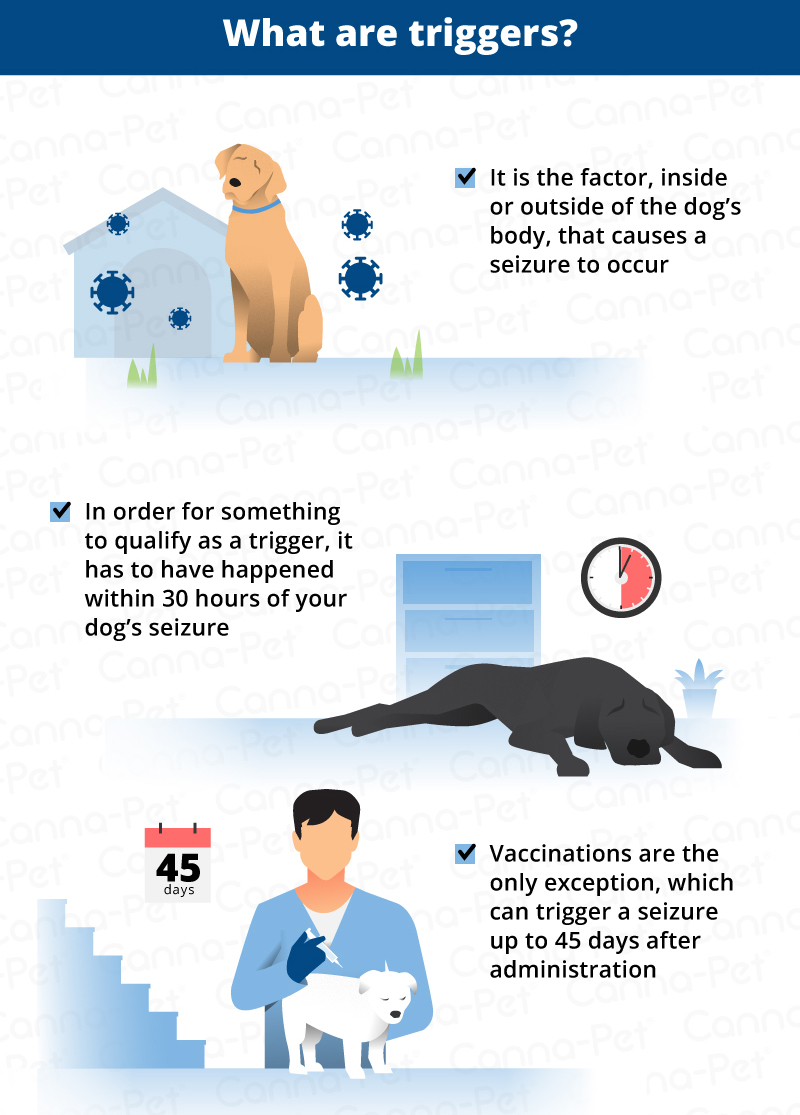
Toxins act fast and can be deadly. Common items that can trigger seizures include:
- Human medications such as antidepressants, pain meds, and ADHD drugs.
- Foods like xylitol-sweetened items and large amounts of chocolate.
- Household chemicals and pesticides.
- Heavy metals such as lead.
- Illicit drugs or accidental exposure to rodent poisons.
If you suspect poisoning, act fast. Toxins are a frequent and urgent set of dog seizures possible causes that need quick vet care.
Infectious and inflammatory causes
Infection and immune problems can inflame the brain. Causes include:
- Viral infections that reach the nervous system.
- Bacterial infections spreading to the brain or spinal fluid.
- Autoimmune encephalitis where the immune system attacks brain tissue.
These causes often come with fever, neck pain, or behavior change. They are important dog seizures possible causes that require testing and often long-term care.

Genetic and breed predisposition
Some breeds carry genes for epilepsy. Common breeds with higher risk include:
- Beagles
- Border Collies
- German Shepherds
- Labrador Retrievers
- Australian Shepherds
Genetic forms often start in young adult dogs. Knowing breed risk helps vets consider dog seizures possible causes early and start monitoring.

How veterinarians diagnose the cause
Finding the cause requires a clear plan. Typical steps include:
- Detailed history and video of the episode.
- Blood tests to check organ function, glucose, and electrolytes.
- Urine tests and toxin screens when needed.
- Advanced imaging such as MRI to look for tumors or lesions.
- Cerebrospinal fluid analysis to check for infection or inflammation.
- EEG in select cases to study brain activity.
Diagnosis narrows the list of dog seizures possible causes. Good records and videos from owners make a big difference.

Treatment options and emergency care
Treatment depends on the cause and severity. Main approaches include:
- Emergency care: Control prolonged seizures with fast-acting drugs at the clinic.
- Chronic medications: Phenobarbital, potassium bromide, levetiracetam, and other drugs reduce seizure frequency.
- Treat underlying causes: Remove toxins, treat infections, stabilize metabolic issues, or remove tumors when possible.
- Dietary and lifestyle changes: Some dogs benefit from therapeutic diets or supplements under vet guidance.
A tailored plan reduces seizures and improves quality of life. Managing dog seizures possible causes often means combining therapies.

Living safely with a dog who has seizures
A calm routine helps dogs and owners cope. Practical tips:
- Create a safe space free of stairs and sharp edges.
- Keep a seizure log with date, length, and behavior.
- Learn how to time seizures and when to seek emergency care.
- Talk to your vet about rescue meds for long or clustered seizures.
- Avoid known triggers like flashing lights or certain toxins.
Preparation reduces stress and keeps dogs safer when seizures occur. Tracking patterns helps identify specific dog seizures possible causes.
Preventive steps and monitoring
You cannot prevent every seizure, but you can reduce risk. Steps to take:
- Keep vaccinations and parasite control up to date.
- Store medications and chemicals out of reach.
- Feed a balanced diet and avoid human foods with xylitol or chocolate.
- Have regular vet check-ups, especially for senior dogs.
- Maintain a seizure diary and share it with your vet.
Prevention and monitoring help catch treatable dog seizures possible causes early.
My experience: cases, lessons, and tips
I once helped a family whose young lab had sudden seizures. Initial tests were normal. A careful history found daily access to a scented detergent with unknown chemicals. Removing the detergent stopped the seizures. We learned two big lessons.
- Never skip a full history. Small details often reveal toxic exposures.
- Video recordings of seizures are invaluable for diagnosis.
I’ve also seen cases of missed hypoglycemia in toy breeds. Quick glucose checks in the clinic can change outcomes. These real cases show how varied dog seizures possible causes can be and how small actions matter.
When to get immediate help
Seek emergency care if your dog:
- Has a seizure lasting more than five minutes.
- Has multiple seizures close together.
- Does not wake up normally after a seizure.
- Shows severe breathing trouble or collapse.
These signs may mean a life-threatening event or a toxic exposure among dog seizures possible causes.
Long-term outlook and quality of life
Many dogs with seizures live well with proper care. Key factors that affect outcome:
- The underlying cause: treatable causes often have better outcomes.
- Response to medication and side effects.
- Owner commitment to monitoring and follow-up.
With consistent care, many dogs remain active and happy despite seizures. Understanding dog seizures possible causes guides treatment and hope.
Frequently Asked Questions of dog seizures possible causes
What are the most common causes of seizures in dogs?
Most seizures come from idiopathic epilepsy, toxins, metabolic imbalances, or brain lesions. Age and history help narrow the cause.
Can a toxin cause a single seizure?
Yes. A single seizure can follow toxin exposure. Quick veterinary treatment can prevent more harm.
Are seizures always a sign of epilepsy?
No. Seizures can be caused by many issues besides epilepsy, such as low blood sugar or infection. A vet must evaluate to be sure.
How do vets test for the cause of seizures?
Vets use bloodwork, imaging, CSF analysis, and sometimes EEG. A detailed history and videos are also very helpful.
Can diet changes reduce seizures?
In some dogs, special diets or supplements help reduce seizures. Diet should be used under veterinary guidance.
Is surgery ever needed for seizures?
Surgery is an option when a brain tumor or specific lesion causes seizures. Not all dogs are candidates, and outcomes vary.
What should I do during a seizure?
Stay calm, time the seizure, keep your dog safe from injury, and do not stick fingers in the mouth. Call your vet if the seizure is long or repeated.
Will my dog’s seizures get worse over time?
Some conditions progress and lead to more seizures. Others remain stable with treatment. Regular vet care helps track changes.
Can puppies have seizures?
Yes. Puppies can have seizures from toxins, congenital issues, or infections. Early vet care is essential.
Are seizures hereditary?
Some seizure types are hereditary, especially idiopathic epilepsy. Breeders and owners should discuss risks with vets.
Conclusion
Dog seizures possible causes cover a wide range from toxins and metabolic problems to epilepsy and brain disease. Early testing, careful history, and clear action plans make a huge difference. Use emergency steps when needed, keep a seizure log, and work closely with your vet to find and manage the cause. Start today by making your home safe, recording any episodes, and scheduling a vet visit if you suspect a problem. Share your story below or subscribe for more guides on keeping your dog healthy and safe.
