
Most dog eye discharge is caused by allergies, infections, injury, or blocked tear ducts.
I’ve treated and researched many cases of dog eye discharge causes over years in clinics and at home. This guide explains why your dog’s eyes water or crust, how vets diagnose the problem, practical home care, and when to seek urgent help. Read on to learn clear, trusted advice you can use today.
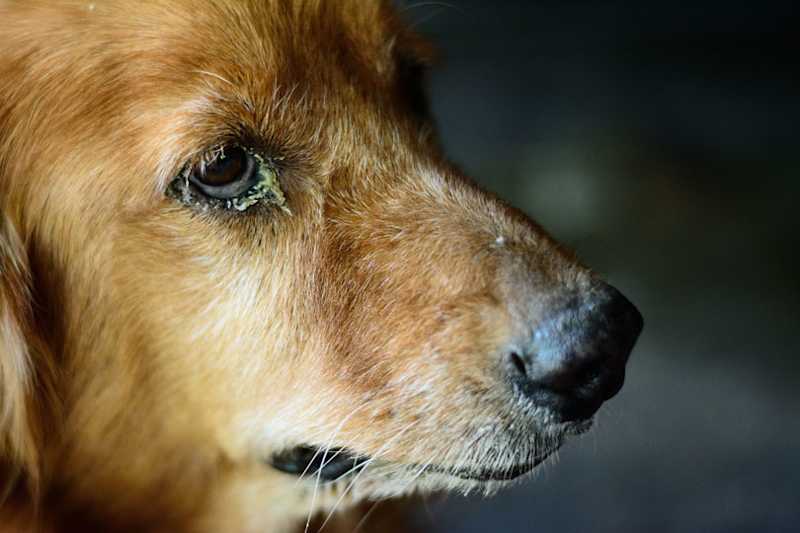
Common causes of dog eye discharge causes
Dogs get eye discharge for many simple and common reasons. Here are the main causes you will see most often:
- Allergies
- Allergens like pollen, dust, or smoke cause watery eyes and clear discharge. This is often seasonal or tied to the environment.
- Conjunctivitis (pink eye)
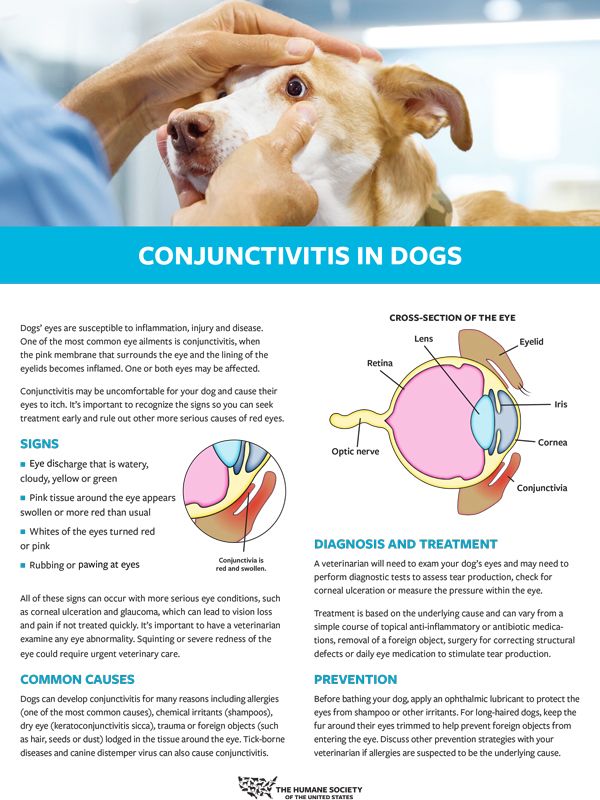
- Inflammation of the eye lining leads to redness, tearing, and sometimes yellow or green pus-like discharge.
- Tear duct blockage or overflow (epiphora)
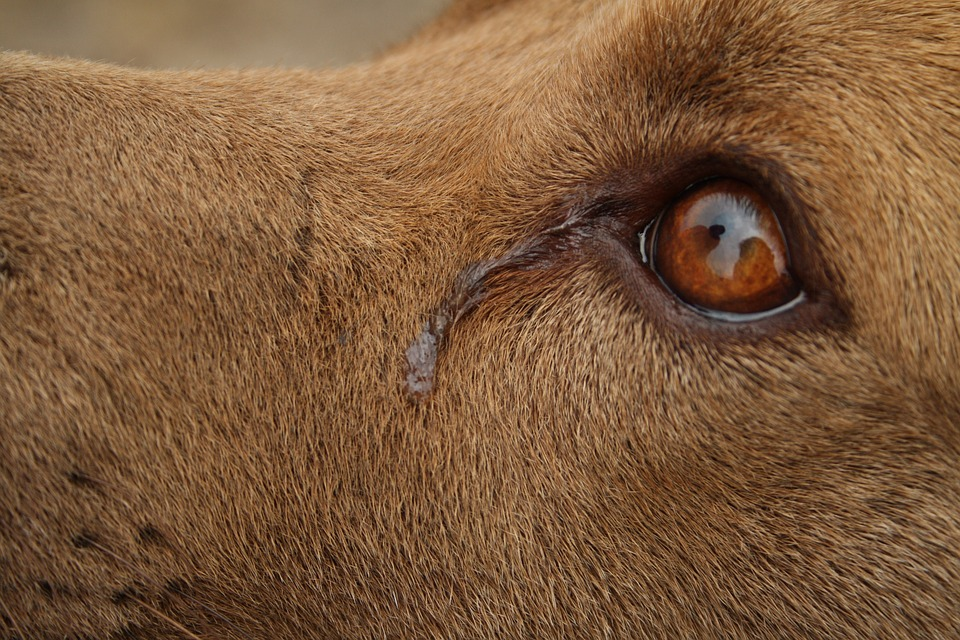
- Blocked tear drainage makes tears spill onto the face and stain fur. It often causes brown or rust-colored staining.
- Foreign bodies and irritation
- Grass seeds, dust, or hair can scratch and irritate the eye, causing tears and sticky discharge.
- Breed-related tear issues
- Flat-faced breeds and breeds with shallow eye sockets often have chronic tearing or rubbing that leads to discharge.
I often see owners confuse normal morning crusting with an infection. If discharge is persistent, colored, or your dog squints, explore the specific causes above with your vet.

Less common and serious causes of dog eye discharge causes
Some causes are less common but require prompt care. Recognizing these early can save vision.
- Corneal ulcers and scratches
- These cause painful, heavy tearing and sometimes thick or bloody discharge. They need immediate vet care.
- Glaucoma
- Increased eye pressure causes watering, redness, and sudden vision loss. This is an emergency.
- Eyelid abnormalities (entropion, ectropion)
- Misaligned lids rub the eye and cause chronic discharge and irritation.
- Systemic infections and immune diseases
- Some viruses, bacteria, or immune disorders cause eye discharge as part of a broader illness.
- Tumors or growths
- Masses around the eye space can change drainage or cause persistent discharge.
When you suspect a serious problem, act fast. Early treatment for corneal ulcers, glaucoma, or severe infections improves outcomes.
Symptoms that indicate how serious dog eye discharge causes are
Look at these signs to judge severity and next steps.
- Color and consistency
- Clear watery discharge usually points to irritation or allergies. Thick yellow, green, or bloody discharge suggests infection or injury.
- One eye versus both eyes
- Unilateral (one-eye) issues often mean trauma or foreign body. Bilateral (both eyes) often indicate allergies or systemic causes.
- Pain and behavior changes
- Squinting, pawing at the eye, or hiding indicates pain and needs urgent attention.
- Smell and swelling
- Foul odor, eyelid swelling, or pus indicate a more severe infection.
I once treated a dog that had clear tears for weeks; later it became thick and yellow. That change signaled infection and required antibiotics and closer follow-up.
How vets diagnose dog eye discharge causes
Veterinarians use simple tests to find the cause quickly.
- Physical exam and history
- The vet asks when it started, whether it’s one or both eyes, and any other symptoms.
- Fluorescein stain
- This dye highlights corneal ulcers or scratches under blue light.
- Schirmer tear test
- Measures tear production to detect dry eye conditions.
- Cytology and culture
- Samples of discharge show bacteria, yeast, or inflammatory cells and guide treatment.
- Tonometry and imaging
- Eye pressure checks can detect glaucoma; imaging helps with deeper issues.
These tests help match treatment to cause. I recommend writing down when the discharge started and any environment changes before the appointment.
Treatment and home care for dog eye discharge causes
Treatment depends on the diagnosis, but common approaches help many dogs.
- Cleaning and comfort at home
- Gently wipe discharge with a soft, damp cloth from the inner corner outward. Use saline if needed.
- Topical medications
- Antibiotic drops, antiviral drops, or anti-inflammatory eye drops may be prescribed depending on cause.
- Oral medications
- Oral antibiotics or anti-inflammatories are used for deeper or systemic infections.
- Surgery or specialist care
- Severe cases like blocked ducts, eyelid malformations, or glaucoma may need surgery.
From my experience, consistent follow-up and proper dosing make the biggest difference. I once helped a dog with chronic tear staining by combining a tear duct flush with a short course of topical therapy and grooming. The results lasted when owners kept up care.

Prevention and long-term care for dog eye discharge causes
Reduce recurrence with these practical steps.
- Regular grooming and eye checks
- Trim hair around the eyes and check daily for new discharge or redness.
- Manage allergies and environment
- Wipe paws and face after walks, avoid smoky areas, and wash bedding regularly.
- Nutrition and supplements
- Good diet and omega fatty acids support eye and skin health.
- Routine vet exams
- Early detection of breed-related issues or tear duct problems prevents chronic damage.
Be proactive. Breeds prone to eye problems benefit from scheduled checks so small issues don’t become big ones.
Frequently Asked Questions of dog eye discharge causes
What should clear eye discharge in dogs mean?
Clear watery discharge is often from irritation or allergies. Monitor for other signs; if it continues or worsens, see a vet.
When is dog eye discharge an emergency?
If your dog shows sudden vision loss, intense pain, or the eye looks cloudy or swollen, seek emergency veterinary care right away.
Can I use human eye drops on my dog?
Do not use human eye drops unless advised by a vet; some contain preservatives or ingredients harmful to dogs and may worsen the condition.
How do I clean my dog’s eyes safely?
Use a soft cloth and warmed saline solution, wiping from the inner corner outward gently. Avoid pressure and watch for signs of pain.
Will tear staining always go away?
Tear staining can improve with treatment of the underlying cause, grooming, and sometimes dietary adjustments, but some breeds remain prone to staining long-term.
Can allergies cause chronic dog eye discharge causes?
Yes, environmental and food allergies can cause chronic watery eyes and mild discharge. Allergy management often reduces symptoms in affected dogs.
Conclusion
Understanding dog eye discharge causes helps you act quickly and wisely. Watch the color, amount, and behavior tied to the discharge, and seek vet care when signs point to infection, pain, or sudden change. Start with gentle cleaning, record symptoms, and follow your vet’s tests and treatment plan. Take action today by checking your dog’s eyes daily, noting any changes, and scheduling a vet visit if discharge is persistent or colored. Leave a comment with your experience, or subscribe for more pet care guides.
