
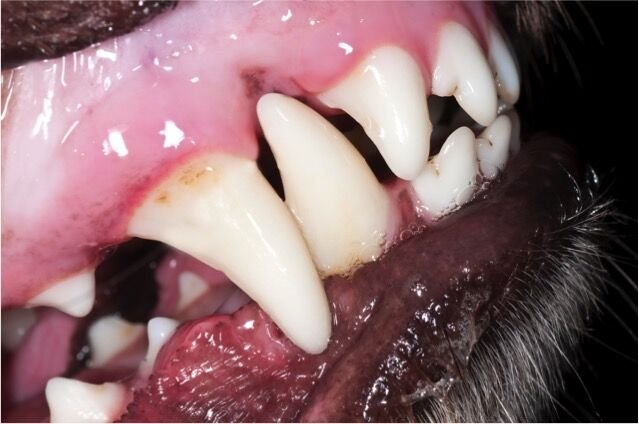
Dog red swollen gums signal gum disease, infection, or injury and need prompt attention.
I have years of hands-on experience caring for dogs and guiding owners through dental problems. This article explains why dog red swollen gums happen, how to tell mild from serious cases, what vets check, and clear steps you can take at home or with your vet. Read on for practical tips, real-life examples, and a simple action plan to help your dog feel better fast.
Causes of dog red swollen gums
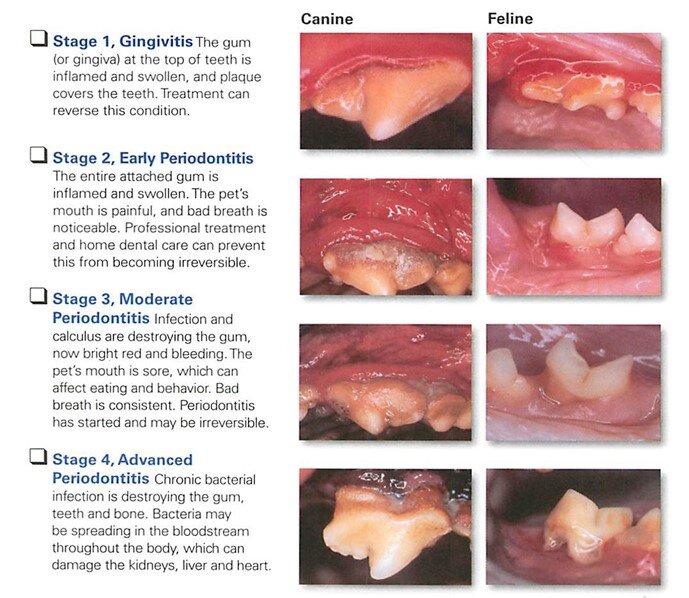
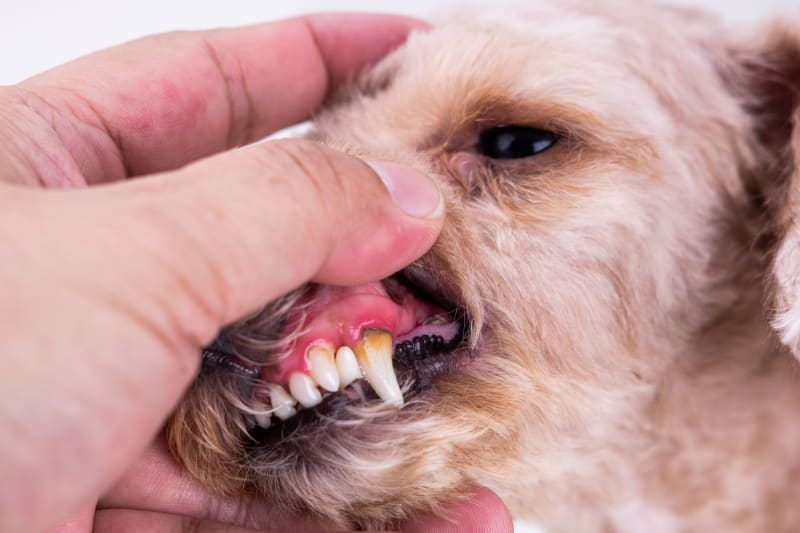
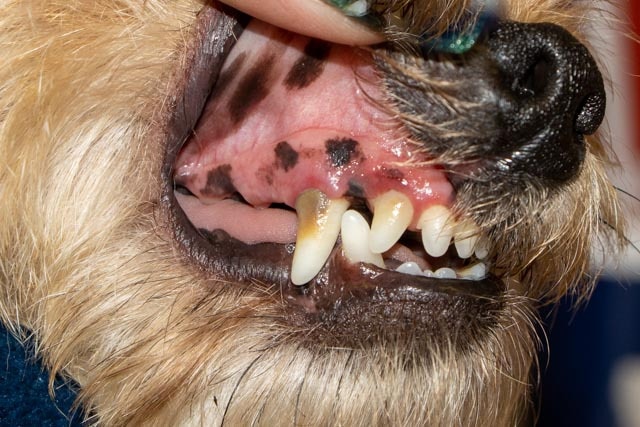
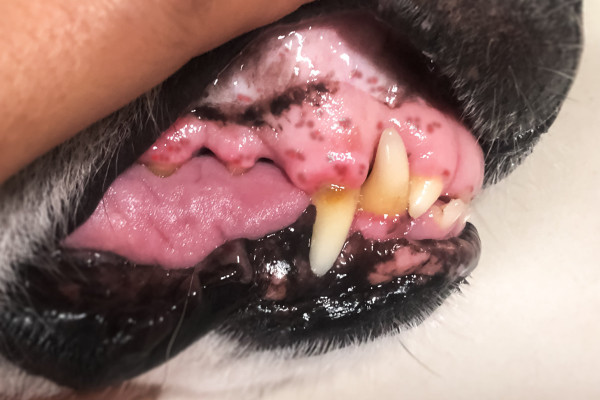
Dog red swollen gums can come from many sources. Common causes include dental disease, trauma, infections, and immune issues. Poor dental care lets plaque build up. That can cause gingivitis and swollen gums. Broken teeth or foreign objects can also hurt the gum tissue and cause swelling.
Other causes are systemic. Kidney disease, certain cancers, and some medications can lead to inflamed gums. Young dogs can get viral or bacterial infections that affect the mouth. Allergic reactions sometimes cause sudden swelling.
- Plaque and tartar buildup causing gingivitis.
- Tooth fractures or foreign bodies lodged in gums.
- Bacterial or viral infections affecting the mouth.
- Immune-mediated disease or blood disorders.
- Systemic illness like kidney disease or cancer.
Symptoms and signs to watch for
Recognizing symptoms early helps prevent worse problems. Look for these signs when you check your dog’s mouth.
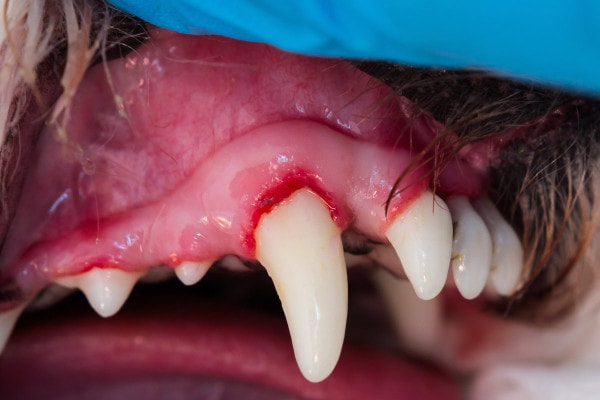
- Red, swollen gums that bleed easily when touched.
- Bad breath that does not improve with brushing.
- Drooling more than usual or dropping food.
- Avoiding chew toys or pawing at the face.
- Loose, broken, or discolored teeth.
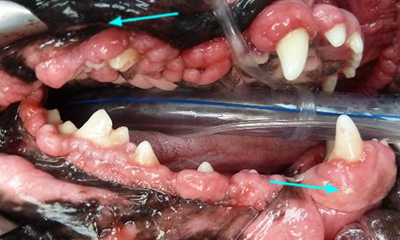
If the swelling is only on one side, it may indicate a local tooth problem or abscess. If swelling is throughout the mouth, think systemic issues or advanced periodontal disease. Note any changes in appetite, behavior, or energy. These help your vet decide how urgent the problem is.
How vets diagnose dog red swollen gums
A vet will first ask about history and symptoms. Expect a full oral exam under sedation if needed. This lets the vet see under the gum line and check each tooth.
Common diagnostic steps:
- Physical oral exam, possibly under sedation.
- Dental X-rays to view tooth roots and bone.
- Blood tests to rule out systemic disease.
- Cultures or biopsies if tumors or unusual infections are suspected.
Dentistry and radiology often reveal hidden problems. Imaging can show abscesses, root fractures, or bone loss that you can't see on the surface. Bloodwork can flag diabetes or kidney issues that worsen gum disease.
Treatment options for dog red swollen gums
Treatment depends on the cause and severity. Basic care for mild gingivitis includes professional cleaning and improved home dental care.
Typical treatments:
- Professional dental cleaning and scaling under anesthesia.
- Tooth extraction for irreparably damaged teeth.
- Antibiotics for bacterial infections or severe abscesses.
- Pain relief and anti-inflammatory medication for comfort.
- Specialized care for immune or systemic diseases.
If a vet prescribes antibiotics, finish the full course. Follow-up dental cleanings may be needed. Addressing the root cause reduces recurrence. For example, extracting a broken tooth often stops chronic swelling on that side.
Home care and first-aid tips
You can do a lot at home to support recovery. But never delay a vet visit when swelling is severe or your dog won’t eat or drink.
First-aid steps:
- Rinse the mouth gently with saline (1 teaspoon salt in 1 cup warm water).
- Offer soft food if chewing is painful.
- Avoid trying to remove deep foreign objects yourself.
- Cold compress outside the mouth can help reduce swelling briefly.
- Keep your dog calm and prevent pawing at the face.
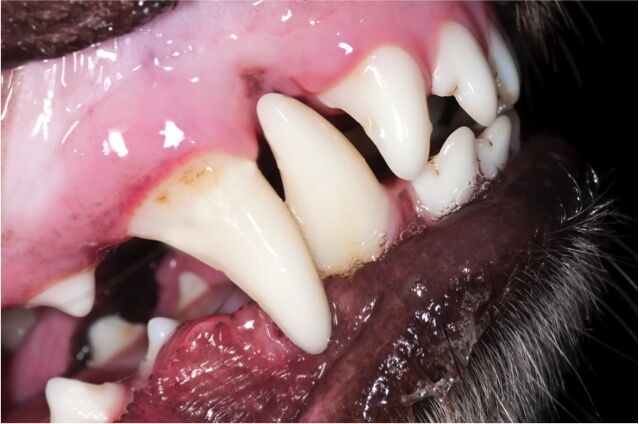
Daily prevention helps too. Start brushing with dog-safe toothpaste. Use dental chews and water additives that reduce plaque. These steps lower the chance of future dog red swollen gums.
Prevention and ongoing dental care
Preventing dog red swollen gums is easier than treating them. Simple, regular steps protect your dog’s mouth and general health.
Prevention checklist:
- Brush your dog’s teeth daily using canine toothpaste.
- Schedule annual or biannual dental checks.
- Provide dental chews and toys that reduce tartar.
- Feed a balanced diet that supports oral health.
- Monitor the mouth weekly for early signs of redness or swelling.
Start dental care early. I once helped a senior dog avoid extraction by catching gingivitis early, after the owner began weekly checks and daily brushing. Small habits make a big difference.
When dog red swollen gums are an emergency
Some signs mean seek immediate vet care. Don’t wait if you see these.
Emergency signs:
- Severe swelling that makes breathing hard.
- Significant bleeding from the mouth.
- Inability to eat, drink, or breathe.
- Sudden, severe pain or collapse.
If your dog has trouble breathing or is unresponsive, head to an emergency clinic right away. For severe swelling not improving in 24 hours, call your vet. Quick action can prevent serious complications.
Personal experience and practical tips
I’ve treated many dogs with dog red swollen gums. One case involved a playful Labrador with a lodged stick fragment. The owner tried to pull it out. That made the swelling worse and spread infection. We had to sedate the dog, remove the fragment, and treat the abscess with antibiotics. Lesson learned: don’t try deep removal at home.
Another tip: use a calm routine. I found that short, daily tooth sessions and a soft reward worked better than long, stressful attempts. If your dog resists, build trust with finger rubs and small treats before introducing the brush.
Frequently Asked Questions of dog red swollen gums
What causes my dog’s gums to become red and swollen?
Red, swollen gums usually come from plaque buildup, infection, or trauma. Systemic disease or allergic reactions can also cause gum inflammation.
Can dog red swollen gums go away without treatment?
Mild gingivitis can improve with dental cleaning and home care. Severe swelling, abscesses, or systemic causes need veterinary treatment.
Are dog red swollen gums painful for my dog?
Yes. Swollen gums are often tender. Dogs may eat less, drool, or paw at their mouth when in pain.
How quickly should I see a vet for swollen gums?
If swelling is mild and your dog eats normally, see your vet within a few days. Seek immediate care if breathing, severe bleeding, or inability to eat occurs.
Will brushing my dog’s teeth prevent swollen gums?
Regular brushing greatly reduces plaque and lowers risk of gum inflammation. Combine brushing with professional dental care for best results.
Can home remedies reduce the swelling?
Simple rinses with saline and soft food can provide temporary relief. Home remedies do not replace veterinary care for infections or severe issues.
Conclusion
Dog red swollen gums are common but treatable when caught early. Check your dog’s mouth often, use daily dental care, and get veterinary exams when needed. Small habits like brushing and regular vet visits protect teeth and overall health. Start today: inspect your dog’s gums, schedule a dental check if you see redness, and share your experience in the comments or subscribe for more pet health tips.
