
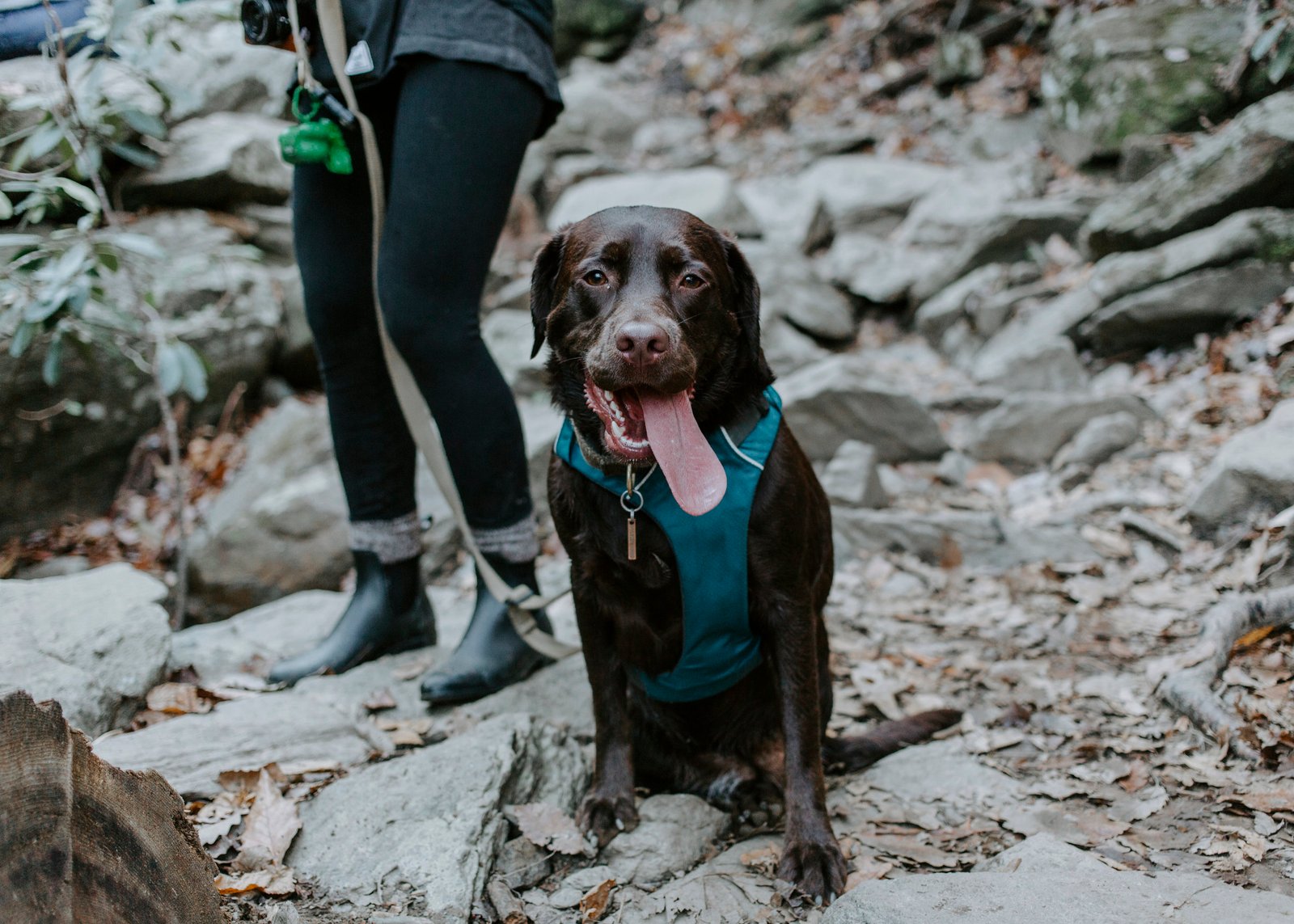
Dogs often change suddenly due to pain, illness, stress, or shifts in their environment.
I’ve worked with dogs and owners for years, and I’ve seen how a dog sudden behavior change can worry any family. This guide explains why dogs shift overnight, how to spot the cause, and practical steps to help your pet. You’ll get clear signs to watch, immediate actions, when to see a vet, and real-life tips from my experience. Read on to understand and respond calmly when your dog sudden behavior change shows up.
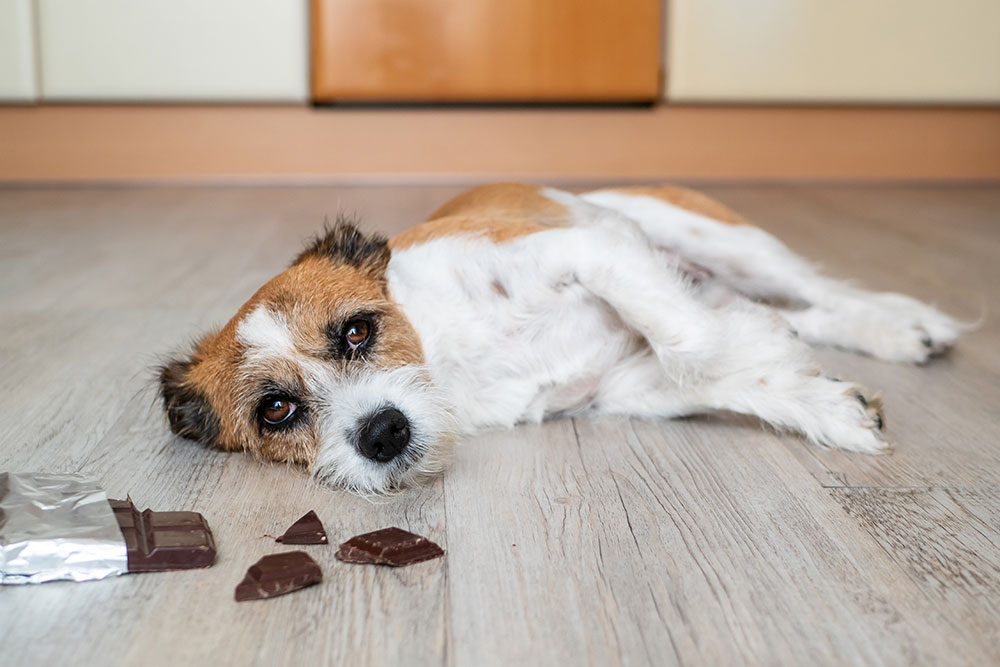
Common causes of dog sudden behavior change
A dog sudden behavior change usually has a cause you can find. Dogs do not act out of spite. They react to pain, fear, or confusion. Knowing common causes helps you act fast and wisely.
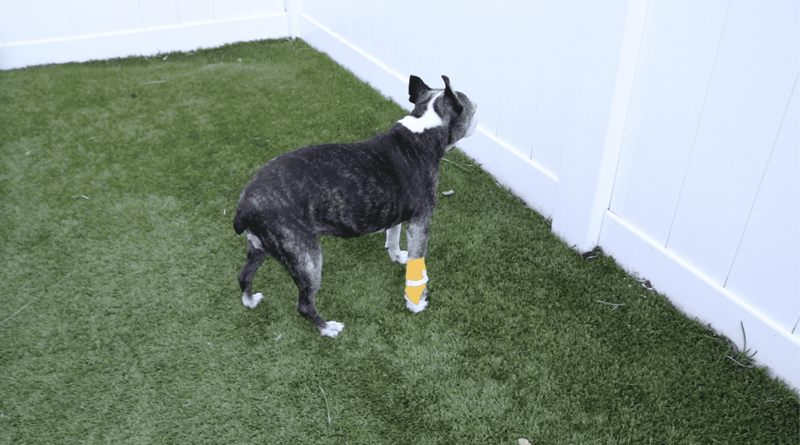
Medical reasons behind sudden changes
Illness and pain are top reasons for a dog sudden behavior change. Sudden aggression, hiding, loss of appetite, or unusual whining often point to a medical problem. Infections, dental pain, arthritis flare-ups, neurological issues, and sudden hormone shifts can all cause big mood swings. If you see sudden changes, a vet exam is smart and often urgent.
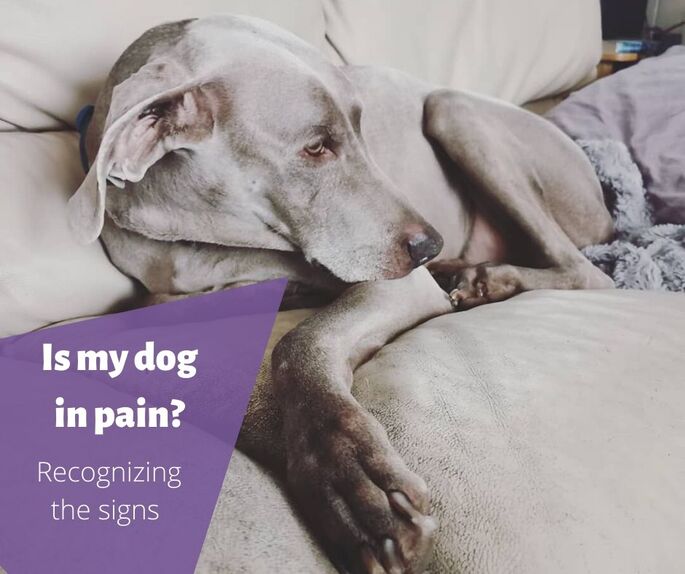
Environmental and emotional triggers
Changes at home can spark a dog sudden behavior change. Moves, new people, new pets, loud noises, or a different routine can stress a dog. Dogs also sense owner stress and may mirror it. Give the dog time, a calm space, and a steady routine to ease the shift.
Behavioral and training factors
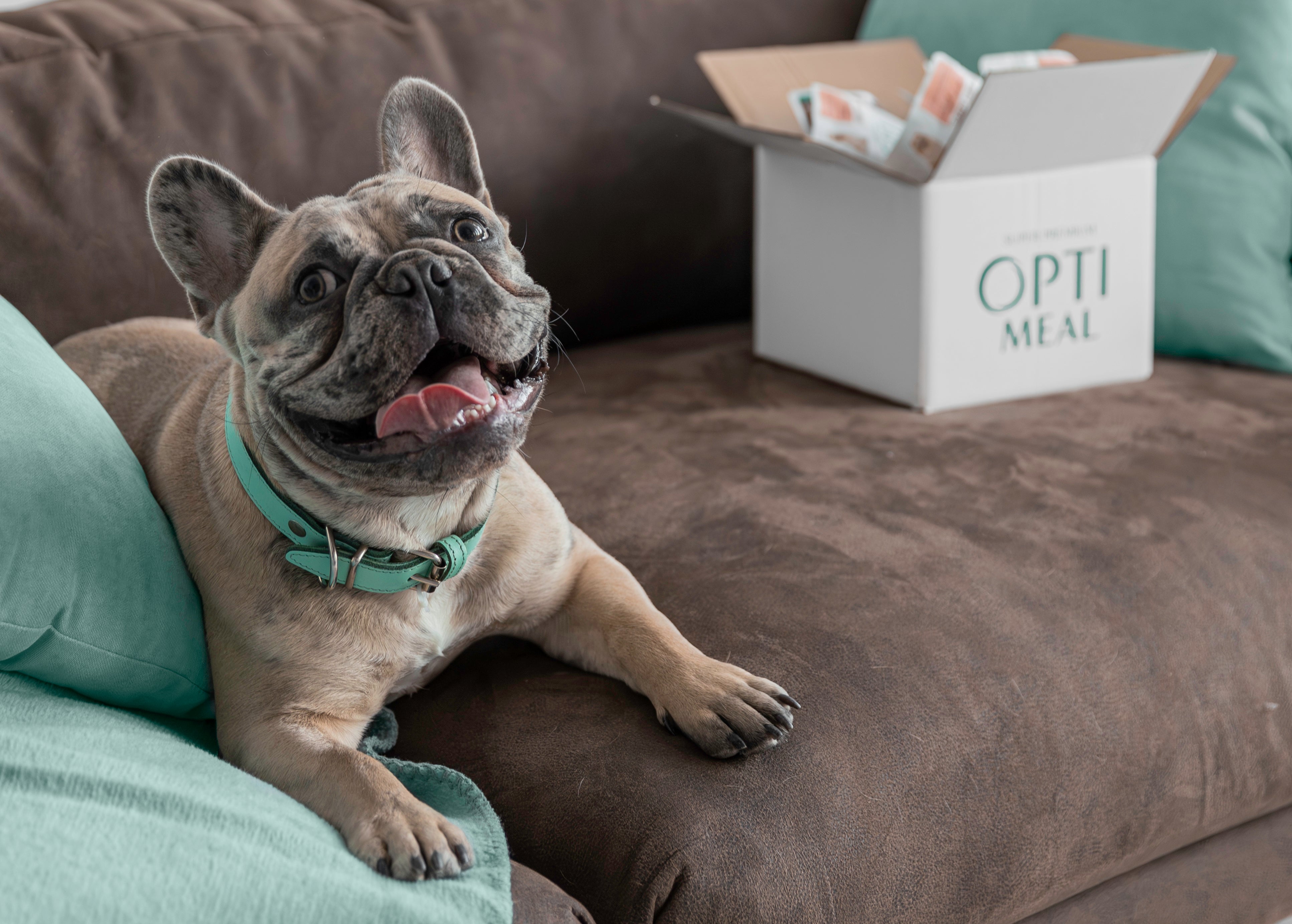
Sometimes a dog sudden behavior change is linked to training gaps or new learning. Reinforced bad habits, confusion about rules, or lack of exercise can lead to sudden misbehavior. Puppies may change quickly during socialization windows. Revisit basic training and reward calm, clear behavior to reset expectations.
How to observe and record the change
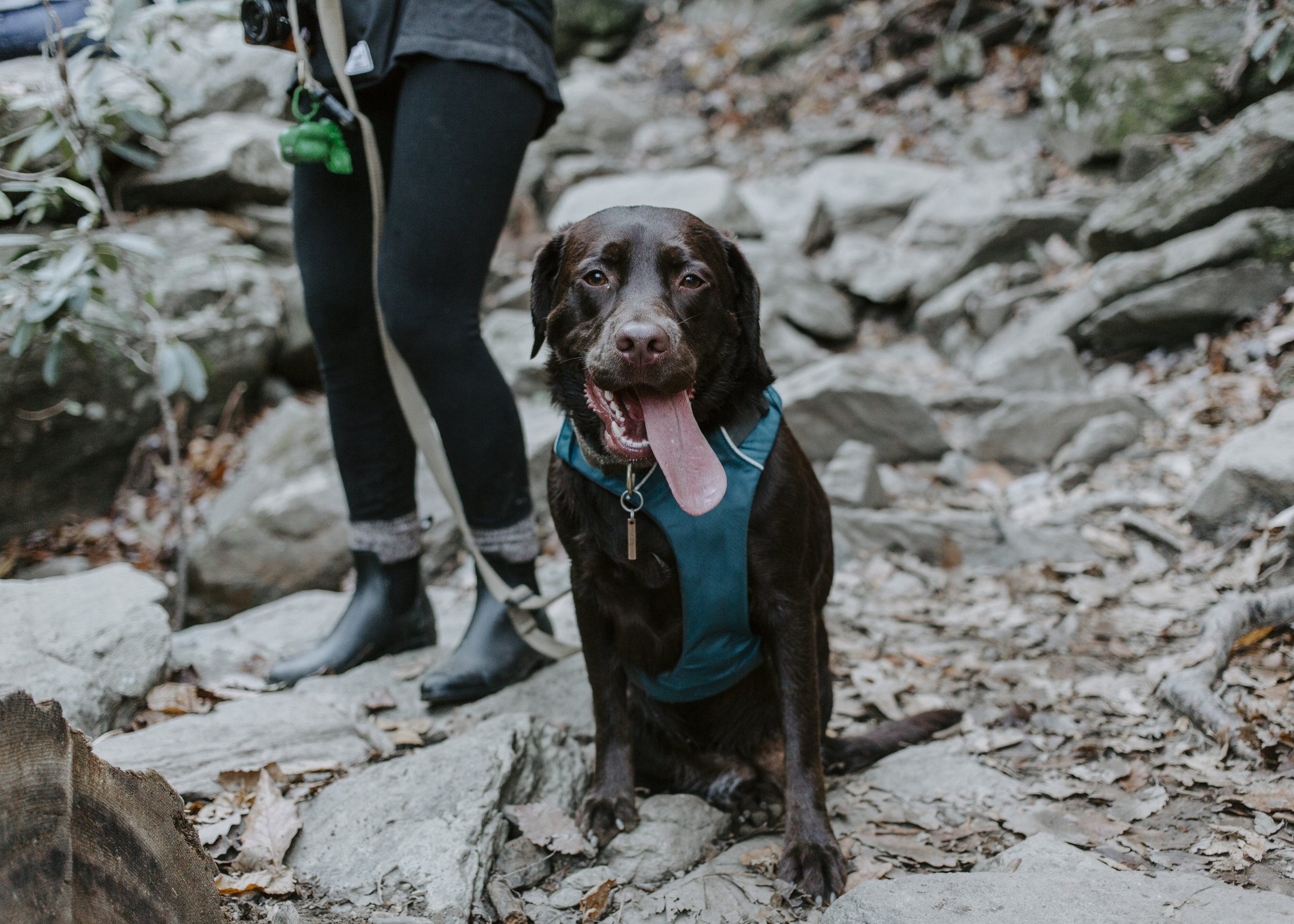
Careful observation helps find the root of a dog sudden behavior change. Keep a simple log for two weeks. Note when the change started, what happened right before, any new food or meds, and specific behaviors. Photos or short videos can also help the vet or trainer.

Immediate steps to take at home
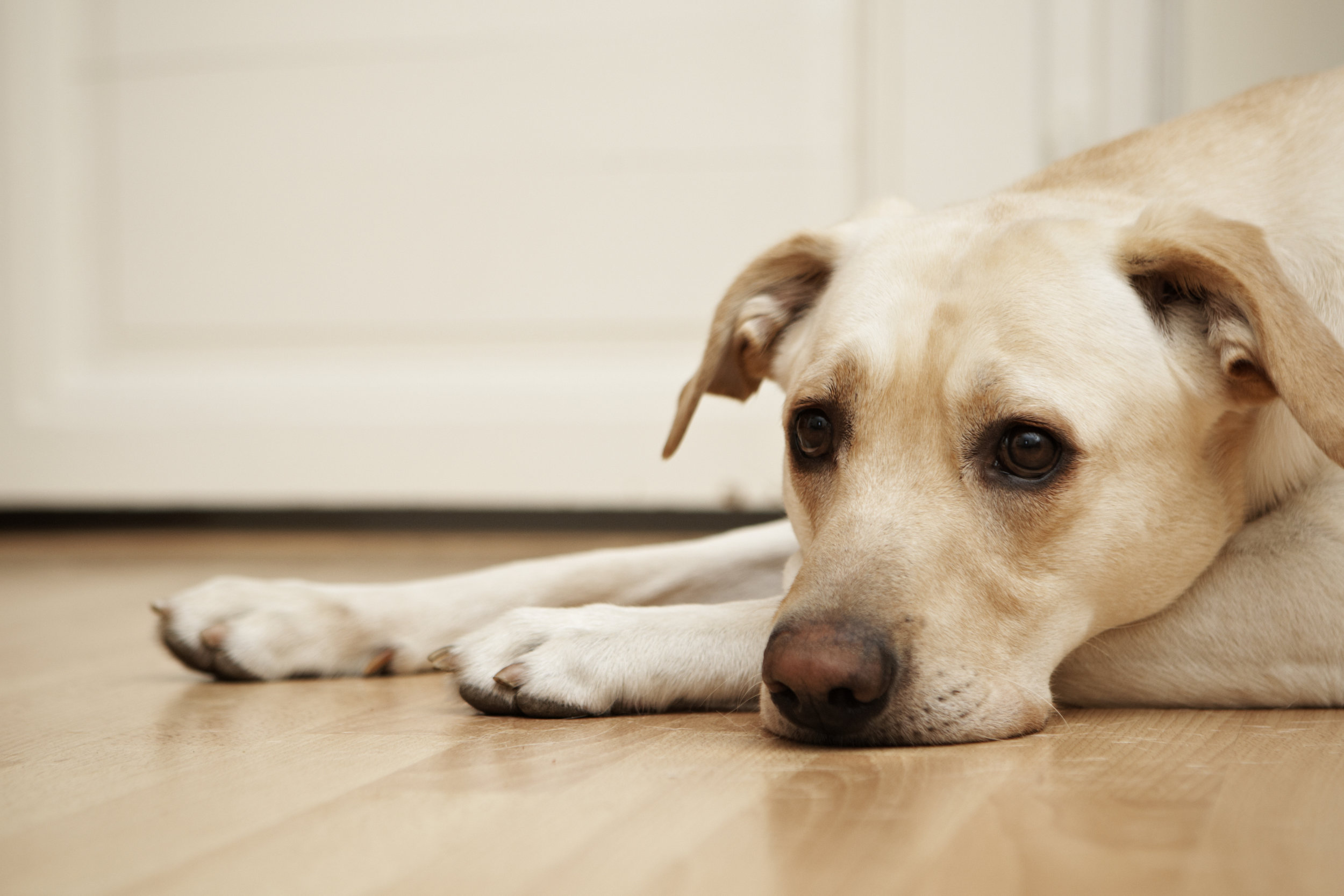
Act calmly when you notice a dog sudden behavior change. First, ensure safety for people and pets. Then follow these steps:
- Check for obvious injuries or signs of pain.
- Remove triggers like loud noises or stressful visitors.
- Offer water and a quiet space.
- Avoid punishment; it can worsen stress or fear.
If there is no quick improvement, call your vet or an emergency clinic.
Source: insightfulanimals.com
When to see the vet right away
Not all changes need a rush to the clinic, but some do. Seek immediate care if you see:
- Sudden aggression or biting where it was never present.
- Collapse, severe vomiting, or trouble breathing.
- Severe pain signs like yelping or inability to move.
- Confusion, seizures, or sudden blindness.
These signs often indicate an urgent medical problem behind the dog sudden behavior change.

Source: reddit.com
Diagnosing the cause: tests and exams
Vets use exams and tests to find why a dog sudden behavior change happened. Expect a full physical exam first. Blood work, X-rays, dental check, and neurological evaluation may follow. Sometimes behavior-focused tests or a trial change in meds are needed. Clear tests guide safe, effective treatment.

Treatment and management options
Treatment depends on the cause of the dog sudden behavior change. Medical issues need meds, surgery, or pain control. Behavioral issues often need training, enrichment, and sometimes anti-anxiety meds. A combined plan from a vet and trainer gives the best outcomes. Regular check-ins help measure progress.
Preventing future sudden changes
You can reduce the chance of a dog sudden behavior change with steady care. Keep regular vet checkups and dental care. Maintain routine exercise, mental play, and consistent training. Introduce changes slowly and watch for early signs so you can act before a big shift.
Personal experience and practical tips
I once cared for a dog that became suddenly withdrawn after a neighbor’s loud renovation. A vet exam found no illness. We gave the dog a quiet room, a new daily walk, and herbal pheromone support. Within a week, the dog regained appetite and play. Lesson learned: look for environmental causes first, then medical. Small, steady steps often work best when a dog sudden behavior change appears.
Long-term monitoring and follow-up
Track behavior long term to catch patterns. Use the log you started earlier. Share it with your vet or trainer during follow-ups. Regular notes help spot slow trends before they become sudden crises. Ongoing care builds trust and safer outcomes for both you and your dog.
Frequently Asked Questions of dog sudden behavior change
Why did my dog suddenly become aggressive?
Sudden aggression often links to pain, fear, or medical issues. A vet check is the first step to rule out illness or injury.
Can a diet change cause sudden behavior shifts?
Yes, new food or allergies can lead to discomfort and mood changes. Monitor food swaps and consult your vet if you see a change in behavior.
Is anxiety a common reason for sudden changes?
Anxiety can cause sudden fear, panting, pacing, and clinginess. Identify triggers and use calming routines and enrichment to help.
How long before behavior returns to normal?
Recovery time varies by cause. Medical issues may improve in days; behavioral shifts can take weeks with training and consistency.
Should I punish a dog for sudden bad behavior?
No. Punishment often increases fear and can worsen the dog sudden behavior change. Focus on safety, positive reinforcement, and professional help.
Conclusion
A dog sudden behavior change is a signal, not a mystery. Look for medical causes first, then consider environment, training, and emotional needs. Take quick, calm steps: observe, remove danger, and call a vet if needed. Use consistent care, notes, and professional support to help your dog recover. Start today by making a simple behavior log and scheduling a vet check if you are worried. Share your story or questions below to get more tailored advice.
