
Dog hot spots heal fastest with prompt cleaning, vet care, and stopping your dog from licking.
I’ve treated dozens of dogs with painful hot spots and helped many owners speed recovery. This guide dives into the causes, diagnosis, and step-by-step dog hot spots healing strategies you can use at home and with your vet. Read on for clear, practical steps, research-backed advice, and real-life tips to get your dog comfortable and cured quickly.

Understanding hot spots and dog hot spots healing
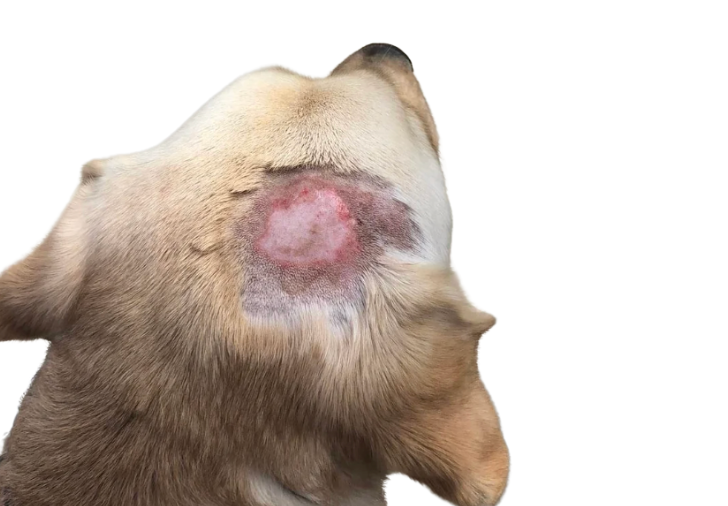
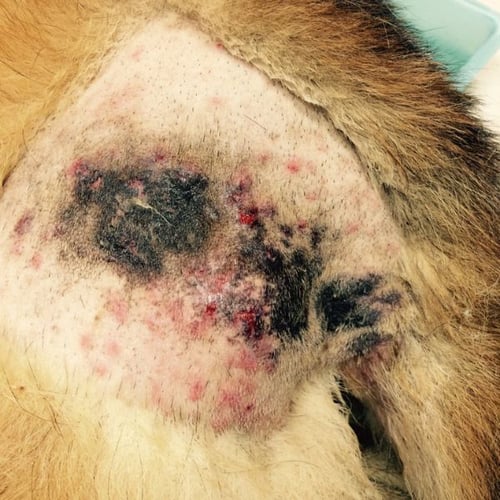
Hot spots are painful, red, wet sores that appear suddenly on a dog’s skin. They are also called acute moist dermatitis and can grow fast if not treated. Dog hot spots healing starts with stopping the damage — licking, chewing, or rubbing — and then treating infection and inflammation. Knowing the signs early lets you move from worry to action quickly.

Common causes that affect dog hot spots healing
Dog hot spots healing often depends on addressing what caused the sore. Common triggers include:
- Flea bites or other parasites that cause intense itching.
- Allergies to food, pollen, or grooming products that provoke scratching.
- Skin that stays wet from swimming or matted fur, which encourages bacteria.
- Pain or irritation from cuts, ear infections, or anal gland problems.
- Stress, boredom, or anxiety that leads to obsessive licking.
Addressing the root cause is key for long-term dog hot spots healing. If you only treat the sore, it often comes back.
Diagnosing hot spots for correct dog hot spots healing
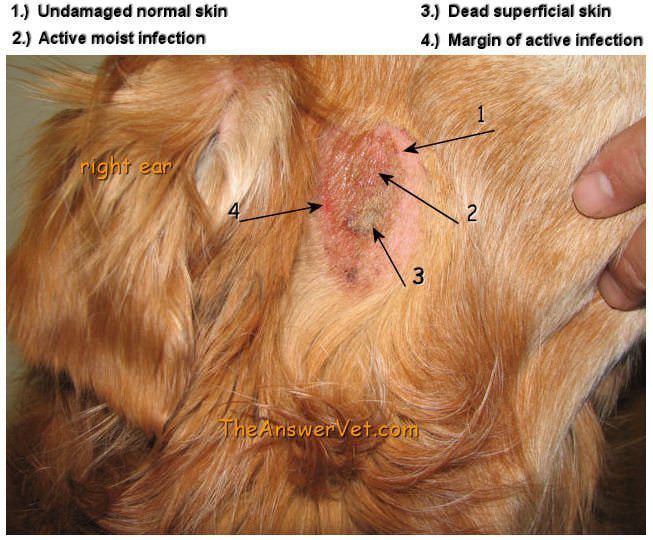
A vet exam confirms whether a sore is a hot spot or another issue. Diagnosis includes:
- Visual exam to check size, depth, and surrounding skin.
- Skin scrape or cytology to look for bacteria, yeast, or parasites.
- Allergy tests or blood work if hot spots recur.
Accurate diagnosis speeds dog hot spots healing. Treatment changes if the cause is allergic, parasitic, or infectious.

Effective treatments for dog hot spots healing
A clear plan helps healing start fast. Typical steps include:
- Clip hair around the sore to let the area dry and breathe.
- Clean the wound with a gentle antiseptic like chlorhexidine diluted per vet guidance.
- Use prescribed topical antibiotics or sprays to control bacteria.
- Give oral antibiotics if the infection is deep or spreading.
- Use short courses of anti-inflammatory medication or steroids when swelling and itching are severe.
- Fit an E-collar or recovery suit to stop licking and re-irritation.
Follow these tips during treatment:
- Clean the area twice daily until it dries and scabs.
- Keep your dog indoors and calm to reduce activity that spreads infection.
- Track progress with photos and notes to share with your vet.
With quick care, many cases show improvement in 3–7 days. Complete dog hot spots healing may take 2–4 weeks for hair to regrow and tissue to fully repair.
Home care and natural remedies that support dog hot spots healing
Safe home care can speed recovery while you follow your vet’s plan. Try these practical steps:
- Gently clip and clean the area with clean water or a dilute antiseptic. Avoid rubbing hard.
- Apply cool compresses to reduce heat and pain for 5–10 minutes a few times daily.
- Use vet-approved topical products; avoid home agents that sting or block healing.
- Add omega-3 fish oil to the diet to support skin health after checking with your vet.
- Keep the dog’s environment clean and dry to prevent re-infection.
Personal note: I once treated a golden retriever whose hot spots returned until we addressed a flea problem and switched shampoos. Simple home care helped, but fixing fleas was the real turning point. Natural remedies help but should not replace veterinary treatment for infected hot spots.
Limitations and safety:
- Avoid using hydrogen peroxide or alcohol, which can delay healing.
- Don’t apply essential oils, undiluted herbal extracts, or human creams without vet approval.
- Always check with your vet before starting supplements or home treatments.
Preventing recurrence to ensure lasting dog hot spots healing
Prevention is the best step for long-term healing. Key actions include:
- Maintain parasite control year-round with vet-recommended flea and tick products.
- Keep skin and coat clean and well-groomed. Regular brushing prevents mats that trap moisture.
- Address allergies by working with your vet on diet trials or allergy management.
- Provide enrichment and training to reduce stress-based licking and chewing.
- Use cool, dry bedding and dry your dog well after swims or baths.
A prevention plan makes dog hot spots healing durable and lowers the chance of repeat outbreaks.
When to see your vet for dog hot spots healing
Seek veterinary care quickly if you notice any of the following:
- The sore grows fast, bleeds, or smells foul.
- Your dog has fever, lethargy, or stops eating.
- The area looks deep or involves joints or the face.
- Home care fails to improve the sore in 48–72 hours.
Prompt vet care prevents complications and helps ensure complete dog hot spots healing.
Frequently Asked Questions of dog hot spots healing
What are the first steps to take when I find a hot spot?
Clip hair around the area, keep the site clean, and prevent licking with an E-collar. Then contact your vet for advice and possible medication.
How long does dog hot spots healing usually take?
Most hot spots improve in 3–7 days with proper care, while full skin and hair recovery can take 2–4 weeks. Healing time varies with size and underlying cause.
Can I treat dog hot spots at home without a vet?
You can start gentle cleaning and prevent licking, but infected hot spots often need veterinary medication. If you see pus, rapid growth, or systemic signs, see your vet right away.
Are natural remedies effective for dog hot spots healing?
Some home remedies can soothe skin and support healing, but they should be used with vet approval. Avoid harsh or untested products that may worsen infection.
Will my dog get hot spots again after healing?
Hot spots can recur if the trigger remains, such as fleas, allergies, or stress. Addressing root causes helps prevent future outbreaks.
Conclusion
Treating hot spots quickly and fully gives your dog the best chance for fast dog hot spots healing. Clean the wound, stop licking, and work with your vet to treat infection and find the cause. Make prevention part of routine care to keep skin healthy and reduce repeat problems. Try the steps here, track progress, and reach out to your vet if healing stalls — your dog will thank you. Leave a comment or subscribe for more pet skin care tips and real-life advice.
