
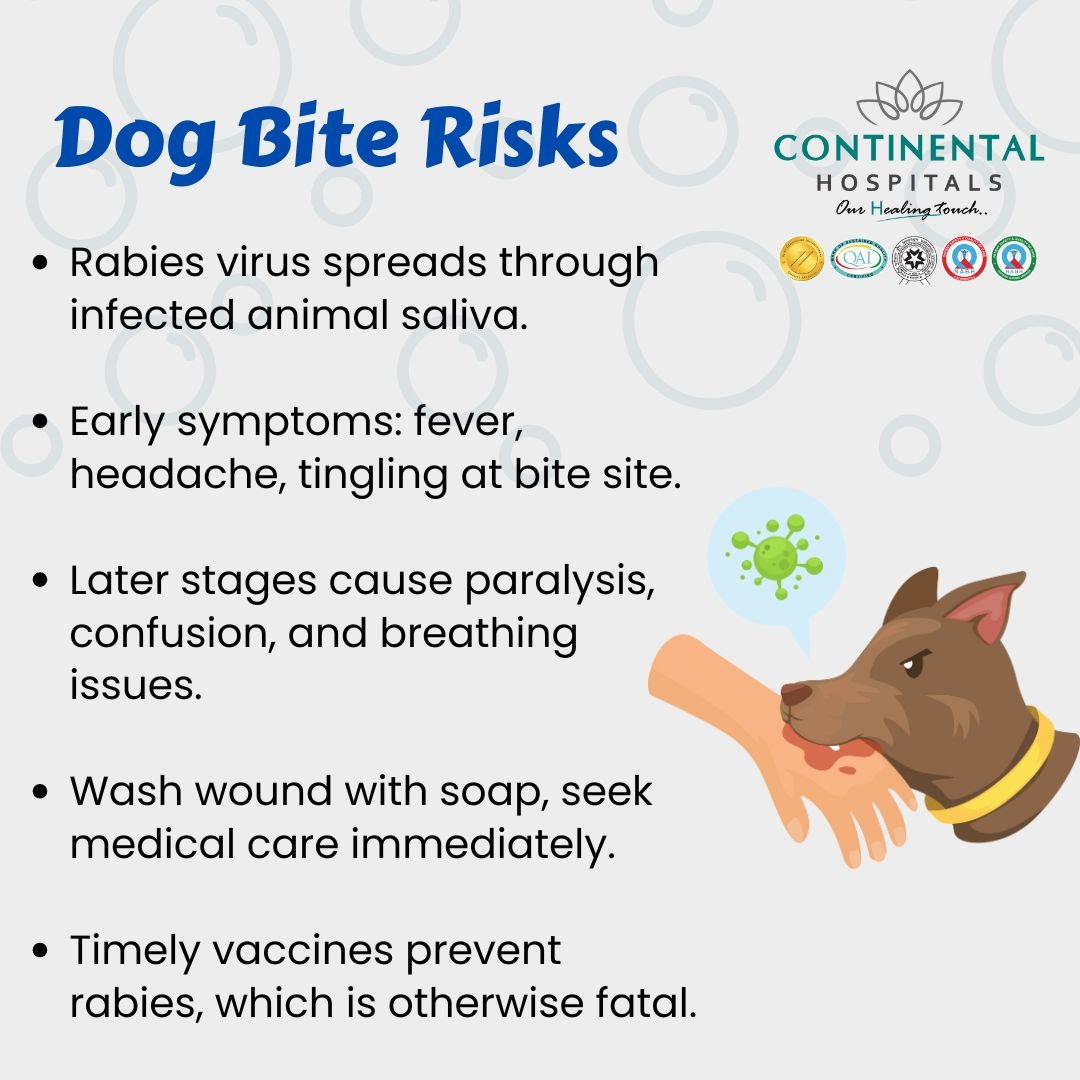
Notice changes in appetite, energy, fever, cough, or foul smells—these are red flags.
I have worked with dogs for years as a caregiver and volunteer at clinics, and I’ve seen how quick action saves lives. This guide on dog infection warning signs explains what to watch for, why each sign matters, and clear steps you can take to protect your dog. Read on to learn practical tips, real examples, and trusted guidance to spot early infection signs and act with confidence.
Common signs of dog infections
Dogs often hide illness. Watch for small shifts. Catching issues early stops them from getting worse.
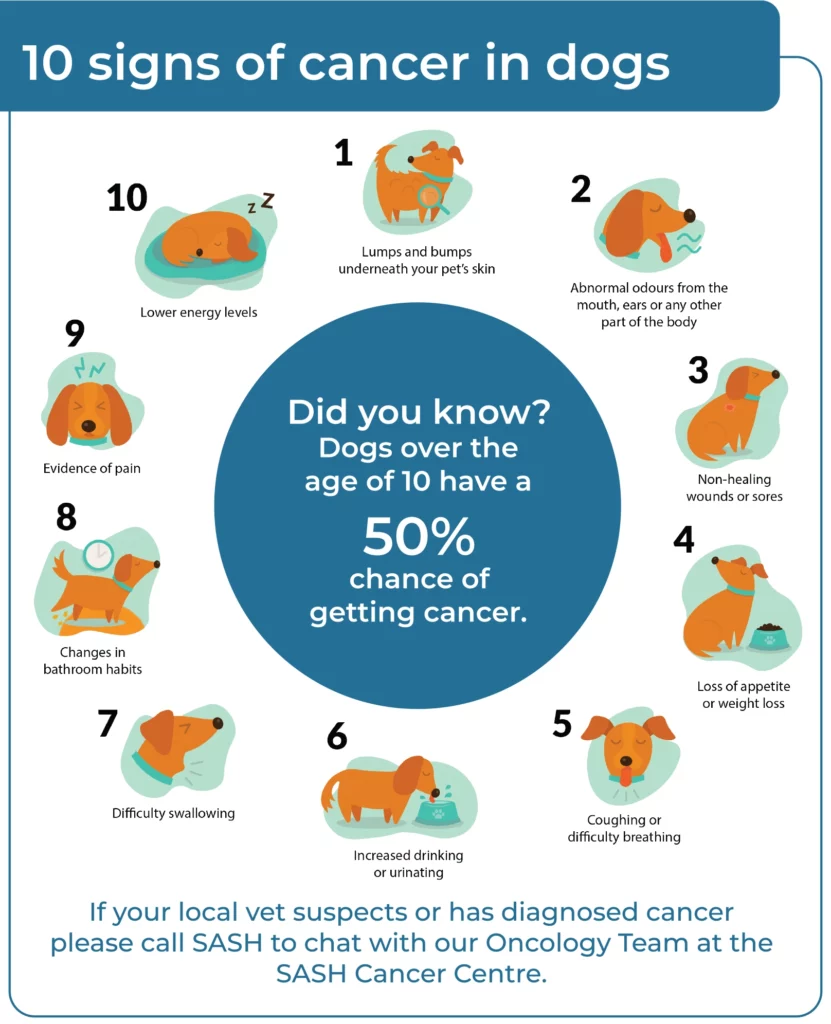
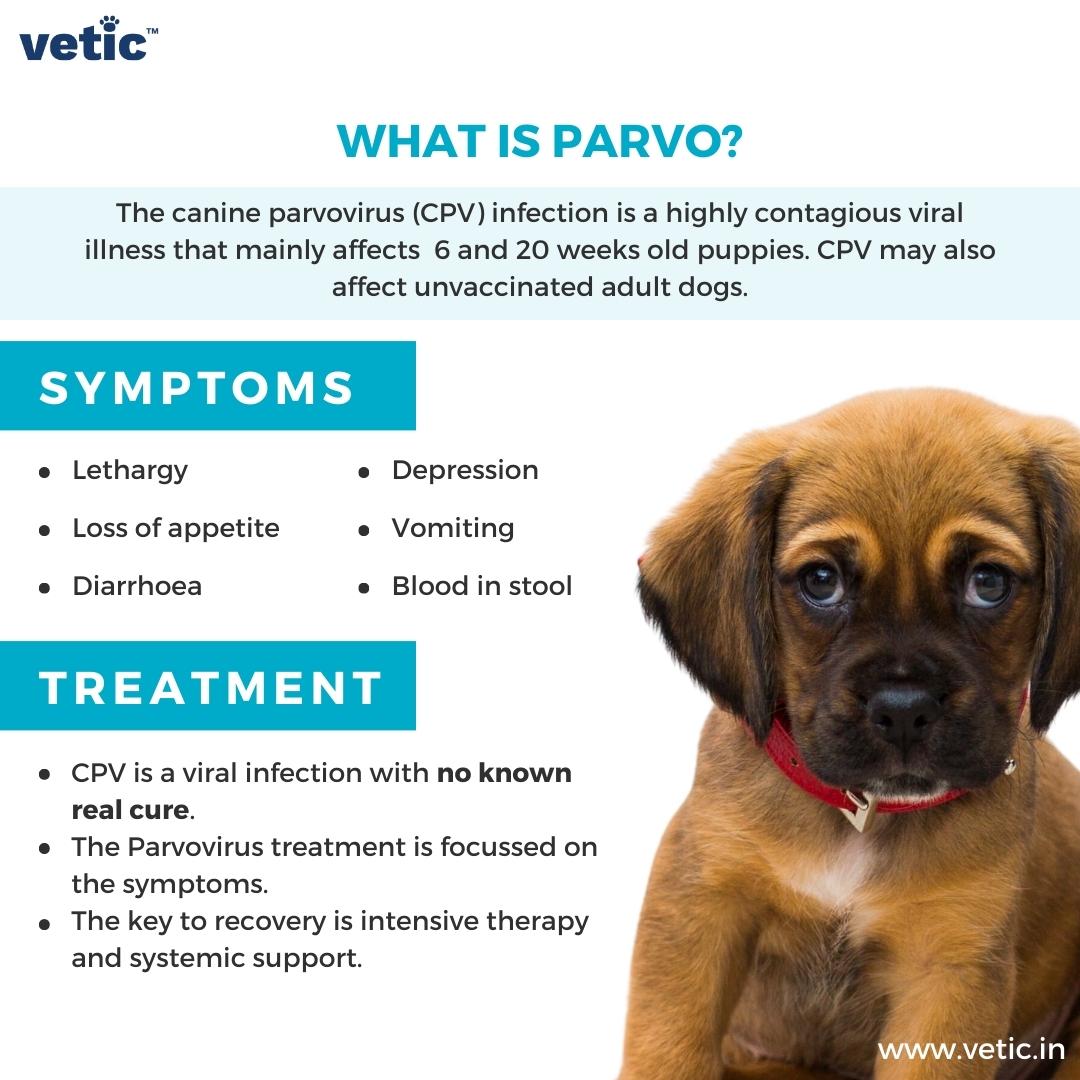
- Loss of appetite: Eating less or refusing food for a day or more.
- Low energy or lethargy: Dog is slower, sleeps more, or won’t play.
- Fever: Warm nose and ears, shivery or panting when rested.
- Coughing or difficulty breathing: Repeated coughs or wheeze-like breaths.
- Runny or discolored eyes and nose: Yellow, green, or thick discharge.
- Bad smell or discharge from wounds: Smell, pus, or swelling around cuts.
- Skin redness, hot spots, or hair loss: Itchy, scabby, or raw patches.
- Vomiting or diarrhea: Frequent or bloody episodes, or stomach pain.
- Pain when touched or limping: Guarding a limb or vocalizing.
- Change in urination: Straining, blood, or accidents indoors.
Spotting these dog infection warning signs early makes treatment easier. If several signs appear together, call your vet. Quick action protects your dog and prevents spread.
Types of infections and specific warning signs
Different infections show different signs. Knowing common patterns helps you act faster.
- Bacterial infections: Often cause fever, localized swelling, pus, and bad smells. Look for wound infections and skin abscesses.
- Viral infections: Cause fever, cough, runny eyes, and loss of appetite. Viruses can also cause vomiting and diarrhea.
- Fungal infections: Lead to patchy hair loss, scaly skin, and strong odors. Ear and paw fungal issues are common.
- Parasitic infections: Fleas, ticks, and intestinal worms cause itching, weight loss, diarrhea, and anemia signs.
- Ear infections: Ear redness, head shaking, scratching at ears, brown or yellow discharge, and foul odor.
- Urinary tract infections: Frequent urination, straining, blood in urine, and licking the genital area.
- Respiratory infections: Persistent cough, nasal discharge, labored breathing, and reduced activity.
Use the phrase dog infection warning signs as your checklist. Match the pattern to likely causes. For example, ear itch plus odor points to ear infection, while fever and cough suggest a respiratory infection. Knowing this guides your first steps and speeds vet diagnosis.
What to do if you spot dog infection warning signs
Stay calm and act. Small, fast steps protect your dog and others.
- Assess severity: Note breathing, temperature signs, bleeding, or collapse. If breathing is hard or dog is limp, seek emergency care.
- Isolate if contagious: Keep the sick dog separate from other pets until the vet confirms the cause.
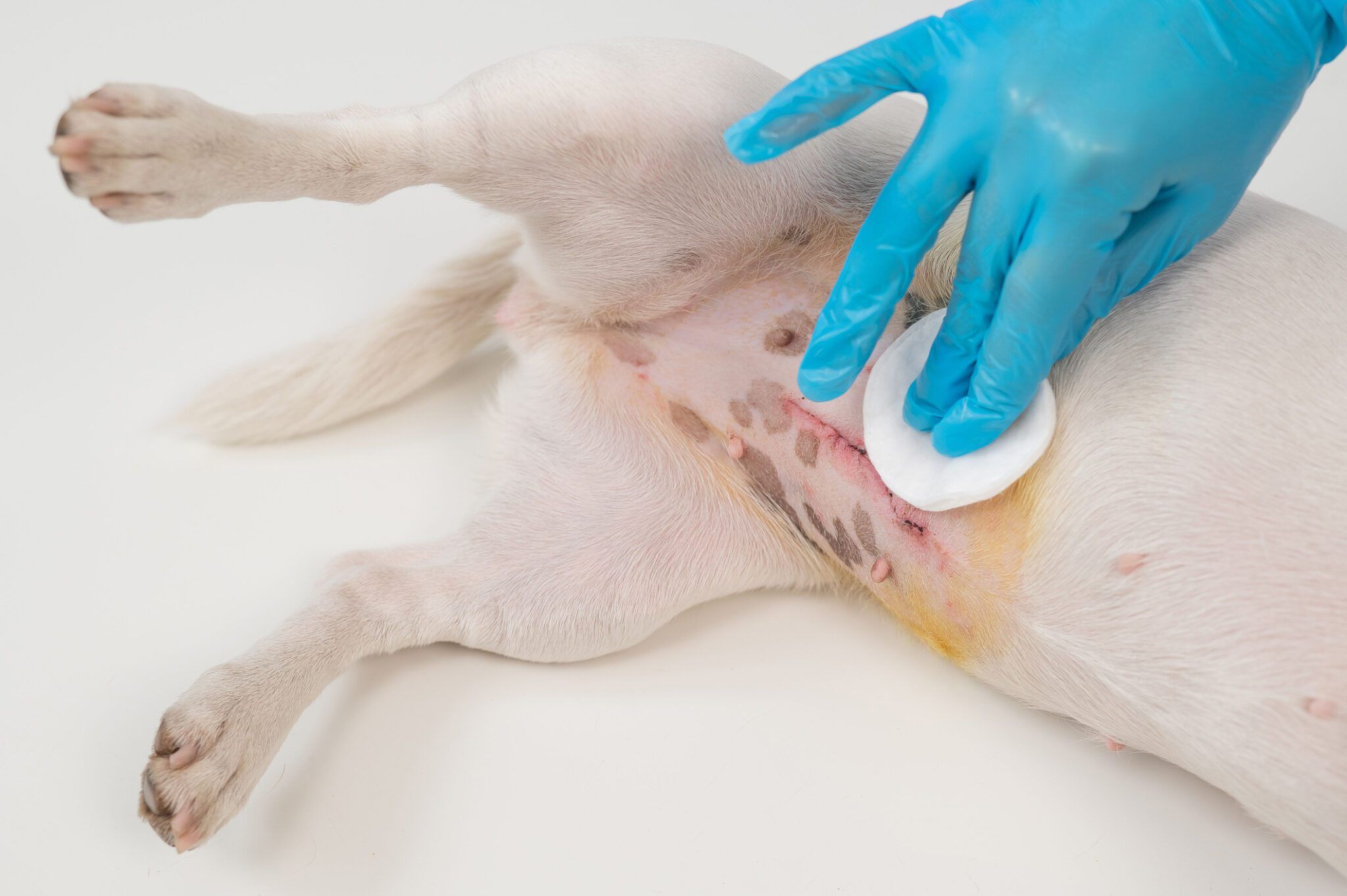
- Clean minor wounds: Gently wash with clean water and pat dry. Avoid human antiseptics unless directed by a vet.
- Record symptoms: Note when signs began, changes, and any exposures. This helps the vet diagnose faster.
- Call your vet: Describe the signs and follow advice. The vet may schedule a same-day visit or emergency care.
- Avoid self-medicating: Do not give human meds or antibiotics without a vet’s OK. Incorrect drugs can harm your dog.
- Bring samples if asked: A stool sample, urine, or photos help with diagnosis.
Taking these steps reduces risk and speeds recovery. If you’re unsure, it’s better to call the clinic. Most vets appreciate early reports and can triage appropriately.

Preventing infections: practical steps every owner can use
Prevention is simpler than treatment. Use common-sense care and routine checks.
- Keep vaccines current: Vaccines cut risk for many serious infections.
- Maintain parasite control: Use flea, tick, and worm preventives year-round as advised by your vet.
- Practice good hygiene: Clean bedding, toys, and shared spaces regularly.
- Groom and check regularly: Brush coat, inspect ears, skin, and paws weekly.
- Feed quality food: Good nutrition supports immune health and healing.
- Avoid sick animals: Keep your dog away from animals with obvious infections.
- Safe wound care: Clean injuries promptly and watch for infection signs.
Preventing dog infection warning signs starts with routine. Small habits lower big risks. I once helped a neighbor who prevented a nasty skin infection simply by checking ears weekly after park visits.
Diagnostic process and common treatments
Knowing what to expect at the vet eases stress. Diagnosis is a step-by-step process.
- Physical exam: Vet checks temperature, ears, skin, mouth, and breathing.
- Lab tests: Blood work, urinalysis, and cultures find bacteria, viruses, or parasites.
- Imaging: X-rays or ultrasound help when internal issues are suspected.
- Specific treatments:
- Antibiotics for bacterial infections.
- Antifungals for yeast or fungal problems.
- Antivirals in some cases, or supportive care.
- Dewormers and parasite-specific meds.
- Supportive care: Fluids, pain control, and rest to help recovery.
- Follow-up: Rechecks ensure treatments are working and prevent relapse.
Ask the vet about side effects, dose, and how long to treat. Complete the full medication course even if your dog seems better. This prevents resistant infections and relapses.

Personal experience and practical tips I’ve learned
I’ve seen many dogs recover with quick care. A few lessons helped me and the dogs I’ve cared for.
- Early notes help: I keep a small log of symptoms. Dates and times make vet visits precise.
- Trust instincts: If your dog seems "off," trust that feeling. Small signs can hide big issues.
- Ask for clear care plans: I always request written instructions and a contact for questions.
- Prepare a basic kit: Clean gauze, saline, a soft muzzle, and a carrier make emergencies easier.
- Avoid panic treatments: One dog was given leftover human meds by well-meaning owners; it made the condition worse. Always call a vet first.
These tips come from hands-on experience. They save time, reduce stress, and often prevent bigger problems. Keep compassion and calm at the center of any response.
Frequently Asked Questions of dog infection warning signs
What are the first signs of a dog infection?
Early signs include loss of appetite, low energy, fever, coughing, and discharge from eyes or nose. Any sudden behavior change can signal infection.
How fast do dog infections progress?
Progress varies. Some infections worsen in a day, others over several days. Bacterial infections can spread fast, so act quickly.
Can I treat a dog infection at home?
Minor issues like small wounds can be cleaned at home, but most infections need vet diagnosis and prescription meds. Avoid human antibiotics.
When should I go to an emergency vet?
Seek emergency care if your dog has trouble breathing, is collapsing, has severe bleeding, or shows signs of severe pain. These indicate urgent issues.
How can I tell if a wound is infected?
Look for redness, swelling, heat, pus, bad smell, or increased pain around the wound. If these appear, see your vet.
Are all coughs a sign of infection?
Not always. Coughs can be from irritation, heart disease, or infections. Persistent or severe coughs should be evaluated.
Conclusion
Watching for dog infection warning signs empowers you to protect your dog. Spot changes, follow simple first steps, and call your vet early. Small actions now save stress, money, and lives later. Use the tips and my experience to make better choices for your dog’s health. If you found this helpful, share your story, subscribe for updates, or leave a comment about what signs you watch for.
