
Early signs of dog illness include subtle changes in behavior, appetite, energy, and bathroom habits.
I’ve spent years caring for dogs as an owner and clinic volunteer, so I know how small changes can mean big problems. This guide explains dog illness early symptoms in clear, practical terms. You’ll learn what to watch for, how to check your pet at home, when to call the vet, and simple steps to keep your dog healthy. My goal is to give you confidence to spot dog illness early symptoms and act quickly to protect your dog.
Why early detection matters
Catching dog illness early symptoms can save lives and reduce treatment time. Early signs are often subtle. Acting fast often means simpler care and lower cost. Veterinarians say prompt attention helps recovery and prevents complications from worsening dog illness early symptoms.
Common early signs of illness in dogs
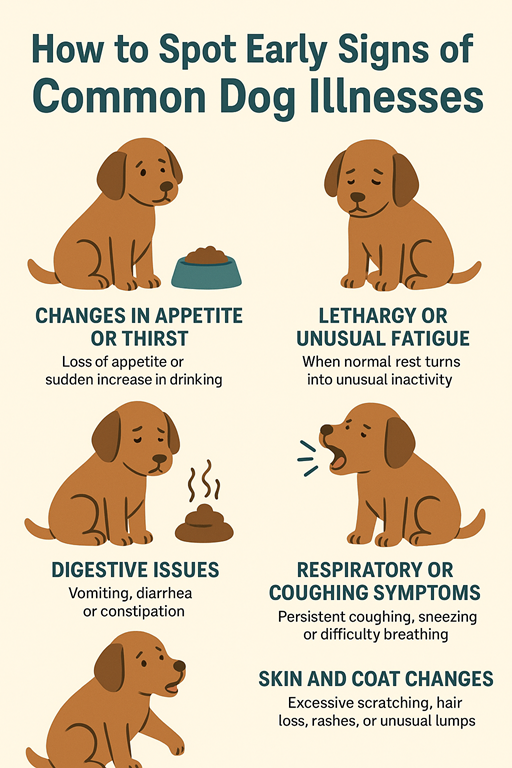
Below are frequent early warnings. Check your dog daily for these dog illness early symptoms.
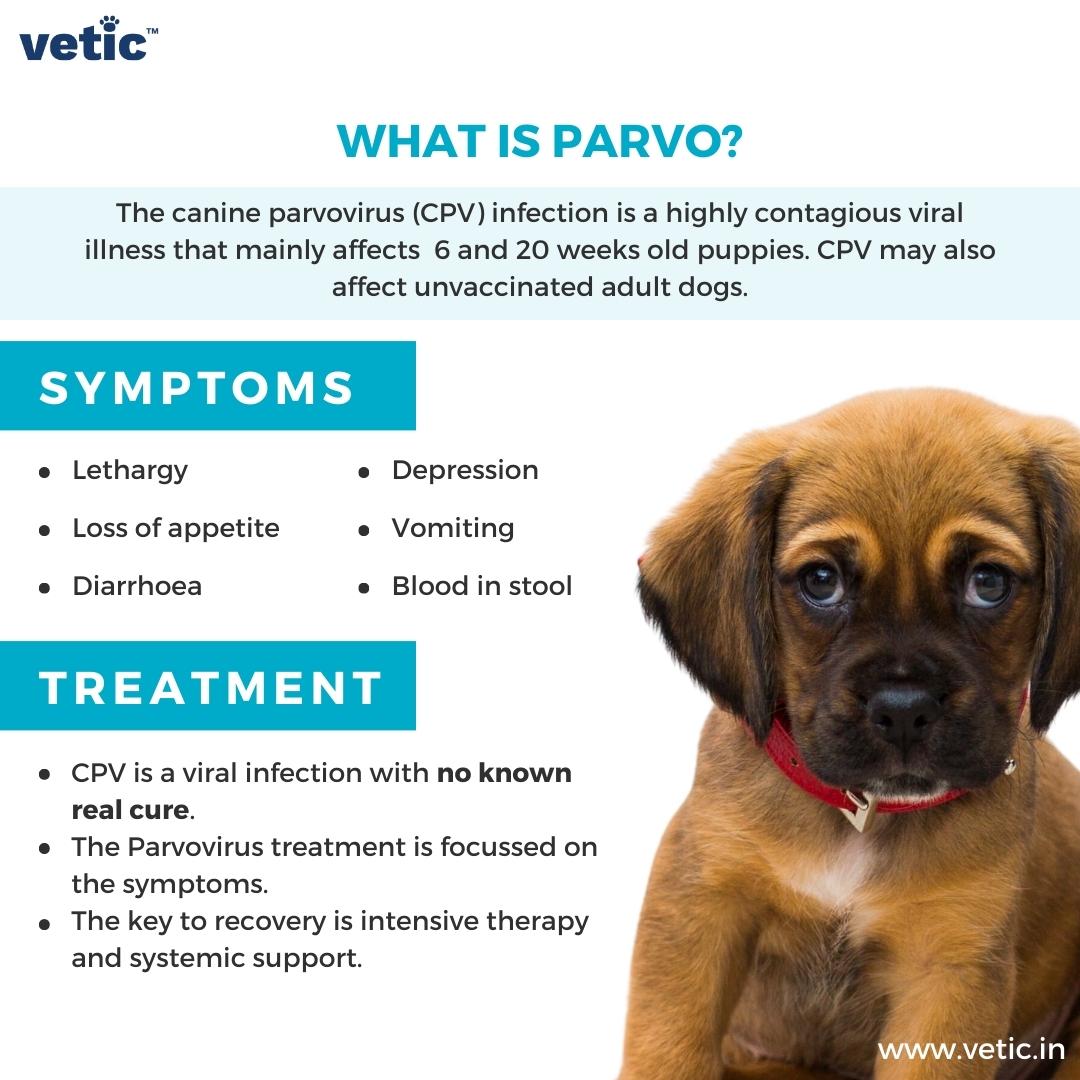
• Appetite changes — Eats less or refuses food for a day or two. This is a key dog illness early symptom.
• Energy drop — Less play, more sleep, or lagging on walks. Fatigue often shows early in illness.
• Bathroom changes — Diarrhea, constipation, or more urination than usual signal problems. These are common dog illness early symptoms.
• Vomiting — One-time vomit may be minor; repeated vomiting is a strong dog illness early symptom.
• Coughing, sneezing, or nasal discharge — Respiratory signs may be early signs of infection.
• Behavior shifts — Hiding, irritability, or clinginess can indicate pain or sickness. These are subtle dog illness early symptoms.
• Skin changes — Itching, rashes, hair loss, or lumps should be checked as early dog illness signs.
• Weight change — Rapid loss or gain over weeks is a clear dog illness early symptom.
• Bad breath or drooling — Mouth disease can start quietly and is an early dog illness sign.
• Eye problems — Redness, cloudiness, or discharge are early indicators of illness.
How to check your dog at home
A short daily check helps find dog illness early symptoms. Use a calm voice and move slowly.
• Look — Scan the coat, eyes, nose, and mouth for changes. Spot redness, swelling, or discharge.
• Feel — Run your hands over the body. Check for lumps, heat, or pain reactions. Feeling helps reveal early dog illness symptoms.
• Watch — Note energy, appetite, and bathroom habits for a few days. Small trends often show dog illness early symptoms.
• Record — Keep a simple note or photo log for changes. This helps when you call the vet about dog illness early symptoms.
• Smell — Strong bad breath or body odor can point to infection or digestive problems. This is an early dog illness sign.
When to call the vet
Some signs need urgent care. If you see these, call your vet right away. These are serious dog illness early symptoms.
• Difficulty breathing, blue gums, or fainting.
• Repeated vomiting or continuous diarrhea for more than 24 hours.
• Uncontrolled bleeding or deep wounds.
• Sudden collapse, severe pain, or inability to walk.
• Seizures or sudden disorientation.
For milder dog illness early symptoms, call for advice. Give clear details about onset, frequency, and any home checks you did. Vets rely on those notes to judge urgency of dog illness early symptoms.
Common illnesses and their early symptoms
Below are typical conditions and what early signs look like. Knowing these patterns helps you spot dog illness early symptoms.
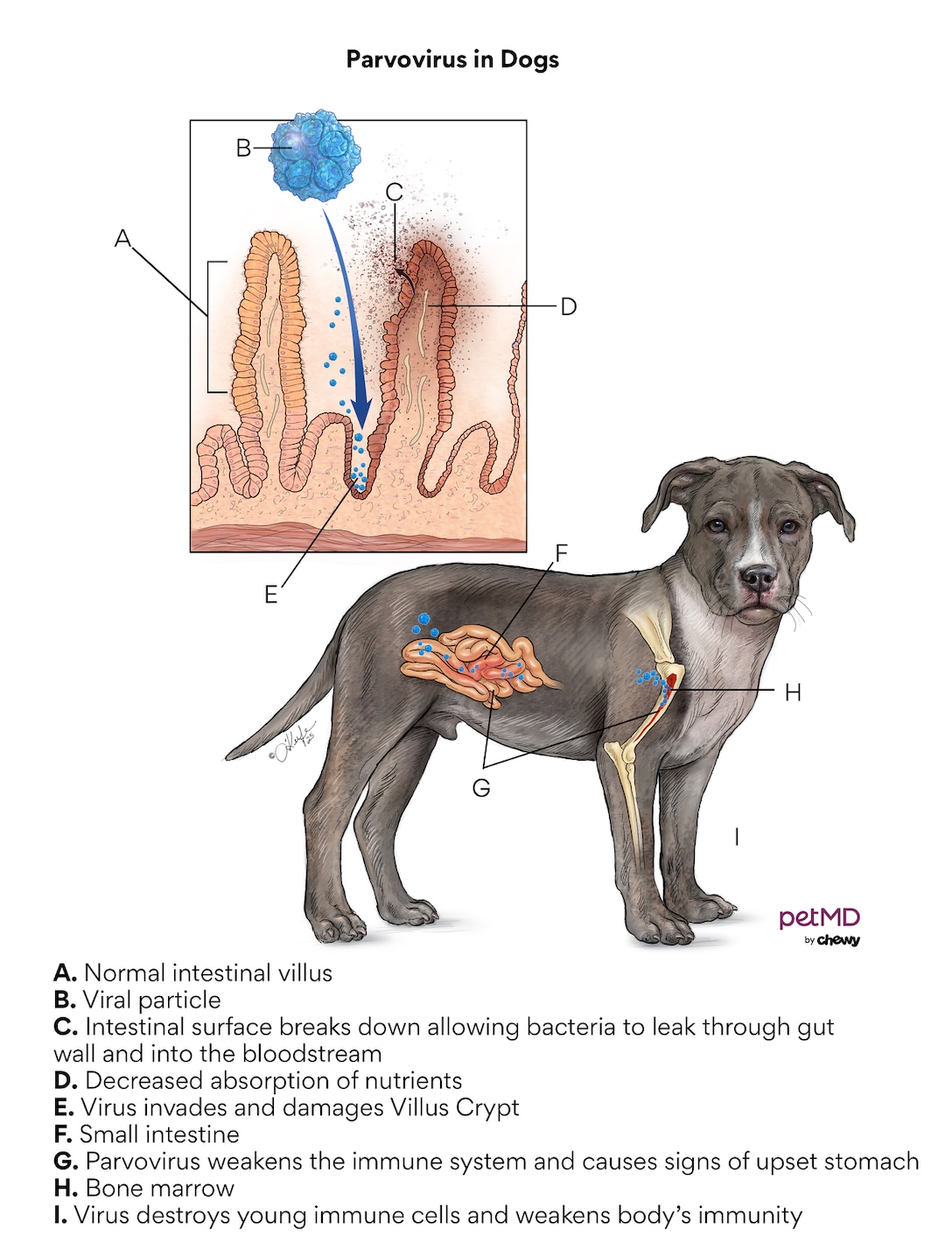
Gastrointestinal issues
Early signs: vomiting, diarrhea, loss of appetite, belly pain.
These dog illness early symptoms can come from diet change, infection, or toxins. Mild cases may pass quickly; persistent signs need vet care.
Respiratory infections
Early signs: cough, nasal discharge, sneezing, low energy.
Kennel cough and mild colds start with these dog illness early symptoms. Watch closely if breathing gets harder.
Ear and skin problems
Early signs: scratching, head shaking, redness, odor.
Allergies, fleas, or infections show as dog illness early symptoms on the skin and ears. Early treatment prevents chronic issues.
Pain and mobility problems
Early signs: limping, stiff joints, less jumping.
Arthritis and injuries reveal dog illness early symptoms as movement changes. Gentle handling and vet checks help early.
Dental disease
Early signs: bad breath, drooling, difficulty eating.
Dental issues often present as quiet dog illness early symptoms. Treating teeth early stops pain and systemic effects.
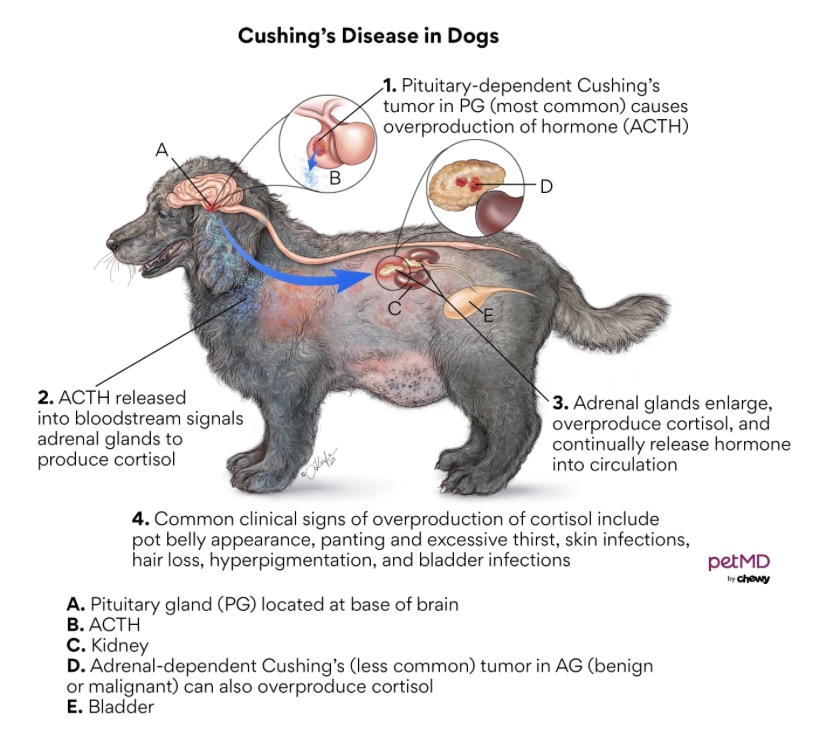
Systemic illness (kidney, liver, endocrine)
Early signs: appetite change, weight loss, more drinking or urination.
These dog illness early symptoms are often subtle at first. Regular screening helps detect them early.

Preventive care and monitoring tips
Good routines reduce the risk of serious illness and help catch dog illness early symptoms.
• Regular vet checks — Annual or twice-yearly exams spot slow changes. These exams catch dog illness early symptoms.
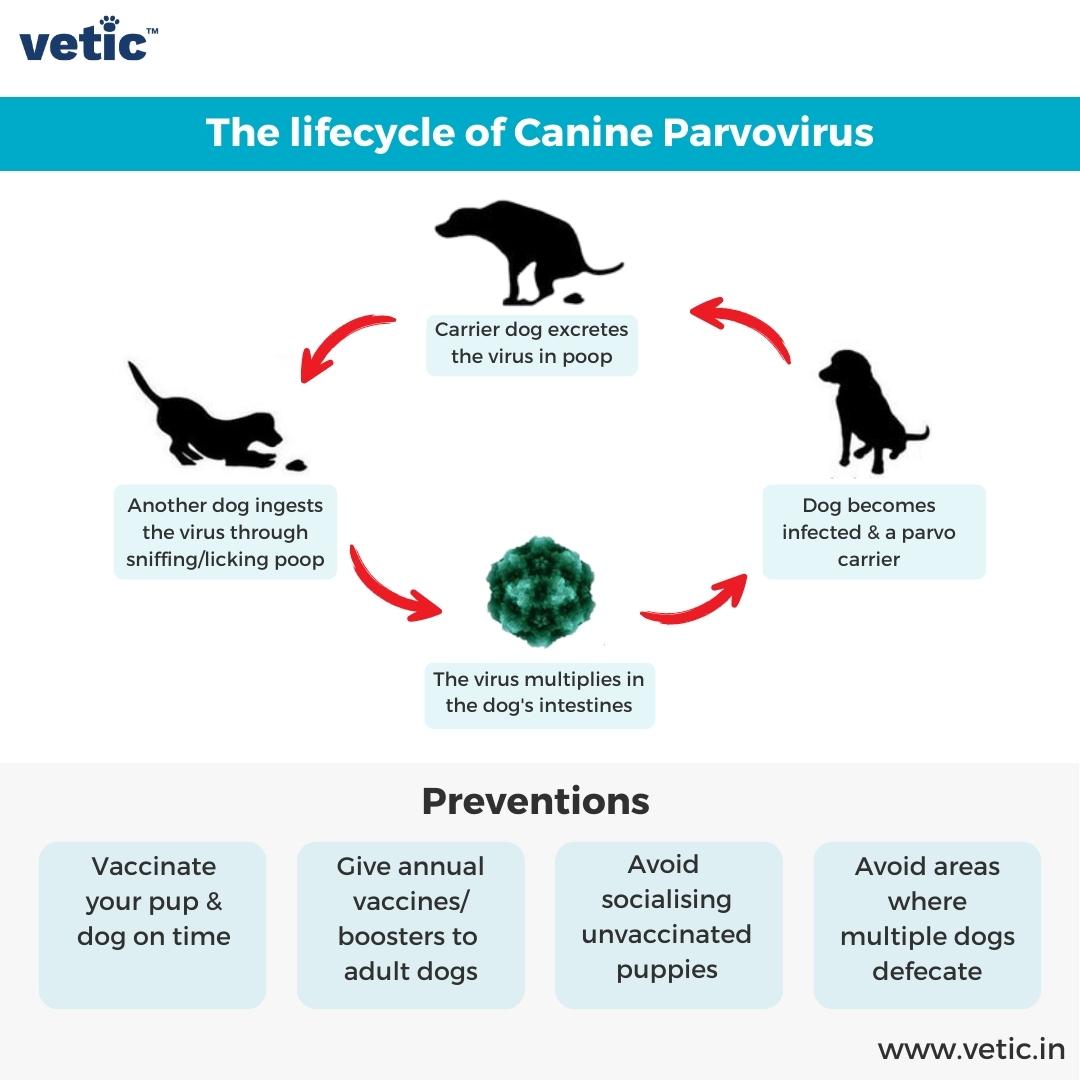
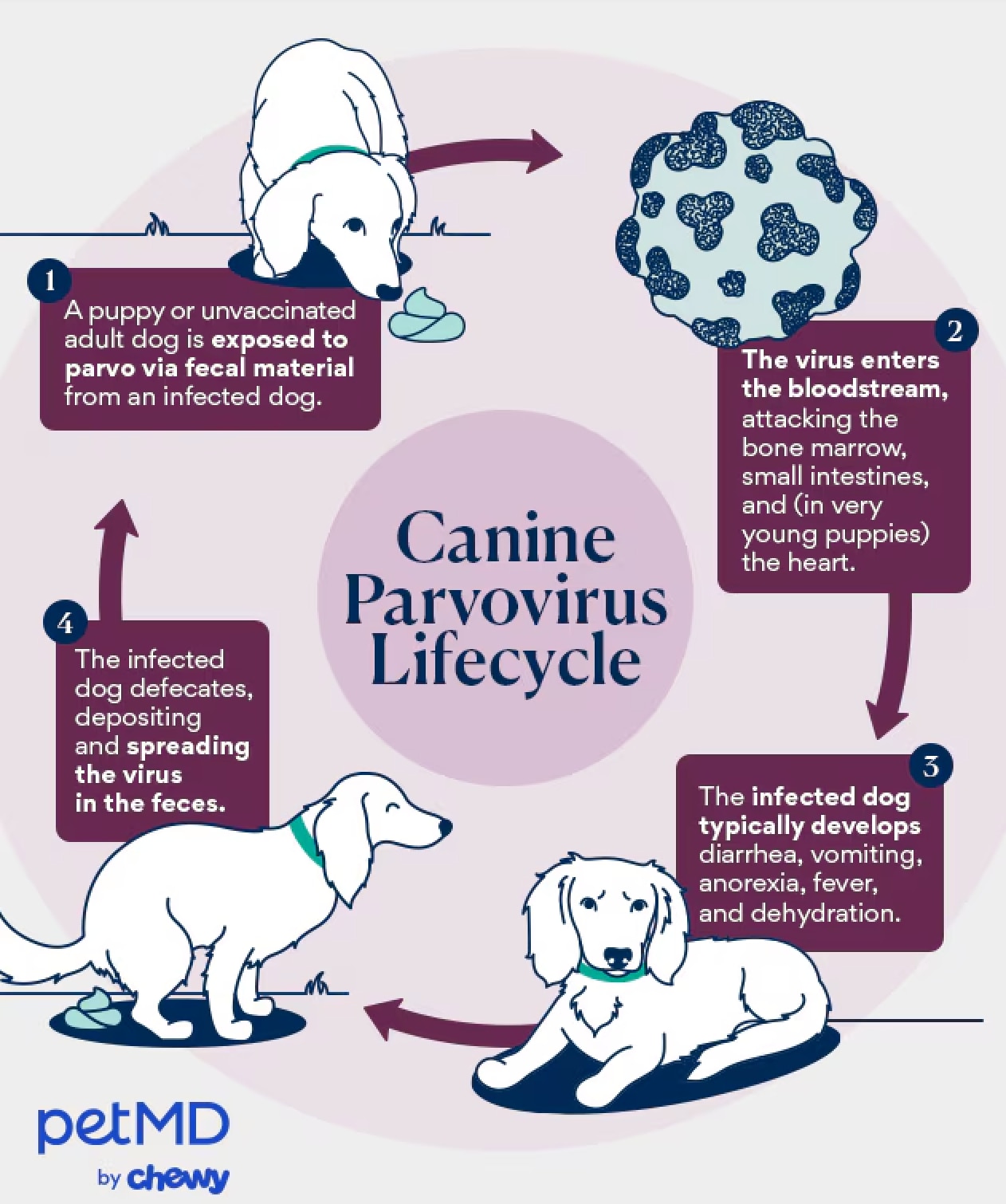
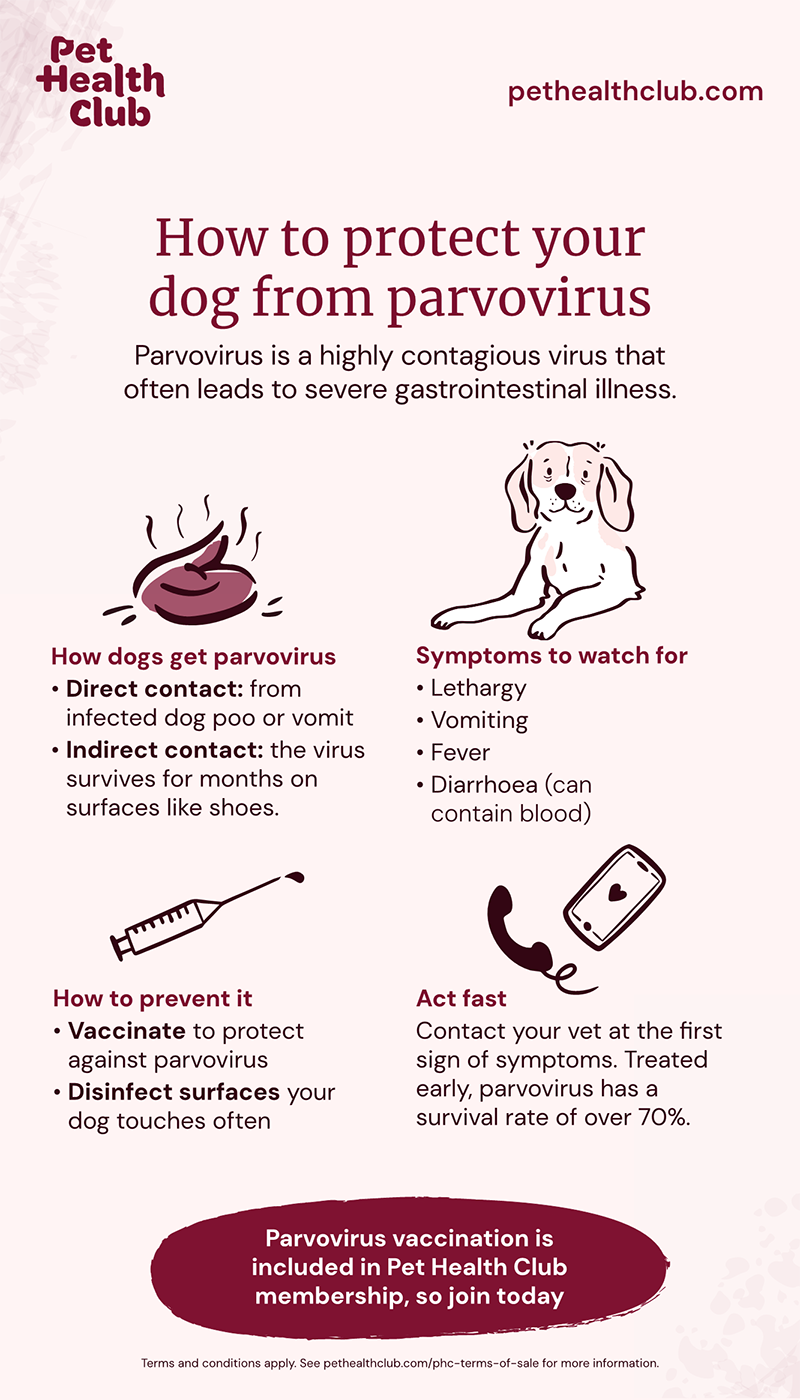
• Vaccinations and parasite control — Prevent common infections that show dog illness early symptoms.
• Healthy diet and weight control — Nutrition lowers disease risk and masks fewer dog illness early symptoms.
• Daily brief checks — A five-minute look each day helps you notice dog illness early symptoms fast.
• Keep records — Track vaccines, meds, and any dog illness early symptoms in a simple log. This helps your vet.
Personal experiences and lessons learned
I once missed a subtle appetite drop in my dog for two days. That small dog illness early symptom turned into a vet visit for an intestinal issue. I learned to act on small changes and to write them down. Another time a limp became worse after a weekend. Quick vet care caught a torn ligament early. These real cases taught me to trust my gut and to document dog illness early symptoms.
Frequently Asked Questions of dog illness early symptoms
What are the first signs of sickness in a dog?
Early signs are changes in appetite, energy, bathroom habits, and behavior. Small shifts often come before obvious sickness.
How long should I wait before seeing a vet for early symptoms?
If symptoms are mild, watch for 24–48 hours while you log changes. Seek vet care sooner for vomiting, breathing trouble, or severe pain.
Can stress cause symptoms that look like illness?
Yes. Stress can cause loss of appetite, diarrhea, and lethargy. Rule out medical causes before assuming stress.
Are older dogs more likely to show early symptoms?
Older dogs can show subtle signs faster and may hide pain. Regular checks and quick action are key for senior dogs.
What should I bring to the vet about early symptoms?
Bring notes on onset, frequency, diet changes, and photos if possible. Clear details help vets identify causes quickly.
Conclusion
Spotting dog illness early symptoms changes outcomes. Small habits like daily checks and quick notes make a big difference. If you notice changes, trust your instincts and contact a vet. Start today: add a five-minute health check to your routine and keep a simple log of any dog illness early symptoms. Share your story or questions below, or schedule a check with your vet to stay ahead of problems.
