
Most reptile shedding problems stem from low humidity, improper husbandry, or underlying health issues.
I’ve worked with reptile keepers and vets for years, and I know how unsettling shedding problems can be. This article explains why reptile shedding problems happen, how to spot them early, and practical, vet-approved steps you can take to prevent and treat stuck sheds. You’ll get clear husbandry tips, safe home treatments, and guidance on when to seek professional care so your reptile stays healthy and sheds cleanly every cycle.

Why reptiles shed and common shedding problems
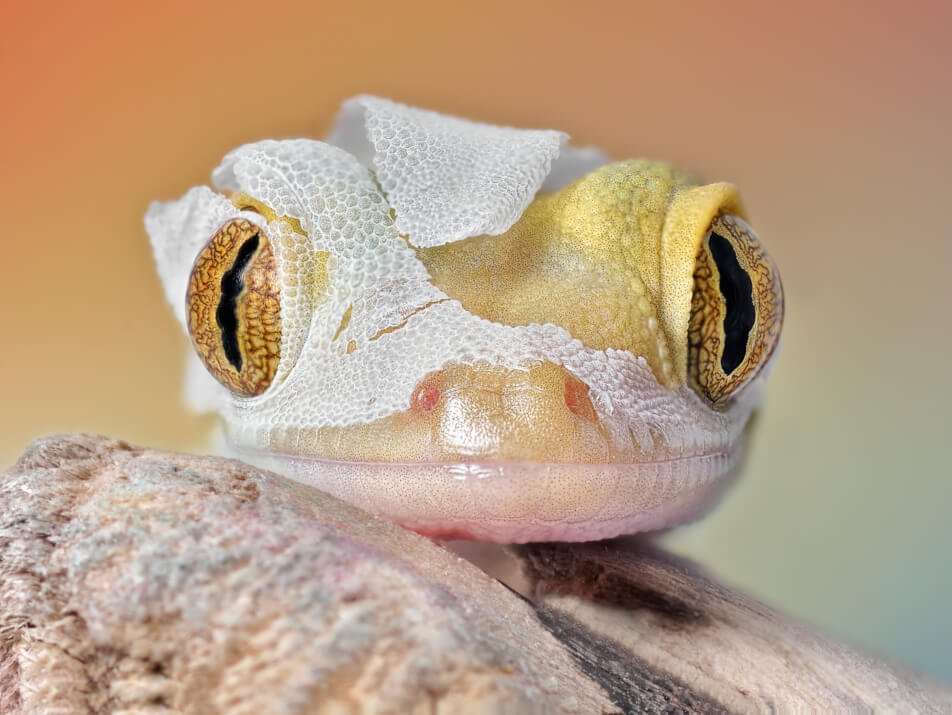
Shedding, or ecdysis, is the natural process where reptiles replace old skin. Healthy shedding helps growth and skin renewal, but reptile shedding problems occur when the process is incomplete or the shed becomes stuck. Common issues include retained eye caps, patchy retained skin, constrictions around toes or tails, and repeated incomplete sheds.
Understanding the root causes helps you prevent problems. Low humidity, incorrect temperatures, dehydration, poor nutrition, parasite burden, and stress all increase the risk of reptile shedding problems. Different species shed differently — snakes shed in one piece, geckos and lizards in patches — so husbandry must match species needs.
:strip_icc()/Geckoshedding-GettyImages-528388682-5a657df0c7822d0037eddc93.jpg)
Signs and early warning signals of shedding problems
Early detection is key to preventing serious harm from reptile shedding problems. Watch for:
- Dull, whitish or gray skin that should peel soon — indicates a pre-shed phase.
- Cloudy or opaque eyes that don’t clear when the rest of the skin peels — possible retained eye caps.
- Patches of skin clinging to toes, tail tips, or along the body — signs of stuck shed.
- Reduced appetite, lethargy, or unusual rubbing against cage furniture — animals may try to force a difficult shed free.
- Discomfort, swelling, or blackened areas after a tight shed — potential vascular compromise or infection.
I once had a young leopard gecko with persistent toe sheds. Noticing the small dark constriction early allowed a soak and gentle removal that saved the toe. Catching signs early makes treatment easier and avoids complications.

Preventing reptile shedding problems: husbandry and environment
Good husbandry is the best prevention for reptile shedding problems. Focus on humidity, temperature, hydration, and substrate choices tailored to the species.
Key preventive steps:
- Provide correct humidity ranges for your species — for example, ball pythons often do best around 50–60% with higher humidity during sheds, leopard geckos need a dry enclosure but require a moist hide, and arboreal geckos favor 50–70% relative humidity.
- Offer a humid hide: a small hide box with damp sphagnum moss or paper towel to help with ecdysis.
- Maintain proper temperature gradients so reptiles can thermoregulate; inadequate temperatures slow metabolism and impair shedding.
- Use safe substrates that don't trap shed skin against toes, like reptile carpet, paper towels, or loose substrates that suit species behavior.
- Keep hydration consistent: fresh water available at all times and occasional gentle soaks for species that benefit from them.
- Feed a balanced diet to avoid nutritional deficiencies that can lead to poor skin health.
I’ve modified many enclosures by adding a moss humid hide and small waterbowl; in most cases, those simple changes resolved recurring reptile shedding problems within one or two cycles.
:strip_icc()/GettyImages-471397134-f87a9c64bf1542c1bf94e385e8363399.jpg)
Safe treatments for stuck shed and when to intervene
When a reptile has stuck shed, act calmly and use safe, gradual methods. Avoid harsh pulling or oiling skin with unapproved substances. Use these steps:
- Soak the reptile in lukewarm water for 10–20 minutes to soften the stuck skin. Keep the head above water and supervise closely.
- Create a humidity box if soaking is not suitable: a ventilated container with damp paper towels or sphagnum moss and the reptile inside for several hours can loosen shed.
- Gently rub a damp, soft cloth or a moistened cotton bud across the retained areas to roll and lift the shed. Work slowly and stop if the animal resists or bleeds.
- For retained eye caps, do not attempt forceful removal. Use repeated gentle soaks and humidity; if caps remain after a full shed cycle, seek veterinary help.
- If a toe or tail tip is constricted and circulation looks compromised (dark, cold, or swollen), see a vet immediately — delay can lead to tissue loss.
I once rescued a crested gecko with a tail tip trapped in shed. Multiple short soaks and careful rolling with damp cotton tips solved it. If at any point you see swelling, open wounds, persistent bleeding, or signs of infection, stop home treatment and contact a reptile veterinarian.

Medical causes and long-term complications
Some reptile shedding problems stem from medical issues that require professional care. These include:
- Parasites and bacterial or fungal infections that damage skin integrity.
- Metabolic bone disease and poor nutrition, which can weaken skin and make shedding difficult.
- Constrictions from retained shed causing loss of toes, tail tips, or necrosis if untreated.
- Vision damage from retained eye caps leading to long-term blindness in that eye.
- Chronic stress or underlying systemic illness that repeatedly affects ecdysis.
If you suspect an infection, parasite load, or systemic problem contributing to reptile shedding problems, diagnostic tests such as fecal exams, skin cytology, or bloodwork may be necessary. Early veterinary intervention prevents permanent damage and improves recovery.
:strip_icc()/reptile-moving-his-skin-877363954-5c3a6263c9e77c0001c19a30.jpg)
When to see a vet and what to expect
Seek veterinary care if home methods fail, or if the reptile shows severe signs. Good reasons to see a vet include:
- Retained eye caps after a full shed cycle.
- Dark, cold, or swollen digits or tail tips suggesting poor circulation.
- Open wounds, bleeding, pus, or foul odor around retained skin.
- Prolonged anorexia, severe lethargy, or rapid weight loss alongside shedding issues.
At the clinic, vets may sedate the reptile to safely remove retained skin, treat infections with topical and/or systemic medications, prescribe fluids or nutritional support, and advise on husbandry modifications. They will also look for root causes like parasites or metabolic disease and create a prevention plan to avoid future reptile shedding problems.

Frequently Asked Questions of reptile shedding problems
What causes retained shed in reptiles?
Retained shed is usually caused by low humidity, dehydration, incorrect temperature, or underlying illness. Each of these disrupts normal skin loosening and peeling.
How long is a normal shed cycle?
Most reptiles complete a shed cycle in a few days to two weeks depending on species, age, and health. Young, growing reptiles shed more often than adults.
Can I help my reptile shed at home?
Yes — safe methods include short soaks, a warm humid hide, and gentle rolling of softened shed with a damp cloth. Stop home treatment if there is bleeding or severe resistance.
Is it safe to use oils or lotions on stuck shed?
Oils and lotions are generally not recommended unless advised by a vet, as they can trap bacteria or interfere with skin healing. Use water-based methods and veterinary-approved shedding aids instead.
When will retained shed harm my reptile?
If retained shed constricts toes, tail tips, or eyes, it can cut off circulation and lead to tissue loss or blindness. Prompt, careful action or vet care prevents long-term harm.
How can I prevent future shedding problems?
Maintain proper humidity, temperature, hydration, and nutrition tailored to your species, provide a humid hide, and do regular enclosure checks during shed cycles. Early detection and consistent husbandry are key.
Conclusion
Reptile shedding problems are common but largely preventable with proper husbandry, species-specific care, and early action. Keep humidity, temperature, and hydration appropriate for your animal, watch for signs of retained shed, and use gentle, safe methods first; see a vet when home care fails or circulation is at risk. Take one practical step this week — check humidity, add a humid hide, or schedule a vet consult — and you’ll greatly reduce the chance of future shedding trouble. Share your experiences, subscribe for more reptile care tips, or leave a comment with your questions.
