
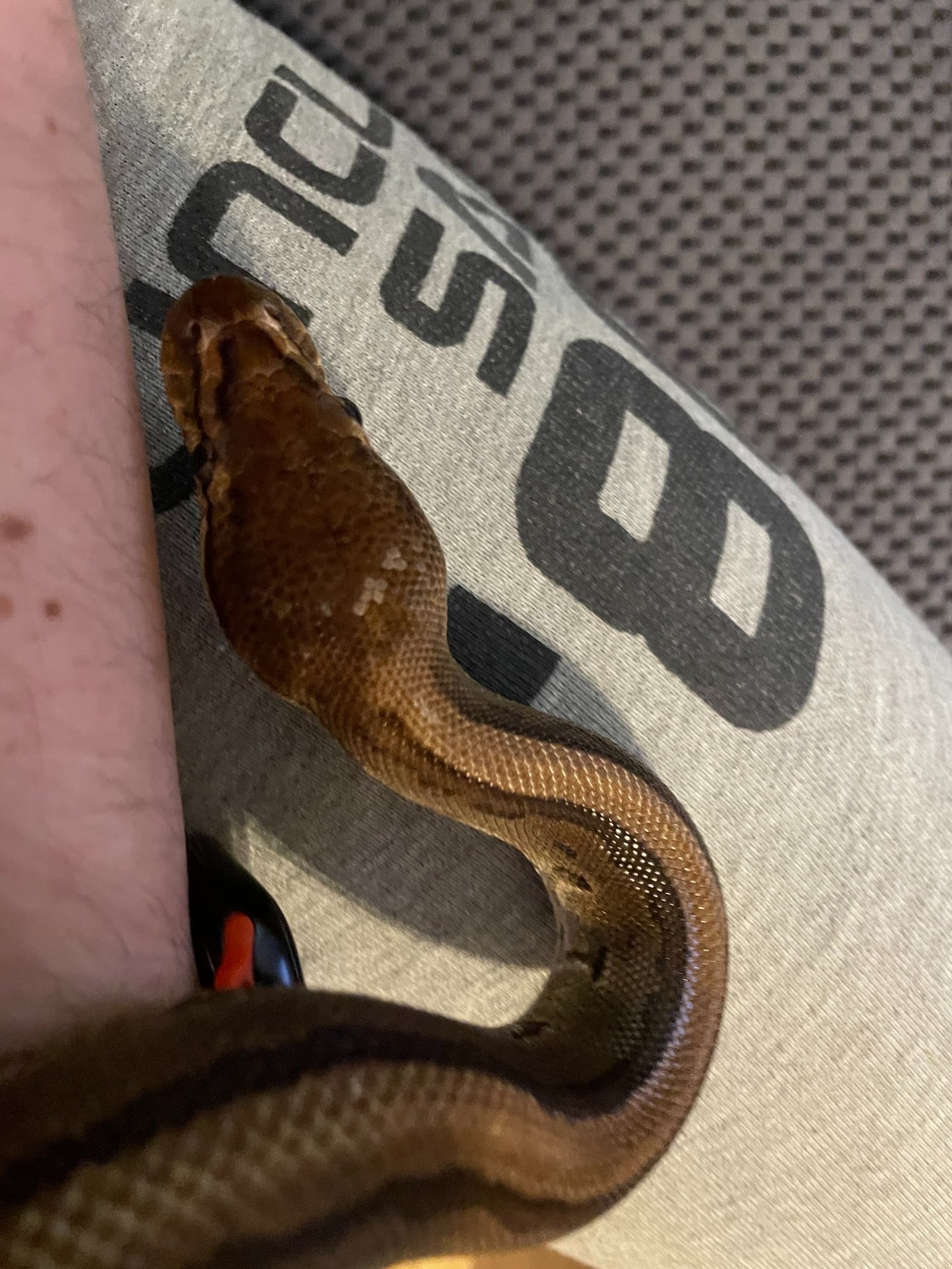
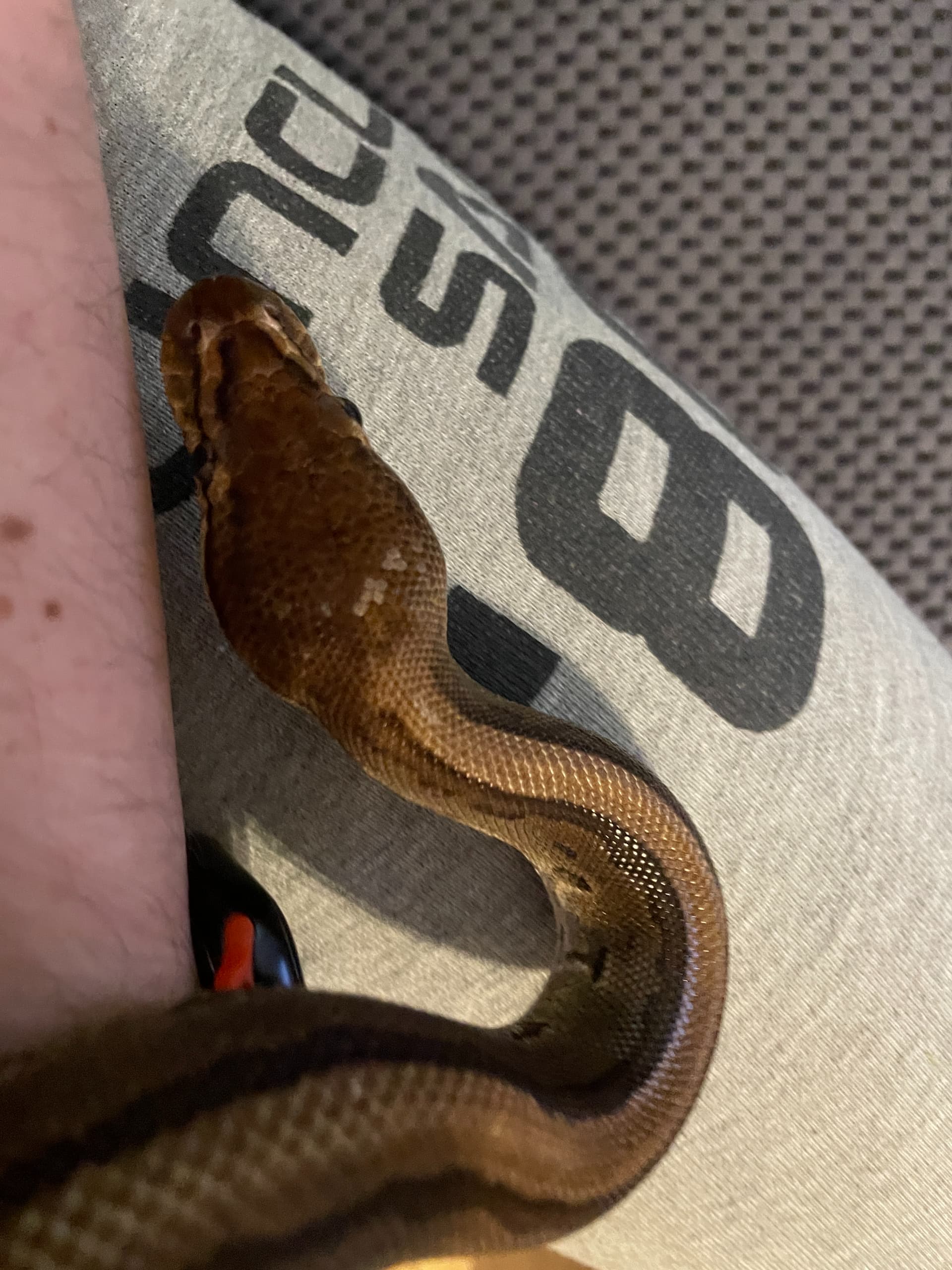
A reptile stuck shed means retained old skin that won't come off naturally and can harm your pet.
I have spent years caring for snakes, geckos, and bearded dragons, and I know how alarming a reptile stuck shed can be. This guide explains why stuck sheds happen, how to spot them fast, and safe steps to help your reptile shed fully. You will get clear, practical advice drawn from hands-on experience and common vet practices so you can act with confidence.

Why reptiles get a stuck shed
A stuck shed happens when a reptile cannot remove its old skin fully. This can affect scales, toes, tail tips, eyes, or the whole body. Low humidity, poor hydration, illness, old injuries, or metabolic problems often cause a reptile stuck shed. Young animals and old ones are more prone to problems. Stress and poor diet can make shedding harder, too.
Common triggers for a reptile stuck shed:
- Low enclosure humidity that dries the shed to the skin.
- Lack of shedding aids like moist hides or rough surfaces.
- Skin infections, parasites, or retained shed from past injuries.
- Dehydration and poor nutrition that weaken skin renewal.
- Rapid growth phases or underlying health issues.
Clear signs your reptile is stuck in shed
Spotting a reptile stuck shed early prevents harm. Watch for these signs:
- Dull, opaque skin that won’t slough off after a few days.
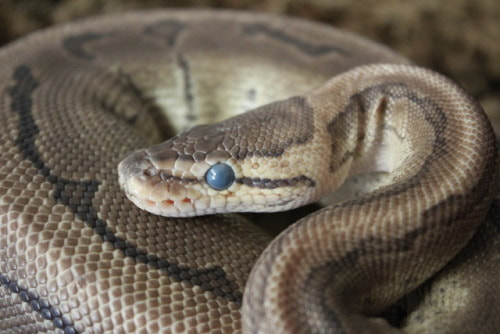
- Bits of old skin clinging around eyes, toes, tail tip, or around scales.
- Swollen toes or tail tips that can lead to constriction or necrosis.
- Rubbing, lethargy, loss of appetite, or visible distress.
- Eye caps that won’t come off, causing cloudy or closed eyes.
If you see patches of old skin or trapped eye caps, treat it as a stuck shed emergency before tissue damage occurs.
Immediate steps to help a reptile stuck shed
Act quickly but calmly. Follow a steady plan to help the shed come off safely.
Step-by-step immediate care:
- Increase humidity gently.
- Place your reptile in a warm, humid room or add a moist hide lined with damp paper towels.
- Spray the enclosure lightly every 20–30 minutes for a few hours if safe for the species.
- Offer a soak if appropriate for the species.
- Use a shallow, lukewarm water soak 10–20 minutes for many snakes and some lizards.
- Never force-submerge species that stress easily; monitor closely.
- Provide a humid hide.
- Make a hide with damp sphagnum moss or paper towels inside a secure box.
- Let your reptile enter on its own and check periodically.
- Gently assist with stuck pieces only when softened.
- Use wet gauze or a damp cotton pad to rub softened skin gently.
- Do not pull dry skin. Work slowly and stop if the animal resists.
- Keep the animal warm and quiet.
- Warmth aids circulation and shedding. Avoid handling more than necessary.
What not to do:
- Do not cut stuck skin with scissors or knives.
- Do not use oils or ointments that trap bacteria.
- Do not force the skin if it is not moving after softening.
 prevention of stuck sheds”
style=”max-width: 100%; height: auto; border: 2px solid black; border-radius: 10px; display: block; margin: 0 auto;”
loading=”lazy”
/>
Long-term care and prevention of stuck sheds
Preventing a reptile stuck shed is easier than fixing one. Make these changes for steady results.
Enclosure and humidity tips:
- Provide species-appropriate humidity levels and a humidity gradient.
- Add a moist hide year-round, especially during shedding cycles.
- Use a reliable hygrometer to track humidity swings.
Hydration and diet:
- Offer regular soaking for species that benefit from it.
- Ensure a balanced diet with calcium, vitamins, and proper prey size.
- Monitor drinking and weight to catch early health issues.
Environment and enrichment:
- Provide rough surfaces for rubbing off shed like cork bark or textured hides.
- Keep temperatures stable and appropriate for the species.
- Reduce stressors like loud noises, excessive handling, or poor lighting.
Routine checks:
- Inspect feet, tail tip, and eyes after every shed cycle.
- Keep a shedding log. Note any retained skin or odd timing.

When to see a vet for a stuck shed
If basic home care does not solve a reptile stuck shed within 24–48 hours, seek veterinary care. A vet can:
- Safely remove tough, adhered shed under anesthesia if needed.
- Treat infections, parasites, or necrotic tissue.
- Run diagnostics for metabolic or organ issues that impair shedding.
Seek emergency care if you notice:
- Dark, swollen, or blackened toes or tail tips.
- Eye cap stuck longer than normal and signs of eye infection.
- Severe lethargy, loss of appetite, or signs of systemic illness.
Vets may use saline soaks, surgical removal, topical treatments, or antibiotics based on the cause and severity.
Tools and safe techniques to remove stuck shed
Use simple, safe tools to assist a reptile stuck shed. Avoid sharp instruments and harsh chemicals.
Helpful tools:
- Soft gauze pads and cotton balls for gentle rubbing.
- Lukewarm water or saline for soaks and wetting.
- A humid hide made from a plastic container and moist substrate.
- Tweezers only when trained and under vet guidance.
Safe technique checklist:
- Soften skin first with humidity or a soak.
- Gently roll and lift softened edges; never yank or cut.
- Work in short sessions to limit stress.
- If stuck skin is near toes or tail tips, consult a vet early.
I learned to stop using oils and to never cut before softening. That mistake cost a patient extra vet visits.

Personal experience: real cases and lessons
I once had a young corn snake with a stuck eye cap. I raised humidity and offered frequent soaks, but the cap stayed. After three days, the vet removed it under light sedation. The snake recovered fully. Lesson learned: early vet consult saves toes and eyes.
Another time a bearded dragon kept getting partial sheds due to low humidity and stress. I improved the enclosure, added humidity hides, and changed the diet. The sheds became clean and full. I now keep a humidity log for every new animal.
Key takeaways from hands-on care:
- Quick, calm action prevents long-term damage.
- A moist hide is one of the best cheap preventive tools.
- When unsure, ask a reptile-savvy vet rather than risk DIY mistakes.
Frequently Asked Questions of reptile stuck shed
What is the best home remedy for reptile stuck shed?
A warm, shallow soak and a moist hide are the best first steps. Soften the skin, then gently rub with wet gauze to help pieces come off.
How long can a reptile be stuck in shed before it’s dangerous?
If stuck skin affects toes, tail tips, or eyes, it can become dangerous within 24–48 hours. Seek vet care early to avoid tissue loss.
Can I use oils or lotions to remove stuck shed?
No. Oils and lotions can trap bacteria and prevent proper healing. Use plain water or saline to soften the shed instead.
How often should I offer soaks to prevent stuck sheds?
For many species, once or twice a week during shedding cycles helps. Adjust based on species needs and enclosure humidity.
Will retained eye caps fall off on their own?
Sometimes they do after extended humidity and soaking, but if they remain for more than a few days, a vet should remove them to prevent infection or vision loss.
Are some species more prone to stuck sheds?
Yes. Arboreal geckos, older animals, and reptiles in low-humidity regions are more likely to get a reptile stuck shed. Proper habitat setup reduces risk.
Conclusion
A reptile stuck shed is common but manageable with quick, calm action, proper humidity, and vet help when needed. Act early: soften the shed, use moist hides, and avoid cutting or oils. Track humidity, offer steady nutrition, and learn your species’ shedding habits. Start applying these steps today to keep your reptile healthy and to prevent painful retained sheds. Share your experiences or questions below, and consider subscribing for more reptile care tips.
