
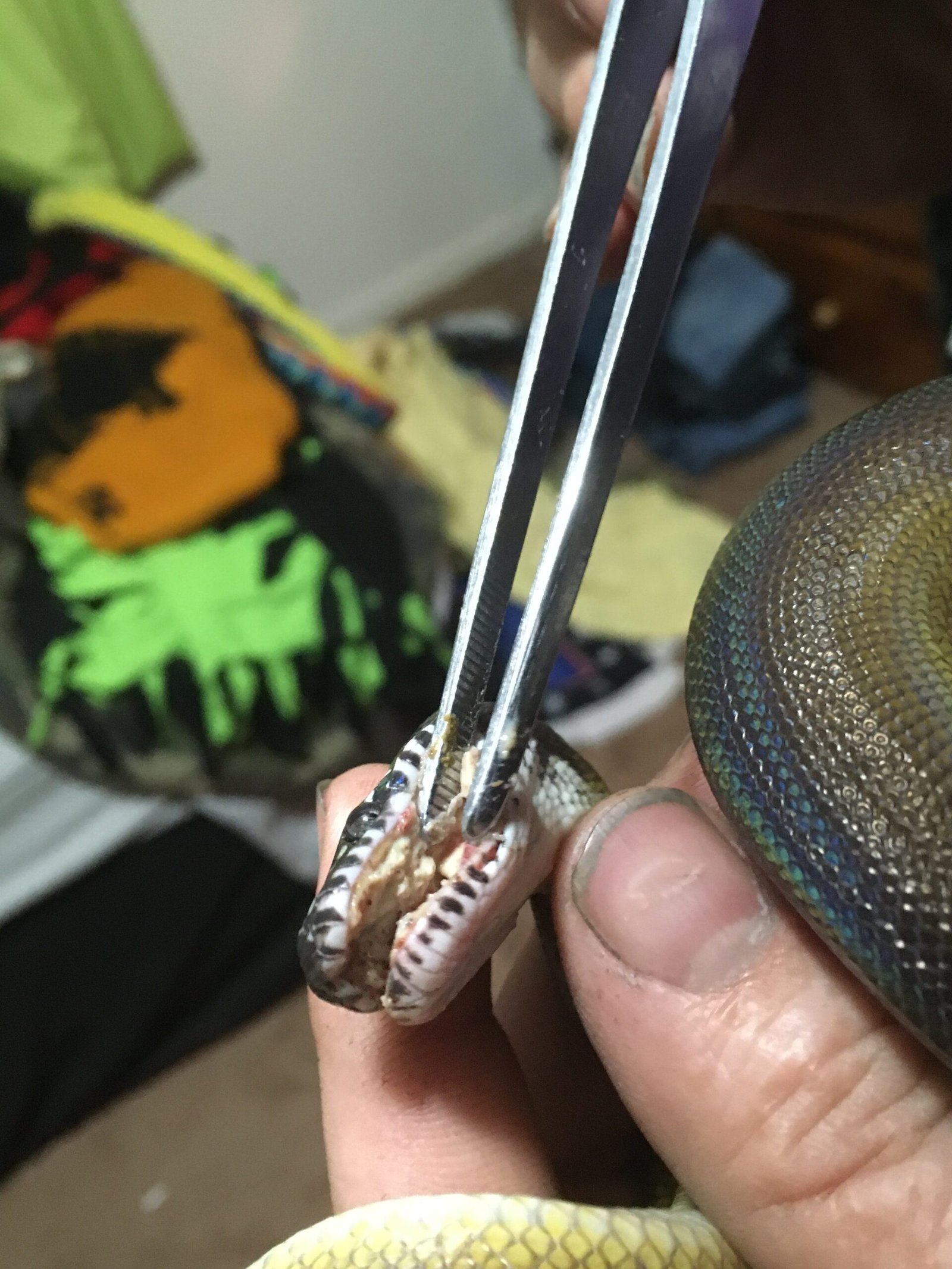
Mouth rot in reptiles is a bacterial oral infection that causes swelling, pus, and poor appetite.
I’ve treated and researched reptile mouth rot for years as a keeper and veterinary assistant, and this guide breaks down causes, signs, diagnosis, treatment, and prevention in plain language. Read on for practical steps you can use today to spot mouth rot early, work with your vet, and improve your pet’s long-term health.
What is reptile mouth rot?
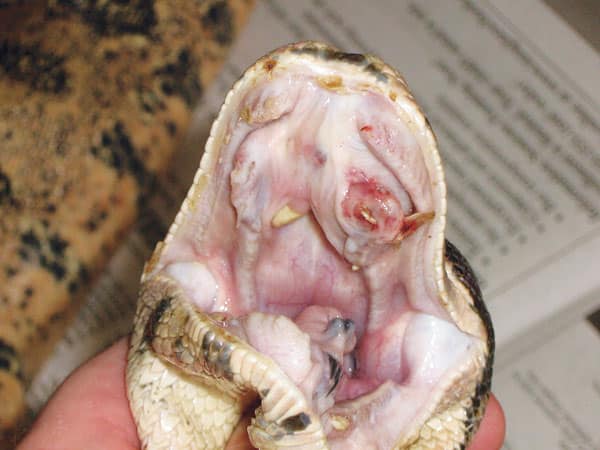
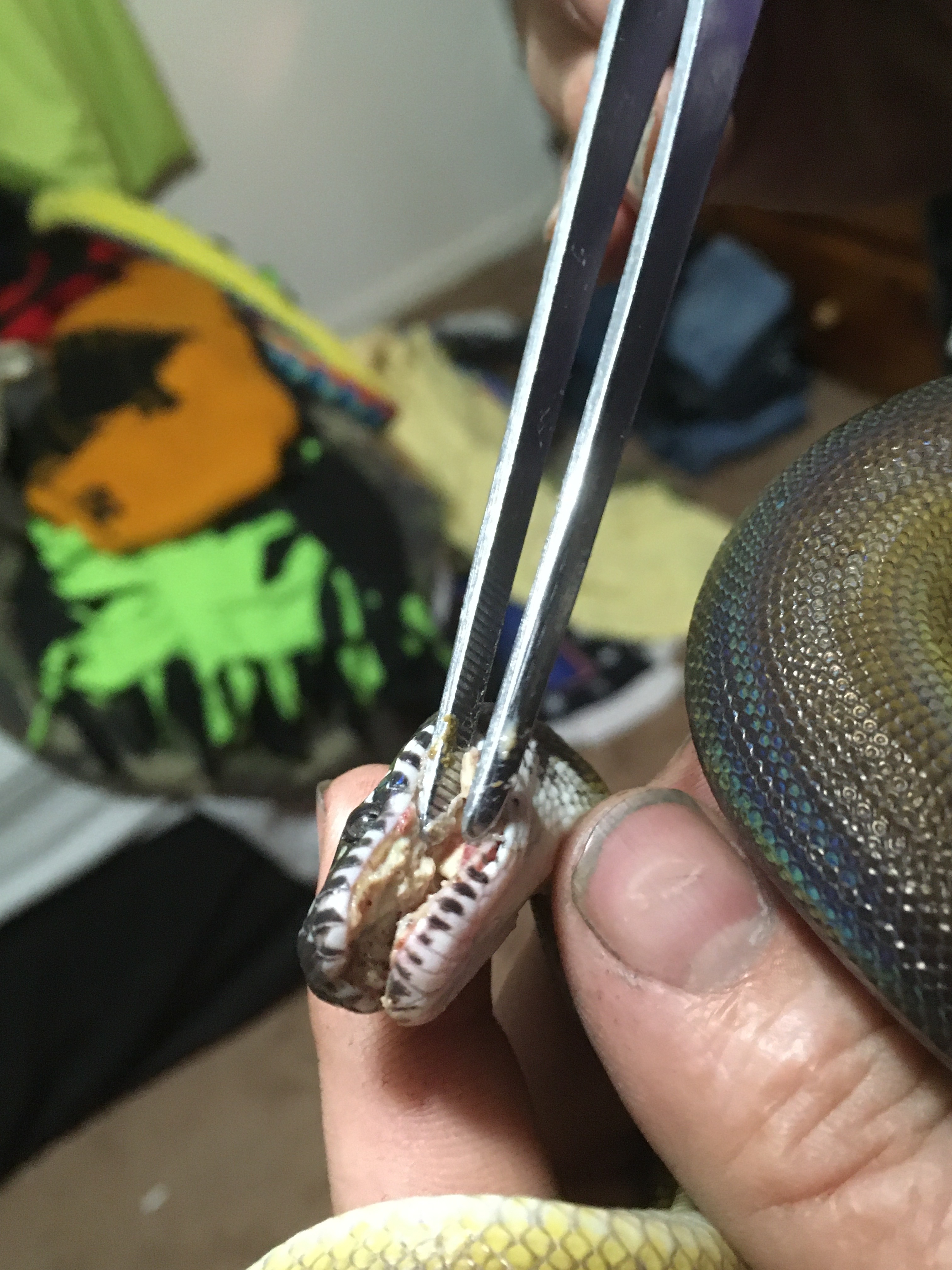
Reptile mouth rot, often called stomatitis, is an infection or inflammation of the oral tissues. It most commonly affects lizards, snakes, and turtles. Bacteria invade the mouth after injury, poor hygiene, or weakened immunity. The condition ranges from mild redness to deep ulcers and abscesses that stop reptiles from eating.
Causes of reptile mouth rot
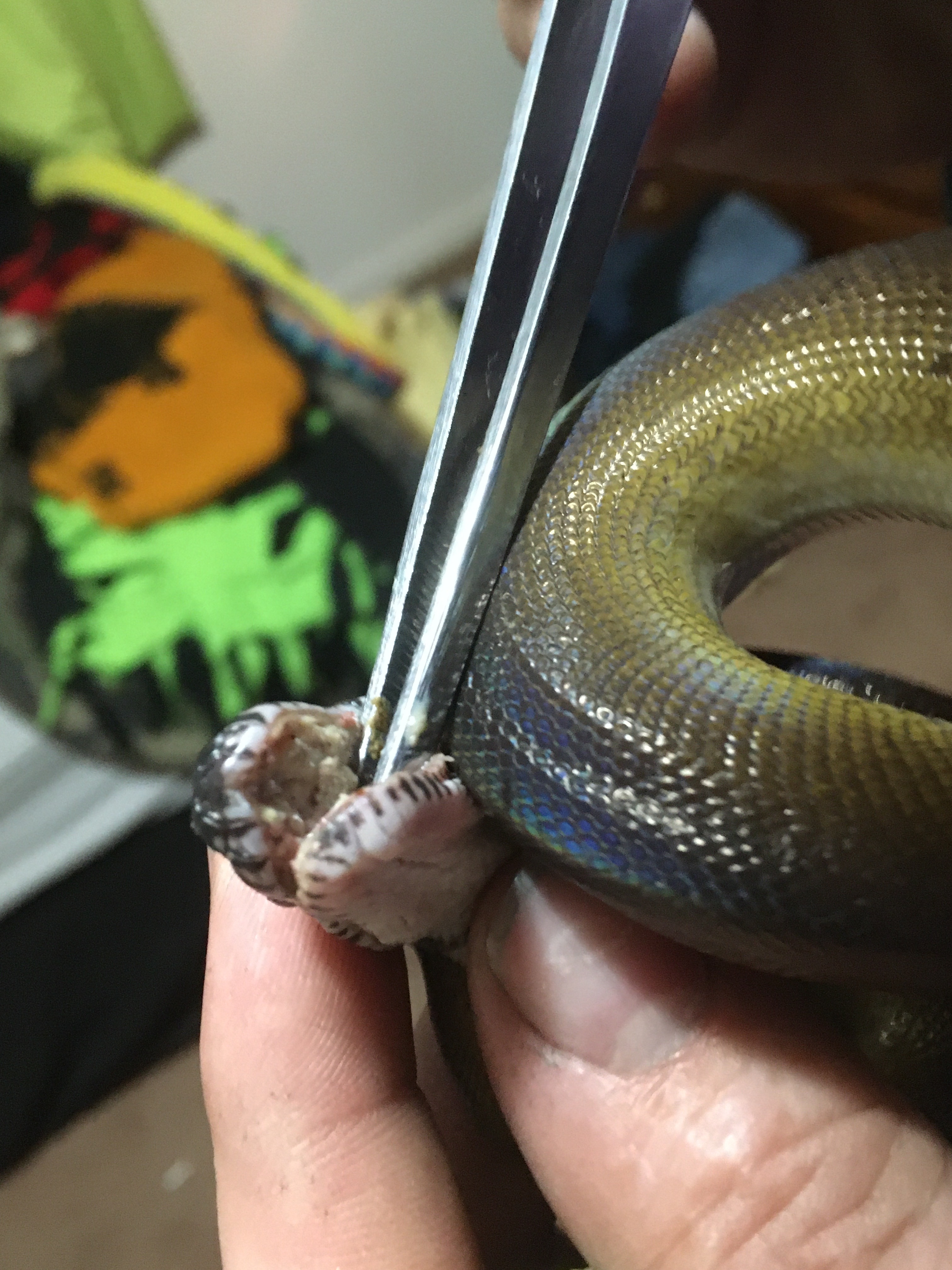
Reptile mouth rot has several common triggers. Knowing these helps prevent and treat the problem.
- Poor husbandry: Low temperatures and dirty enclosures let bacteria thrive.
- Dental or oral injuries: Sharp prey items, broken teeth, or rough substrates create entry points.
- Stress and immune suppression: Recent transport, overcrowding, or illness lowers resistance.
- Improper diet: Nutritional imbalances, especially vitamin A deficiency, can weaken oral tissues.
- Secondary infection: A viral or fungal problem may allow bacteria to overgrow.
From my experience with bearded dragons, poor heating followed by a minor mouth injury was the usual combo that led to mouth rot. Fixing the habitat and early vet care resolved most cases.
Signs and symptoms to watch for
Early detection improves outcomes. Look for these signs of reptile mouth rot.
- Loss of appetite or reluctance to bite
- Swelling of the lips, jaw, or inside the mouth
- White, yellow, or green pus or crusts on gums and tongue
- Bad breath and excess saliva
- Difficulty swallowing or regurgitation
- Lethargy and weight loss with more severe cases
If you notice any combination of these signs, isolate the animal and seek a veterinary exam.

Diagnosis and tests vets use
A proper diagnosis guides safe treatment. Vets use a few simple steps.
- Physical exam: A full oral inspection under safe restraint or sedation.
- Cytology and culture: Swabs from lesions are checked under a microscope and cultured to identify the bacteria.
- Blood tests: Basic bloodwork checks overall health and immune status.
- Imaging: X-rays or CT scans reveal deep abscesses or bone involvement.
Accurate identification of the bacteria helps the vet pick an effective antibiotic. I learned that a culture early in treatment saves time and reduces failed antibiotic courses.
Treatment options for reptile mouth rot
Treatment depends on severity. Mild cases may need only cleaning and local care. Severe cases require aggressive therapy.
- Professional oral cleaning and debridement under anesthesia
- Systemic antibiotics based on culture and sensitivity
- Topical antiseptic rinses or gels as directed by the vet
- Pain control and anti-inflammatories when prescribed
- Surgical drainage or removal of necrotic tissue for abscesses
Never use human oral medications or antibiotics without veterinary guidance. Wrong drugs or doses can harm reptiles.
Home care and supportive measures
Supportive care at home speeds recovery and reduces recurrence. Follow your vet’s plan closely.
- Keep the enclosure clean. Replace substrate if it’s likely contaminated.
- Maintain correct temperatures and humidity to support immune function.
- Offer soft, nutritious foods or syringe-feed if needed to maintain weight.
- Use daily gentle oral rinses if your vet approves a specific product.
- Isolate the affected reptile to prevent stress and cross-contamination.
I once helped a hobbyist restore a dragon’s health simply by improving basking temperature and switching to a digestible diet while the vet provided antibiotics.
Preventing reptile mouth rot
Good prevention focuses on habitat, handling, and diet.
- Maintain proper heating and lighting tailored to the species.
- Use safe substrates to avoid mouth abrasions.
- Quarantine new animals for at least 30 days and monitor oral health.
- Feed appropriate prey and gut-load or supplement as needed to avoid nutritional gaps.
- Handle gently and inspect the mouth regularly for early signs.
Prevention is simpler and cheaper than treating advanced mouth rot.
Prognosis and long-term management
Many reptiles recover fully with prompt care. Some cases become chronic or recur without better husbandry.
- Mild cases often recover in a few weeks with antibiotics and improved care.
- Deep infections or bone involvement may require longer treatment and carry a guarded prognosis.
- Regular follow-up with your vet and ongoing habitat checks reduce relapse risk.
Long-term management often means lifestyle changes: better tank setup, routine checks, and prompt vet visits when problems arise.

Frequently Asked Questions of reptile mouth rot
What causes reptile mouth rot?
Reptile mouth rot is usually caused by bacteria entering damaged oral tissue. Poor enclosure conditions, injury, and low temperature commonly allow infection to develop.
Can reptile mouth rot be cured at home?
Mild cleaning and habitat fixes help, but you should not treat severe cases at home. A vet needs to evaluate and prescribe appropriate antibiotics or procedures.
How long does treatment for reptile mouth rot take?
Treatment varies from two weeks for mild infections to several months for deep or bone-related cases. Follow-up exams ensure full recovery.
Are some species more prone to mouth rot?
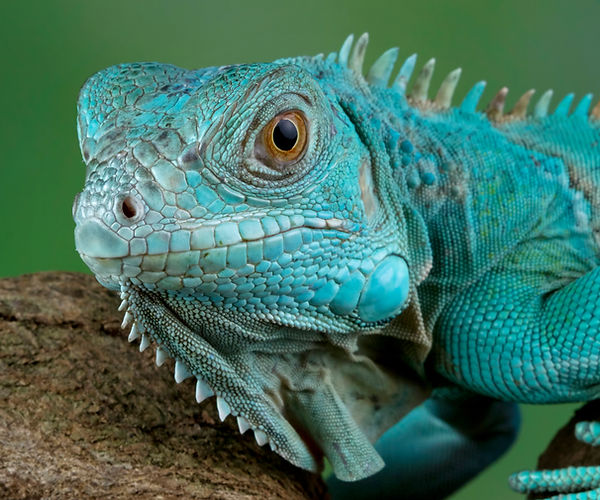
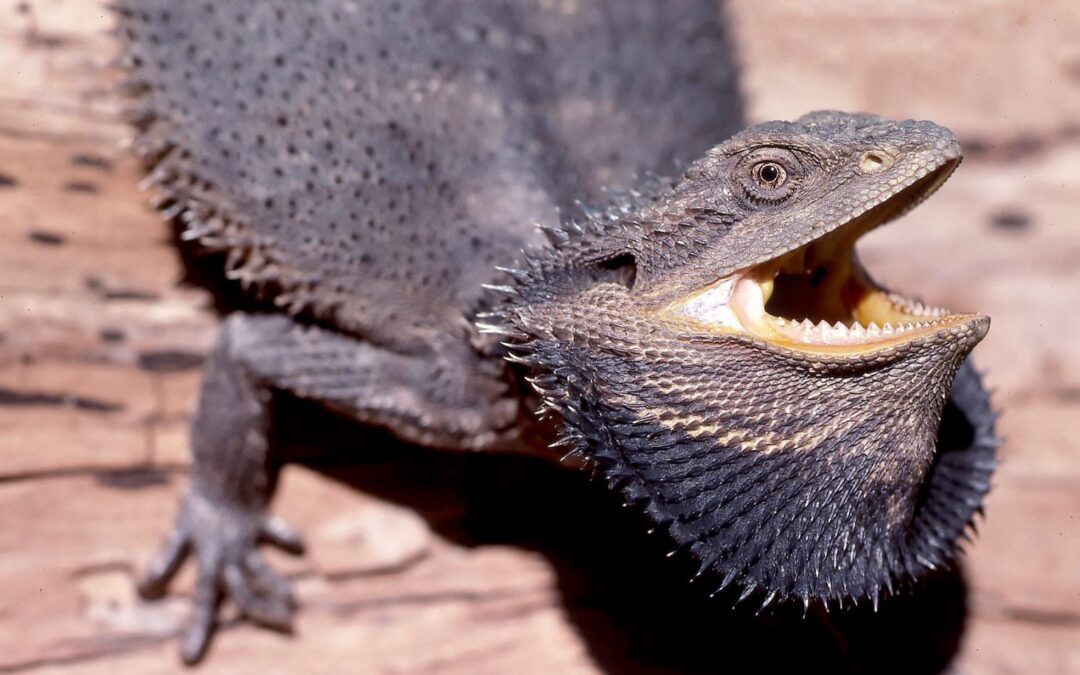
Lizards like bearded dragons and iguanas often show stomatitis, but any reptile can get mouth rot if conditions allow bacteria to invade oral tissue.
Will mouth rot come back after treatment?
Recurrence is possible if husbandry, diet, or enclosure hygiene don’t improve. Regular checks and proper temperatures lower the chance of relapse.
Conclusion
Reptile mouth rot is a serious but often manageable condition when caught early. Focus on correct husbandry, prompt veterinary care, and consistent follow-up to protect your pet. Take action today by checking your reptile’s mouth, improving any habitat issues, and scheduling a vet visit if you see signs. Share your experiences or questions below and subscribe for more practical reptile care guides.
