
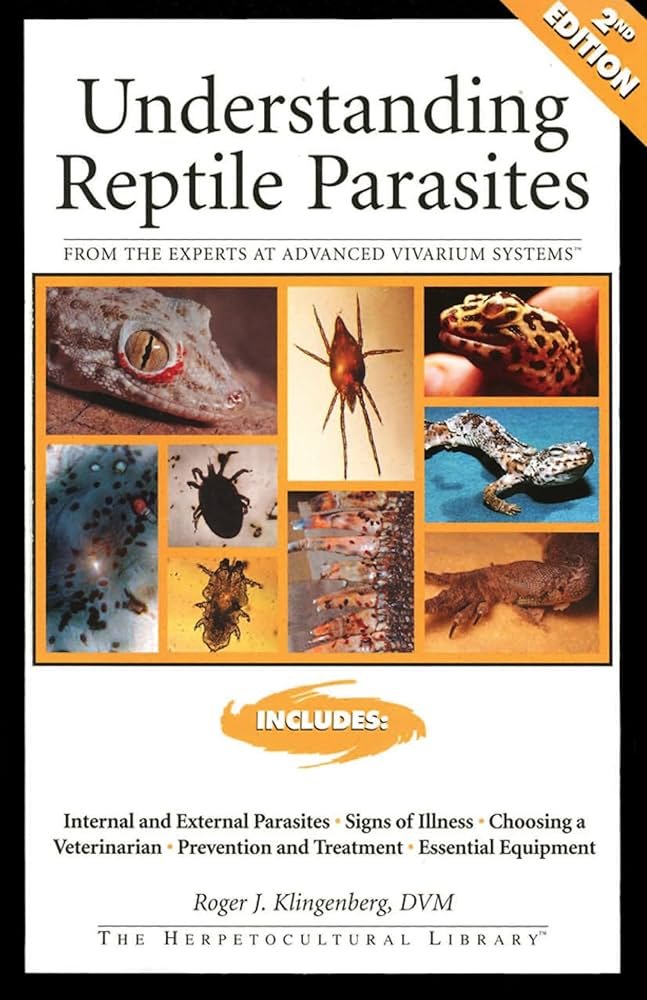
Reptile parasites symptoms often include weight loss, lethargy, abnormal stools, and visible skin or scale problems.
I’ve worked with reptile keepers and vets for years, and I know how subtle and scary reptile parasites symptoms can be. This guide breaks down what to watch for, which parasites cause which signs, how vets diagnose them, and what you can do at home to prevent and treat problems. Expect clear steps, real examples from my experience, and practical tips to protect your reptile’s health.

How to recognize reptile parasites symptoms
Reptile parasites symptoms can be subtle at first. Many reptiles hide pain and weakness, so small changes matter.
Common signs to watch for:
- Weakness or lethargy. A once-active reptile that hides more often may have internal parasites.
- Weight loss or poor appetite. Slow or steady weight loss is a top sign of internal parasites.
- Abnormal stools. Diarrhea, mucus, blood, or very foul-smelling droppings suggest a problem.
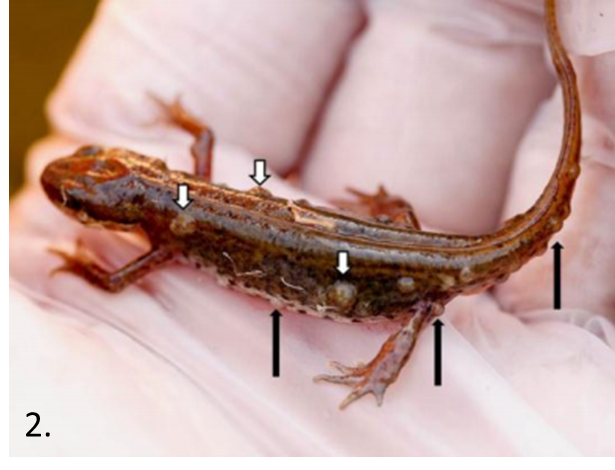
- Visible skin or scale changes. Patchy shedding, ulcers, or flaky skin can point to mites or other ectoparasites.
- Swollen or painful joints or tail base. Some parasites cause localized swelling or prolapse.
- Respiratory signs. Wheezing, bubbling at the nose, or open-mouth breathing can occur with heavy parasite loads or secondary infections.
- Sudden behavioral changes. Increased aggression, hiding, or unusual activity levels may indicate discomfort.
From my experience, owners often miss small appetite drops. A reptile that skips one meal may be fine, but repeated small refusals paired with weight loss almost always means check for parasites. Early detection improves success with treatment and recovery.

Common parasites that cause reptile parasites symptoms
Different parasites cause different reptile parasites symptoms. Below are the common groups and what they tend to do.
Protozoa (single-celled)
- Examples: coccidia, Giardia, Entamoeba.
- Symptoms: watery or mucoid stools, weight loss, lethargy. Tiny protozoa can cause chronic diarrhea.
Nematodes (roundworms)
- Examples: Capillaria, Ascarids.
- Symptoms: poor growth, weight loss, vomiting in some species, visible worms in feces sometimes.
Cestodes (tapeworms)
- Examples: various tapeworm species from feeders or wild prey.
- Symptoms: weight loss, lethargy, segmented eggs or segments in stool.
Trematodes (flukes)
- Less common in captive reptiles, but can cause GI distress and weight loss.
Ectoparasites (mites and ticks)
- Symptoms: scratching, skin irritation, visible tiny insects on skin, scabs, poor shedding, anemia with heavy infestations.
Fungal and bacterial opportunists
- Not parasites, but secondary infections often follow parasite damage and worsen symptoms like ulcers or respiratory disease.
I once treated a bearded dragon with chronic loose stools. Repeated fecal tests showed heavy coccidia load. After proper medication and diet change, the reptile gained weight in weeks. That case taught me to push for repeated tests when the first one is negative but signs persist.

How veterinarians diagnose reptile parasites symptoms
Accurate diagnosis guides treatment. Vets use a mix of tests and exams to confirm parasite causes.
Common diagnostic steps:
- Physical exam. Look for weight, skin issues, and body condition.
- Fecal flotation and direct smear. These identify eggs, cysts, and protozoa forms.
- PCR tests. More sensitive for some protozoa and hard-to-detect parasites.
- Skin scrape or tape prep. Used for ectoparasites and mites.
- Bloodwork. Checks for anemia, organ stress, or secondary infection.
- Imaging. X-rays or ultrasound can reveal large worm burdens or organ changes.
Repeat testing is often needed. A single negative fecal does not rule out parasites. In my practice, a second or third test after appropriate fasting or enema found parasites that first tests missed.

Treatment options for reptile parasites symptoms
Treatments vary by parasite and by species. Always follow a reptile-experienced vet’s instructions.
Common treatments:
- Antiprotozoals. Drugs like metronidazole or specific coccidiostats for protozoal infections.
- Anthelmintics. Fenbendazole, praziquantel, and others target nematodes and cestodes.
- Ivermectin caution. Effective for some parasites, but many reptile species are sensitive, so use only under vet guidance.
- Topical or environmental treatment. Mite sprays, pyrethroid-free products, and habitat cleaning kill ectoparasites.
- Supportive care. Fluids, nutritional support, and antibiotics for secondary infections.
- Follow-up testing. Verify clearance with repeat fecal exams.
I remember using fenbendazole for a snake with heavy roundworms. The drug cleared the worms but caused mild appetite loss for a few days. Supportive feeding and patient follow-ups helped the animal recover fully. This taught me to always monitor hydration and appetite during treatment.

Prevention and husbandry to reduce reptile parasites symptoms
Good care cuts the risk of parasite problems. Many reptile parasites symptoms stem from poor hygiene or stress.
- Quarantine new animals for at least 30–90 days and run fecal tests during quarantine.
- Clean enclosures regularly. Remove waste, disinfect surfaces, and replace substrate as needed.
- Use safe substrates. Avoid wild-collected soils that may carry parasite eggs.
- Feed safe prey. Buy feeder insects from reputable sources or freeze-thaw wild prey before feeding.
- Control humidity and temperature. Proper husbandry keeps the immune system strong.
- Regular vet checkups. Annual or semi-annual checks help catch issues early.
- Limit cross-contamination. Use separate tools for different enclosures and wash hands well.
In a shared clinic, I once tracked an outbreak of mites to a reusable hide not disinfected between patients. Proper cleaning stopped the spread fast. That showed me how small habits prevent big problems.

Monitoring and aftercare for reptile parasites symptoms
After treatment, watch closely. Even when symptoms improve, parasites can return.
Aftercare steps:
- Repeat fecal testing 2–4 weeks after treatment to confirm clearance.
- Track weight weekly and record appetite and stool quality.
- Watch for drug side effects like lethargy, vomiting, or skin reactions.
- Keep the enclosure clean and maintain stable husbandry to aid recovery.
- Ask your vet about probiotics or nutritional support if digestion is slow to recover.
When I followed up with owners, those who kept simple logs of weight and stool changes found relapses faster and got their pets treated sooner.
When to seek veterinary care for reptile parasites symptoms
Some signs are urgent. Seek care if you see:
- Severe lethargy or collapse.
- Continuous vomiting or refusal to eat for multiple feedings.
- Bloody stools, severe diarrhea, or dehydration.
- Respiratory distress like gasping or bubbles at the nostrils.
- Visible heavy mite infestations or open skin wounds.
Rapid care can be lifesaving. If you are unsure, call a reptile-experienced vet and describe the reptile parasites symptoms you see.

Frequently Asked Questions of reptile parasites symptoms
What are the earliest signs of reptile parasites symptoms?
Early signs include subtle weight loss, decreased appetite, and small changes in stool consistency. Watch behavior and body condition closely and record any change.
Can I test my reptile at home for parasites?
Home tests are limited and often unreliable. A vet-run fecal flotation or PCR is the best way to identify most reptile parasites.
How long after treatment will reptile parasites symptoms improve?
Improvement can start within days for appetite and within weeks for weight gain. Full recovery depends on parasite type, burden, and overall health.
Are some reptiles more prone to parasites than others?
Yes. Young, stressed, or poorly nourished reptiles are more prone to infections. Wild-caught animals also carry higher parasite risks.
Can parasites spread to other pets or humans?
Some reptile parasites are species-specific, but certain bacteria or zoonotic parasites can pose a risk. Practice good hygiene and keep reptiles away from high-risk people.
How often should I have my reptile checked for parasites?
Annual wellness checks are a good baseline; more frequent checks are advised if you see signs or if the animal is new or stressed. Quarantine testing is recommended for new additions.
Conclusion
Recognizing reptile parasites symptoms early and acting fast makes treatment easier and outcomes better. Keep an eye on appetite, weight, stool, and behavior, maintain clean housing, and work with a reptile-savvy vet for testing and treatment. Start simple: log your reptile’s weight and stool, quarantine new animals, and seek veterinary advice at the first sign of trouble. If this guide helped, consider subscribing for more reptile care tips or leave a comment about your experience.
