
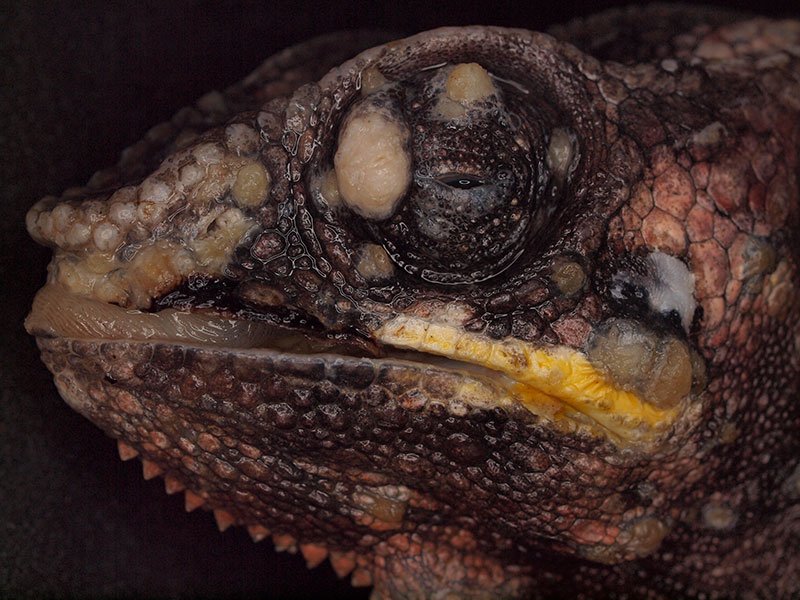
Reptile infection signs include lethargy, abnormal shedding, loss of appetite, swelling, and respiratory problems.
I have worked with reptiles and consulted vets for years, and I know how subtle and urgent reptile infection signs can be. This guide walks you through the most common signs, why they matter, how vets diagnose infections, and practical steps you can take at home to help your pet. I combine hands-on experience, clinical insight, and clear checklists so you can spot problems early and act with confidence.
Understanding reptile infection signs
Reptile infection signs are the body’s signals that something is wrong. They often start small. Owners frequently miss early warning signs because reptiles hide illness well. Learning the patterns helps you catch problems before they become severe.
Common general signs to watch for:
- Lethargy or reduced activity. Reptiles that stay in their hide more often than usual may be ill.
- Loss of appetite or weight loss. A healthy reptile eats regularly for its species and life stage.
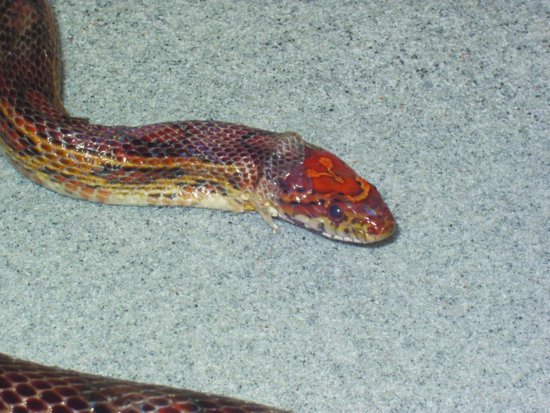
- Abnormal shedding. Incomplete sheds, retained eye caps, or skin wounds with shedding problems are red flags.
- Swelling or lumps. Localized swellings can indicate abscesses or systemic infection.
- Respiratory signs. Wheezing, open-mouth breathing, or bubbles at the nostrils signal respiratory infection.
- Changes in feces. Diarrhea, mucous, or parasites in stool suggest infection or internal parasites.
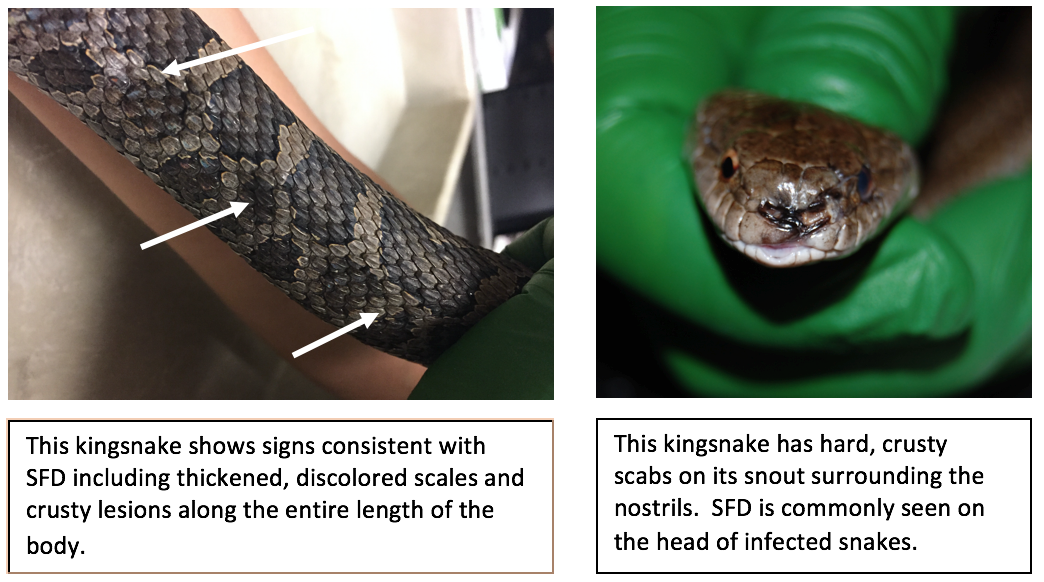
- Discolored or smelly skin or mouth. Dark spots, pus, or foul odors often point to bacterial or fungal infection.
Reptile infection signs will vary by species and by the type of infection. Always compare current behavior to baseline behavior for your animal. Early detection improves outcomes and lowers treatment cost.

Most common infections and their typical signs
Respiratory infections
- Signs: wheezing, open-mouth breathing, bubbles or discharge around nose and mouth, lethargy, decreased appetite.
- Notes: Often caused by bacteria secondary to poor temperature or humidity.
Skin and shell infections
- Signs: discolored or soft shell in turtles, scabs, ulcers, or white fuzzy growths on skin.
- Notes: Bacterial and fungal agents thrive on damp, unclean surfaces.
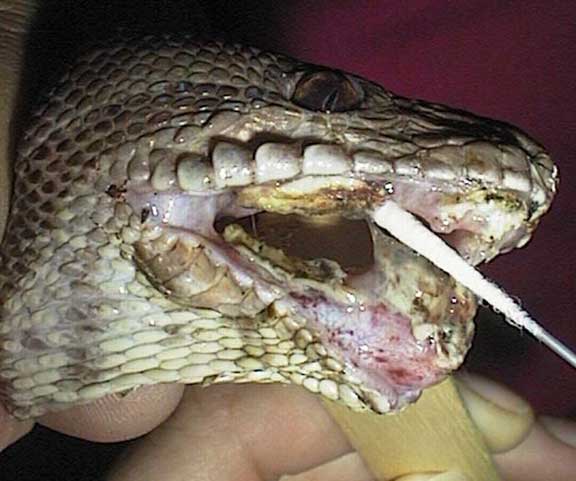
Mouth infections (stomatitis)
- Signs: swollen gums, pus or thick saliva, reluctance to eat, gaping or mouth discoloration.
- Notes: Common in snakes and lizards after stress or injury.
Internal parasites and bacterial infections
- Signs: weight loss, diarrhea, blood in stool, poor growth in juveniles.
- Notes: Wild-caught reptiles have higher parasite loads.
Inclusion body disease and viral syndromes (notable in snakes)
- Signs: neurological signs like corkscrew movements, regurgitation, severe weakness.
- Notes: Viral infections need strict biosecurity and vet diagnosis.
Each infection type shows overlapping reptile infection signs. That overlap makes it essential to act early and get a vet involved when signs persist.
Causes and risk factors that lead to infection
Poor husbandry
- Inadequate temperatures and humidity reduce immune function.
- Dirty enclosures promote bacterial and fungal growth.
Stress and overcrowding
- Frequent handling, poor hides, and crowded tanks increase stress and spread disease.
Dietary deficiencies
- Lack of proper nutrients weakens defenses and slows healing.
Wild or newly acquired animals
- Wild-caught reptiles often carry parasites and pathogens they hide for months.
Co-infections and underlying disease
- A small wound or parasite load can open the door to more serious infections.
Understanding these causes helps you remove the root factors. Most reptile infection signs are preventable with simple changes in care.
Diagnosis: what veterinarians look for
A vet will assess history and examine the animal closely. They may perform:
- Physical exam for swelling, wounds, and respiratory sounds.
- Skin or oral cytology to spot bacteria, yeast, or fungal cells.
- Fecal float to detect parasites.
- Blood tests to evaluate organ function and infection markers.
- Radiographs or ultrasound for internal problems.
I once saw a bearded dragon with subtle weight loss. Lab tests revealed a low-grade bacterial infection linked to an imbalanced diet. Early testing shortened treatment and prevented a hospital stay.
Timely vet diagnosis reduces guessing and speeds recovery. If you see persistent reptile infection signs, seek veterinary care quickly.

Treatment options and safe home care
Veterinary treatments vary with the cause. Common therapies include:
- Targeted antibiotics or antifungals based on culture or vet judgment.
- Antiparasitic medications for internal and external parasites.
- Supportive care: fluids, thermal support, and nutritional assistance.
- Wound cleaning and topical therapy for skin infections.
- Hospitalization for severe cases or when assisted feeding is needed.
Home care tips to support treatment:
- Keep temperatures stable and species-appropriate.
- Offer easy-to-digest food or assisted feeding if advised.
- Follow full medication courses; stopping early can cause resistance.
- Keep the enclosure clean and change substrate if contaminated.
Never self-prescribe human medications or antibiotics. A wrong drug or dose can harm your reptile. Always follow your vet’s dosing and monitoring instructions.
Prevention and best husbandry practices
Prevention is the best medicine for reptile infection signs. Use this practical checklist:
- Maintain correct temperature gradient and basking spot for your species.
- Provide proper humidity levels and ventilation to prevent mold.
- Use UVB lighting for species that need it and replace bulbs on schedule.
- Keep the enclosure clean: remove waste daily and deep-clean regularly.
- Quarantine new animals for at least 30–90 days and do fecal checks.
- Feed a balanced diet and supplement as needed for species requirements.
- Reduce stress: provide hides, proper substrate, and predictable routines.
Good records help. Track weight, feedings, shed quality, and stool. Small changes caught early prevent larger problems.

Monitoring recovery and long-term care
Track progress with simple measures:
- Record weight twice a week. Any continued decline is a warning.
- Note appetite and stool quality daily.
- Photograph wounds or skin lesions weekly to compare healing.
- Keep follow-up vet visits as recommended and finish medication courses.
Signs of improvement include increased activity, normalized appetite, and clearer eyes and nose. If reptile infection signs reappear after stopping treatment, return to the vet. Long-term care may include diet changes and habitat upgrades to prevent relapse.
Personal experience and lessons learned
I once treated a corn snake whose owner reported only "looking dull." The snake had a mild respiratory infection that progressed because temperatures were low at night. Fixing the night temp and starting treatment resolved symptoms in two weeks.
Lessons I learned:
- Trust small changes. Even slight appetite loss can mean infection.
- Keep a simple journal. It catches trends I would miss otherwise.
- Quarantine new animals. It saved me from a nasty outbreak once.
Common mistakes to avoid:
- Using human meds without vet advice.
- Ignoring subtle behavior changes.
- Assuming all shedding problems are normal.
These small shifts in practice protect your pet and save stress and money later.
Frequently Asked Questions of reptile infection signs
What are the first signs of an infection in reptiles?
The first signs are often subtle: reduced activity, a small drop in appetite, or a dull appearance. Watch for changes from the animal’s normal routine.
How fast can reptile infections progress?
Progression depends on the infection type and the animal’s health. Some bacterial infections worsen in days, while others develop over weeks.
Can I treat reptile infection signs at home?
You can support your pet with proper temperatures and hydration, but specific treatments require a vet. Avoid giving antibiotics or human drugs without professional guidance.
When should I see a veterinarian for reptile infection signs?
See a vet if signs last more than 48–72 hours, if breathing changes, or if your reptile shows severe lethargy or swelling. Early vet care often prevents severe outcomes.
Are some species more prone to infections than others?
Yes. Wild-caught reptiles and those kept in improper conditions are more prone to infections. Species with delicate skin or specific humidity needs may show more skin or respiratory problems.
Conclusion
Spotting and acting on reptile infection signs early makes a big difference. Use the checklists here, keep good records, and contact a reptile-savvy vet when signs persist or worsen. Start today by reviewing your pet’s habitat, noting any small changes, and scheduling a checkup if you see troubling signs. Share your experiences, subscribe for more care tips, or ask questions below — your pet’s next check could be the one that saves them.
