
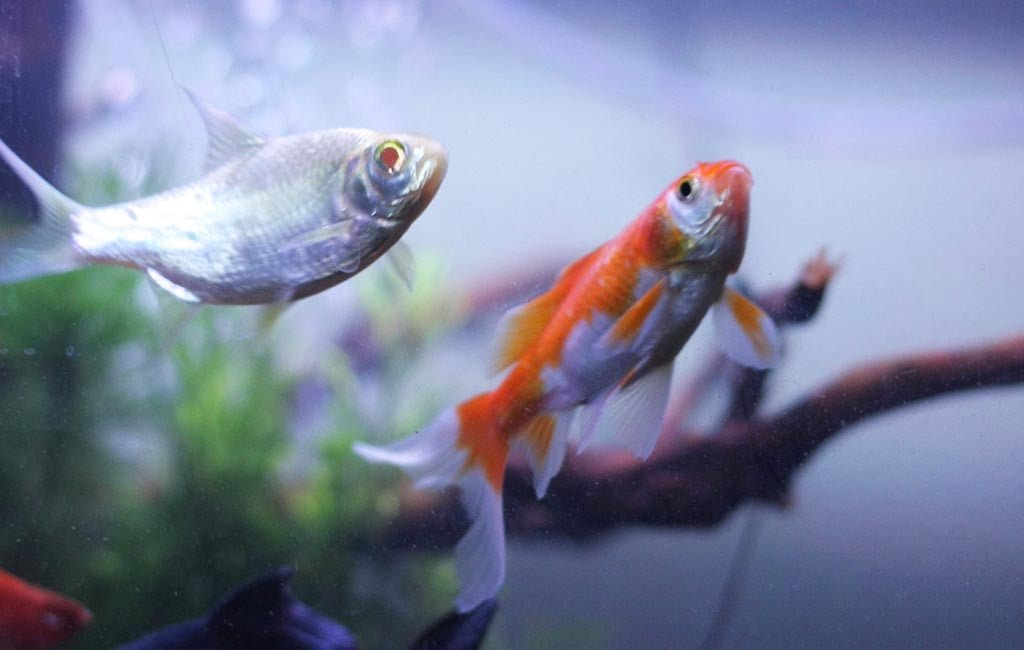
Fish gasping surface usually means low oxygen, poor water quality, or acute stress.
I have worked with fish for years and seen many tanks where fish gasping surface was the first clear sign of trouble. In this guide I explain why fish gasp at the surface, how to find the root cause, and what to do right away. I combine hands-on tips, test steps, and simple fixes you can use today to stop fish gasping surface and protect your pets or local waters.
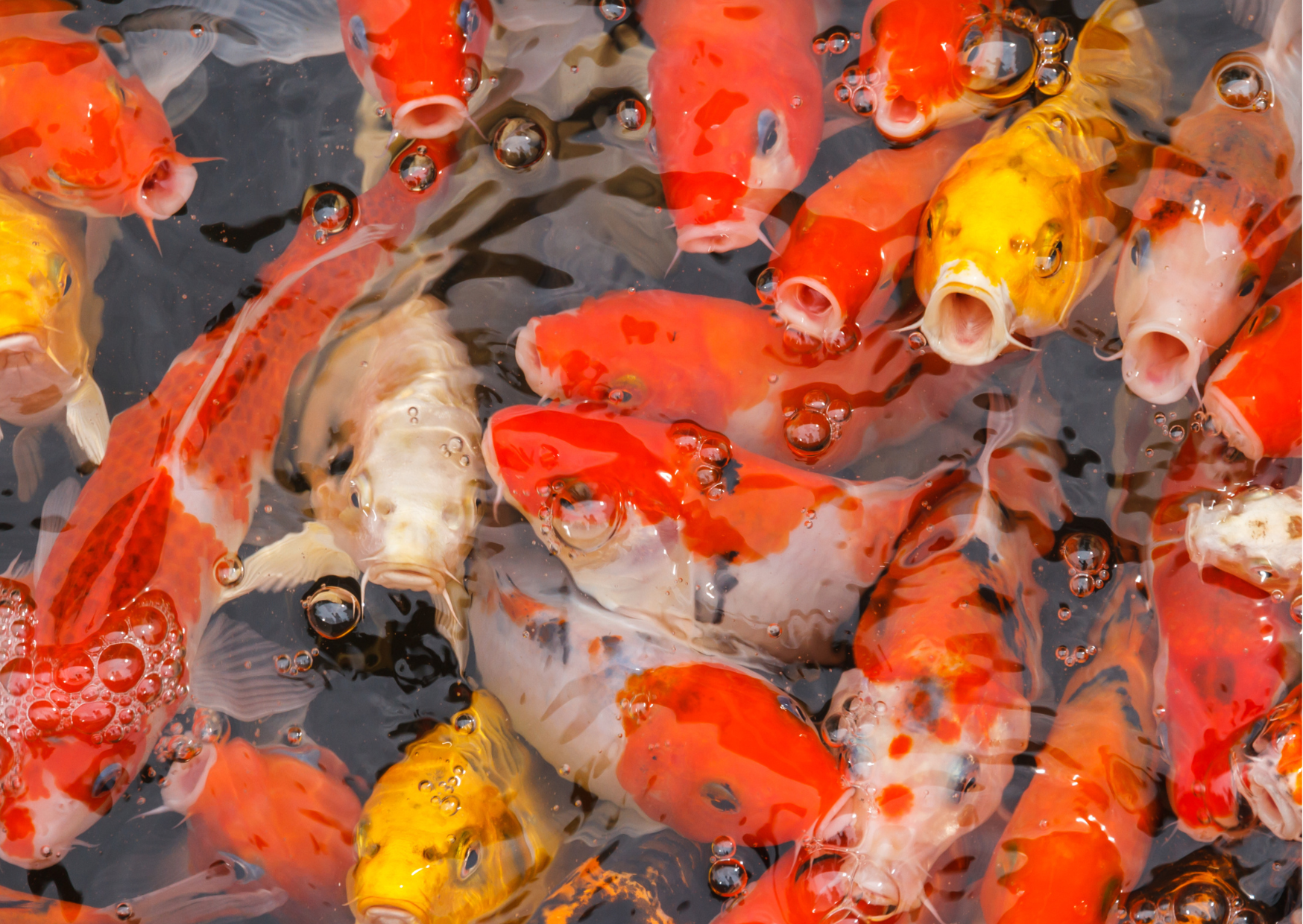
Why fish gasp at the surface
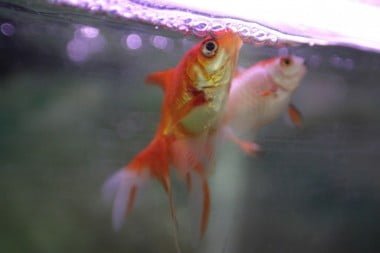
Fish gasping surface happens when fish come up and take quick, shallow breaths at the water top. This behavior usually shows a lack of oxygen or poor water quality. When I first kept a community tank, the goldfish started gasping surface before any other signs appeared. Catching this early let me save every fish with simple fixes.
Common causes and how to check them
Fish gasping surface can come from many issues. Check each item below to find the likely cause.
- Low dissolved oxygen — Poor oxygen makes fish crowd the top and gasp. Check with a simple oxygen test or watch plant decay and heavy stocking.
- High ammonia or nitrite — These toxins harm gills and cause gasping surface as fish struggle to breathe. Test water for ammonia and nitrite.
- High temperature — Warm water holds less oxygen. Measure temperature and compare with species needs.
- Poor circulation — Weak filter flow or blocked intake lowers oxygen near the tank bottom. Inspect and clean equipment.
- Surface film or oil — A film can stop gas exchange and force fish to gasp surface. Gently skim or clean the surface.
- Overcrowding and stress — Too many fish raise oxygen use and stress, increasing gasping surface episodes.
- Disease or gill damage — Parasites and infections can cause gasping surface by damaging gill tissue.

Immediate steps to help a gasping fish
Act fast if you see fish gasping surface. These steps help most emergencies.
- Increase aeration — Add an air stone or turn on an extra pump to raise oxygen fast. Place air near the surface.
- Do a partial water change — Replace 20–50% of the water with matched, dechlorinated water to dilute toxins. This often stops fish gasping surface quickly.
- Lower temperature slightly — Move a heater down a few degrees or use a fan on the water to cool the tank. Cooler water holds more oxygen.
- Reduce crowding — Move some fish to a holding container with clean, oxygenated water if possible.
- Turn off lights and reduce stress — Keep the room calm and dim to lower oxygen use and stress.
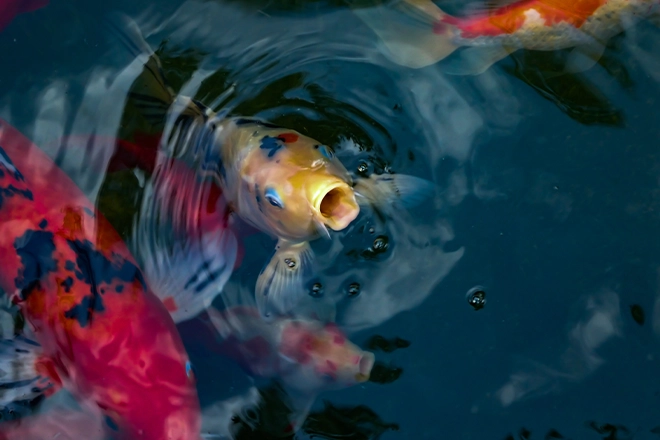
Testing and diagnosing water issues
Good tests reveal why your fish are gasping surface. Use these checks in order.
- Test kit routine — Measure ammonia, nitrite, nitrate, pH, and temperature. Repeat tests after any change.
- Dissolved oxygen test — A DO meter or test kit shows oxygen levels and confirms gasping surface due to low oxygen.
- Visual checks — Look for surface film, dead plants, excess waste, or filter blockage.
- Observe behavior — Are all fish gasping surface or just a few? Widespread gasping surface points to water issues; single fish may be ill.
- Check recent changes — New fish, new decorations, or added chemicals can trigger gasping surface.
Treatment options: short term and long term
Treat both the immediate problem and the cause to stop fish gasping surface from returning.
Short-term actions
- Aerate and water change — Fast fix that stops gasping surface in many cases.
- Salt treatment for freshwater — Low-dose aquarium salt can reduce stress and support gill function. Use species-safe dosing.
- Medicate if needed — If tests or signs suggest disease, use targeted treatments. Follow directions and isolate sick fish when possible.
Long-term solutions
- Improve filtration and flow — A better filter and stronger flow reduce events of fish gasping surface.
- Regular maintenance — Weekly water checks and partial changes prevent toxin buildup and oxygen dips.
- Proper stocking and feeding — Keep fish numbers reasonable and avoid overfeeding to limit waste that causes gasping surface.
- Add live plants wisely — Plants add oxygen by day, but too many decaying plants can harm oxygen at night. Balance plant load to prevent fish gasping surface long-term.
:strip_icc()/GettyImages-1343085391-1b0e478a780a40598d45bc25ccf066a7.jpg)
Preventing fish gasping surface problems
Prevention saves lives and time. Use this easy checklist to reduce risk.
- Test water weekly — Keep records to spot patterns before fish gasping surface happens.
- Do small, regular water changes — This keeps toxins low and oxygen stable.
- Match fish to tank size — Avoid crowding that triggers fish gasping surface.
- Maintain filters and pumps — Clean or replace media on a schedule.
- Monitor temperature daily — Use a stable heater and alarm if possible.
- Use air stones during heat or heavy stocking — Extra aeration reduces fish gasping surface risk.

Gasping at surface in ponds and wild fish
Fish gasping surface in ponds or lakes can mean the whole water body is stressed. Causes often mirror tanks but on a larger scale.
- Algae blooms and eutrophication can cause low oxygen and large-scale fish gasping surface events.
- Nighttime oxygen crashes are common in shallow ponds with heavy plant load and can cause mass fish gasping surface.
- Weather and runoff bring pollutants that lead to sudden fish gasping surface in wild waters.
If you see many wild fish gasping surface, report to local authorities and avoid fishing or adding stress to the site.

Personal experiences and lessons learned
Years ago I lost a batch of fry after ignoring mild gasping surface for a week. I learned to act fast. Now I keep spare aeration and a simple test kit on hand. When I spot fish gasping surface, I start oxygen and test water within minutes. That habit has saved many fish and reduced panic.
Key lessons I learned
- Quick action matters — Small steps stop big losses.
- Data helps — Test results guide correct fixes, rather than guesswork.
- Keep calm and steady — Fish respond well to consistent, simple care when gasping surface shows up.

Frequently Asked Questions of fish gasping surface
Why are my fish gasping surface after a water change?
A sudden water change can alter temperature or pH. If fish start gasping surface, check that new water matches tank conditions and that no chlorine or shock is present.
Can low oxygen cause only some fish to gasp at the surface?
Yes. Weaker or sick fish often show gasping surface first. If only a few are affected, test water and inspect those fish for disease or gill damage.
How fast should oxygen levels rise to stop fish gasping surface?
Oxygen should improve within minutes to an hour after aeration or water change. If fish keep gasping surface after an hour, seek further tests and treatment.
Is gasping at the surface always an emergency?
Not always, but it is a warning sign. Short, mild events can be fixed quickly. Repeated or widespread fish gasping surface needs fast action to avoid mass loss.
Will adding plants stop fish gasping surface?
Plants help daytime oxygen, but they can use oxygen at night. Use balanced planting and ensure good flow; plants alone may not prevent fish gasping surface.
Should I remove all fish if they are gasping surface?
You can move some to clean, oxygenated water if space and gear allow. Removing all fish is not always needed. Focus on fixing oxygen and water quality first to stop fish gasping surface.
Conclusion
Fish gasping surface is a clear sign that fish need help now. Test water, add aeration, and do quick water changes as first steps. Then fix root causes with better filtration, proper stocking, and regular care. Take action early and keep a simple emergency kit on hand to protect your fish. Try these steps, track your results, and share your questions or wins in the comments to help others learn.
