
Fish white spots usually mean ich, a common parasite that looks like tiny salt grains.
I have cared for aquariums for years, treated outbreaks, and learned what truly works for fish white spots. This guide explains causes, signs, diagnosis, and step-by-step care. I will share my own mistakes and clear tips you can use right away to stop fish white spots and keep your tank healthy.
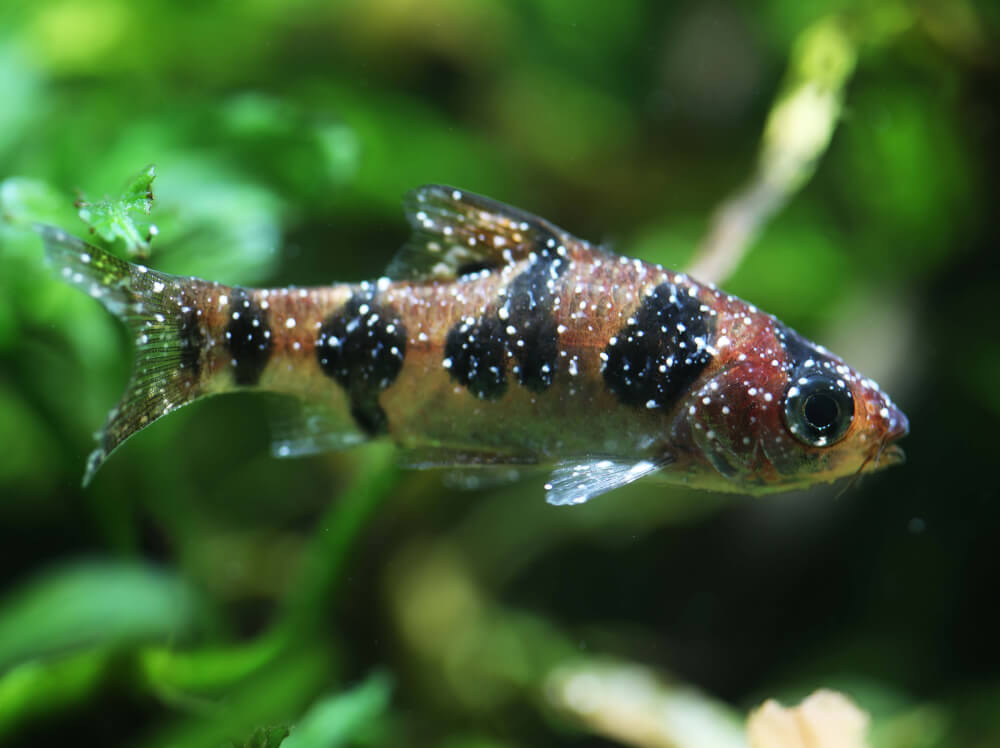
What are fish white spots?
Fish white spots are small pale dots on fish skin, fins, or gills.
Most often they are caused by a parasite called ich. Ich is short for Ichthyophthirius multifiliis.
White spots can also come from fungus, stress, or injury.
Spotting the correct cause matters for the right treatment.
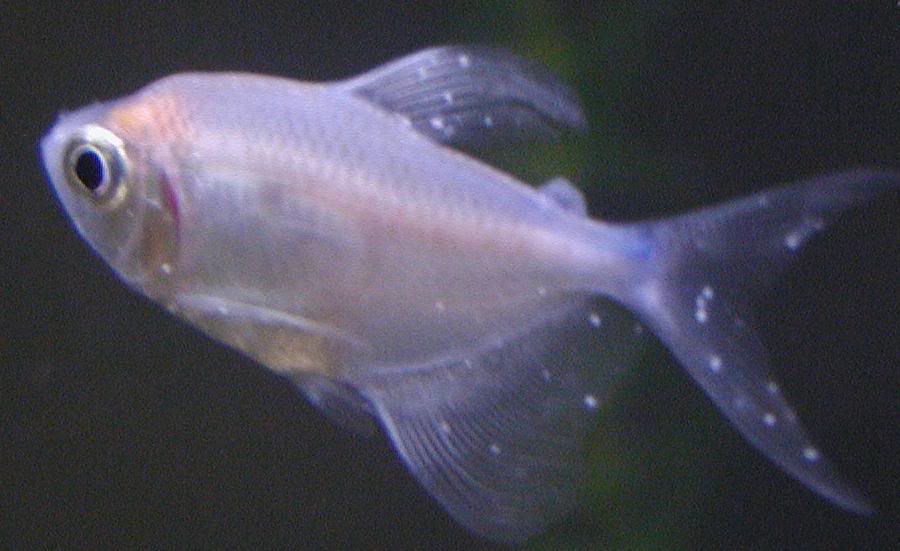
Common causes of fish white spots
- Ich parasite infection, the most common cause of fish white spots. It attaches to the fish and looks like tiny salt grains.
- Fungal growth that shows as cottony white patches and not tiny grains.
- Bacterial infections that can cause pale or white sores.
- Poor water quality that stresses fish and makes spots more likely.
- New fish introduction without quarantine, which often brings ich or other pathogens.

How to tell ich from other issues
- Appearance: Ich looks like many tiny white dots across body and fins.
- Movement: Ich spots do not move on the fish. Velvet disease shows a dusty, gold sheen that may move.
- Texture: Fungus looks fluffy or cotton-like, not grain-like.
- Behavior: In ich, fish may scratch on decor, breathe fast, or hide. These signs help tell fish white spots apart from other problems.
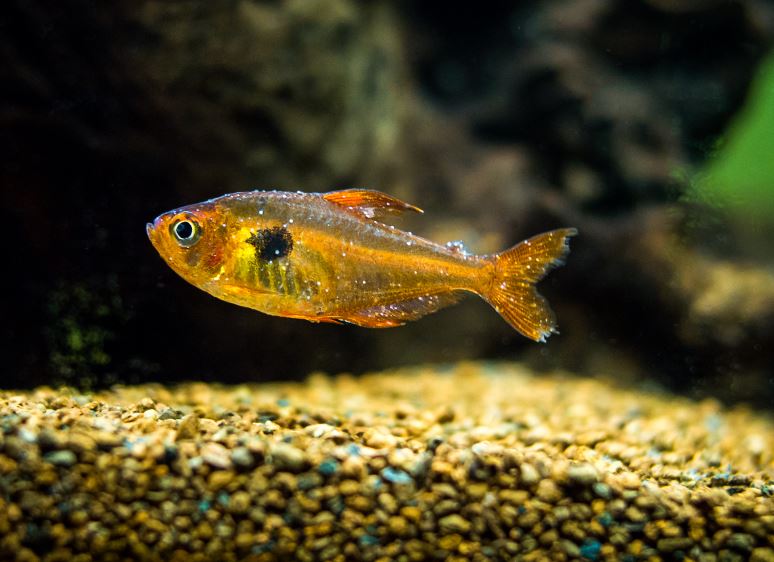
Diagnosing fish white spots step by step
- Observe fish closely under good light for dot shape and spread.
- Check gill movement and breathing rate. Fast breathing can mean gill damage.
- Test water chemistry: ammonia, nitrite, nitrate, pH, and temperature. Bad water makes spots worse.
- Quarantine any new or sick fish for at least two weeks to watch for signs.
- If unsure, take photos and ask an experienced aquarist or aquatic vet.

Treatment options for fish white spots
- Raise tank temperature gradually by 2–3°F for warm-water fish. This speeds the parasite life cycle and makes treatments work faster.
- Use anti-ich medications according to product directions. Common options target the free-swimming stage.
- Add aquarium salt in safe doses for species that tolerate it. Salt can help some fish fight ich.
- Do repeated water changes and vacuum the substrate to remove free-swimming parasites.
- Treat the whole tank; moving fish between tanks can spread ich.
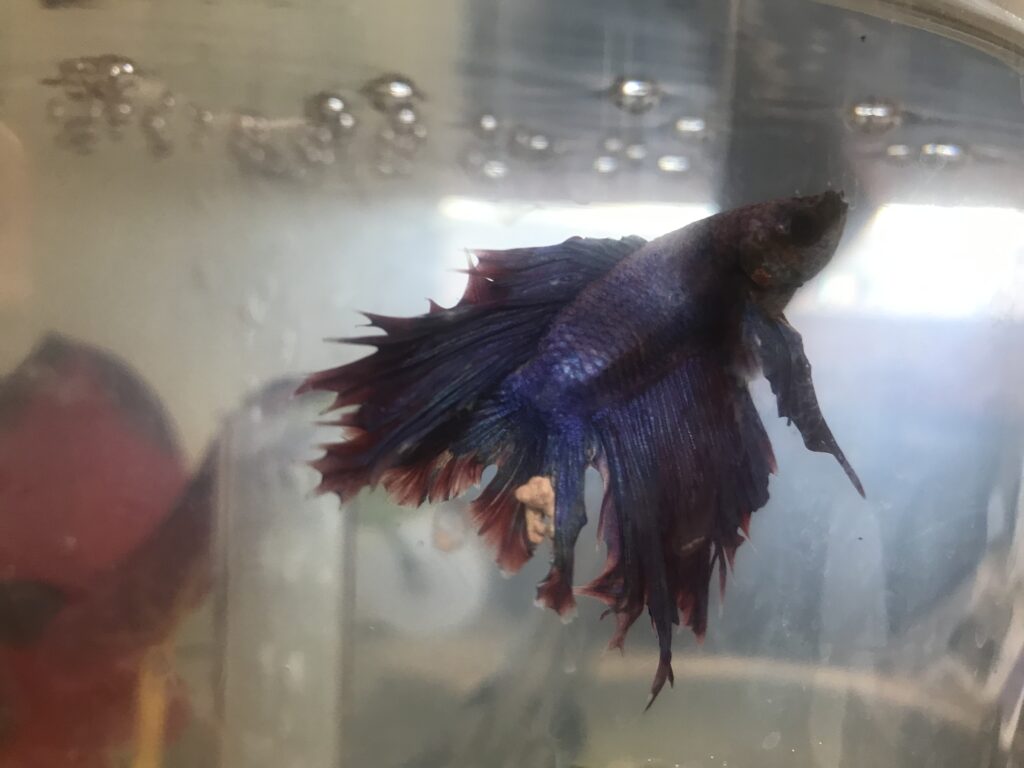
My real-world experience treating fish white spots
When I first saw ich in my school of tetras, I panicked. I tried meds and salt at once and stressed the fish more. I learned to test water first, then treat gently and steadily. A slow temp raise and three doses of medication, plus two big water changes, cleared the ich within two weeks. I now always quarantine new fish for 21 days. That step saved me from repeat outbreaks.

Prevention and long-term care
- Quarantine new fish and plants for 2–4 weeks before adding them to the main tank.
- Keep stable water quality. Test weekly and keep ammonia and nitrite at zero.
- Feed a balanced diet to boost fish immunity. Healthy fish resist infections better.
- Clean filters and vacuum substrate regularly to remove eggs and cysts.
- Maintain a stable temperature suited to your fish species to reduce stress.

When to call a vet or expert
- If many fish show severe signs like gasping or rapid loss of color.
- If treatment does not reduce spots after the full course.
- If you keep sensitive species that react badly to salt or meds.
- An aquatic vet can run tests and recommend safe drugs for your species.
Common mistakes to avoid
- Treating only visible sick fish and not the whole tank. Ich spreads from hidden carriers.
- Doubling medication dose out of fear. Overdosing can hurt fish and bacteria in filters.
- Skipping quarantine for new additions. This is the main cause of outbreaks in home tanks.
- Ignoring water quality. Poor water often causes or worsens fish white spots.
Quick care checklist for a fish white spots outbreak
- Isolate very weak fish if possible.
- Test water and correct ammonia or nitrite immediately.
- Gradually raise temperature for warm-water species by 2–3°F.
- Start a recommended ich medication and follow the full schedule.
- Do frequent small water changes and clean the substrate.
Safety and species notes
- Some fish, like scaleless species and invertebrates, do not tolerate salt or certain meds. Always check species needs.
- Live plants can be sensitive to treatments. Remove or protect them if needed.
- Carefully follow med instructions and mark doses on a calendar.
Frequently Asked Questions of fish white spots
What exactly causes fish white spots?
Most white spots come from the ich parasite. They can also come from fungus, bacteria, or poor water. Correct diagnosis is key.
How long does ich take to clear?
With proper treatment, ich often clears in 7–14 days. Complete life cycle control may take up to three weeks.
Can I use salt to treat fish white spots?
Yes, aquarium salt helps many fish with ich, but not all species or invertebrates can tolerate salt. Check species tolerance first.
Will the fish fully recover after white spots?
Many fish recover fully if treated early and water quality is restored. Severe or late cases can cause lasting damage or death.
How do I prevent future fish white spots?
Quarantine new fish, keep stable water, feed well, and clean filters. These steps greatly lower the risk of future outbreaks.
Conclusion
Fish white spots are common but treatable. Spot the cause early, test the water, and use safe, steady treatment steps. From my years of aquarium care, quarantine and water care are the best prevention. Start acting early, follow a clear plan, and your fish have a strong chance to recover. Try these steps, subscribe for more tank tips, or share your experience in the comments.
