
Fish cloudy eyes often signal infection, poor water, injury, or age-related changes.
I have worked with aquariums and ornamental fish care for years, and I know how alarming fish cloudy eyes can be. This article explains causes, diagnosis, treatment, and prevention of fish cloudy eyes in plain language. You will get practical steps you can use at home and guidance on when to call a vet. Read on to protect your fish and restore clear vision where possible.
What causes fish cloudy eyes?
Cloudy eyes in fish come from many things. Poor water quality is the top cause. High ammonia or nitrite levels burn tissue and cloud the eye.
Bacterial or fungal infections can form a white film on the eye. Parasites and abrasions from rough decor can damage the cornea. Gas bubble disease from supersaturated water can make eyes foggy. Age-related changes and cataracts can also cause a cloudy look. Some nutritional deficiencies, like low vitamin A, may play a role too.
- Poor water quality: Ammonia or nitrite burns eye tissue and causes cloudiness.
- Bacterial infection: White film or pus may form on the eye surface.
- Fungal growth: Soft, fuzzy patches can affect the eye.
- Parasites: Tiny organisms can irritate and cloud the cornea.
- Physical injury: Scrapes from decor or plants lead to scarring and clouding.
- Gas bubble disease: Tiny bubbles in tissue cause a milky appearance.
- Cataracts and age: Older fish often show non-infectious clouding.

How to spot cloudy eyes and related symptoms
Cloudy eyes are usually easy to see. The eye looks milky, gray, or white instead of clear. Other signs often appear with fish cloudy eyes.
- Rubbing or flashing: Fish may rub against surfaces to relieve irritation.
- Swollen or bulging eyes: Infection or internal pressure can swell the eye.
- Lethargy: Sick fish often hide and move less.
- Loss of appetite: Eye problems often link with poor feeding.
- Visible film or patches: White or gray layers on the cornea suggest infection.
Compare both eyes. If only one eye is cloudy, injury or localized infection is likely. If many fish have cloudy eyes at once, suspect a water problem or contagious cause. Cloudiness from cataracts tends to be stable and not accompanied by redness or swelling.
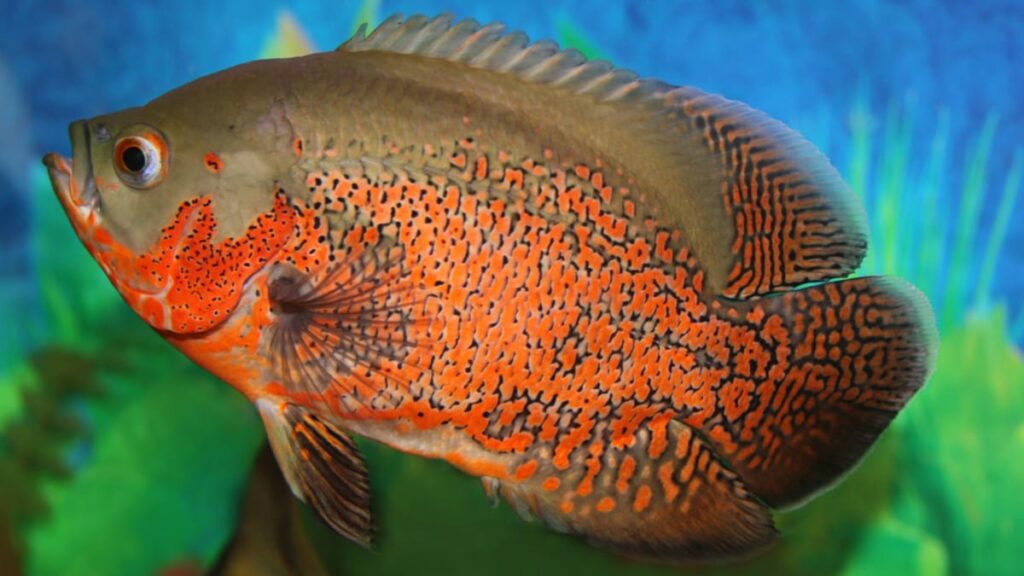
Diagnosing fish cloudy eyes: step-by-step
Diagnosing fish cloudy eyes means looking at the fish and the tank. Start with a calm observation close to the tank. Note whether one or both eyes are affected and any behavior changes.
Test water chemistry next. Check ammonia, nitrite, nitrate, pH, and temperature. Abnormal values often point to environmental causes. Quarantine the affected fish if possible. This prevents spread and makes treatment easier. A vet or experienced aquarist can take eye swabs to test for bacteria or fungi. If your fish has bulging eyes, rapid swelling, or tank-wide issues, professional diagnosis is best.
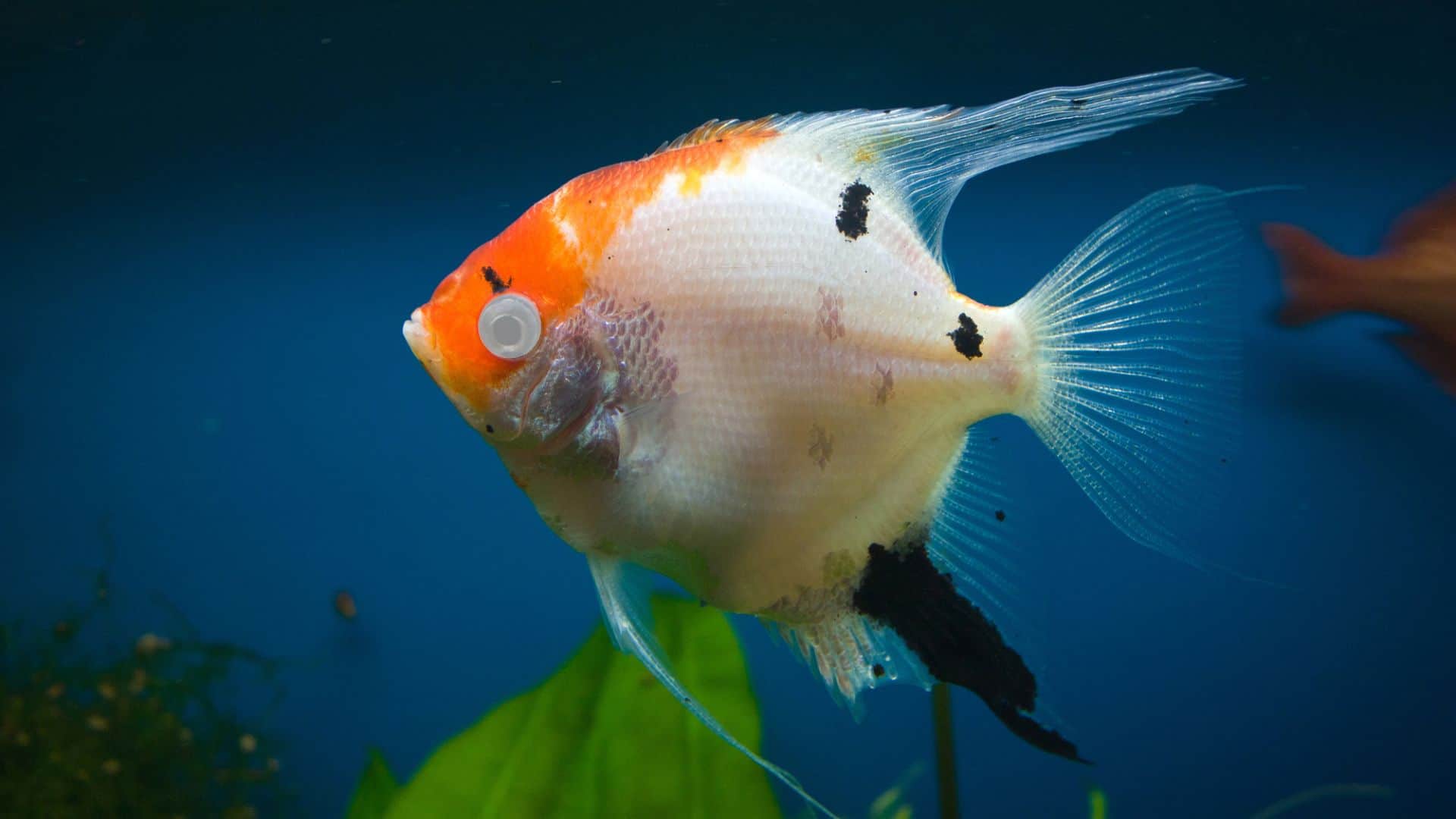
Treatment and safe home care for fish cloudy eyes
Treating fish cloudy eyes depends on the cause. Fix water quality first. A big part of recovery comes from clean, stable water.
- Water changes: Do a 25 to 50 percent water change to lower toxins.
- Test and balance: Correct ammonia, nitrite, and pH to safe levels.
- Quarantine: Move the sick fish to a hospital tank if you can.
- Use aquarium salt carefully: Low doses can help reduce stress and support healing. Follow dosage guidelines for your species.
- Antibiotic or antifungal treatments: Use products labeled for eye or skin infections and follow instructions. It is best to consult an aquatic vet before medicating.
- Nutrition and probiotics: Offer high-quality, vitamin-rich food to support immune response.
If the cloudiness comes from cataracts, it often will not clear with medication. Surgical options exist for some high-value fish, but they are rare and costly. For gas bubble disease, slowly degas the tank and improve aeration. For injuries, keep the water spotless and avoid harsh chemicals. Monitor recovery with daily checks. If condition worsens or does not improve in a week, see a fish veterinarian.
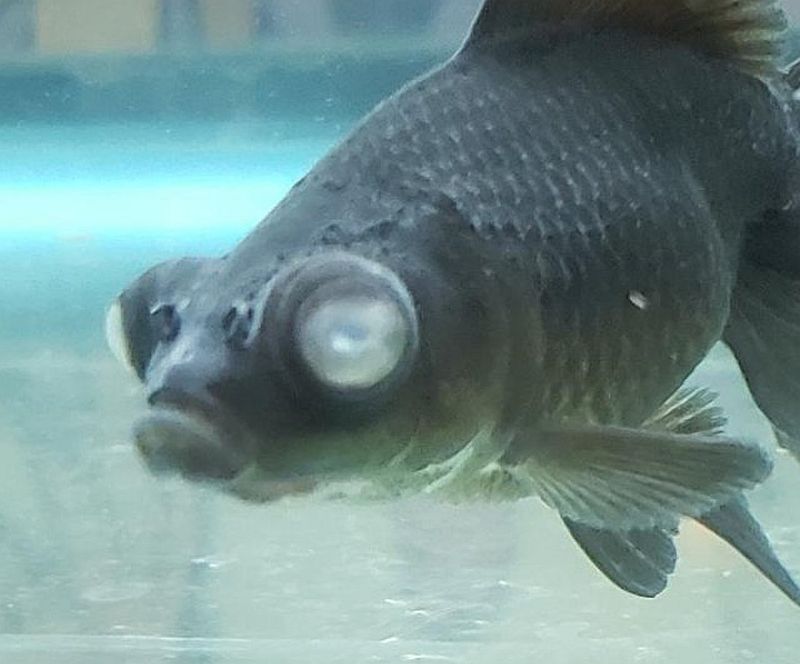
Prevention: stop fish cloudy eyes before they start
Preventing fish cloudy eyes is easier than treating them. Routine care and simple habits cut risk a lot.
- Regular water testing: Check ammonia, nitrite, nitrate, and pH weekly.
- Consistent maintenance: Do scheduled water changes and clean filters.
- Quarantine new fish: Isolate newcomers for two to four weeks.
- Avoid overcrowding: Too many fish raise stress and disease risk.
- Safe decor and plants: Smooth, safe surfaces reduce eye injury.
- Balanced diet: Feed varied, vitamin-rich foods to support eye health.
- Proper aeration: Good oxygen levels reduce gas bubble issues.
Small, daily steps protect your fish and lower the chance of fish cloudy eyes returning.

When to call an aquatic vet
Seek professional help for serious or persistent cases. Call a vet if you see:
- Severe swelling or one eye bulging out.
- Total loss of appetite or major lethargy for several days.
- Tank-wide spread that affects many fish fast.
- No improvement after a week of correct water changes and basic treatment.
- Uncertainty about dosing medications or identifying the cause.
A vet can run lab tests, prescribe targeted drugs, and advise on advanced care. Fast action often saves an eye or a life.
My experience treating fish cloudy eyes
Years of aquarium care taught me the value of quick action. Once I had a community tank where three fish developed cloudy eyes after a filter failure. I caught the issue within 24 hours by daily checks. I did a large water change, fixed the filter, quarantined the worst fish, and offered gentle salt treatment under vet guidance. Two fish recovered in a week and one had permanent scarring but regained appetite.
What I learned is simple. Test water first. Don’t guess on strong meds. Small steps taken early often prevent surgery or loss. Avoid overcrowding and keep a quarantine tank ready. These simple habits cut tough problems down fast.
Frequently Asked Questions of fish cloudy eyes
Can fish cloudy eyes get better on their own?
Yes, if the cause is minor water irritation or a small injury, eyes can clear with clean water and rest. Persistent cloudiness often needs treatment from medication or a vet.
Is fish cloudy eyes contagious to other fish?
It depends. Bacterial or fungal causes can spread, especially in poor water or crowded tanks. Quarantine and improve water quality to limit spread.
How long does it take for fish cloudy eyes to clear?
Mild cases may improve in days with good water changes and care. Serious infections can take one to several weeks and may require vet treatment.
Will adding aquarium salt fix fish cloudy eyes?
Aquarium salt can help reduce stress and fight mild infections but is not a cure-all. Use proper dosages and avoid salt for species that dislike it.
Can cloudy eyes mean a fish is blind?
Cloudiness can reduce vision and, in some cases, cause partial blindness. Prompt treatment can restore vision when the cause is infection or injury rather than permanent cataract.
Should I remove decorations if a fish has cloudy eyes?
You do not need to remove all decorations, but check for sharp edges and rough surfaces. Smooth out risky areas and keep hiding spots soft to prevent further injury.
Are there species more prone to fish cloudy eyes?
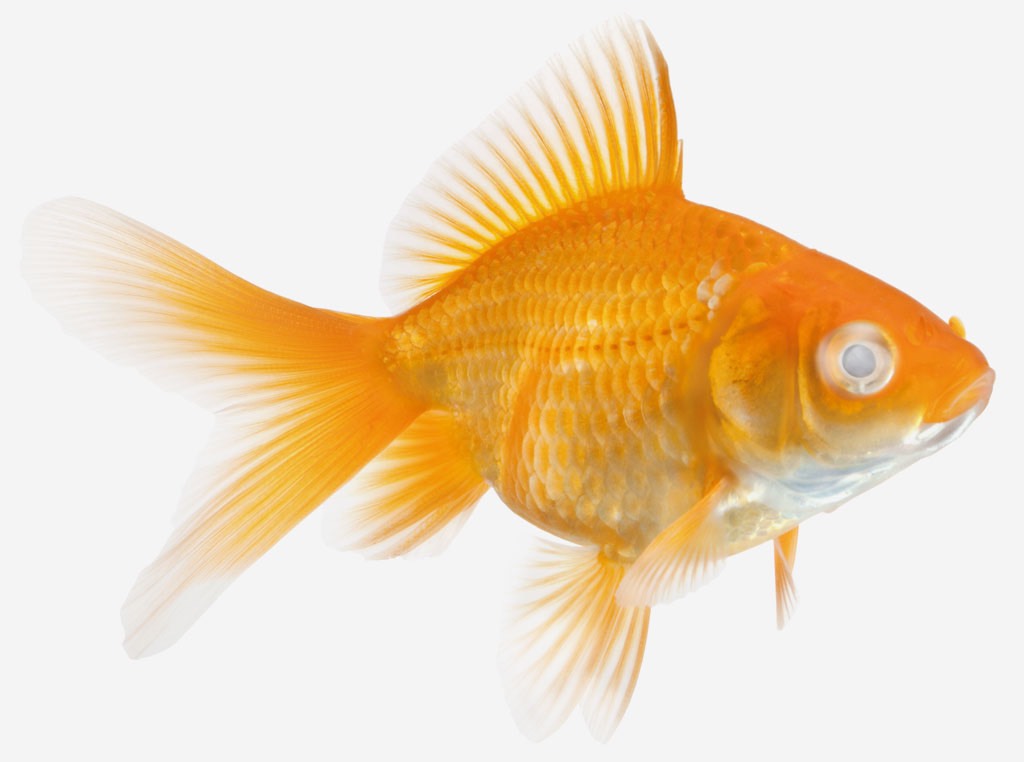
Goldfish and other coldwater fish often show cataracts and age-related cloudiness more than tropical species. However, any species can develop cloudy eyes from poor water or infection.
Conclusion
Fish cloudy eyes is a common and often treatable issue when caught early. Clean water, swift quarantine, and targeted treatment stop many cases. Keep testing water, feed well, and act quickly at the first sign of cloudiness. Your quick care can save vision, reduce suffering, and keep your tank healthy. Take one simple step today: test your tank water and set up a quarantine routine. If you found this guide useful, try the steps, leave a comment, or subscribe for more fish-care tips.
