
Fish color fading often signals stress, poor water, diet, disease, or aging in aquarium fish.
I have worked with hobbyists and vets for years to diagnose and treat fish color fading. In this guide I share clear causes, simple tests, and practical steps you can use today to help your fish regain color or live comfortably if color returns slowly. You will get easy checklists, real-life examples from my experience, and trusted ways to prevent color loss in your tank.
What is fish color fading?
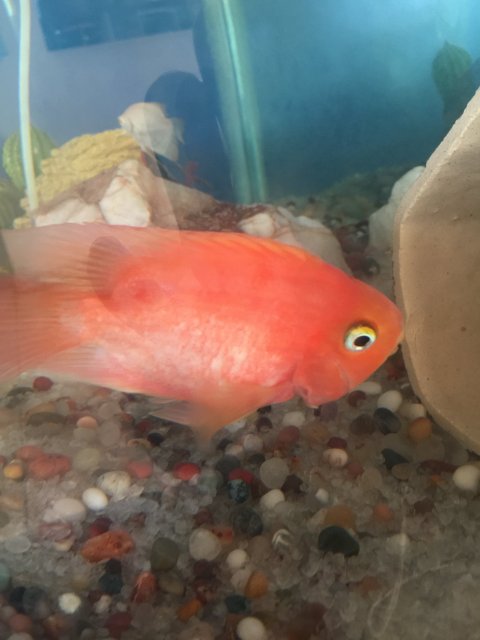
Fish color fading means a loss of normal pigment or vibrancy. It can be sudden or slow. It can affect one fish or a whole group. Fish color fading is a sign, not a single disease, so finding the cause is key.
Fish show color through pigments and light reflection. When pigment cells change, the fish looks pale or washed out. Stress, illness, diet, water, and genetics all change pigment cells. Knowing the reason helps you pick the right fix.

Common causes of fish color fading
Here are the main triggers I see most often in tanks and ponds.
- Stress from new tank mates, bullying, or transport. Stressed fish lose color fast.
- Poor water quality, like high ammonia, nitrite, or wrong pH. Bad water harms pigment and health.
- Low light or wrong light spectrum. Light affects how colors show.
- Poor diet lacking carotenoids and vitamins. Color needs the right nutrients.
- Parasites and infections. External parasites and skin diseases dull color.
- Old age and natural life stage changes. Some species fade as they age.
- Genetics and breeding. Color morphs can be naturally pale.
- Temperature extremes. Too cold or too hot can reduce pigment expression.
In my experience, most cases involve a mix of stress and diet. I once treated a community tank where bullying and a light change caused gradual fish color fading across five species. Fixing aggression and improving food brought color back in weeks.

How to diagnose fish color fading
Use a stepwise approach to find the likely cause.
-
Observe behavior and pattern:
- Is the fish hiding or gasping?
- Are fins clamped or torn?
- Is fading on one side, the belly, or the whole body?
-
Test water immediately:
- Measure ammonia, nitrite, nitrate, pH, and temperature.
- Record any recent changes like new decorations, substrate, or fish.
-
Check diet history:
- Note recent food types and any sudden changes.
- Look for lack of color-enhancing foods.
-
Inspect for parasites or lesions:
- Use a magnifier to look for spots, flukes, or mucus.
- Check gills for redness or parasites.
-
Review lighting and tank setup:
- Note light hours and bulb type.
- Check if plants or cover removed light or increased shade.
-
Consider genetics and age:
- Some fish fade when breeding or as juveniles mature.
- Compare with siblings or other tanks.
When I test a tank, I always repeat water tests over 24–48 hours. A one-off reading can mislead. Tracking data helps find patterns and links to fish color fading.

Treating and reversing fish color fading
Treatment depends on cause. Follow simple steps to restore color safely.
Immediate steps for any faded fish
- Move fish to a quarantine tank if they are sick or bullied.
- Do a 25–50% water change in the display tank to cut toxins.
- Check and correct temperature slowly to avoid shock.
If water quality is the issue
- Fix filtration and perform regular partial water changes.
- Cycle the tank properly before adding new fish.
- Use biological media and avoid chemical overloads.
If diet is the issue
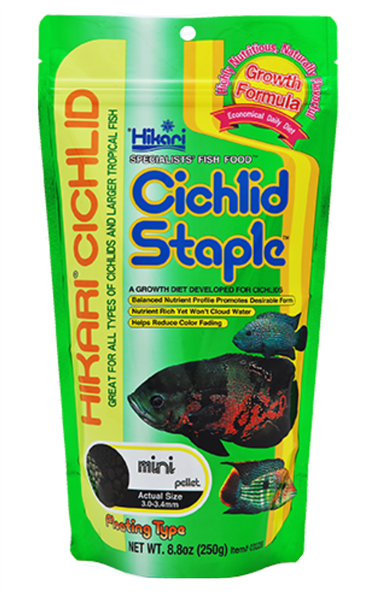
- Feed high-quality foods rich in carotenoids and natural pigments.
- Offer variety: color flakes, live or frozen foods, and vegetable matter as appropriate.
- Avoid long-term feeding of cheap fillers that lack color nutrients.
If stress or aggression is the issue
- Rearrange the tank to create more hiding spaces.
- Separate aggressive fish or move victims temporarily.
- Reduce sudden changes and keep lights on a regular schedule.
If parasites or disease are the issue
- Treat with the correct medication for the specific parasite or infection.
- Use salt baths or medicated dips if appropriate for the species.
- Quarantine and treat new arrivals to prevent spread.
If genetics or age are the issue
- Accept natural changes in some cases. Not all fading is fixable.
- Selectively breed for color if you want brighter offspring, but know it takes time.
From my work, the fastest recoveries come when diet and water are fixed together. Medication helps when a clear infection exists. Always treat only after you identify the likely cause to avoid harming the fish.

Preventing fish color fading
Prevention is often simpler than cure. Use routines that keep fish healthy and colorful.
- Maintain water quality with regular testing and changes.
- Feed a varied, nutrient-rich diet on a schedule.
- Keep a stable light schedule suited to the species.
- Avoid overcrowding and watch for bullying.
- Quarantine new fish for at least two weeks.
- Maintain stable temperatures and good filtration.
- Use plants and décor to reduce stress and reflect natural habitats.
One tip I share often: introduce one small change at a time. Sudden shifts in lighting or diet can trigger fish color fading. Gradual updates help fish adapt and keep their color bright.

Monitoring recovery and long-term care
Track changes to know if your actions help.
- Take photos weekly under the same light. Photos show subtle color shifts.
- Log water test results and diet changes.
- Note behavior improvements like normal feeding and active swimming.
- Keep treatments for the recommended time even if color seems to return.
If color returns slowly over weeks, that is normal. Rapid changes back to color may hide underlying issues that will return. Stay patient and consistent. My best recoveries took 2–6 weeks of steady care.

Personal lessons and common mistakes
Here are lessons I learned the hard way and tips to avoid them.
- Mistake: Changing multiple things at once. You won’t know which change helped or harmed.
- Mistake: Over-medicating for mild color loss. Many drugs stress healthy fish.
- Tip: Use targeted food enhancements for color, not gimmicks.
- Tip: Observe tank dynamics daily for early signs of fish color fading.
One memorable case: I once treated a prized koi for color loss with strong chemicals. The fish lost more color and appetite. The real issue was poor feeding and low light. Correcting diet and light restored color in two months. That taught me to always start with basic care checks.
Frequently Asked Questions of fish color fading
What immediate steps should I take if I spot fish color fading?
Do a quick water test and a 25–50% water change. Isolate any bullied or clearly sick fish in a quarantine tank for closer care.
Can poor diet alone cause fish color fading?
Yes. Diets low in carotenoids and vitamins often cause faded colors over weeks. Adding quality food rich in pigments usually helps.
How long does it take for color to return after fixing the problem?
Color can return in days to weeks for mild cases and months for deep pigment loss. Recovery speed depends on cause and species.
Are there permanent causes of fish color fading?
Yes. Genetics, severe injury, and advanced age can cause permanent changes. In such cases, management and care are the best options.
Should I medicate my tank immediately for faded fish?
Not always. Only medicate after confirming infection or parasites. Unnecessary meds can add stress and harm beneficial bacteria.
Conclusion
Fish color fading is a common sign that tells you something in the tank needs attention. Check water, diet, lighting, stress, and disease in that order. Apply simple fixes first, then move to targeted treatment if needed. My advice: start with small, steady changes and document results with photos and tests. Take action today by testing water, improving diet, and observing behavior. Share your experience, subscribe for more care guides, or leave a comment with your specific case — I’ll help you troubleshoot.
