
Fish parasites symptoms often show as flashing, rubbing, spots, weight loss, and breathing trouble.
I have spent years caring for aquariums and helping others spot and treat fish parasites symptoms. This article explains signs, causes, diagnosis, treatment, and prevention in plain, clear language. You will learn how to spot common fish parasites symptoms early, act fast, and protect your tank with simple steps. Read on for practical tips, real-case notes from my experience, and easy-to-follow actions you can use today.
:strip_icc()/Lernaea_parasite_on_a_Murray_cod-ec6971260370400a90e6fbf18f952ea7.jpg)
What are fish parasites and why they matter
Fish parasites are tiny organisms that live on or in fish. They cause stress, illness, and often death if untreated. Recognizing fish parasites symptoms early saves fish and reduces tank-wide outbreaks. I have seen tanks recover when owners acted fast after spotting first symptoms. Fish parasites symptoms can be subtle at first, so a trained eye helps.

Common parasites and their telltale fish parasites symptoms
Understanding common parasites makes spotting fish parasites symptoms easier. Below are frequent offenders and their usual signs.
- Ich (white spot disease) — Small white spots on skin and gills. Fish may scratch on decor and breathe fast.
- Flukes (monogenean trematodes) — Patchy redness, excess slime, and rapid gill movement.
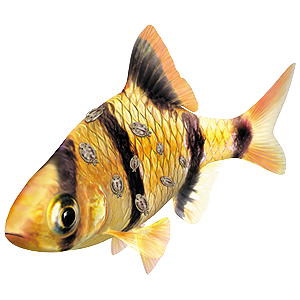
- Anchor worms (copepods) — Visible threadlike worms attached to the body. Surrounding tissue may be red or ulcerated.
- Fish lice (argulus) — Larger, visible pests that cause rubbing, wounds, and lethargy.
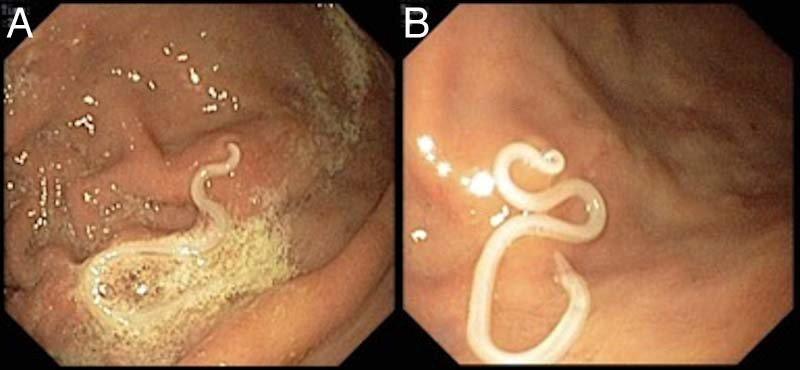
- Tapeworms and roundworms — Weight loss, bloated belly, and passing white segments or worms in feces.
- Internal protozoa — Pale gills, poor appetite, and listlessness without obvious external signs.
- External ciliate infections — Tiny moving spots, excess mucus, and ragged fins.
When you see any of these fish parasites symptoms, isolate affected fish and test water. Quick action often stops spread.
General signs to watch for: key fish parasites symptoms
Learn simple warning signs that signal trouble. Many of these are common across different parasites.
- Changes in behavior — Lethargy, hiding, or frantic swimming.
- Abnormal breathing — Rapid gill movement or gasping at the surface.
- Skin and fins — Spots, ulcers, discoloration, frayed fins, or excess mucus.
- Rubbing and flashing — Fish rubbing against objects to scratch an itch.
- Appetite and weight — Refusing food or losing weight over days or weeks.
- Visible pests — Worms, lice, or white spots on body or gills.
- Cloudy eyes or swollen belly — Can point to internal parasites or secondary infections.
I always recommend scanning tanks daily. Small signs of fish parasites symptoms are easy to miss at first. Early detection makes treatment easier and cheaper.

How to diagnose fish parasites symptoms
Diagnosis combines observation and tests. Start with the simple steps below.
- Observe behavior and look closely under good light.
- Check gill color and movement. Pale gills often mean internal stress or parasites.
- Collect a scrapped mucus sample for a microscope if possible. This reveals tiny parasites like ich or flukes.
- Use a vet or aquatic specialist when unsure. Labs can run fecal exams and tissue tests.
- Monitor water quality. Poor water often worsens parasite problems and mimics fish parasites symptoms.
When I started keeping ponds, a simple microscope saved one tank. Seeing moving protozoa changed treatment fast.
Treatment options for fish parasites symptoms
Treatments vary by parasite type and by fish species. Use caution and follow instructions.
- Salt baths and freshwater dips — Good for many external parasites. Short-term dips reduce parasite load safely for many species.
- Medication — Formalin, copper, praziquantel, and specific anti-parasitic drugs work for known parasites. Dose carefully and avoid sensitive species like invertebrates.
- Heat and temperature control — Raising tank temperature can speed parasite life cycles and help drugs work, but only do this if fish species tolerate it.
- Clean and remove visible parasites — Manually remove anchor worms with tweezers during quarantine.
- Supportive care — Improve water quality, do small water changes, and feed high-quality food to help healing.
I once cured a bad ich outbreak with a combined plan: salt, increased temperature for a short time, and careful medicated doses. It worked because I acted quickly and monitored fish closely.

Prevention: stop fish parasites symptoms before they start
Prevention is the best strategy. These steps reduce risk and keep fish healthy.
- Quarantine new fish for 2–4 weeks before adding them to a main tank.
- Buy from reputable sources and inspect fish closely on arrival.
- Freeze or properly treat live food to kill internal parasites.
- Maintain stable water chemistry and low stress levels for fish.
- Clean nets, décor, and equipment between tanks.
- Avoid overcrowding and overfeeding, which weaken fish and invite parasites.
In my own tanks, quarantine saved a lot of heartache. One sick new fish once cost me weeks of work before I implemented a strict quarantine rule.
Caring for sick fish at home: practical steps
If you find clear fish parasites symptoms, here’s a quick action plan.
- Isolate the sick fish to a hospital tank to prevent spread.
- Test water and correct ammonia, nitrite, nitrate, and pH issues.
- Start recommended treatment based on likely parasite type.
- Keep water clean with daily small water changes during treatment.
- Monitor food intake and offer nutritious, easily digestible food.
- Keep notes of symptoms, medication, and water changes to track progress.
When treating at home, patience matters. Some parasites require several treatment cycles to clear.
When to call a vet or aquatic specialist for fish parasites symptoms
Some cases need professional help. Contact an expert if you see any of the following.
- Rapid deaths across multiple fish.
- Severe ulcers, bleeding, or unusual tumors.
- Parasites you cannot identify or that resist treatment.
- High-value or endangered species affected.
- Persistent symptoms after correct treatment.
A vet can run lab tests and prescribe targeted drugs. Do this sooner rather than later when fish parasites symptoms are severe.
Frequently Asked Questions of fish parasites symptoms
What are the earliest fish parasites symptoms to watch for?
Early signs include rubbing, small white spots, and a drop in appetite. Quick behavior changes often signal the first stages of infection.
Can poor water quality mimic fish parasites symptoms?
Yes. Elevated ammonia, nitrite, or low oxygen can cause gasping and lethargy similar to parasite infections. Always test water before assuming parasites.
How long does it take to treat common parasites like ich?
Treatment can take two to four weeks, depending on severity and life cycle breaks. Continue treatment until no new spots appear and fish act normal.
Are treatments safe for community tanks with plants and shrimp?
Many medications harm invertebrates and some plants. Use a hospital tank for treatment or choose products labeled safe for your tank setup.
Can humans get sick from fish parasites symptoms?
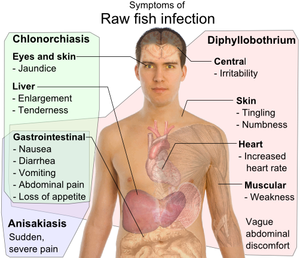
Most fish parasites do not infect healthy humans, but some fish-borne worms can pose risk if fish are eaten raw or undercooked. Handle sick fish and medication carefully.
Should I euthanize a fish with severe parasite infection?
Euthanasia is a humane option when suffering is severe and recovery is unlikely. Consult a vet for humane methods and proper guidance.
Conclusion
Spotting fish parasites symptoms early is the best defense. Watch behavior, breathing, skin, and appetite closely. Quarantine new fish, keep water clean, and have a basic treatment plan ready. Take action fast, and document what you do to improve outcomes. Try the prevention steps today, subscribe for more care tips, or leave a comment with your tank story.
