
Fish disease signs often begin with small changes: dull color, clamped fins, or odd swimming.
I have spent years caring for many tanks and helping hobbyists spot early fish disease signs. This guide explains common signs, what they mean, how to diagnose problems, and hands-on steps to treat and prevent them. Read on for clear, practical advice you can use today.
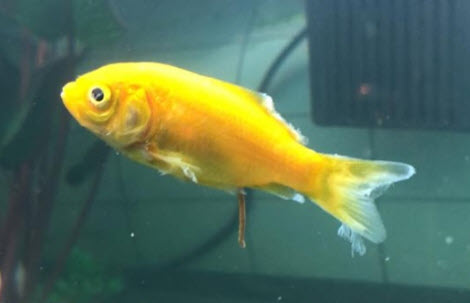
Common signs of fish disease
Fish disease signs can be subtle at first. Watch your fish every day for changes. Early detection saves lives.
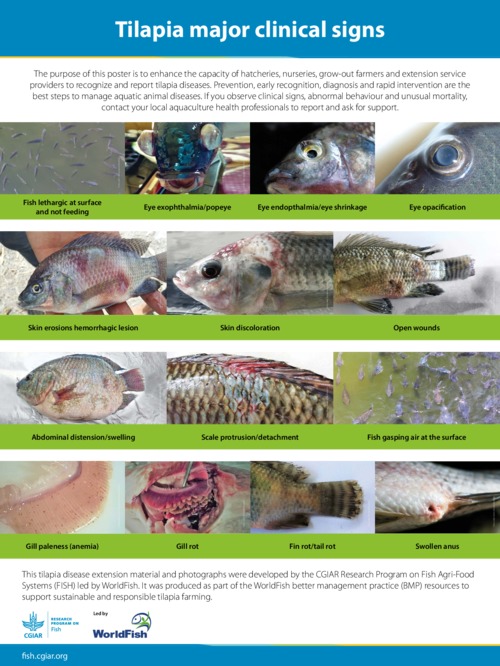
Common visible signs to watch for:
- Loss of appetite or refusal to eat within a day or two.
- Clamped fins held tight to the body.
- Rapid or labored breathing at the surface or near filter outflow.
- Odd swimming: spinning, tilting, floating upside down, or sinking.
- White spots or tiny salt-like specks on body and fins.
- Fuzzy growths or cotton-like patches on skin or gills.
- Ragged, torn, or eroded fins and tail.
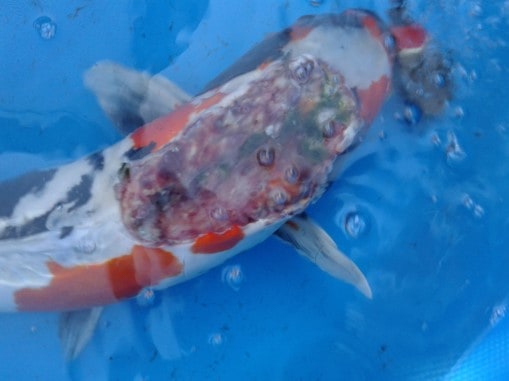
- Red streaks, sores, ulcers, or bleeding areas.
- Puffy, swollen belly or scales sticking out (pineconing).
- Pale or discolored gills and body color changes.
- Excess mucus or slime film that seems thicker than normal.
I learned to spot most problems by watching feeding times. A fish that refuses food but shows no other signs often hides a water or stress issue. Early checks prevent small problems from becoming big ones.
Causes and risk factors
Understanding causes helps you prevent fish disease signs before they start. Most issues tie back to water, stress, or pathogens.
Common causes and risk factors:
- Poor water quality: high ammonia, nitrite, or nitrate.
- Rapid temperature swings or wrong temperature for the species.
- Overcrowding and strong aggression in the tank.
- Introducing sick or unquarantined new fish.
- Poor nutrition or sudden diet changes.
- Dirty filters, decaying plants, or old food in the tank.
- Stress from rough handling, bright lights, or transport.
- Parasites, bacteria, fungi, and viruses present in the system.
From my experience, the most common mistake is skipping quarantine for new fish. I once lost several fish after adding a single untreated fish. Quarantine can stop 90% of outbreaks.
Diagnosing fish illnesses
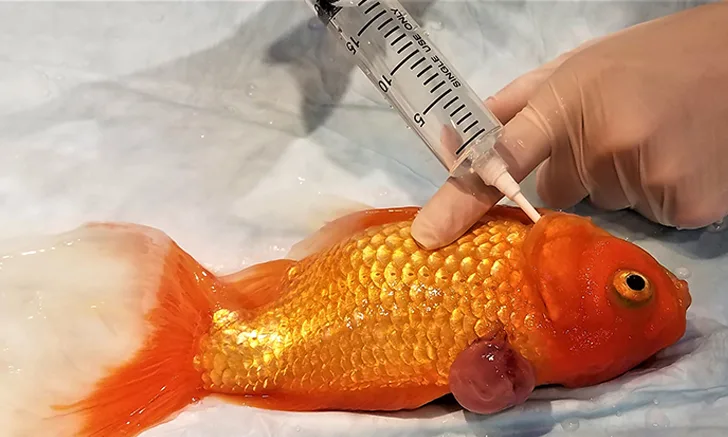
Diagnosing starts with careful observation and simple tests. Use a step-by-step approach.
Steps to diagnose fish disease signs:
- Observe behavior, breathing, and appearance for at least a few hours.
- Test water for ammonia, nitrite, nitrate, pH, and temperature.
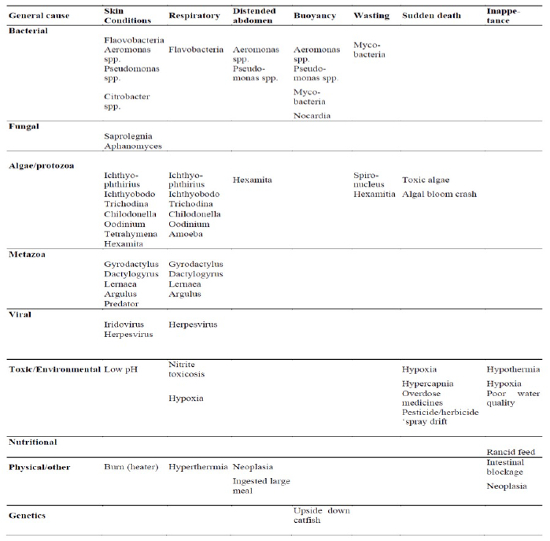
- Compare symptoms to common disease profiles (spots, fin rot, bloating).
- Move a sick fish to a clean quarantine tank for closer study.
- Try a gentle salt bath or water change to rule out shock or mild stress.
- Use a microscope or magnifier to check for visible parasites on skin or gills.
- If unsure or if many fish are sick, consult an aquatic vet or experienced hobbyist.
I keep a small quarantine tank ready. It lets me test treatments with low risk to the main tank. Quick tests and isolation often reveal whether illness is environmental or infectious.
Common diseases and their signs
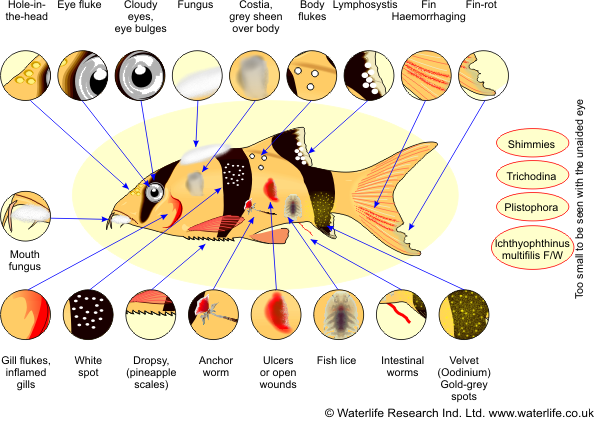
Many diseases show predictable fish disease signs. Below are common illnesses and their typical signs.
Ich (White Spot Disease)
Ich shows as small white spots on the skin and gills. Affected fish scratch on decor, breathe fast, and may hide.
Fin rot
Fin rot causes frayed, torn fins and dark or red edges. It often follows poor water or injury.
Swim bladder disease
Swim bladder problems cause buoyancy issues: fish float, sink, or tilt. Overfeeding or infections can trigger this.
Fungal infections
Fungus looks like white cotton on skin or fins. It often occurs after injury or with poor water.
Bacterial infections
Bacterial signs include ulcers, red streaks, cloudy skin, and rapid decline. These can spread fast in a tank with bad water.
Parasitic infections
External parasites cause flashing, scratching, and visible small dots or worms. Internal parasites may cause weight loss and thin feces.
Dropsy
Dropsy is shown by a swollen belly and pineconed scales. It is a sign of severe internal infection or organ failure.
Recognizing the pattern of fish disease signs helps you pick the right response. If you see more than one sign, assume the problem is serious and act quickly.

Treatment and first aid
Treating fish disease signs means swift action, safe meds, and care. Start simple and move up as needed.
First-aid steps:
- Isolate sick fish in a quarantine tank to limit spread.
- Do a 25–50% water change in the main tank and clean the filter media in tank water.
- Test and correct water parameters: ammonia 0, nitrite 0, nitrate low, stable pH and temp.
- Use aquarium salt or hospital salts only for species that tolerate it.
- Raise temperature slightly for some parasites like ich to speed parasite life cycle (check species limits).
- Match treatment to likely cause: antiparasitic for ich, antifungal for fungus, antibiotics for severe bacterial infections.
- Follow dose and duration on the product. Do not double-dose.
- Perform repeated water changes and monitor daily.
Personal tip: I always trial treatments in quarantine first. This avoids harming sensitive species in the main tank and lets me watch recovery closely.
Prevention and aquarium husbandry
Preventing fish disease signs is easier than curing them. Good routine care keeps fish healthy and tanks stable.
Routine prevention checklist:
- Quarantine new fish for 2–4 weeks before adding them to the display tank.
- Test water weekly and keep records of readings.
- Do regular water changes: 10–30% weekly depending on bioload.
- Feed a varied, high-quality diet and avoid overfeeding.
- Avoid overcrowding and match species by temperament and water needs.
- Clean filters and remove uneaten food and waste often.
- Keep stable temperature and low stress light cycles.
- Use UV sterilizers or ozone only if you understand risks and benefits.
- Observe fish daily; small changes in behavior often signal early issues.
I log test results on my phone. When fish disease signs appear, the log tells me what changed and what to fix first.
When to consult a vet
Some fish disease signs need a professional. Know when to seek expert help.
Signs to call an aquatic vet:
- Rapid deaths or many fish showing the same severe signs.
- Large open ulcers, major bleeding, or severe bloating.
- No improvement after correct water fixes and basic meds.
- Valuable or rare fish that you cannot risk treating alone.
- Need for lab tests like bacterial culture or microscopy for parasites.
A vet can run tests and prescribe targeted meds. This saves time and often saves valuable fish.
Frequently Asked Questions of fish disease signs
What are the earliest fish disease signs to watch for?
Early signs often include mild loss of appetite, clamped fins, and slight color loss. These signs show before severe disease appears.
Can water changes cure fish disease signs?
Water changes can fix problems caused by poor water quality and reduce stress. They do not cure contagious infections but help recovery.
How long should I quarantine a new fish?
Quarantine new fish for at least 2–4 weeks while watching for any fish disease signs. Longer quarantine helps detect slow-onset issues.
Is aquarium salt safe for all fish?
Aquarium salt helps some species but can harm others like livebearers or plants. Research species tolerance before use.
When is medication necessary for fish disease signs?
Use medication when signs point to infection, parasites, or when water fixes do not help. Start with quarantine trials and follow dosage instructions.
Conclusion
Spotting fish disease signs early gives you the best chance to save fish and stop outbreaks. Watch behavior, test water, isolate sick fish, and treat with care. Use quarantine, steady husbandry, and good record keeping to avoid most problems. Take action today: test your tank, set up a quarantine, and observe your fish daily. If this guide helped, try the steps now and share your results or questions below.
